Newsletter Subscribe
Enter your email address below and subscribe to our newsletter

HVAC made simple
By Jake Lawson | HVAC Specialist, The Furnace Outlet | Updated October 2026
The air inside your home plays an important role in everyday comfort, but maintaining comfortable temperatures does not necessarily mean the air is clean. Cooking emissions, household dust, pet allergens, cleaning chemicals, moisture, outdoor pollution, and combustion appliances can introduce contaminants that accumulate indoors. Even well-maintained homes may experience indoor air quality problems when ventilation is inadequate or pollution sources are not properly controlled.
According to the U.S. Environmental Protection Agency (EPA), Americans spend approximately 90% of their time indoors, where concentrations of certain pollutants can be higher than outdoors. This makes indoor air quality an important part of maintaining a comfortable residential environment, particularly for households with children, older adults, or people who experience respiratory sensitivities.
The good news is that improving indoor air quality does not always require expensive equipment. Many effective measures involve identifying pollution sources, maintaining ventilation, controlling moisture, and using suitable filtration. More advanced solutions, such as whole-house ventilation or upgraded HVAC filtration, may be worthwhile when a home’s conditions justify them.
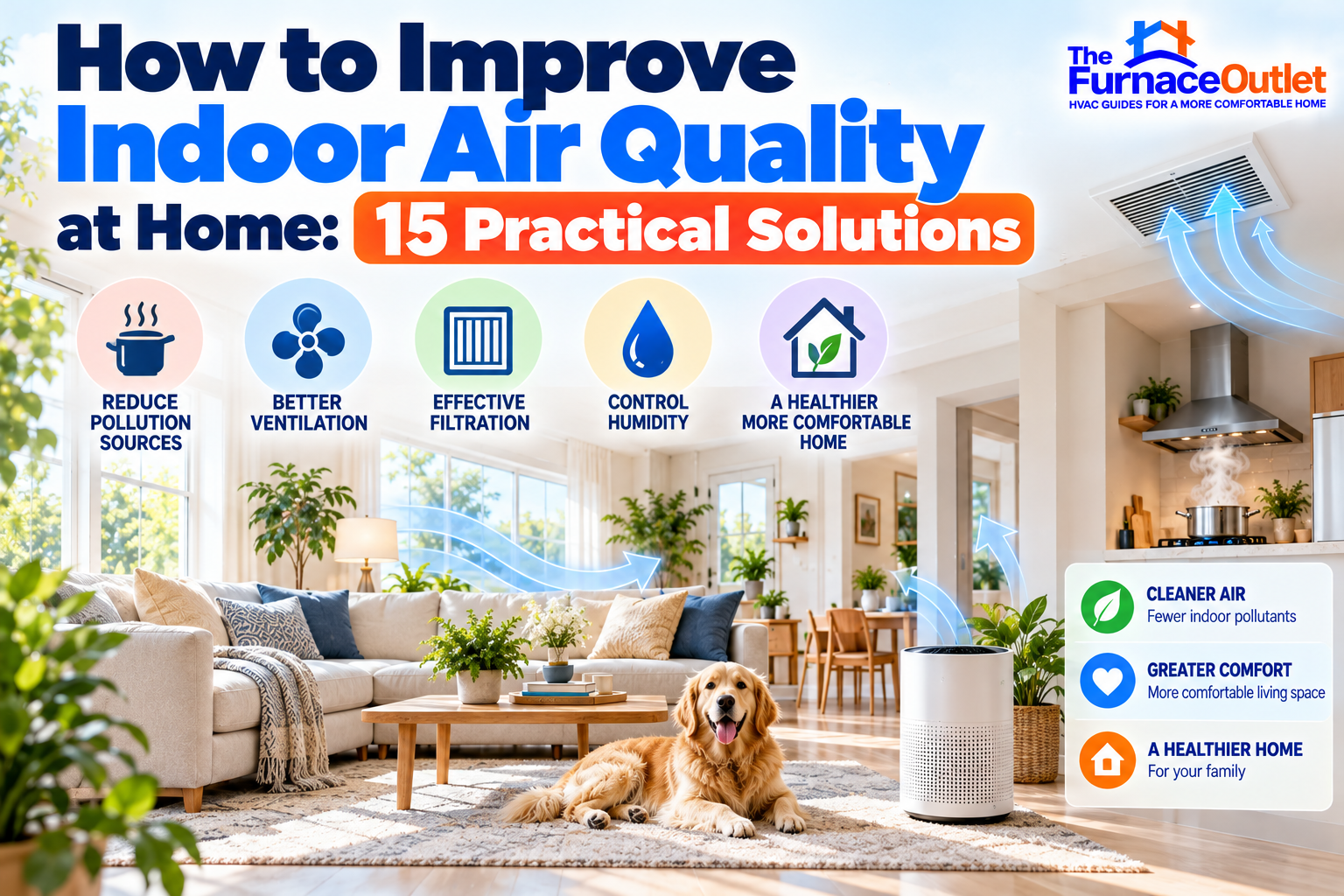
As an HVAC specialist with more than 10 years of experience, I recommend following three fundamental principles: reduce pollutants at their source, provide appropriate ventilation, and filter remaining airborne particles. The following 15 practical solutions explain how homeowners can apply these principles without overlooking equipment limitations or important safety considerations.
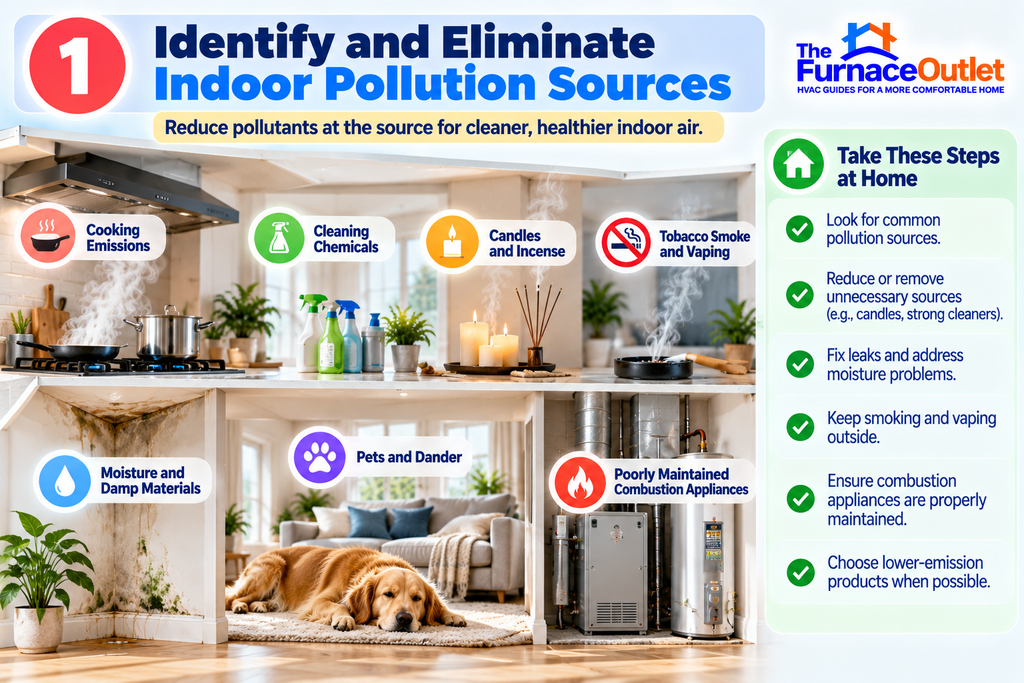
The most effective indoor air quality improvement often begins before air reaches a filter. Source control means eliminating a pollutant source or reducing the amount it releases into occupied spaces. This approach is particularly valuable because certain contaminants cannot be effectively removed by ordinary residential particle filters.
Common indoor pollution sources include tobacco smoke, candles, incense, strong cleaning chemicals, cooking emissions, damp building materials, and poorly maintained combustion appliances. Homeowners should examine which activities produce noticeable odors, smoke, dust, or changes in air quality and determine whether those emissions can be reduced.
For example, reducing unnecessary candle burning can lower particle generation, while replacing heavily fragranced cleaning products with suitable lower-emission alternatives may reduce certain chemical exposures. Repairing a water leak addresses a moisture source that filtration cannot correct.
I recommend beginning with a simple household inspection. Identify the most obvious and controllable sources, prioritize safety-related concerns, and make improvements before investing in additional air-cleaning equipment.
Cooking can generate substantial short-term indoor particle pollution, particularly during frying, searing, roasting, and other high-temperature activities. Both gas and electric cooking can produce fine particles from heated oils and food, while gas burners may introduce additional combustion-related pollutants such as nitrogen dioxide.
A properly installed range hood that exhausts outdoors can help capture cooking emissions near their source. Its effectiveness depends on capture design, airflow, installation, and consistent use. Recirculating hoods may remove some grease and odors but do not provide the same pollutant removal as effective outdoor exhaust.
I recommend turning on the range hood when cooking begins and allowing it to operate as appropriate afterward. Homeowners should clean grease filters according to manufacturer instructions and avoid unnecessarily high cooking temperatures that produce visible smoke.
If a kitchen lacks effective outdoor exhaust, upgrading ventilation may provide a more meaningful improvement than purchasing a small countertop air purifier.
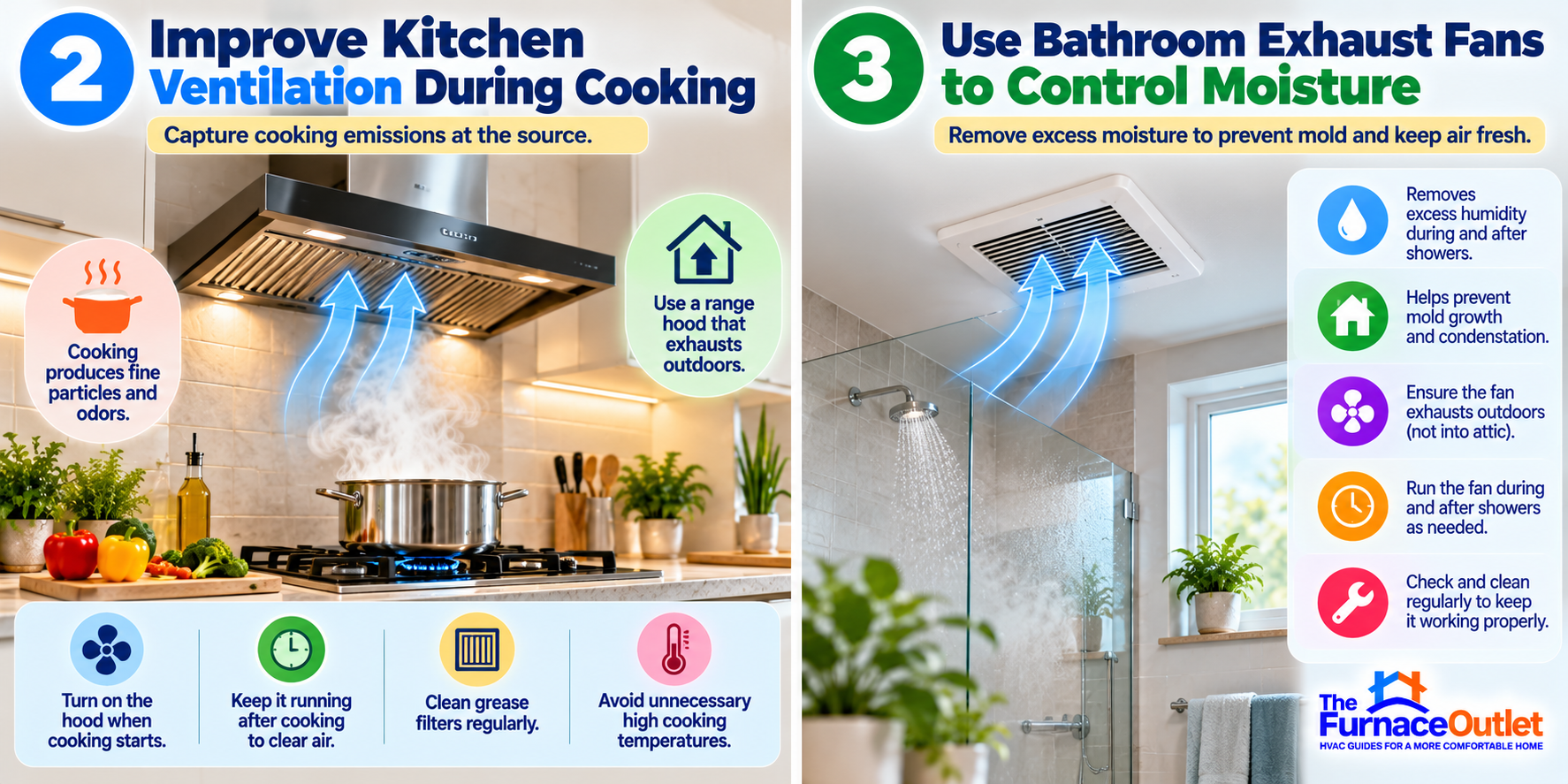
Bathrooms are frequent sources of indoor moisture because showers and baths release water vapor into the surrounding air. Without adequate ventilation, humidity may remain elevated and contribute to condensation, damp surfaces, and mold growth on susceptible materials.
An appropriately installed bathroom exhaust fan helps remove moisture directly from the room. The fan should discharge outdoors rather than into an attic or concealed building cavity, where moisture could create additional problems.
Homeowners should operate bathroom ventilation during showers and continue using it afterward as needed to remove excess humidity. The required operating time varies with room size, airflow, climate, and shower duration.
I also recommend checking whether the fan is actually moving air effectively. Excessive dust, blocked ducts, poor installation, or an undersized fan can reduce performance even when the motor appears to operate normally.
Central HVAC filters can help reduce airborne particles as air circulates through heating and cooling equipment. However, filter performance depends on the filter’s efficiency, installation quality, airflow, and how frequently the system operates.
The Minimum Efficiency Reporting Value, or MERV, describes a filter’s particle-capture performance under standardized testing conditions. Higher MERV ratings generally indicate improved capture of smaller particles, although filters with different designs may create different levels of airflow resistance.
For many compatible residential systems, MERV 13 is a useful filtration target, consistent with EPA guidance, provided the equipment can accommodate the filter without excessive pressure drop or reduced airflow. Some systems may require professional evaluation or filter-cabinet modifications before higher-efficiency filtration is appropriate.
I recommend checking the equipment manufacturer’s instructions and ensuring that the filter fits securely without significant air bypass. Installing the highest-rated filter available is not necessarily the best decision if it compromises heating or cooling performance.
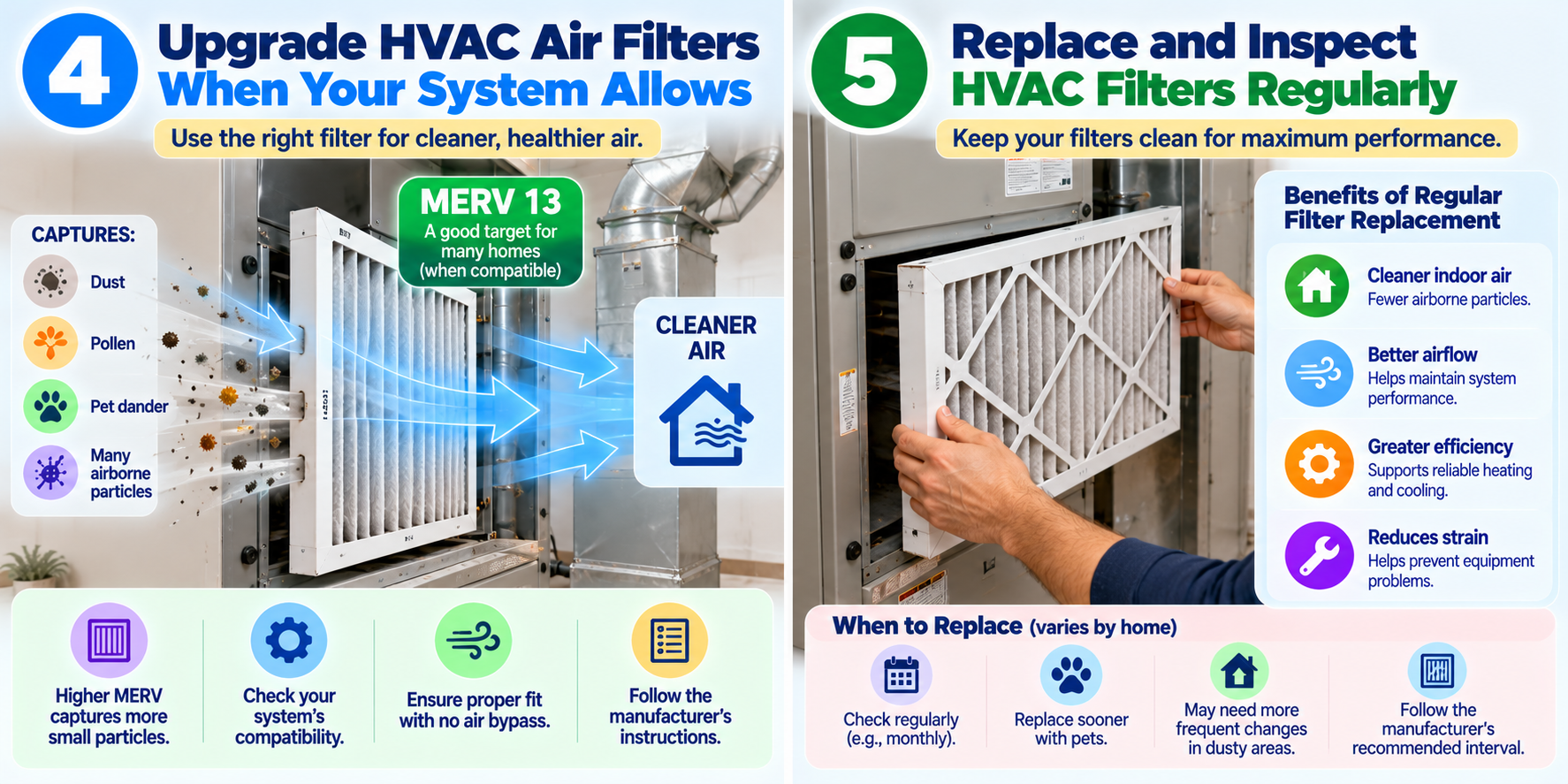
Even a suitable HVAC filter becomes less effective as a maintenance strategy when it is neglected. Filters accumulate particles during operation, and excessive loading can increase resistance to airflow. Depending on the equipment, this may contribute to reduced comfort, higher operating demands, or equipment problems.
There is no universal replacement interval that works for every household. Filter type, thickness, system runtime, pets, household dust, and outdoor pollution conditions all influence how quickly replacement becomes necessary.
Some disposable filters may require attention after relatively short periods of heavy operation, while larger media filters may have longer recommended service intervals. The manufacturer’s instructions should remain the starting point.
I recommend inspecting accessible filters regularly and recording replacement dates. Homeowners should also confirm the correct filter size and orientation, because gaps around the frame can allow air to bypass the filter media.
Portable air purifiers can provide additional particle removal in bedrooms, living rooms, and other frequently occupied spaces. Devices using effective mechanical filtration, including genuine HEPA filters, can reduce many airborne particles when operated with adequate airflow.
However, the term HEPA alone does not establish whether a purifier is suitable for a particular room. A small device may have excellent filter media but deliver insufficient clean airflow to meaningfully reduce particles in a large space. I recommend comparing the Clean Air Delivery Rate, or CADR, with the room’s dimensions and intended use. Noise, energy consumption, replacement-filter availability, and the operating speed occupants will realistically tolerate also matter. A portable purifier should be positioned according to manufacturer guidance, with intake and outlet pathways unobstructed. It should also operate consistently enough to provide the intended cleaning benefit.
Remember that particle filtration cannot correct a plumbing leak, unsafe combustion, radon intrusion, or every gaseous contaminant. Air purifiers work best as supplements to source control and ventilation.
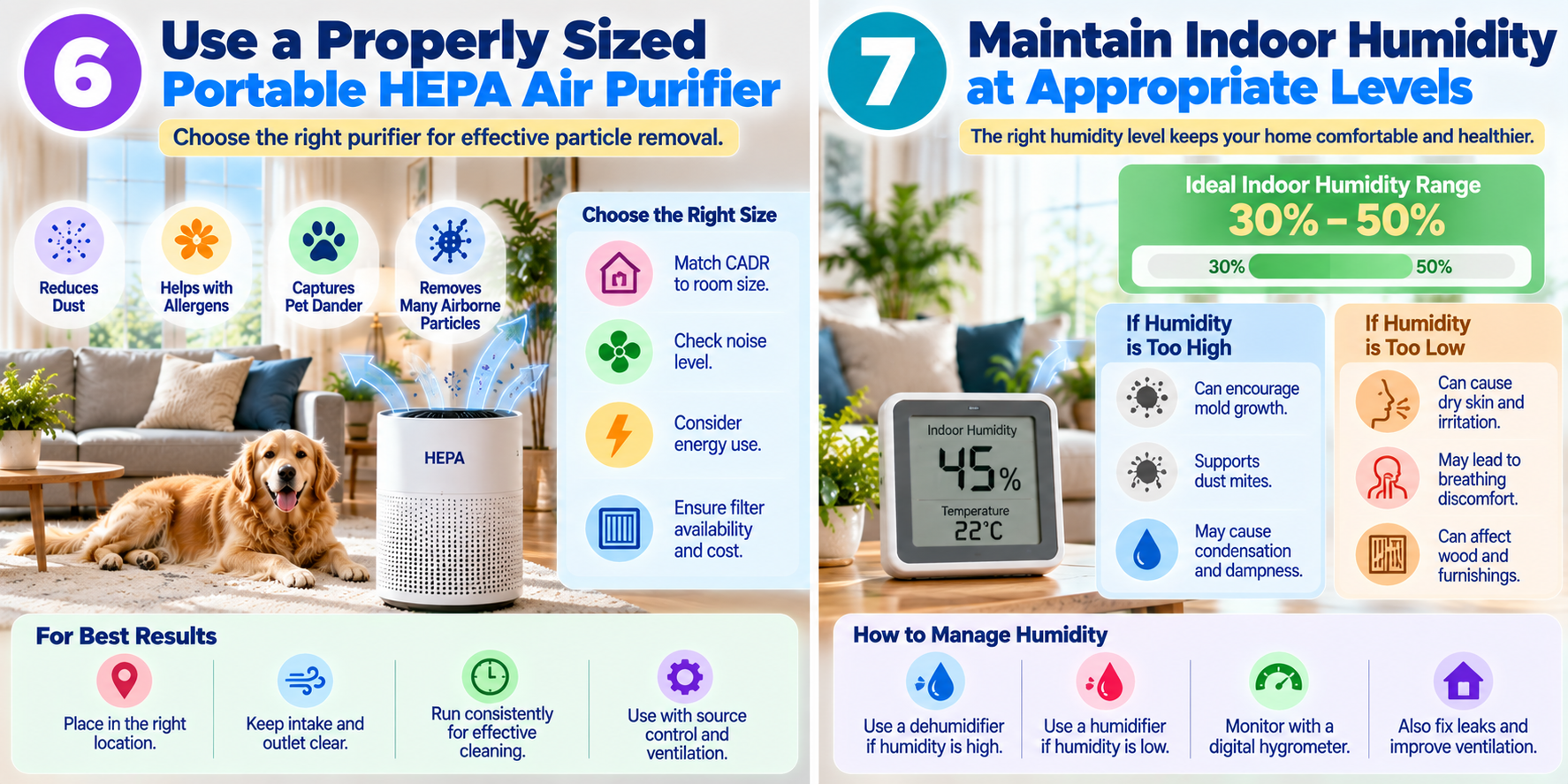
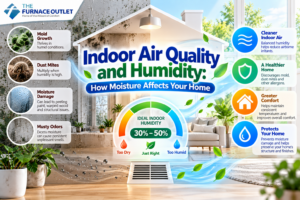
Humidity affects comfort, building materials, and the conditions that support biological contaminants. Excessive indoor moisture can encourage mold growth and dust mites, while very dry air may contribute to discomfort.
The EPA generally recommends maintaining indoor relative humidity around 30%–50%, although the most appropriate operating range depends on outdoor temperatures, building insulation, and condensation risk. During cold weather, some homes may need lower humidity to prevent moisture accumulation on cold surfaces. A digital hygrometer provides a convenient way to monitor conditions. I recommend measuring humidity in frequently occupied rooms and investigating persistent condensation, damp odors, or visible moisture damage.
Dehumidifiers may help in persistently humid spaces, while humidifiers may be useful when indoor air is excessively dry. Both require cleaning and maintenance, and neither should be used as a substitute for correcting leaks or inadequate ventilation.
Moisture control is one of the most important indoor air quality measures because damp materials can support mold growth. Leaking pipes, roof damage, flooding, condensation, and poorly maintained condensate drainage systems can all create suitable conditions. Mold may develop on drywall, wood, carpeting, insulation, and other susceptible materials when moisture remains available. Musty odors, water stains, and visible growth should prompt investigation rather than being concealed with fragrance products.
I recommend repairing water intrusion promptly, drying affected materials appropriately, and ensuring that bathrooms, kitchens, and other moisture-producing spaces have suitable ventilation. Small, accessible areas of mold may sometimes be addressed using appropriate EPA guidance, but extensive contamination, sewage-related damage, or difficult-to-access growth can require professional assessment and remediation.
A portable HEPA purifier may capture some airborne mold particles, but it cannot remove contamination growing inside building materials or prevent recurrence while the moisture source remains.
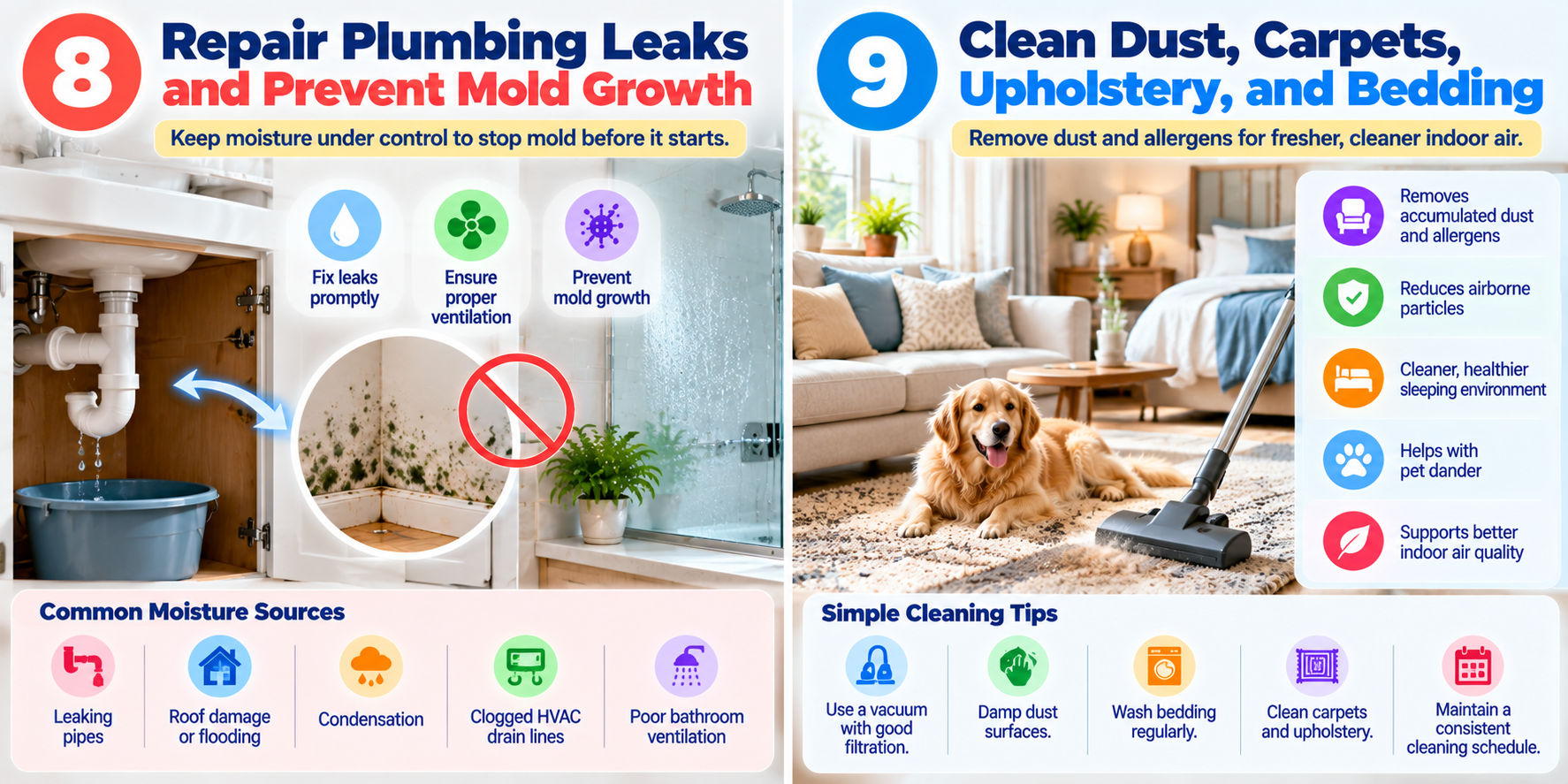
Household dust accumulates on floors, furniture, mattresses, and fabrics before becoming airborne again through movement and cleaning. It may contain textile fibers, skin flakes, pollen, tracked-in soil, and other indoor and outdoor particles. Regular cleaning reduces the amount of material available for resuspension. Vacuum cleaners with effective filtration can help capture particles, while damp dusting generally reduces the tendency to redistribute settled dust compared with dry sweeping.
Bedrooms deserve particular attention because occupants spend extended periods near bedding and upholstered materials. Washing bedding according to fabric-care instructions and maintaining clean sleeping surfaces can help reduce accumulated allergens. I recommend establishing a realistic cleaning schedule rather than relying on occasional intensive cleaning. The goal is to reduce ongoing particle accumulation while avoiding cleaning practices that unnecessarily release additional dust or chemical vapors.
Dogs, cats, and other household pets can contribute skin particles, saliva-associated proteins, and materials carried on their coats. Some allergenic particles remain airborne, while others accumulate in carpets, bedding, furniture, and other surfaces. Visible pet hair is only one part of the issue. A room can contain allergenic material even when little hair is noticeable, and individual sensitivities vary considerably.
Regular grooming, cleaning pet bedding, maintaining suitable HVAC filtration, and vacuuming upholstered surfaces can help reduce accumulated contaminants. Properly sized portable HEPA air cleaners may provide additional airborne particle removal in rooms where pets spend substantial time. I recommend considering the entire household environment rather than relying on a single device. Families experiencing persistent allergic symptoms should seek appropriate medical guidance because effective exposure management may require individualized measures.
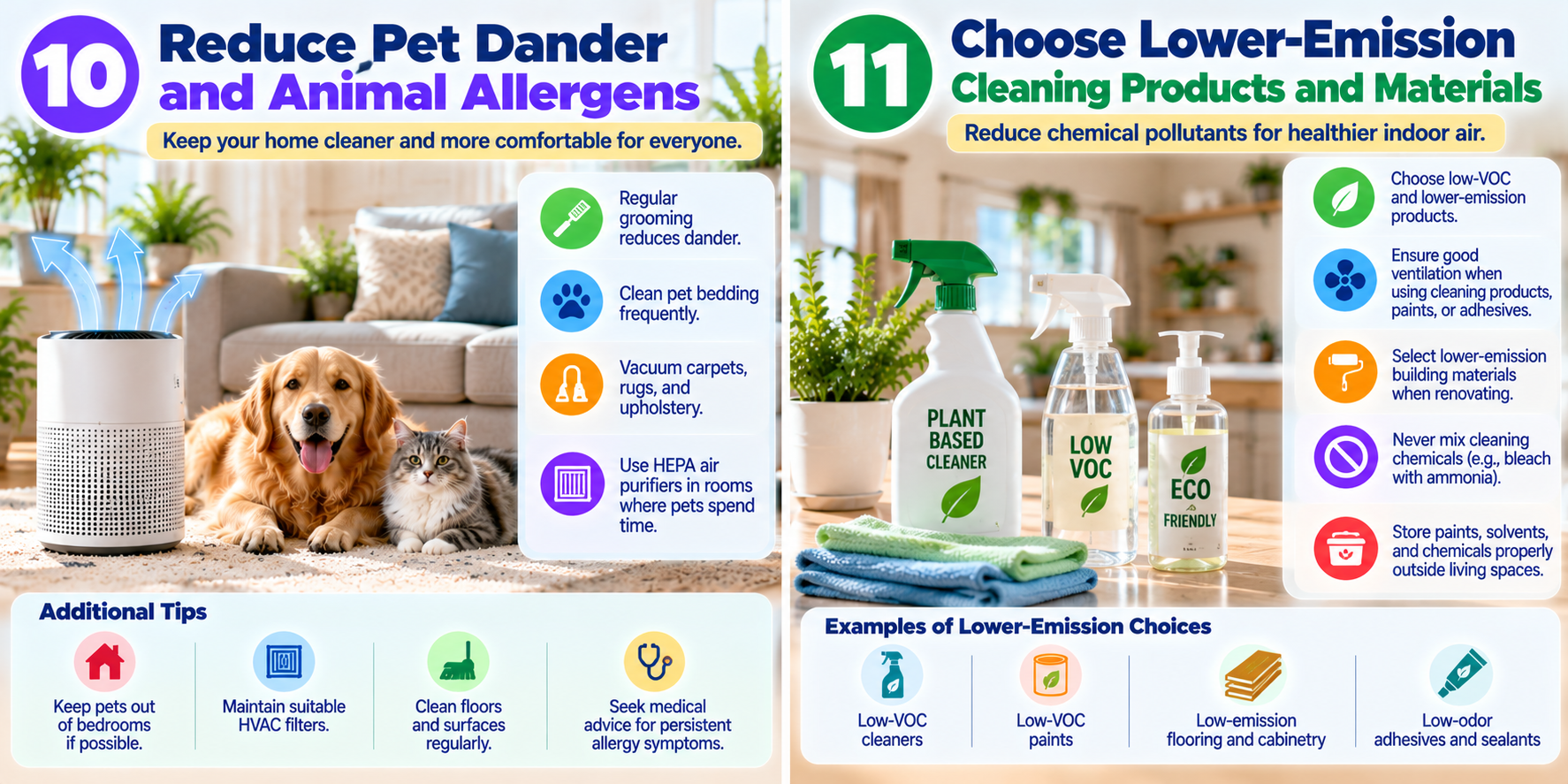
Cleaning products, paints, adhesives, furniture, and building materials can release volatile organic compounds or other chemical substances into indoor air. Emission characteristics differ significantly among products, and some compounds may be present even when odors are minimal. Homeowners can reduce avoidable exposure by selecting products that meet recognized emissions standards, following application instructions, and providing suitable ventilation during activities that release vapors.
When renovating, I recommend reviewing product information before purchasing flooring, cabinetry, adhesives, or coatings. Lower-emission materials may be particularly useful in bedrooms and other frequently occupied spaces. Cleaning chemicals should never be mixed unless the manufacturer explicitly directs it. Combining bleach with ammonia-containing or acidic products can release hazardous gases.
I also recommend storing paints, solvents, and other chemicals appropriately rather than keeping unnecessary quantities in occupied living spaces.
Indoor tobacco smoke is a significant avoidable source of airborne particles and harmful chemicals. Secondhand smoke exposure is associated with serious health risks, and smoke residues can remain on surfaces and furnishings after visible smoke disappears. Vaping also introduces aerosols and chemical substances into indoor environments, although its emissions differ from conventional tobacco smoke. Neither should be treated as a method of improving indoor air quality.
I recommend maintaining a smoke-free indoor environment and keeping smoking and vaping away from doors, windows, and ventilation intakes where emissions could reenter the building. Air purifiers and ventilation may reduce some airborne contaminants, but they cannot eliminate all exposure associated with indoor smoking. Preventing the emissions from entering occupied spaces is the more effective strategy.
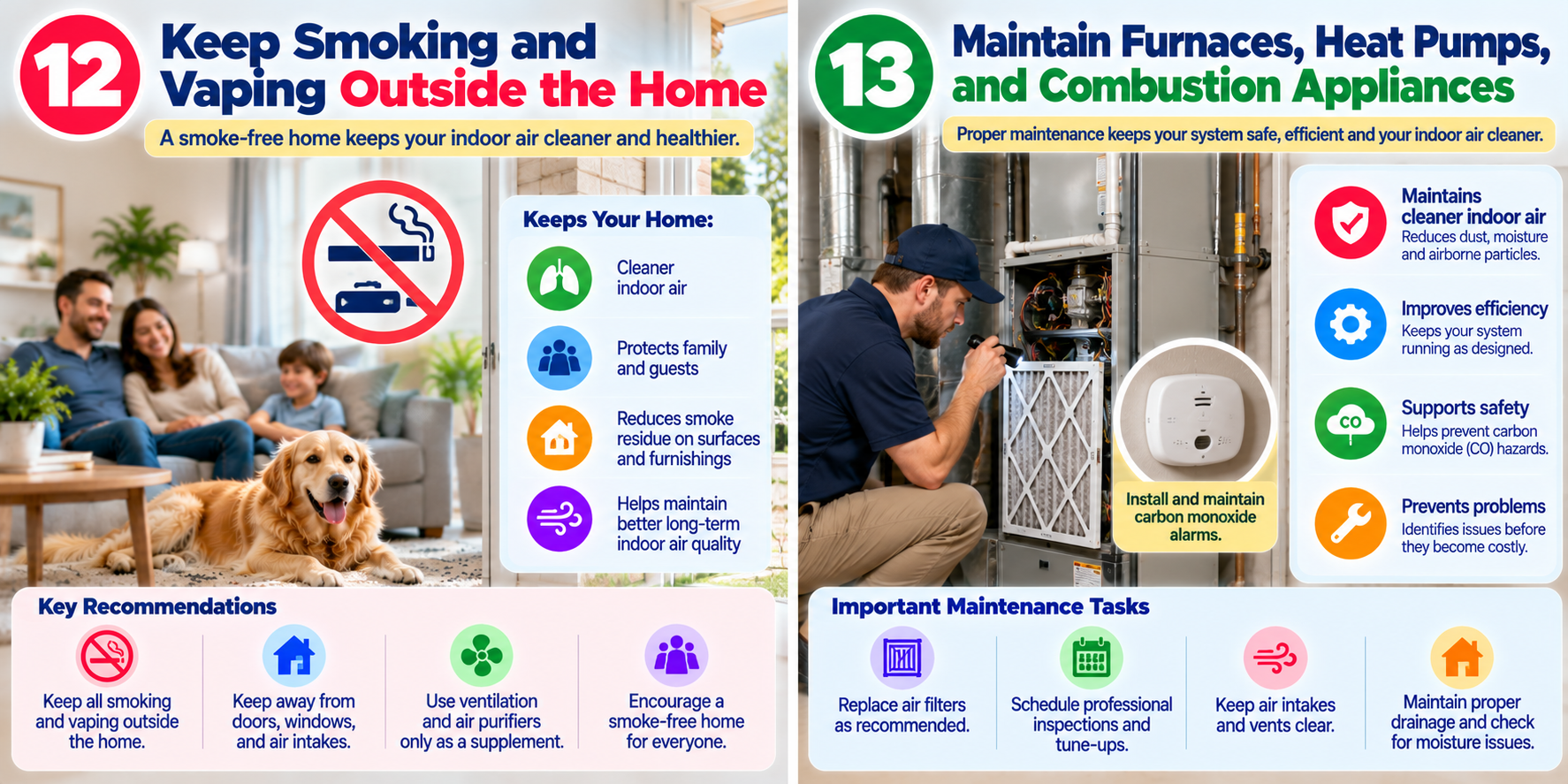
Heating and cooling systems influence indoor air quality through airflow, filtration, moisture management, and, for fuel-burning equipment, combustion safety. Poor maintenance may contribute to airflow restrictions, dirty components, condensate problems, or unsafe operating conditions. Gas furnaces, boilers, fireplaces, and other fuel-burning appliances require particular attention because improper combustion or venting can create carbon monoxide hazards. Carbon monoxide is colorless and odorless, making it impossible to identify reliably through ordinary observation.
I recommend following manufacturer maintenance schedules, arranging professional inspections where appropriate, and installing listed carbon monoxide alarms in suitable locations. Homeowners should keep combustion-air and venting pathways unobstructed without attempting hazardous repairs themselves. For air conditioners and heat pumps, maintenance should also address drainage, coils, electrical components, and system performance. If a carbon monoxide alarm activates or exposure is suspected, occupants should evacuate immediately and contact emergency services from a safe location.
Modern homes may be designed to reduce uncontrolled air leakage for improved energy efficiency. Although this can lower heating and cooling losses, tightly sealed buildings still need appropriate ventilation to manage pollutants generated indoors. Many residential furnaces and air conditioners primarily recirculate indoor air. Operating the HVAC fan does not automatically introduce fresh outdoor air unless the system includes suitable ventilation equipment.
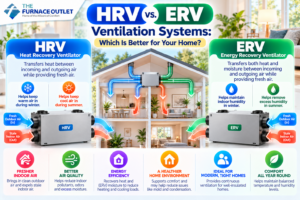
Depending on the home, whole-house mechanical ventilation may provide more consistent outdoor-air exchange. Heat recovery ventilators (HRVs) and energy recovery ventilators (ERVs) are among the technologies that may be considered, although their suitability depends on climate, building characteristics, and system design. I recommend evaluating existing kitchen and bathroom exhaust systems before investing in more complex equipment. A qualified HVAC professional can assess ventilation needs, outdoor-air filtration, humidity implications, and potential interactions with combustion appliances.
More outdoor air is not always better. During wildfire smoke events or periods of severe outdoor pollution, uncontrolled ventilation can increase indoor particle exposure. Ventilation strategies should account for outdoor conditions and the building’s specific requirements.
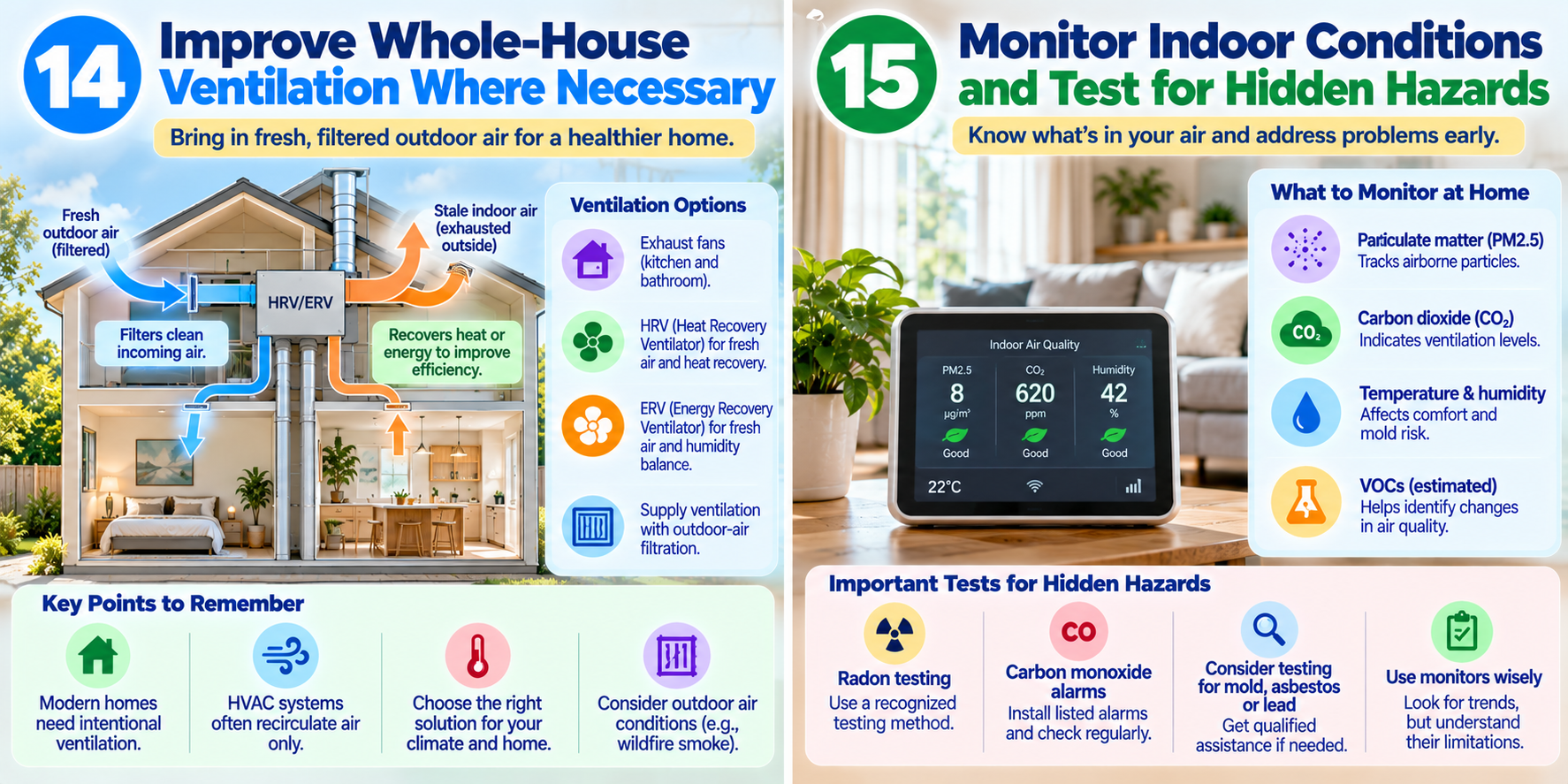
Indoor air quality monitors can help homeowners understand changes in particulate matter, temperature, humidity, carbon dioxide, and certain estimated chemical measurements. These devices are most useful for observing trends and identifying activities associated with recurring pollution increases. However, consumer sensors have limitations involving accuracy, calibration, and the pollutants they can detect. A low reading on a general-purpose monitor does not establish that every indoor contaminant is absent.
Carbon dioxide measurements may provide information about ventilation patterns, but they do not replace broader air quality assessment. Likewise, consumer VOC measurements generally cannot identify every individual chemical or determine whether a specific exposure is hazardous. Some important hazards require dedicated testing. Radon, for example, is a naturally occurring radioactive gas that can enter homes through ground-contact pathways. Testing is necessary to determine whether mitigation is appropriate.
I recommend using recognized radon testing methods, maintaining listed carbon monoxide alarms, and obtaining qualified assistance for suspected asbestos, lead-based paint, significant mold contamination, or other specialized hazards.
Improving indoor air quality should be treated as an ongoing household practice rather than a one-time equipment purchase. Homeowners can begin by reducing obvious pollution sources, verifying that kitchen and bathroom exhaust systems function correctly, and checking whether HVAC filters are suitable for their equipment.
The next priority is monitoring moisture and maintaining clean indoor surfaces. Regular attention to humidity, plumbing leaks, bedding, carpets, and pet-related allergens can reduce conditions that contribute to persistent indoor pollution. Professional inspections should address equipment safety and performance when appropriate, particularly for fuel-burning heating systems and mechanical ventilation equipment. Specialized hazards require their own testing and corrective measures.
I recommend keeping a simple record of filter changes, HVAC servicing, moisture problems, and major indoor air quality improvements. This makes it easier to identify recurring issues and determine whether a particular intervention has addressed the original concern.
The fastest effective improvement depends on the source of pollution. Removing indoor smoke, operating an effective kitchen exhaust hood, or reducing a specific particle-generating activity may produce an immediate reduction in emissions. A properly sized portable air cleaner may also reduce airborne particles, but it cannot correct every type of indoor pollution.
MERV 13 is a useful target for many compatible residential HVAC systems because it can capture more fine particles than lower-efficiency filters. However, homeowners must verify that their equipment can accommodate the filter without excessive airflow restriction. Filter design, size, installation, and system operation are also important.
A properly sized HEPA air purifier can be useful for reducing airborne particles in bedrooms, living rooms, and other frequently occupied spaces. Its value depends on CADR, room size, noise, runtime, and maintenance. It should supplement source control and ventilation rather than replace them.
Opening windows can dilute indoor pollutants when outdoor air is suitable, but it may worsen particle exposure during wildfire smoke, heavy traffic pollution, or other outdoor air quality events. Homeowners should consider both indoor pollution sources and outdoor conditions before increasing natural ventilation.
Houseplants can provide aesthetic and personal benefits, but ordinary numbers of plants have not been shown to replace effective residential ventilation or filtration. Laboratory demonstrations of pollutant uptake do not necessarily translate into meaningful whole-room cleaning under normal household conditions.
Replacement frequency depends on the filter, manufacturer guidance, system runtime, and household conditions. Homes with pets, substantial dust, or heavy HVAC use may need more frequent inspections. Homeowners should check filters regularly rather than relying on one universal replacement interval.
The EPA generally recommends maintaining indoor relative humidity around 30%–50%. The appropriate level may be lower during cold weather if condensation develops on windows or other surfaces. A hygrometer can help homeowners monitor conditions and adjust moisture-control measures.
Persistent moisture damage, visible mold, recurring unusual odors, combustion concerns, and significant changes in indoor pollutant measurements may justify further investigation. Some hazards, including radon and carbon monoxide, cannot be reliably identified by smell or appearance. Appropriate testing and professional evaluation are essential when specialized hazards are suspected.
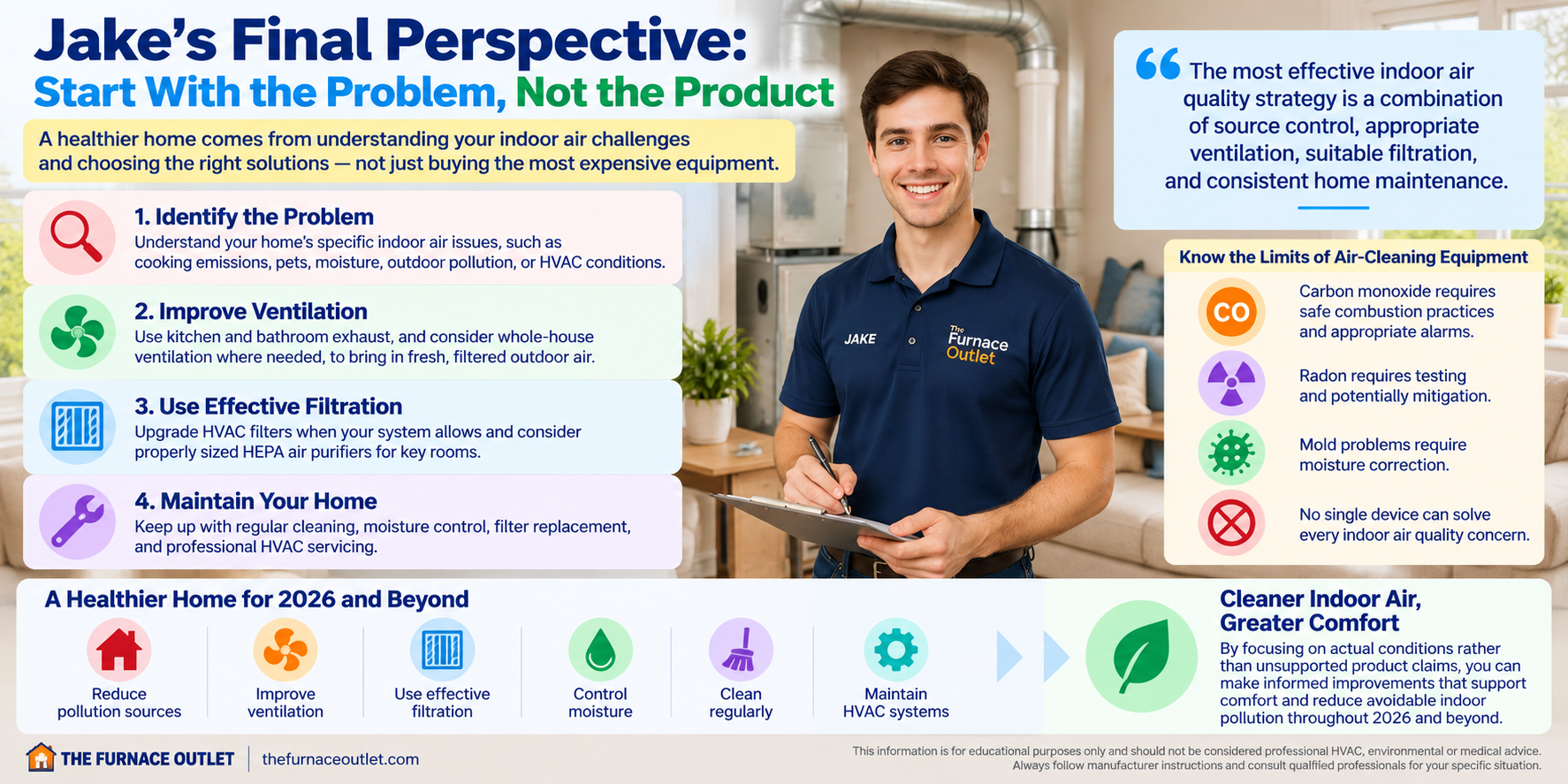
When homeowners ask me how to improve indoor air quality, I recommend beginning with the conditions inside their homes rather than immediately purchasing the most expensive air purifier or filtration system. Cooking, cleaning, pets, moisture, outdoor pollution, and HVAC operation all influence indoor air, and different pollutants require different solutions.
My preferred approach is to eliminate avoidable pollution sources first, provide suitable ventilation second, and use effective filtration to reduce remaining airborne particles. Consistent cleaning, moisture control, filter maintenance, and professional HVAC servicing help support these measures over time.
I also encourage homeowners to recognize the limits of ordinary air-cleaning equipment. Carbon monoxide requires safe combustion practices and appropriate alarms, radon requires testing and potentially mitigation, and mold problems require moisture correction. No single device can solve every indoor air quality concern.
The most effective indoor air quality strategy is a combination of source control, appropriate ventilation, suitable filtration, and consistent home maintenance. By focusing on actual conditions rather than unsupported product claims, homeowners can make informed improvements that support comfort and reduce avoidable indoor pollution throughout 2026 and beyond.
This article is intended for general educational purposes and does not replace professional HVAC inspection, environmental testing, medical evaluation, or applicable building-code requirements. Indoor air quality conditions vary by building, climate, equipment, pollutant source, and individual sensitivity. No filtration or ventilation system can guarantee the elimination of every indoor contaminant or prevent every health problem.
If a carbon monoxide alarm activates or exposure is suspected, leave the building immediately and contact emergency services from a safe location. Suspected radon, asbestos, lead-based paint, significant mold contamination, and combustion hazards should be addressed using appropriate testing methods and qualified professionals.
The Furnace Outlet provides independent HVAC educational content. References to public agencies, research organizations, and industry standards do not imply affiliation or endorsement.
U.S. Environmental Protection Agency — Introduction to Indoor Air Quality. Background on indoor pollutant sources, exposure, and common indoor environmental concerns.
https://www.epa.gov/indoor-air-quality-iaq/introduction-indoor-air-quality
U.S. Environmental Protection Agency — Improving Indoor Air Quality. Explains source control, ventilation, and air cleaning as complementary approaches to reducing indoor pollution.
https://www.epa.gov/indoor-air-quality-iaq/improving-indoor-air-quality
U.S. Environmental Protection Agency — Air Cleaners and Air Filters in the Home. Guidance on residential filtration, portable air cleaners, and equipment-selection considerations.
https://www.epa.gov/indoor-air-quality-iaq/air-cleaners-and-air-filters-home
U.S. Environmental Protection Agency — A Brief Guide to Mold, Moisture and Your Home. Practical recommendations for controlling moisture and addressing mold problems.
https://www.epa.gov/mold/brief-guide-mold-moisture-and-your-home
World Health Organization — WHO Global Air Quality Guidelines (2021). Health-based guidelines covering particulate matter and several important gaseous air pollutants.
https://www.who.int/publications/i/item/9789240034228
ASHRAE — Standard 62.2: Ventilation and Acceptable Indoor Air Quality in Residential Buildings. Technical framework for residential ventilation requirements and indoor air quality considerations.
https://www.ashrae.org/technical-resources/standards-and-guidelines
U.S. Centers for Disease Control and Prevention — Carbon Monoxide Poisoning Prevention. Safety information concerning carbon monoxide exposure, poisoning, and prevention.
https://www.cdc.gov/carbon-monoxide
© 2026 The Furnace Outlet | https://thefurnaceoutlet.com
Independent HVAC education for a more comfortable, efficient, and informed home.