Newsletter Subscribe
Enter your email address below and subscribe to our newsletter

HVAC made simple
By Tony Marino (Tony the Trusted Tech)
The Furnace Outlet | Updated October 2026
When temperatures drop below freezing and your heat pump suddenly stops delivering warm air, the compressor is one of the first components homeowners worry about. You might hear the outdoor fan running without the familiar compressor sound, notice that the thermostat keeps calling for heat, or discover that the outdoor unit is completely silent. Sometimes the equipment hums briefly before shutting down, while other times it appears to make repeated attempts to start without successfully entering normal heating operation.
After decades of working with residential HVAC equipment, I’ve learned that a compressor that will not start is not necessarily a failed compressor. A heat pump depends on electrical controls, safety devices, refrigerant conditions, sensors, and manufacturer-programmed operating sequences. A problem anywhere in that chain can prevent compressor operation, even when the compressor itself is mechanically sound.
Cold weather introduces additional complications. Certain heat pumps have minimum operating-temperature limits, while others use crankcase heating, startup delays, inverter controls, and protective logic to manage winter operation. A system that remains off temporarily may be protecting itself rather than experiencing a permanent mechanical failure.
The important task is to distinguish normal protective behavior from an actual equipment fault. In this guide, I’ll explain why compressors sometimes refuse to start in winter, which warning signs deserve attention, how technicians identify the underlying cause, and what homeowners can safely check before arranging service.
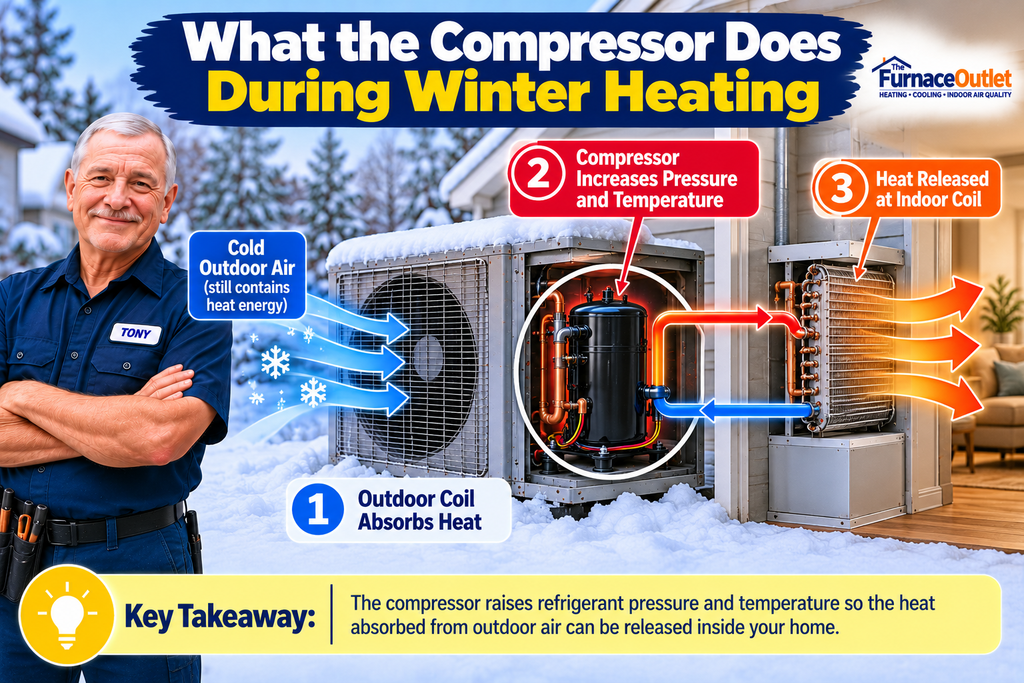
The compressor is central to the heat pump’s refrigeration cycle. During heating operation, the outdoor coil absorbs thermal energy from outside air, while the compressor raises the refrigerant’s pressure and temperature so that heat can be released through the indoor heat exchanger. Although winter air feels cold, it still contains usable thermal energy. A properly designed air-source heat pump can extract that energy and deliver useful heating at temperatures well below freezing, provided the equipment operates within its rated conditions.
Without a functioning compressor, a conventional vapor-compression heat pump cannot perform its normal refrigerant-based heating process. The indoor blower may still operate, and some systems can activate auxiliary electric heat, but the refrigeration circuit will not deliver its usual heating output. Modern cold-climate heat pumps often use inverter-driven compressors that adjust operating speed according to demand. Conventional single-stage compressors generally operate with simpler on-and-off control. These differences affect startup behavior, electrical requirements, diagnostic procedures, and the sounds homeowners hear during operation.
For this reason, I never diagnose a compressor problem based on noise alone. Some modern equipment operates quietly at low speeds, and a compressor that appears inactive may simply be waiting for an authorized operating command.
Yes, but the explanation depends on the equipment. Cold weather can expose existing electrical and mechanical weaknesses, alter refrigerant pressures, affect lubrication conditions, and trigger manufacturer-defined operating restrictions. Some heat pumps are designed to operate at extremely low outdoor temperatures, while others have more limited heating ranges. A unit operating outside its approved conditions may reduce output, restrict compressor operation, or rely on backup heating. Certain systems also require specific startup conditions before allowing the compressor to operate. These may involve crankcase heating, pressure equalization, minimum off-time requirements, sensor readings, or inverter-control checks.
A compressor that does not start immediately after a thermostat adjustment is therefore not automatically defective. However, a system that repeatedly fails to start, displays fault codes, or cannot maintain indoor temperature requires investigation. The correct starting point is always the manufacturer’s published operating limits and service documentation for the exact model.
Before investigating expensive components, I check whether the thermostat is actually requesting compressor-based heating. An incorrect operating mode, thermostat setting, communication problem, or control configuration can prevent the outdoor equipment from receiving the expected command. Many heat pumps include an anti-short-cycle delay that prevents rapid compressor restarting. This protects equipment from repeated starts before operating pressures and control conditions have stabilized. After a power interruption or thermostat adjustment, the compressor may remain off temporarily even though the indoor blower or other equipment is active. The length of the delay varies by manufacturer and system design.
Some thermostats also activate auxiliary or emergency heating under certain conditions. In emergency heat mode, a properly configured system may intentionally disable the outdoor compressor and rely on a separate heating source. Homeowners should verify the thermostat mode and displayed messages before assuming the compressor has failed. A system operating intentionally in emergency heat behaves differently from one attempting normal heat pump operation.
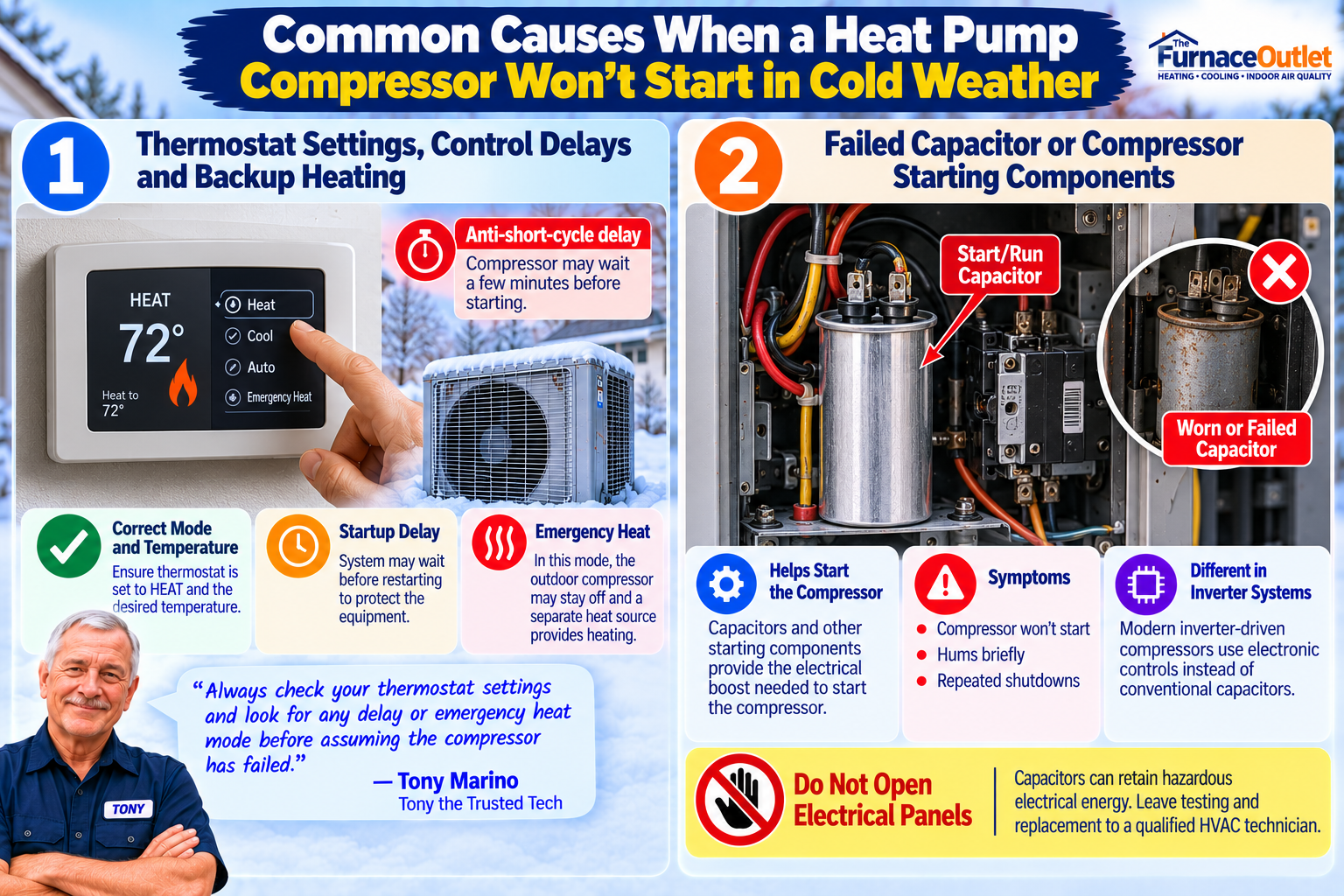
Some conventional single-phase compressors use capacitors and associated starting components to support motor operation. When these components deteriorate, the compressor may struggle to start, hum briefly, or trigger protective shutdowns. A failed capacitor can produce symptoms similar to those of a damaged compressor, making accurate diagnosis especially important. Replacing a compressor when the actual problem is an external electrical component would be an unnecessarily expensive mistake.
However, not every heat pump uses the same starting arrangement. Inverter-driven compressors rely on electronic power conversion and control systems rather than the conventional start-and-run arrangements found in many older units. Technicians must identify the compressor and electrical design before testing. Measurements and replacement procedures appropriate for a conventional compressor may be unsuitable for an inverter-driven system. Capacitors can retain hazardous electrical energy after power has been disconnected. Homeowners should never open electrical compartments, discharge capacitors, or attempt compressor starting tests.
The compressor requires a reliable electrical supply and the correct operating command. Damaged contactors, defective relays, loose terminals, wiring problems, or supply-voltage abnormalities can prevent startup. Winter conditions may expose connections that have deteriorated over time. Moisture intrusion, corrosion, temperature changes, and repeated equipment cycling can contribute to electrical reliability problems. A compressor that receives insufficient or unstable voltage may fail to start or operate under damaging conditions. In other cases, a protective device may prevent the compressor from being energized at all.
The technician should establish whether the system is requesting compressor operation and whether the necessary electrical conditions are present. Repeatedly resetting a tripped breaker is not a diagnostic procedure. A breaker that trips again may indicate a significant electrical fault requiring prompt professional evaluation.
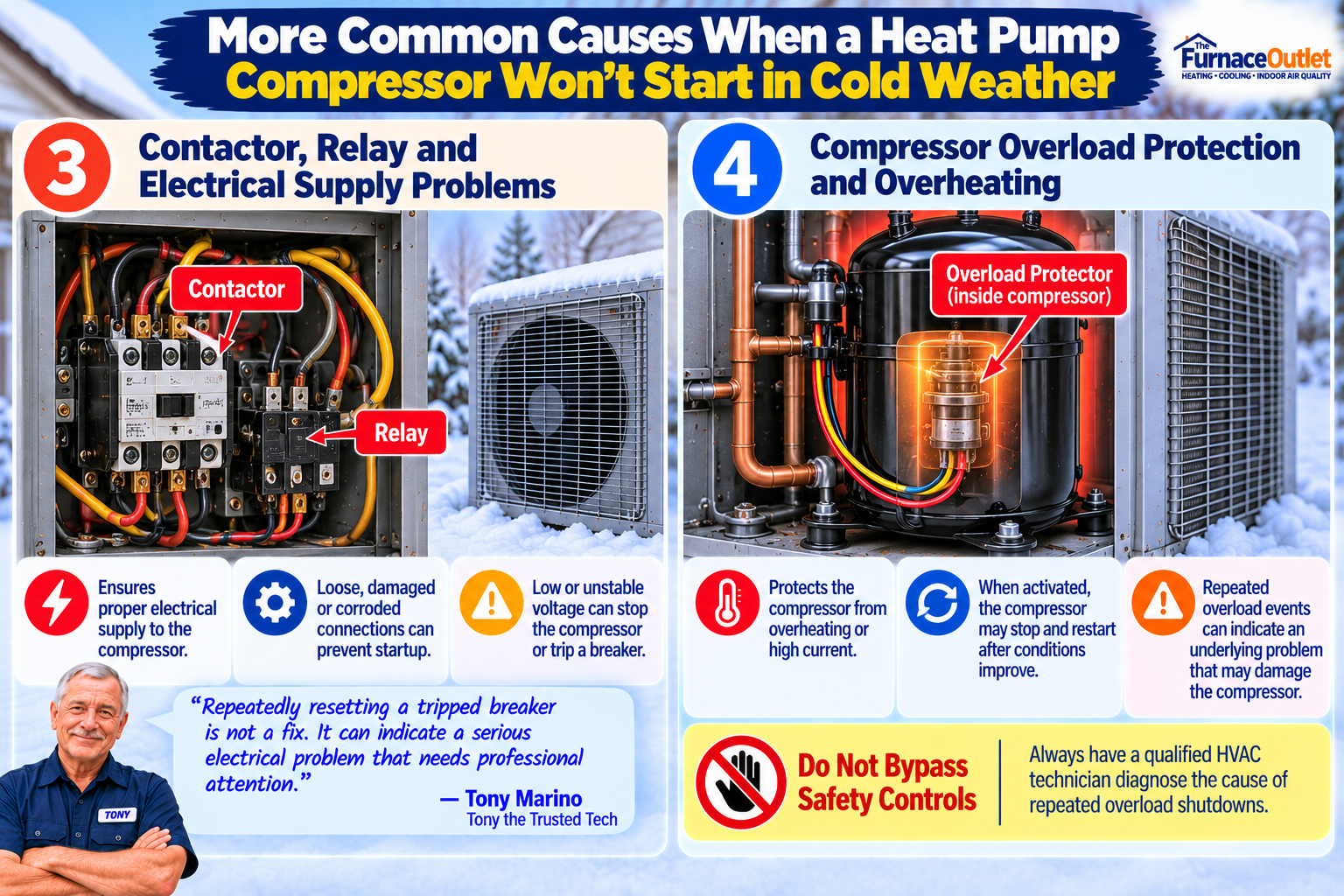
Many compressors incorporate protective devices or electronic controls that respond to excessive temperature, abnormal current, or other operating conditions. When protection activates, the compressor may stop and remain unavailable until conditions permit another attempt. Depending on the design, the system may automatically retry or require a specific reset procedure.
Although the problem becomes noticeable during cold weather, the original cause may not be low outdoor temperature. Electrical deficiencies, abnormal refrigerant conditions, internal mechanical problems, or repeated unsuccessful starts can contribute to protective shutdowns. A technician should determine why the protection activated rather than simply waiting for the compressor to restart. Repeated overload events are especially concerning because they may indicate an unresolved condition that could eventually damage the compressor.
A heat pump’s compressor operates within a refrigeration circuit whose pressures and temperatures change with indoor and outdoor conditions. Low refrigerant charge, restrictions, metering-device problems, or other refrigerant-system abnormalities can interfere with heating performance and may cause protective controls to interrupt compressor operation.
In cold weather, these problems can become more noticeable because the heat pump is already working under demanding operating conditions. A system with insufficient refrigerant may struggle to absorb and transfer heat effectively, while restrictions can produce abnormal pressure and temperature relationships. However, a compressor that will not start does not automatically indicate low refrigerant. Adding refrigerant without a complete diagnosis can create additional problems and conceal the actual fault. A qualified technician should evaluate the refrigeration system using model-specific procedures, relevant pressure and temperature measurements, and the equipment’s operating history.
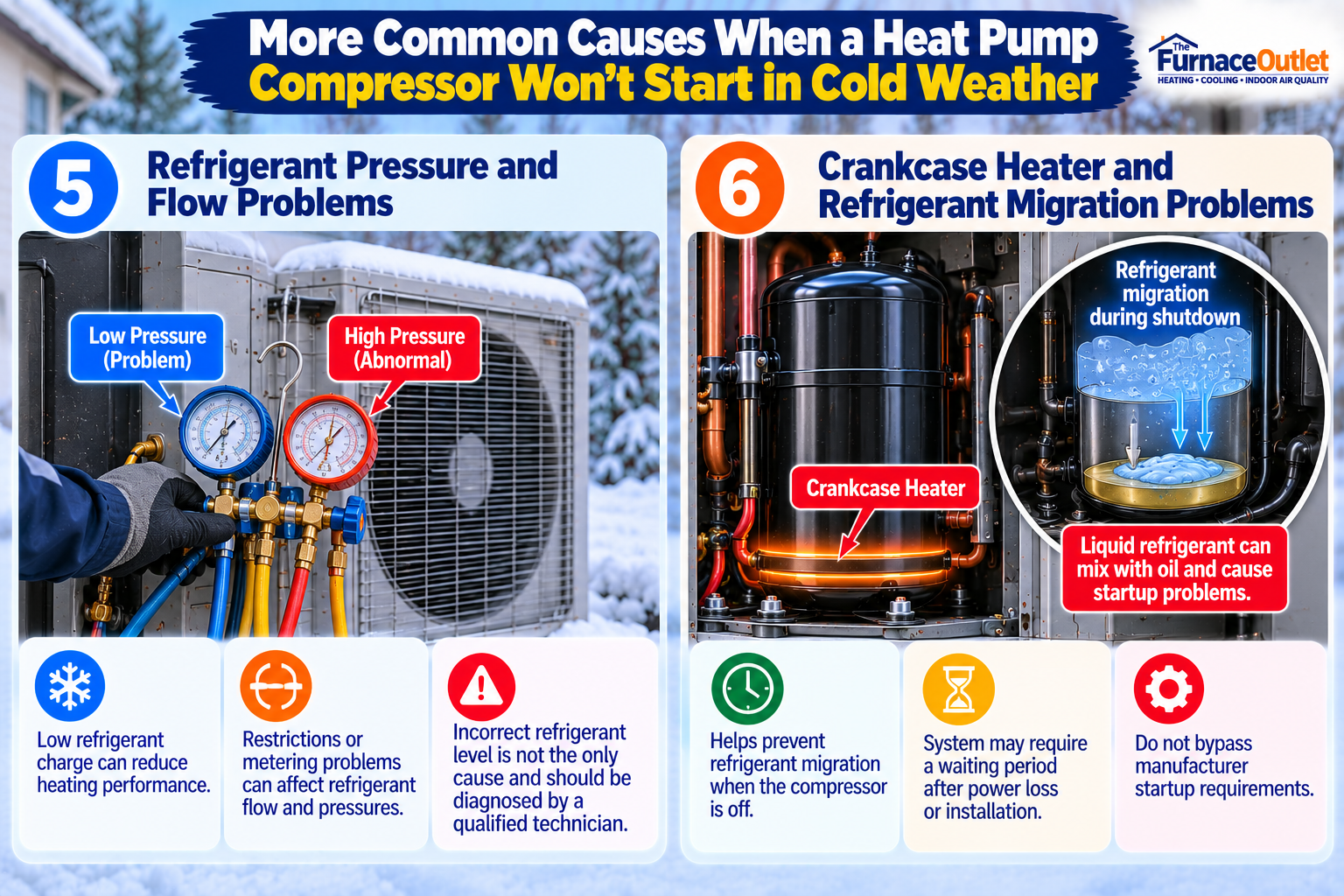
Some heat pumps use crankcase heaters or other compressor-protection strategies to manage refrigerant migration during periods when the compressor is not operating. Under certain conditions, refrigerant can migrate toward the compressor and interact with its lubricant. If excessive liquid refrigerant is present during startup, the compressor may experience lubrication problems or mechanical stress. Crankcase heating can help reduce this risk on equipment designed to use it. However, not every heat pump has the same crankcase heater arrangement, and modern systems may use different protection strategies.
After extended power interruptions or during initial commissioning, certain manufacturers specify waiting periods or other procedures before compressor operation is permitted. These requirements should never be bypassed simply to restore heating more quickly. A technician investigating cold-weather startup problems should verify whether the equipment’s compressor-protection features are functioning as intended.
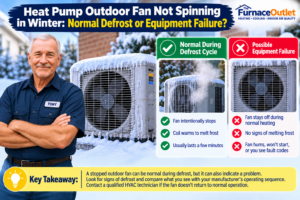
Defrost operation adds another layer of complexity to winter heat pump troubleshooting. During normal reverse-cycle defrost, many systems continue operating the compressor while temporarily changing refrigerant flow and stopping the outdoor fan. Other equipment may use different control sequences. A homeowner who notices changing outdoor sounds or a temporary interruption in heating may mistakenly believe the compressor has stopped working.
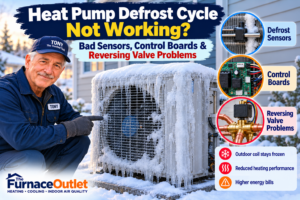
However, defective temperature sensors, control-board problems, reversing valve faults, or unsuccessful defrost sequences can also create abnormal operating conditions. Some systems may enter protective shutdowns when expected defrost conditions are not achieved or when relevant sensor readings fall outside acceptable limits. The technician should establish whether the compressor is being intentionally controlled, whether the defrost sequence is functioning correctly, and whether any protective faults have been recorded.
Modern variable-speed heat pumps often use inverter electronics to regulate compressor motor operation. These controls convert and manage electrical power to operate the compressor at different speeds, improving part-load efficiency and allowing the equipment to respond to changing heating demand. If the inverter module, associated sensors, communication circuits, or electrical supply develops a fault, the compressor may fail to start even though the compressor itself is mechanically intact.
Possible symptoms include repeated startup attempts, diagnostic fault codes, unexpected shutdowns, or an outdoor unit that appears energized but does not produce heating. Inverter troubleshooting requires specialized procedures. Incorrect electrical testing can damage components or expose the technician to dangerous voltages. I strongly recommend manufacturer-specific diagnosis before authorizing replacement of an inverter board or compressor, because these components can be expensive and their symptoms sometimes overlap.
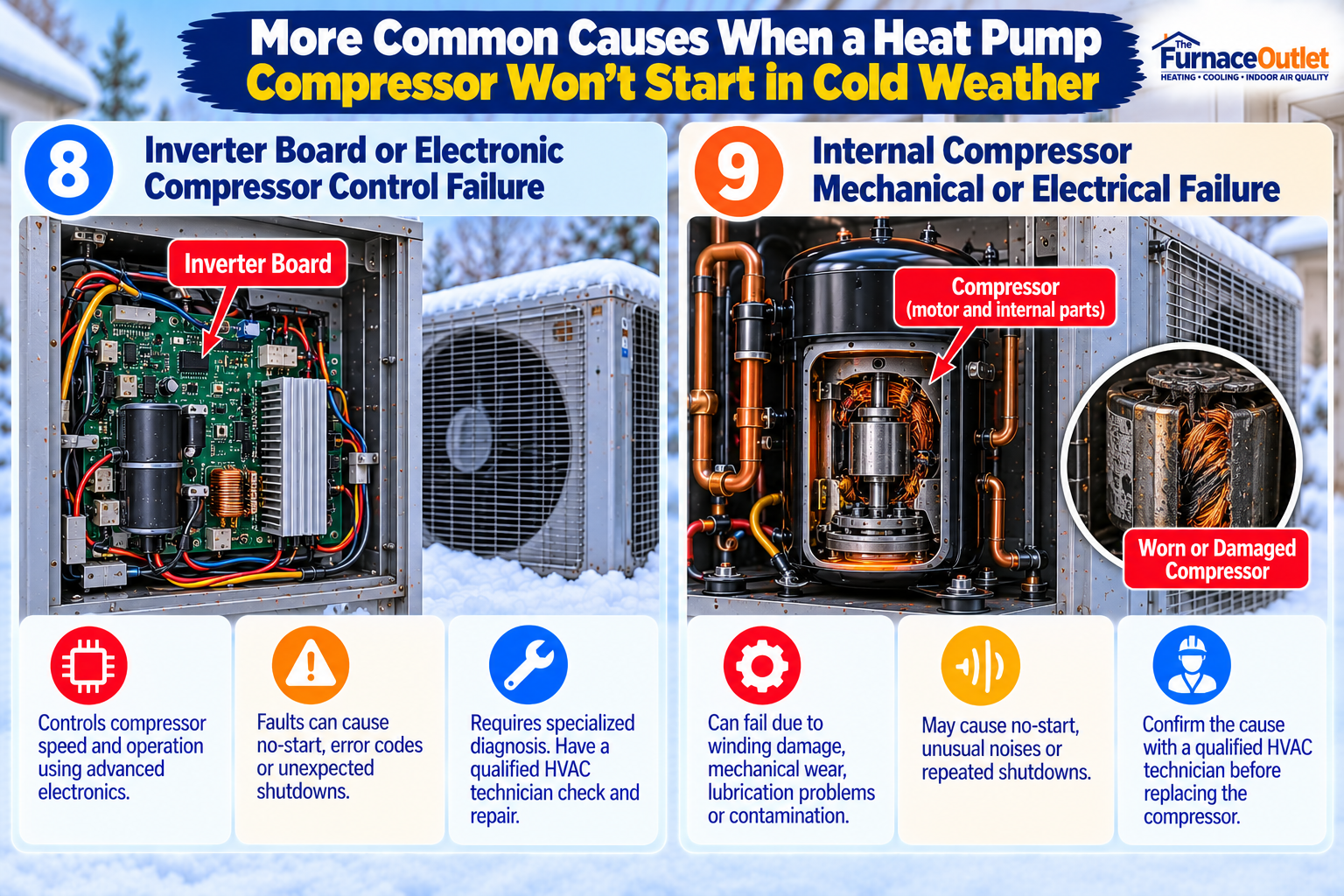
A compressor can eventually fail internally because of winding damage, insulation deterioration, mechanical wear, lubrication problems, contamination, or prolonged operation under unfavorable conditions. An electrically damaged compressor may trigger protective devices or prevent normal startup. A mechanically damaged compressor may make unusual noises, fail to develop expected operating conditions, or be unable to rotate properly. However, these symptoms are not sufficient to prove internal compressor failure without testing.
A technician should verify the electrical supply, external controls, compressor protection, and applicable starting components before concluding that the compressor requires replacement. On inverter systems, the electronic drive and compressor must be evaluated using the manufacturer’s approved procedures. If internal compressor failure is confirmed, the repair assessment should also investigate what caused the damage. Installing a replacement compressor without correcting the underlying problem may lead to another failure.
One important warning sign is repeated unsuccessful startup. The outdoor unit may attempt to operate, produce a brief humming or unusual mechanical sound, and then stop before delivering useful heat. Another concern is repeated breaker tripping or electrical fault messages. These symptoms may indicate electrical or compressor-related problems and should not be ignored. A heat pump that runs its indoor blower but produces little or no heat may also have a compressor issue, although thermostat settings, auxiliary heating, airflow restrictions, and control problems can produce similar results.
Unusual grinding, knocking, or other severe mechanical noises deserve immediate attention. A compressor should not be allowed to continue attempting operation when a serious mechanical fault is suspected. Persistent diagnostic codes, repeated protective shutdowns, and a noticeable decline in heating performance are additional reasons to schedule professional service. The important distinction is between a single unusual observation and a consistent pattern of abnormal operation. A proper diagnosis considers the complete operating sequence.
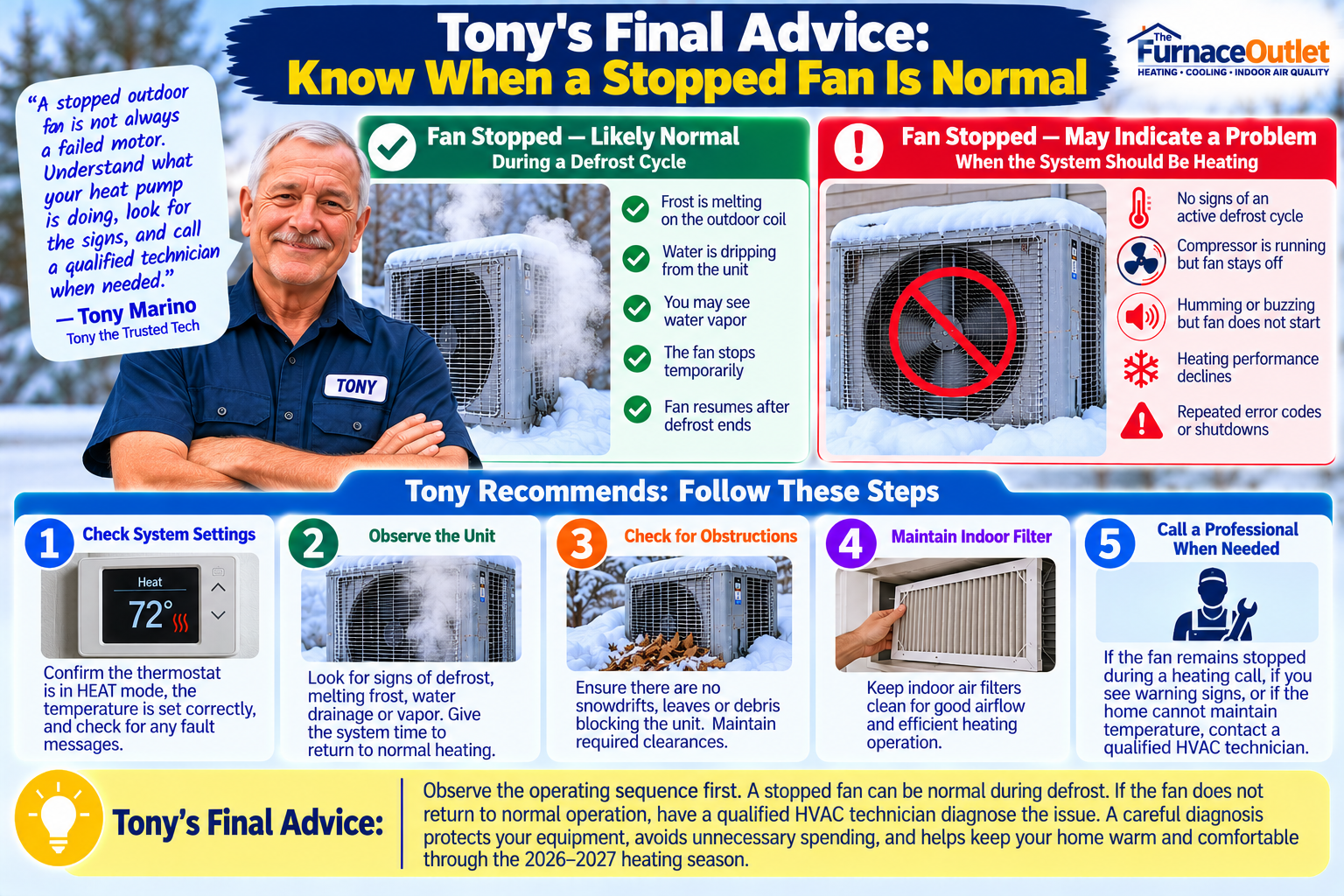
Start with the thermostat. Confirm that the system is set to heating, the requested temperature is appropriate, and emergency heat has not been selected unintentionally. Check for displayed fault messages and record any error codes. If the system recently experienced a power interruption, consult the manufacturer’s instructions regarding startup delays. Inspect the indoor air filter and maintain it according to the equipment’s requirements. Restricted airflow can affect heating performance and may contribute to abnormal system operation.
From a safe distance, observe whether the outdoor fan is operating, whether frost is melting, and whether the system appears to be performing a defrost cycle. Check for excessive snow accumulation or debris around the outdoor unit without reaching through protective grilles or opening equipment panels. If the equipment repeatedly trips a breaker, produces a burning smell, makes severe mechanical noises, or displays persistent faults, stop operation safely and contact a qualified technician. Never attempt to jump-start the compressor, bypass protective switches, open electrical compartments, or manipulate refrigerant connections.
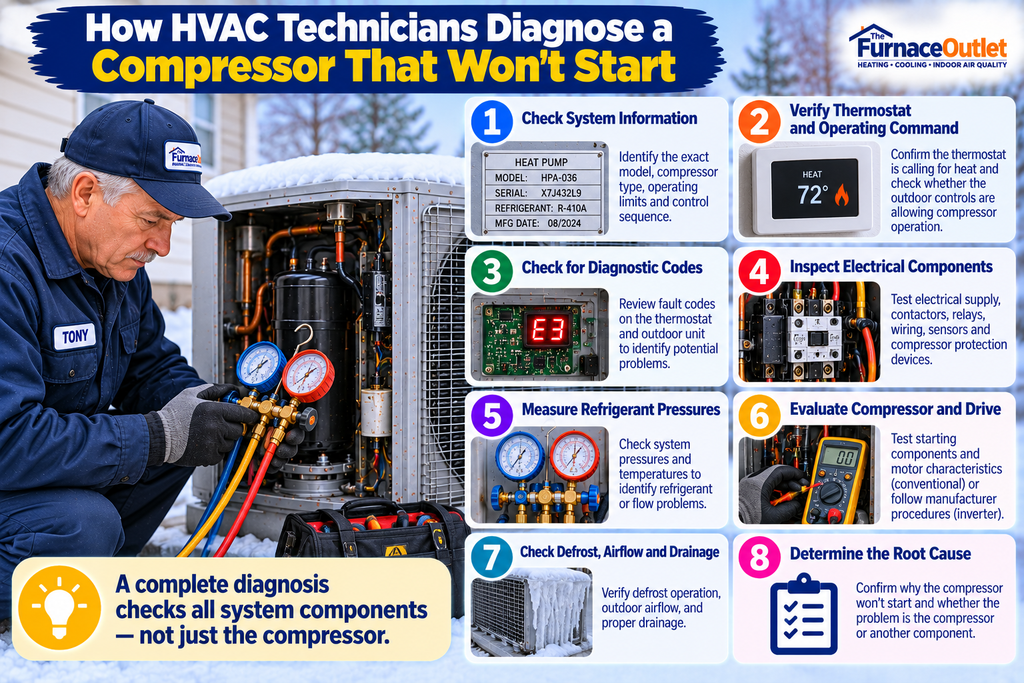
A reliable diagnosis begins with identifying the exact heat pump model, compressor type, operating limits, and control sequence. The technician should confirm the thermostat’s heating request and determine whether the outdoor controls are allowing compressor operation. Next, the technician may examine diagnostic codes, electrical supply conditions, contactors, relays, sensors, and relevant compressor-protection devices. For conventional compressors, applicable starting components and motor electrical characteristics may be evaluated. For inverter-driven equipment, the technician should follow manufacturer-approved drive and compressor diagnostic procedures.
If the compressor starts but heating performance remains poor, refrigeration-system measurements may help identify abnormal operating conditions. The technician should also investigate defrost operation, outdoor airflow, drainage, and any history of repeated protective shutdowns. A complete diagnosis should explain not only why the compressor failed to start, but also whether the problem originated in the compressor or another component.
Some ducted heat pump systems include auxiliary electric resistance heat or another backup heating source. When properly configured, emergency heat mode may allow the home to receive heating without operating the outdoor compressor. However, not every heat pump installation includes emergency heating. Many ductless systems do not have a separate backup heater, and certain installations rely on other heating arrangements.
Electric resistance backup heating may also consume substantially more electricity than an efficiently operating heat pump. Before selecting emergency heat, homeowners should verify their equipment configuration and follow manufacturer or installer instructions. Where available, backup heating should be considered a temporary comfort measure while the underlying compressor or control problem is diagnosed.
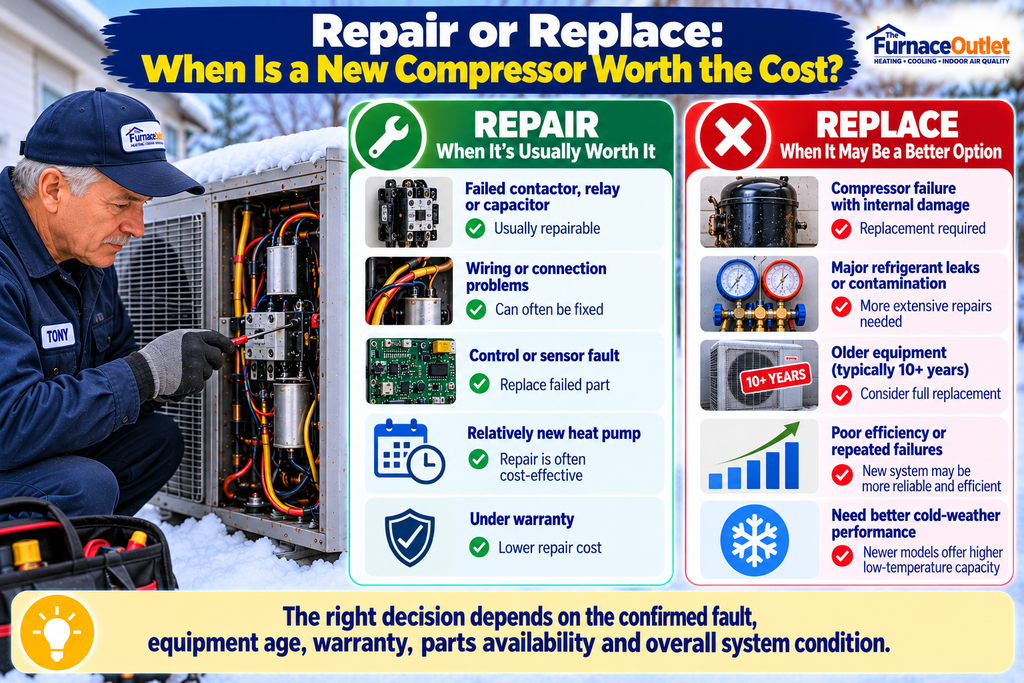
Compressor-related repair decisions depend on the confirmed fault, equipment age, warranty coverage, parts availability, and overall system condition. A failed contactor, capacitor, wiring connection, or isolated control component may be repairable without replacing the compressor. For relatively new heat pumps, replacing a confirmed failed component may provide a cost-effective solution, particularly when the equipment has otherwise operated reliably.
Complete compressor replacement is more involved because it generally requires refrigerant-circuit work, appropriate refrigerant recovery, contamination assessment, leak testing, evacuation, and charging. The technician should also determine whether the original failure created contamination or whether another system problem contributed to the damage. For older equipment with repeated failures, major refrigerant leaks, poor efficiency, or expensive replacement parts, complete heat pump replacement may deserve consideration. When choosing replacement equipment for cold regions, homeowners should compare documented low-temperature heating capacity, efficiency, backup heating requirements, and available service support.
Preventive maintenance cannot eliminate every compressor failure, but it can help identify developing electrical, airflow, control, and refrigeration problems before they become severe. I recommend arranging a professional heating-season inspection that includes reviewing equipment operation, electrical connections, control sequences, and overall heating performance. Indoor filters should be maintained, outdoor airflow should remain unobstructed, and excessive snow or ice accumulation should be investigated promptly.
Homeowners should also pay attention to repeated fault messages, unusual startup noises, and unexpected shutdowns rather than waiting until the system stops heating completely. Where crankcase heaters or other compressor-protection features are installed, technicians should verify their operation according to manufacturer instructions. For inverter-driven equipment, professional service should include the appropriate manufacturer-specific diagnostic procedures. The best winter maintenance strategy is to identify abnormal operation early and correct the underlying cause before it creates additional equipment damage.
A compressor does not normally stop simply because outdoor temperatures fall below freezing. However, cold weather can affect refrigerant conditions, lubrication, controls, and startup requirements. Some equipment also has operating-temperature limits that may restrict compressor operation.
Humming can occur when certain electrical components are energized or when a conventional compressor attempts to start unsuccessfully. Possible causes include starting-component problems, electrical supply deficiencies, protective shutdowns, or internal compressor faults. Professional testing is required to identify the cause.
The equipment may be experiencing a control delay, protective shutdown, inverter fault, or compressor-related problem. Some systems also operate fans independently during certain control sequences. The correct interpretation depends on the equipment model and operating mode.
Yes, on conventional systems that use capacitors as part of the compressor motor circuit. However, modern inverter-driven compressors use different electrical arrangements. The technician must identify the compressor design before recommending capacitor replacement.
It may, if the installation includes a properly configured independent backup heating source. Emergency heat availability and operation vary by system. Homeowners should consult their equipment instructions rather than assuming the feature is present.
Repeated resets are not recommended. Persistent fault codes, electrical trips, or unsuccessful startup attempts may indicate an unresolved problem. Repeated attempts can increase equipment stress or create safety concerns.
No. Thermostat settings, electrical components, controls, sensors, protective devices, and inverter electronics can prevent compressor operation. A qualified technician should confirm internal compressor failure before recommending replacement.
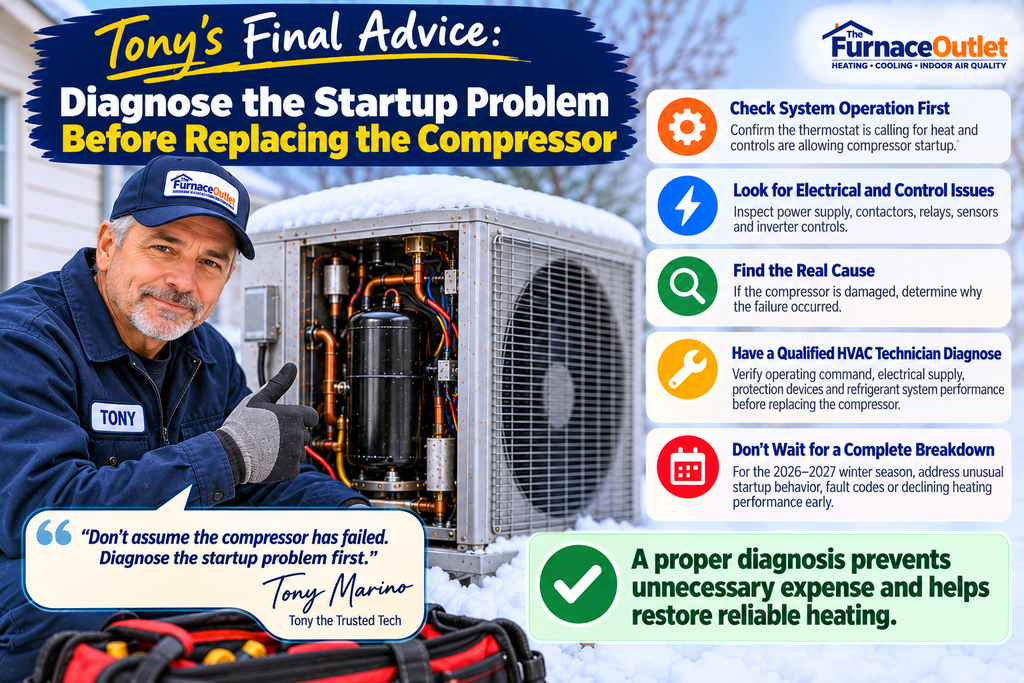
When a heat pump compressor refuses to start during cold weather, I do not begin by assuming the compressor has reached the end of its life. I first want to understand what the equipment is being asked to do and whether its controls are permitting startup. A compressor may remain off because of a normal delay, a protective shutdown, a thermostat configuration, an electrical problem, or an inverter-control fault. Each possibility requires a different repair, and several can produce nearly identical symptoms.
If the compressor itself is damaged, I want to know why. Electrical deficiencies, refrigerant problems, lubrication conditions, and other system faults can contribute to compressor failure. Replacing an expensive component without addressing the original cause may lead to another breakdown. My recommendation is to have a qualified HVAC technician verify the operating command, electrical supply, compressor-protection conditions, control electronics, and refrigerant-system performance before authorizing compressor replacement. A systematic diagnosis reduces unnecessary expense and improves the likelihood of restoring dependable heating.
For the 2026–2027 winter season, pay attention to unusual startup behavior, persistent fault codes, and declining heating performance. Early professional evaluation is far preferable to discovering a serious compressor problem during the coldest night of the year.
This article is intended for general educational purposes and does not replace manufacturer instructions or professional HVAC service. Compressor troubleshooting can involve high-voltage electrical circuits, capacitors, inverter electronics, pressurized refrigerants, and moving mechanical components. Homeowners should not open service panels, bypass safety devices, attempt electrical measurements, or work on refrigerant circuits without appropriate qualifications.
In the United States, covered refrigerant-service activities must comply with applicable EPA Section 608 requirements. Always follow equipment-specific service procedures and local regulations.
1. U.S. Department of Energy — Air-Source Heat Pumps. Explains how air-source heat pumps operate and how modern systems provide heating in cold climates.
https://www.energystar.gov/products/air_source_heat_pumps
2. U.S. Department of Energy — Heat Pump Systems. Provides background on heat pump technology, operating principles, and residential heating applications.
https://www.energy.gov/heat-pumps
3. ENERGY STAR — Heat Pump Maintenance Checklist. Covers recommended professional maintenance and inspection of heating and cooling equipment, including controls, electrical connections, and airflow.
https://www.energystar.gov/saveathome/heating-cooling/maintenance-checklist
4. ENERGY STAR — Air-Source Heat Pumps. Provides information on heat pump efficiency, equipment selection, and heating performance.
https://www.energystar.gov/products/air_source_heat_pumps
5. Northeast Energy Efficiency Partnerships — Cold Climate Air Source Heat Pump Resources. Offers resources for evaluating heat pumps intended to operate in colder climates, including low-temperature performance considerations.
https://neep.org/heating-electrification/ccashp-specification-product-list
6. U.S. Environmental Protection Agency — Section 608 Technician Certification Requirements. Explains certification requirements for technicians performing covered refrigerant-related service activities.
https://www.epa.gov/section608/section-608-technician-certification-requirements
These resources provide general technical and maintenance guidance. Exact compressor operating limits, fault-code meanings, electrical test procedures, and repair requirements must always be verified against the current manufacturer documentation for the specific heat pump model.