
Why Understanding “How to Hook Up AC Unit” Matters More Than Buying the Right Equipment
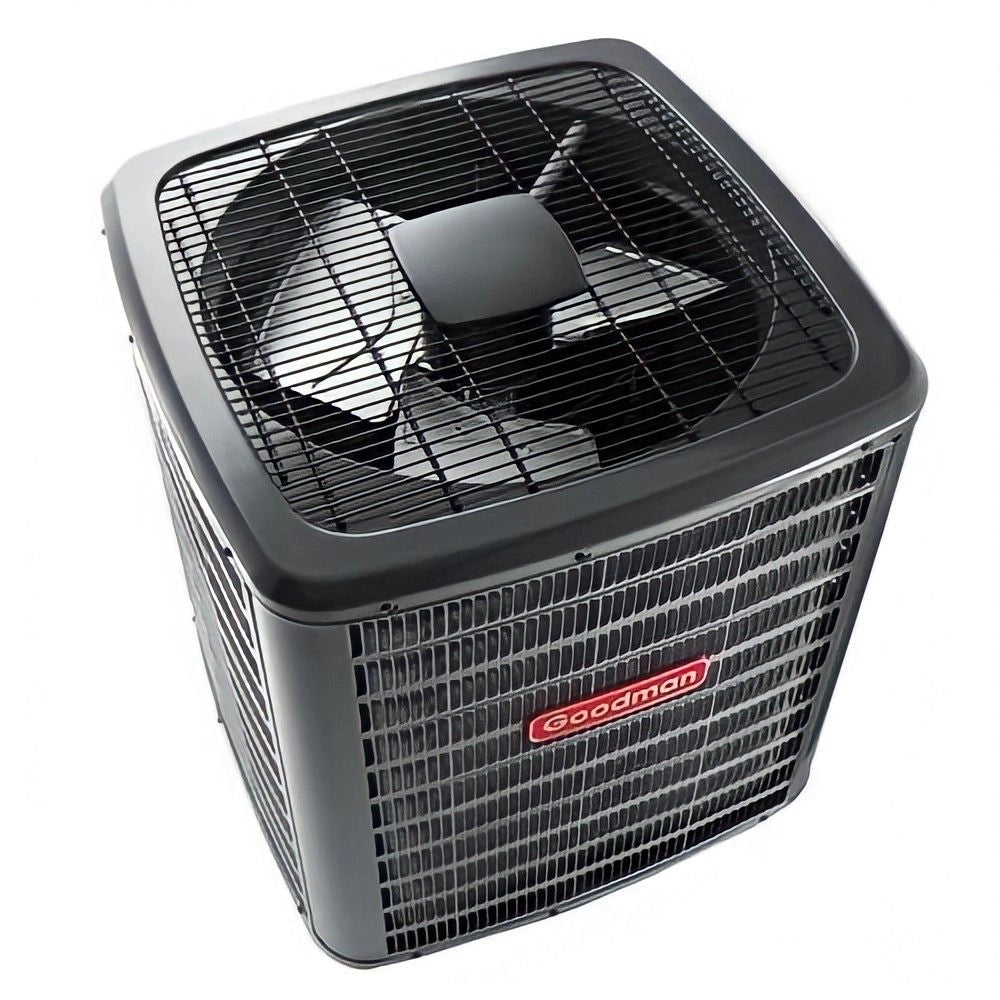
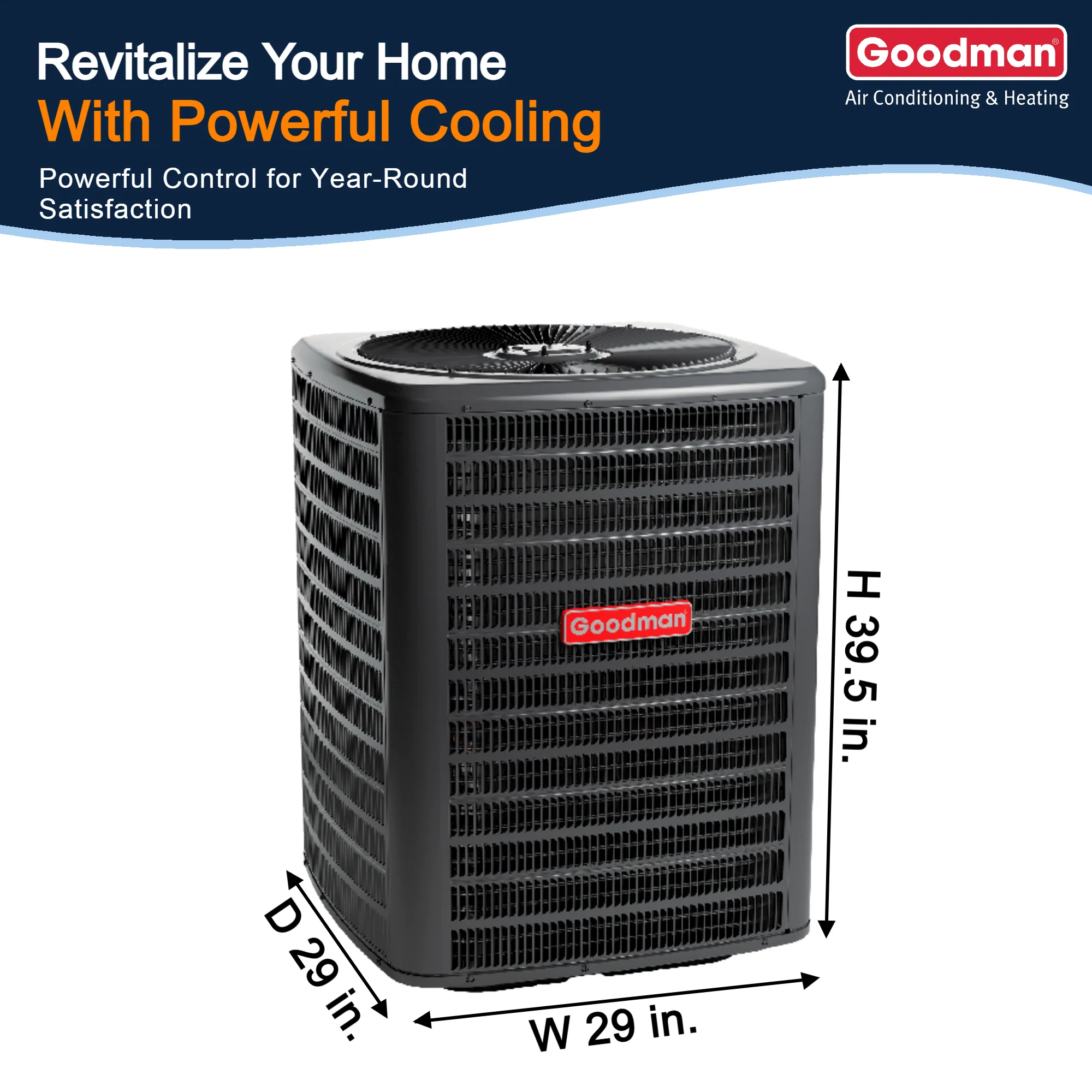
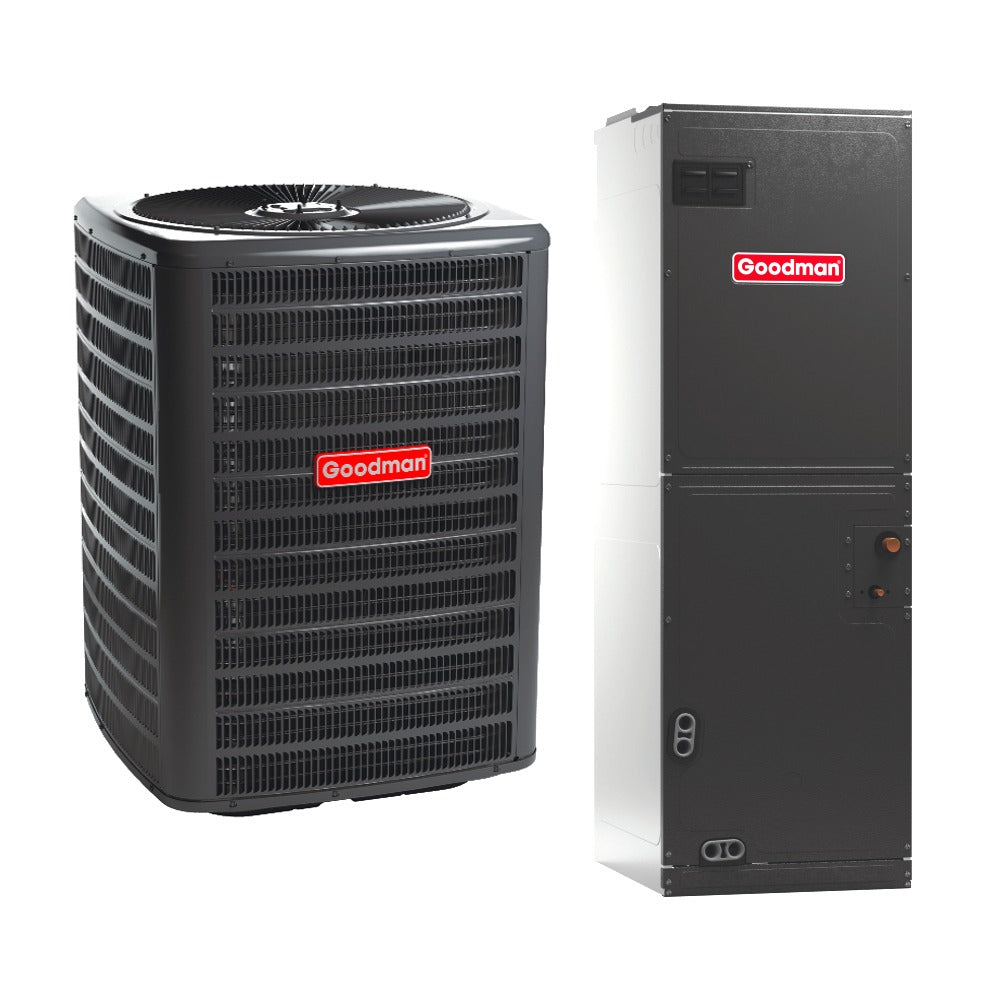
Buying a high-quality AC — like the Goodman 3 Ton bundle — is only half the job. The other half is installation. A poorly installed system can underperform, fail early, or even pose safety risks. That’s why knowing how to hook up an AC unit correctly is critical.
With matched systems like Goodman’s (condenser + air handler/coil + matched capacity), you avoid compatibility problems that arise when mixing parts — but only if the install is done right.
In essence, hooking up an AC is more than plug-and-play: it involves mechanical, electrical, and refrigerant work. Get any part wrong — and you risk leaks, inefficiency, or outright failure.
So: treat installation as seriously as the equipment itself.
Before You Start: What You Must Know and Prepare
System Matching & Sizing
First, ensure the system is properly sized for your home. Oversized units may short-cycle; undersized ones struggle to cool adequately. Professionals often perform a load calculation (a “Manual J”) based on your home’s square footage, insulation, windows, climate, and layout.
If you have ductwork already, that helps — but duct condition, sizing, and sealing matter. Poor ducts can kill efficiency.
Permits, Codes, and Professional Requirements
Installing a central AC is not just a home‑improvement weekend project. It often involves:
-
High‑voltage electrical wiring and a dedicated breaker/disconnect, per code.
-
Refrigerant line hookups, evacuation (vacuum), leak testing, and charging — tasks that in many jurisdictions require certified technicians. (HVAC.com)
-
Proper placement of indoor and outdoor units (clearances, pad leveling for condenser, condensate drainage, ventilation) to meet manufacturer and building‑code requirements.
Skip permits, cut corners, or try to improvise — and you risk voided warranties, failed inspections, poor performance, or even safety hazards.
Materials and Tools Checklist
If you intend to do partial work (or just understand the install), here’s what’s typically needed: screwdrivers, wrenches, drill, measuring tools, insulation for refrigerant lines, properly sized copper line sets, appropriate electrical wiring and disconnect box, vacuum pump, conduit (if required), duct seals/mastic (if ductwork involved), and ventilation/drainage for condensate lines.
Preparation counts for a lot — clearing the outdoor pad area, leveling the base for the condenser, ensuring enough space for air handler (indoor unit), planning duct layout or air distribution routes if you have ducts, and routing thermostat wiring properly.
Step-by-Step: How to Hook Up an AC Unit / How to Install a C‑Unit / Fitting Aircon & Installing Home Air Conditioner
If I were walking you through installation — whether you’re supervising or doing what’s allowed — here’s how I’d break it down:
1. Site Prep: Outdoor Pad & Indoor Space
-
Outdoor unit pad: Place a level, stable pad (concrete or composite) for the condenser, on compacted soil or stable ground. Make sure it’s level and raised enough to avoid flooding or pooling water.
-
Clearances and airflow: Leave sufficient space on all sides (manufacturer typically recommends at least 12–24 inches or more) for airflow, service access, and ventilation. Also keep clear of exhaust vents, dryer vents, shrubs/debris.
-
Indoor air handler space: Make sure the furnace/air-handler location has enough clearance, is accessible for maintenance (filter changes, coil cleaning), and has a condensate drain path if using a coil/evaporator setup.
2. Positioning & Mounting Units
-
Mount outdoor condenser on pad, ensure level, secure, stable.
-
Install indoor air handler / evaporator coil + blower: in plenum/furnace cavity or dedicated air‑handler space, seal all access and connection points to avoid leaks.
-
Align refrigerant line path: make sure suction and liquid lines (copper) run cleanly between indoor and outdoor units, avoid sharp bends, secure lines to framing or ductwork every 4–6 ft using straps or brackets. (Kliemann Brothers HVAC)
3. Refrigerant Line Connection, Evacuation & Insulation
-
Use properly sized copper line sets (liquid line, suction line) per manufacturer specs. For Goodman 3 Ton, check nameplate for correct line‑set size and refrigerant type (R‑32 in this case).
-
Insulate suction line (cold refrigerant line) with proper insulation to prevent condensation and energy loss. (Logan Services A/C, Heat & Plumbing)
-
Evacuate air and moisture from the line set using a vacuum pump before charging — this is critical. Moisture in lines can cause system damage or severely degrade efficiency.
4. Electrical Connections & Safety Setup
-
Install a properly rated disconnect switch near the outdoor unit, size wiring and breaker per the nameplate requirements (typically 208/230 V single‑phase for many residential condensers).
-
Run thermostat wiring (low-voltage) between air handler/furnace and thermostat location. Mount thermostat away from direct sunlight, drafts, or heat sources for accurate temperature sensing.
-
Ensure all wiring follows local code — proper grounding, conduit or proper insulation if required, and safe routing. (Carrier)
5. Ductwork, Airflow & Supply/Return Design (If Ducted)
-
If your home uses ductwork, inspect existing ducts for leaks, proper sizing, and sealing. Use mastic and mesh tape, not cheap duct tape, for long-term sealing.
-
Verify duct layout supports adequate airflow: supply and return paths must be balanced; avoid sharp bends, long narrow runs, or undersized returns.
-
If new ductwork is required, ensure design follows proper airflow and static pressure principles (often referred to as “Manual D” for duct design) so the blower can circulate air efficiently.
6. Start-Up: Charging, Testing, Commissioning
-
After vacuum evacuation, charge refrigerant per manufacturer specs — this requires exact refrigerant volume and proper pressure, especially with modern refrigerants like R‑32. Incorrect charge affects efficiency and longevity.
-
Run the system: test airflow, temperature drop across evaporator, check for proper condensate drainage, verify outdoor unit fan and compressor operation, ensure no abnormal noise, verify thermostat operation.
-
Once running, observe for a while: ensure stable performance, check that airflow feels balanced in all rooms, confirm no leaks (air, refrigerant, water), and that electrical components aren’t overheating.
7. Final Inspection, Documentation, and Maintenance Setup
-
Confirm permits and inspections (if required) are completed. Many localities require mechanical & electrical permits for HVAC installs.
-
Document model/serial numbers, installation date, line‑set sizes, refrigerant type/charge, and setup details — helpful for warranty and future service.
-
Set up regular maintenance: filter schedule, coil/coil‑area cleaning, duct inspection, checking condensate drain, monitoring refrigerant lines, electrical safety checks.
What DIYers Should Understand — What You Can Do vs What You Shouldn’t
In many DIY‑inspired articles, installing a central air system is portrayed as a doable weekend project. But reality is more complicated. According to HVAC‑industry guidance, full DIY central air installation carries significant risks when not done by licensed professionals.
Here’s a breakdown of what a homeowner might safely handle — and what they really shouldn’t try alone:
Safe / Reasonable DIY‑Friendly Tasks
-
Site preparation: clearing outdoor pad area, leveling pad, preparing mounting location, clearing for indoor air handler.
-
Running low-voltage thermostat wiring (assuming no local code prohibits it, and wiring is basic).
-
Cleaning air filters, maintaining condenser coil, clearing debris, basic preventive upkeep.
-
Helping with duct‑sealing, simple duct inspections, prepping supply grills/registers, verifying airflow paths (if you know what good airflow looks like).
Tasks That Require Professional Skill / Certification
-
Connecting refrigerant line sets, evacuating lines, leak testing, and refrigerant charging — these almost always require certified HVAC technicians (especially handling refrigerants safely and to code).
-
High‑voltage electrical wiring — condenser often needs a dedicated 208/230 V circuit, correct breaker, disconnect, conduit/box per local electrical code.
-
Duct design (if adding or reworking ducts), airflow balancing, static pressure measurements — mistakes here kill efficiency, cause uneven cooling, humidity problems, noisy operation, or stress on system.
-
System testing and commissioning — verifying refrigerant pressures, airflow, condensate drainage, safe operation, proper cycle timing.
As one HVAC‑industry resource plainly puts it: installing central air isn’t like assembling furniture. A single wrong step (wiring, refrigerant, airflow) can turn a “great AC unit” into a headache or hazard.
Common Mistakes When Trying to Install AC Yourself — And How They Hurt
From decades in the field, I’ve seen too many installations go sideways. Here are common mistakes — and why they matter:
-
Skipping evacuation or proper refrigerant charge — leads to moisture or air in system, which causes poor cooling, compressor damage, reduced lifespan.
-
Poor refrigerant line insulation or improper line‑set routing — causes refrigerant loss, inefficiency, condensate problems, and higher energy bills.
-
Improper electrical hookup (wrong breaker size, no disconnect, bad grounding, poor wiring) — risk of electrical fires, short circuits, or system failure.
-
Bad ductwork design or leaks in ducts — results in uneven cooling, humidity issues, wasted energy, hot/cold spots.
-
Poor outdoor unit placement — insufficient clearance, poor airflow, debris buildup — decreases performance, causes overheating, noise, or reduced efficiency.
-
Skipping permits or ignoring code requirements — you might end up with violations, failed inspections, voided manufacturer warranty, and trouble down the road.
All of these issues are avoidable — but only if installation is done carefully, methodically, and with respect for the system’s requirements.
Why Even If You Use a Quality Bundle — Like Goodman 3 Ton 14.5 SEER2 R32 — Installation Quality Still Determines Performance
Buying a well‑matched bundle is smart: because condenser + air handler comes together, you minimize mismatch risks (coil compatibility, refrigerant line size, airflow balance, etc.). But that advantage only counts if the install is done right.
In fact — poor installation can nullify even premium equipment. A 14.5 SEER2 system, badly installed, may perform no better than an old unit from decades past. That’s why the process — placement, wiring, line set, ductwork (if applicable), evacuation/charge, sealing — is often more important than the brand name on the unit.
Also: a correct installation ensures long‑term reliability. Done wrong, you face refrigerant leaks, premature compressor failure, high humidity, energy waste, or frequent breakdowns. That turns your “investment” into a liability.
What I Recommend to Homeowners Considering DIY / Partial DIY — My Professional Advice
If you’re reading this because you’re handy, willing to learn, or just trying to save money — great. But based on what I know:
-
Treat central AC installation as a serious mechanical/electrical job, not a DIY weekend project.
-
If you do decide to DIY: limit yourself to tasks that don’t involve refrigerant or high‑voltage wiring (site prep, pad, basic wiring, duct sealing, filter maintenance, airflow inspection).
-
Hire a licensed HVAC technician (or at least a certified HVAC‑R contractor) for refrigerant line, vacuum & charge, electrical hookup, duct design/airflow balancing, and final commissioning.
-
Always get necessary permits and follow local code. It pays for long-term safety, efficiency, warranty protection, and resale value.
-
Keep good documentation: equipment specs, line‑set size, refrigerant type/charge, installation date, maintenance schedule — crucial for future service, warranty, or sale.
If I were doing this for my own home — I’d probably split the job: I’d do what I can safely (prep, pad, some wiring prep, cleanup), then call in a pro for the core HVAC tasks. That way I get involvement, save some money, but don’t gamble with performance or safety.
Final Thoughts
Learning how to hook up an AC unit, how to install a C unit, how to fit aircon and how to install home air conditioner properly is more than reading a few DIY blog posts or watching tutorials. It’s about respecting the complexity of modern HVAC systems: refrigerant physics, airflow engineering, electrical safety, building codes, and real-world longevity.
The Goodman 3 Ton 14.5 SEER2 R32 bundle gives you top‑notch hardware — but hardware is only as good as how it’s installed. Done right, you get efficient, reliable, balanced cooling for years. Done wrong — you get inefficiency, breakdowns, and lost value.
So if you’re serious about installing central air in your home — whether you do part of it yourself or hire a pro — take your time. Plan carefully. Get permits. Demand quality. And treat installation as seriously as you did selecting the unit.
Because at the end of the day, the goal is not just a “cool house.” It’s a comfortable, safe, efficient home — one that works consistently and adds value to your property.