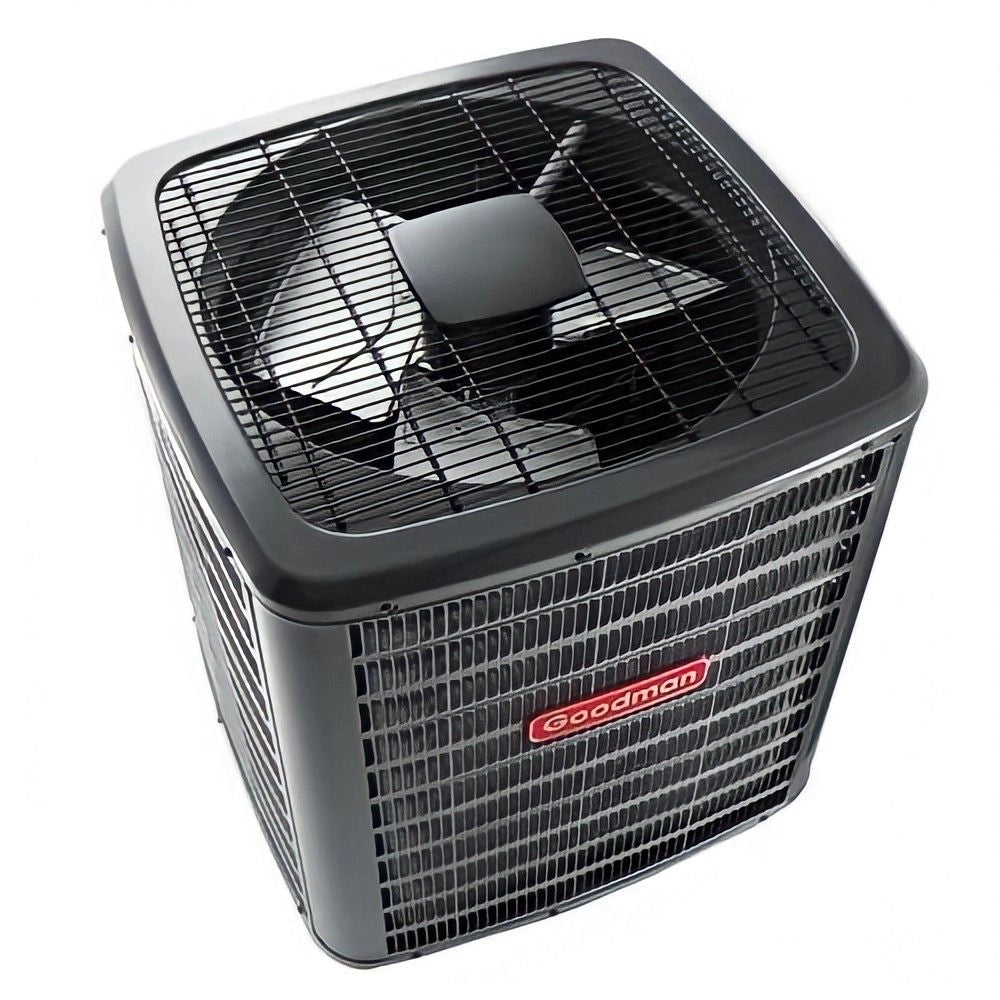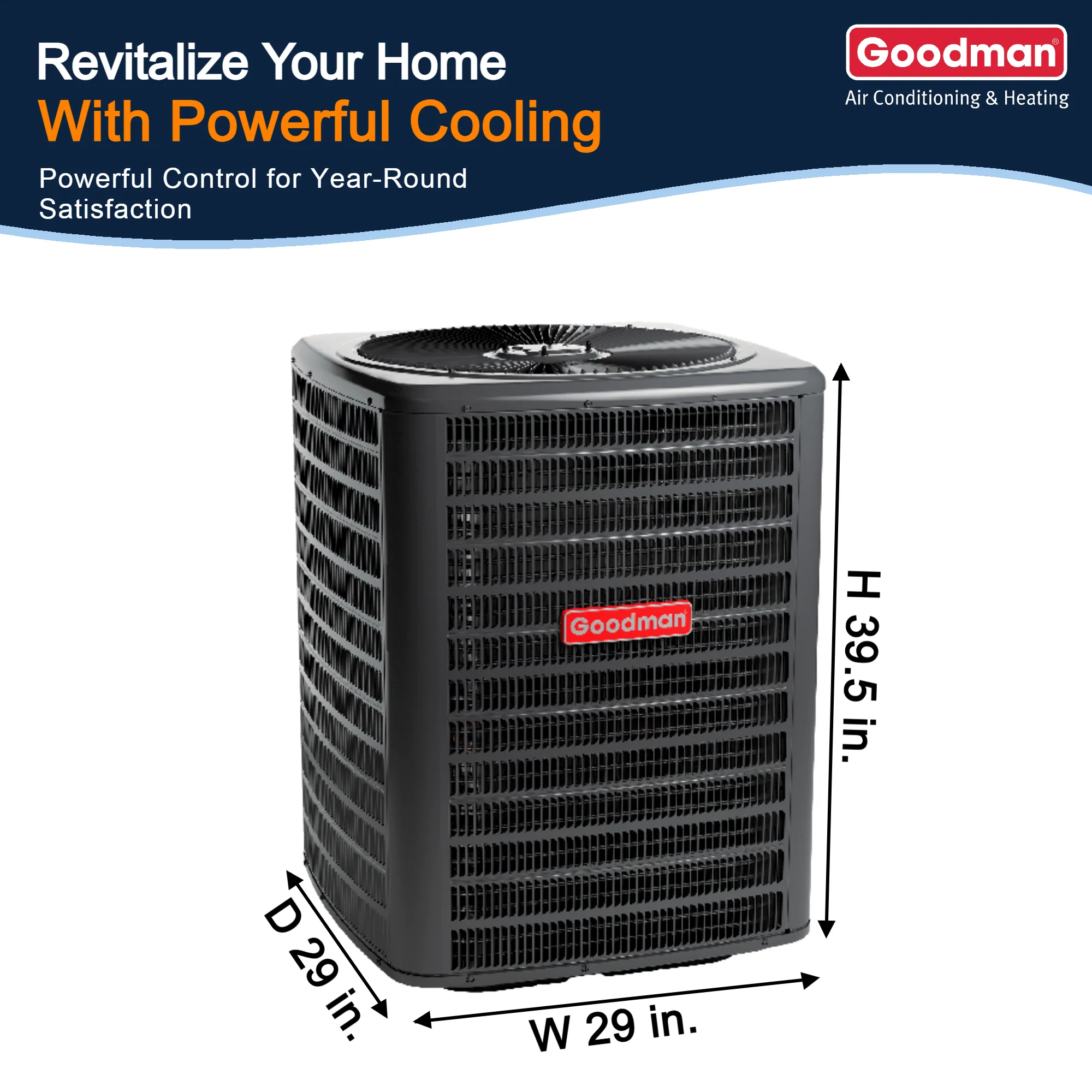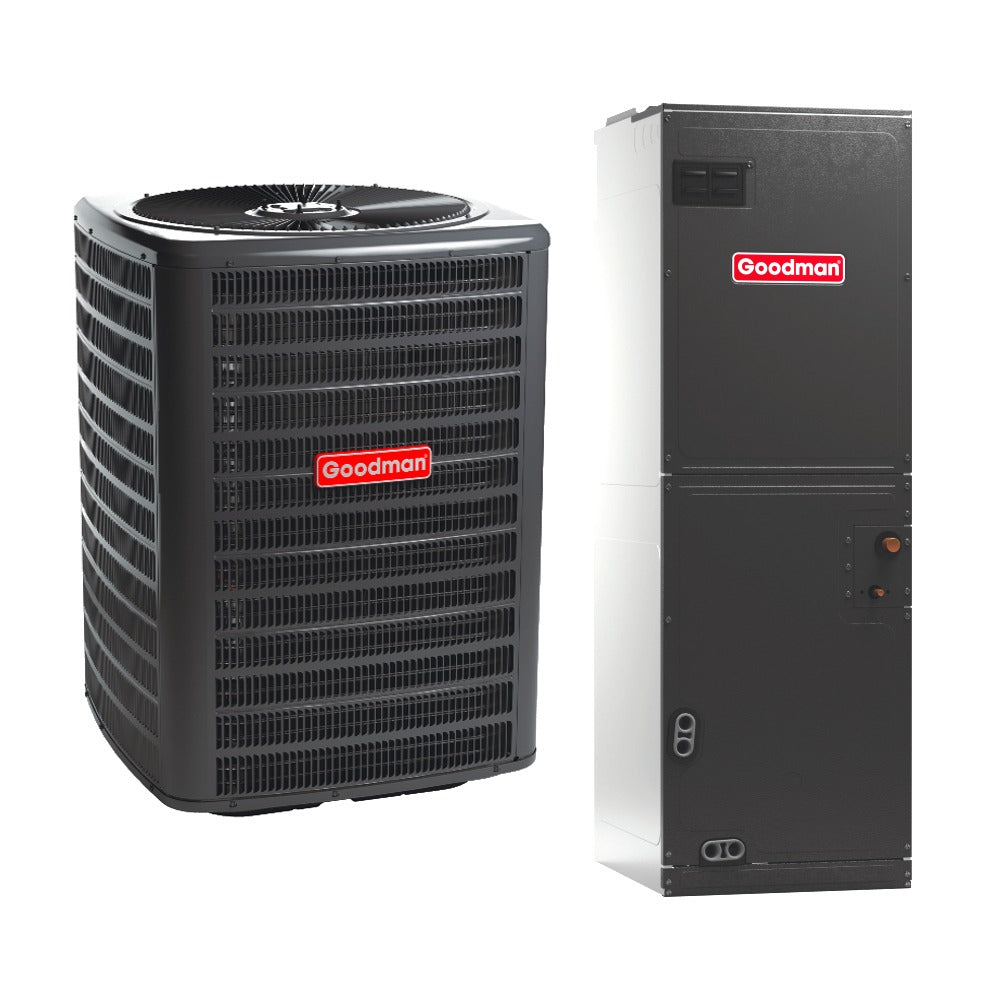
Upgrading or installing a new HVAC system can feel overwhelming, but it doesn’t have to be. With the right preparation, tools, and guidance, even complex projects like installing a central air conditioner or adding central air to a house can be executed smoothly. In this guide, I’ll walk you through the complete process of installing the Goodman 3 Ton 14.5 SEER2 R32 bundle, covering everything from home air conditioning installation to system maintenance. Whether you’re a DIY enthusiast or planning to work alongside a professional, this guide will help ensure your HVAC residential installation is efficient, safe, and long-lasting.
Why the Goodman 3 Ton 14.5 SEER2 R32 Bundle is Ideal for Home Installation
Choosing the right HVAC system is the first step in ensuring comfort, efficiency, and reliability. The Goodman 3 Ton 14.5 SEER2 R32 bundle is designed to deliver:
-
High efficiency: The 14.5 SEER2 rating ensures energy-efficient cooling, lowering utility bills while maintaining comfort.
-
Environmentally friendly refrigerant: Using R32 refrigerant reduces greenhouse gas impact compared to older systems.
-
Durability: Heavy-duty coils and compressors are built to withstand years of regular use.
-
Quiet operation: Even with a 3-ton unit, this system runs quietly, making it ideal for residential settings.
This system is perfect for homeowners looking to upgrade their central AC setup or completely replace an older HVAC system. For detailed specifications and pricing, check out The Furnace Outlet.
Step 1: Planning Your AC Unit Installation
Before beginning any installation, planning is crucial. A thorough assessment of your home will save time, prevent errors, and ensure your new air conditioner installation works optimally.
Home Assessment
-
Calculate Your Home’s Cooling Needs: A 3-ton system typically covers homes between 1,500 and 2,500 square feet, depending on insulation, window placement, and climate.
-
Assess Ductwork: Existing ductwork must be compatible with the new system. Leaks or improperly sized ducts can reduce efficiency.
-
Electrical Evaluation: Your home’s electrical system should be able to handle the new HVAC load. This may require a dedicated breaker or panel upgrade.
Selecting Installation Locations
-
Outdoor Condenser Unit: Place on a flat, solid surface with at least two feet of clearance on all sides. Avoid areas prone to debris accumulation or flooding.
-
Indoor Air Handler or Furnace: Should be accessible for maintenance and connected to ductwork efficiently.
Proper planning sets the stage for a successful installing central air conditioning project.
Step 2: Installing the Outdoor Condenser
The outdoor condenser is the heart of your central AC setup, so proper installation is critical.
-
Position the Unit: Ensure it is level, on a stable pad, and away from obstructions.
-
Connect Refrigerant Lines: Insulate lines to prevent energy loss and condensation.
-
Electrical Hookup: Connect the condenser to the electrical disconnect and verify proper voltage.
Tip: Always follow local codes and manufacturer specifications during air conditioning unit installation to avoid voiding warranties.
For more detailed installation best practices, the Air Conditioning Contractors of America offers professional guidance.
Step 3: Indoor Air Handler or Furnace Installation
The indoor component distributes conditioned air throughout your home.
-
Position the Unit: Place on a level surface and ensure proper airflow to all connected ducts.
-
Duct Connections: Seal duct connections with mastic or foil tape to prevent leaks, ensuring consistent temperature control.
-
Condensate Drain: Install a drain line for condensation, preventing water damage.
Proper placement and connection of the air handler are vital for a successful central air conditioner setup.
Step 4: Connecting Refrigerant Lines and Charging the System
Refrigerant lines carry the cooling medium between the indoor and outdoor units. Proper handling ensures efficiency and system longevity.
-
Evacuate Air and Moisture: Use a vacuum pump to remove air and moisture from the lines.
-
Charge the System: Follow manufacturer guidelines to add the correct amount of refrigerant.
-
Check for Leaks: Use a leak detector to ensure a fully sealed system.
This step is essential for installing central AC properly. Improper charging can lead to poor cooling and system damage.
Step 5: Electrical Connections and System Startup
-
Wiring: Connect the thermostat and ensure proper voltage to the air handler and condenser.
-
Startup Procedures: Power on the system and test for airflow, temperature differential, and proper cycling.
-
Calibration: Adjust the thermostat and fan settings for optimal comfort.
Professional verification is recommended for safe and efficient installation of air conditioning systems. For guidance, HVAC.com offers extensive resources for homeowners and technicians.
Step 6: Installing a Heating and Air Conditioning Unit
If your HVAC bundle includes a furnace, integrating heating is straightforward but requires careful attention:
-
Ensure proper gas or electric connections.
-
Test the furnace for safety and proper operation.
-
Balance ductwork to provide even heating throughout the home.
Knowing how to install heating and air conditioning as a single system ensures year-round comfort.
Step 7: Adding Central Air to Your Home
For homes without existing central air, retrofitting can seem daunting. Key steps include:
-
Ductwork Installation: Plan new ducts for optimal airflow.
-
Return Air Placement: Ensure return vents are correctly positioned for efficient air circulation.
-
Thermostat Setup: Position thermostats for accurate temperature readings.
Adding central air may require professional inspection to meet code and efficiency standards. For tips on certified installations, check Energy Star.
Common Challenges in HVAC Installation
Even experienced installers face hurdles:
-
Improper Unit Sizing: A 3-ton unit must match your home’s cooling load. Oversized units cycle too frequently; undersized units run constantly.
-
Leaky Ductwork: Reduces efficiency and can lead to uneven cooling.
-
Poor Refrigerant Handling: Can result in inadequate cooling or compressor damage.
Awareness of these challenges ensures your installing HVAC system experience is smooth and trouble-free.
Tips for Long-Term Maintenance
After completing new air conditioner installation, maintaining your system is essential:
-
Change air filters every 1–3 months.
-
Clean coils and condensate lines annually.
-
Schedule professional inspections to verify system performance.
Regular maintenance ensures the longevity of your central air setup and prevents costly repairs.
Why Professional Help Can Make a Difference
While DIY installation is possible for some homeowners, working with a licensed professional provides:
-
Compliance with local codes for HVAC residential installation
-
Accurate refrigerant charging and electrical connections
-
Peace of mind that your system is safe and efficient
Even if you’re tackling parts of installing central AC yourself, consulting a professional can safeguard your investment.
Conclusion
Installing a new HVAC system, particularly the Goodman 3 Ton 14.5 SEER2 R32 bundle, is a significant but rewarding investment. From installing HVAC systems to home air conditioning installation, proper planning, careful installation, and ongoing maintenance are key to long-term comfort and efficiency.
Whether you’re upgrading an existing system or adding central air to your home, following this guide will ensure your central air conditioner setup meets your expectations. For more information and to purchase the Goodman bundle, visit The Furnace Outlet.