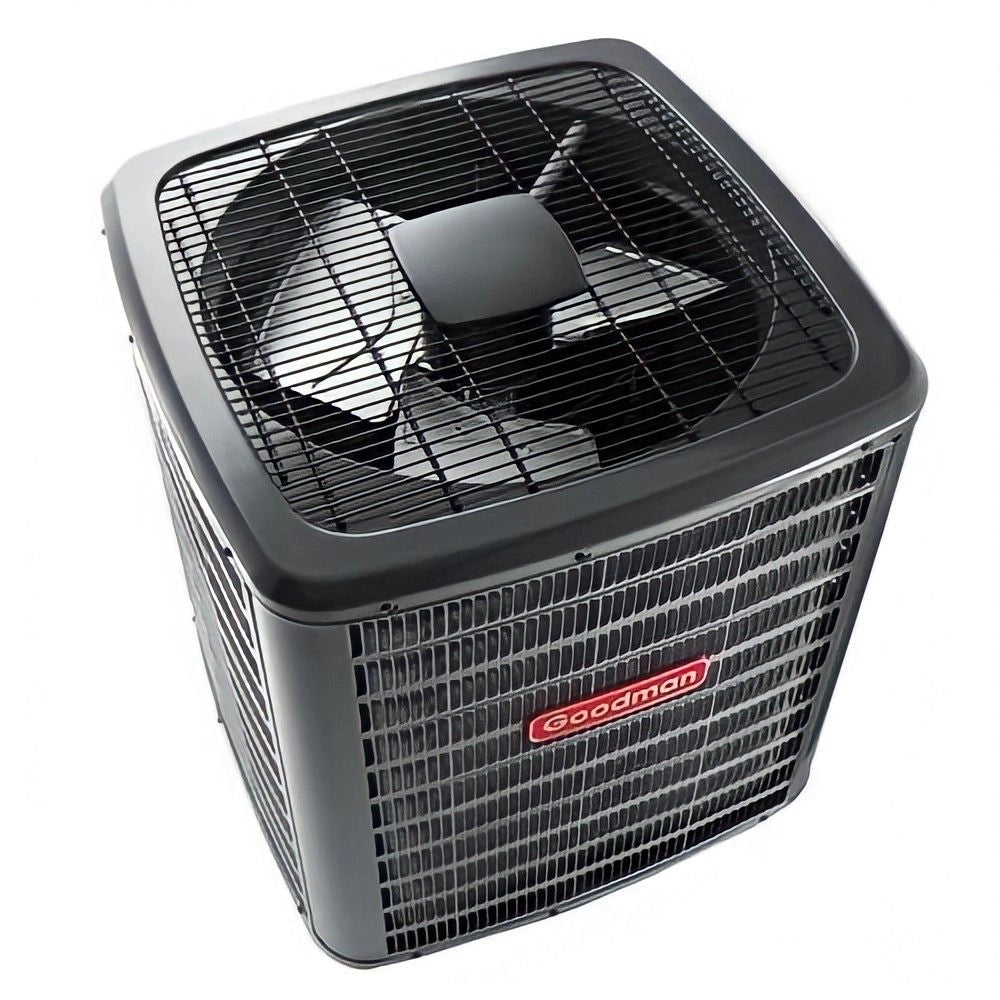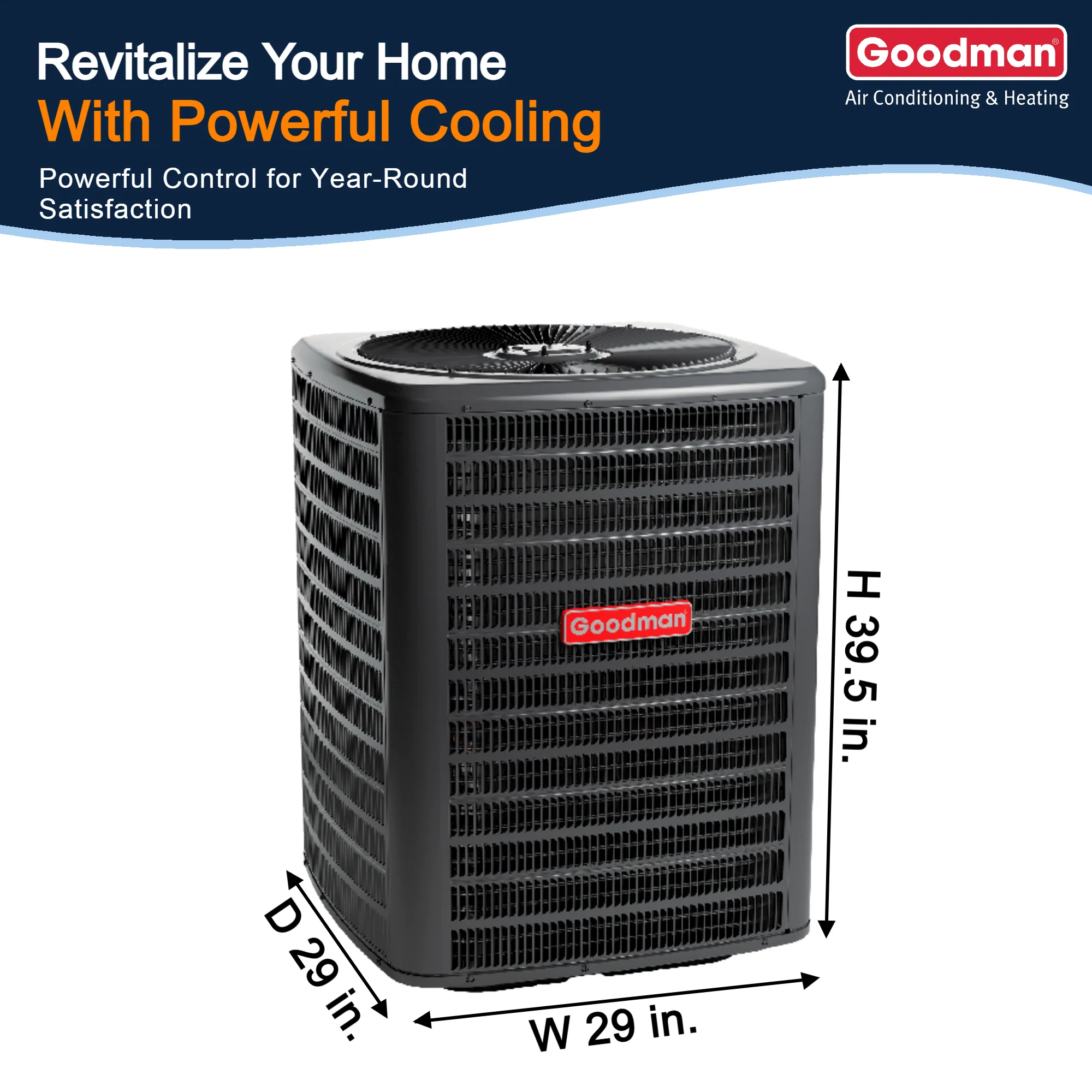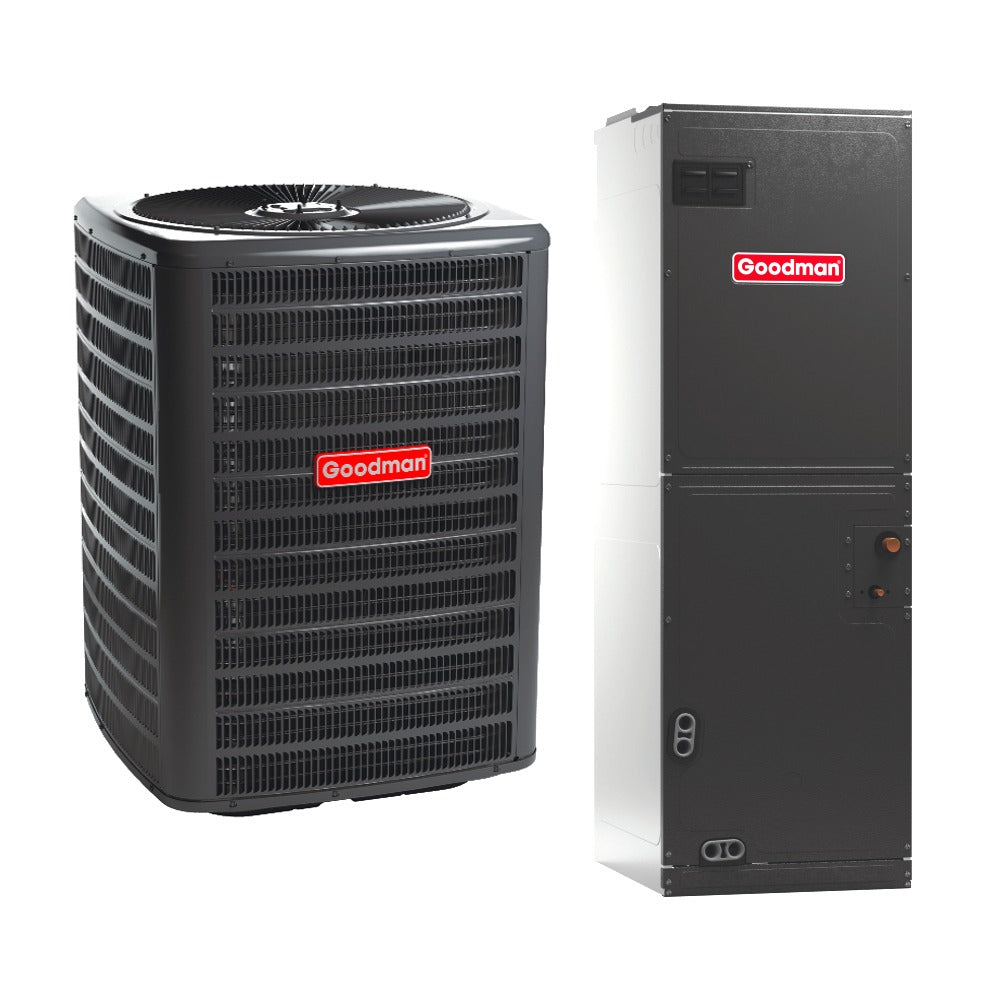
What Is the Goodman 3 Ton 14.5 SEER2 R‑32 Bundle — and Why It Matters
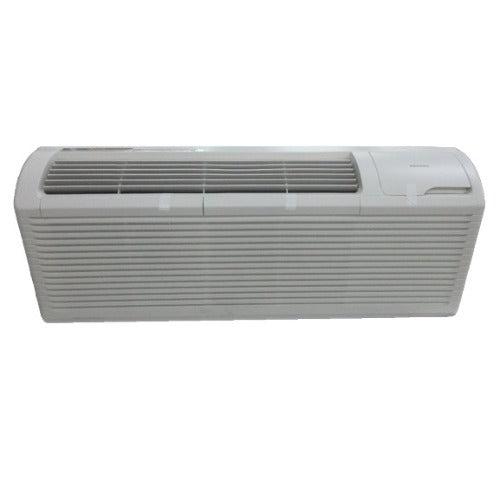
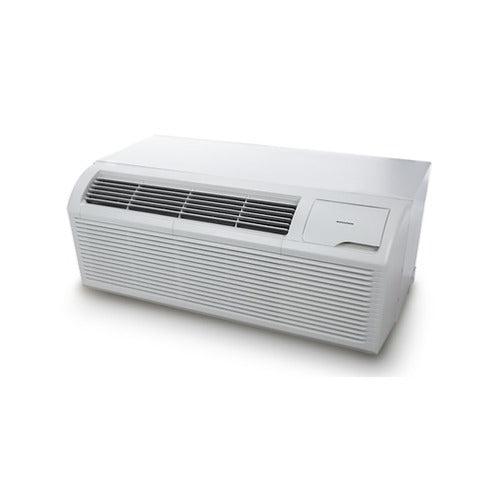
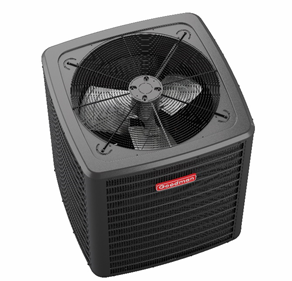
When you land on the product page for the Goodman 3 Ton 14.5 SEER2 R‑32 bundle, you get a matched condenser + air‑handler (or coil + handler) system with a “3 ton” capacity, rated for roughly 36,000 BTU/hr cooling — a size many mid-sized homes require.
That “bundle” approach matters more than many homeowners realize. Because the components are factory‑matched, you avoid the common pitfalls of mixing and matching — wrong coil sizes, airflow imbalances, refrigerant/line‑set mismatches — which often lead to poor efficiency or premature wear.
Why choose this system:
-
Solid mid-range efficiency — 14.5 SEER2: This isn’t “top‑of‑the‑line ultra‑high SEER,” but it’s significantly better than older, inefficient units. For many homeowners upgrading an aging system, it hits a practical sweet spot between performance, cost, and reliability.
-
R‑32 refrigerant — Newer refrigerant with lower global‑warming potential than older refrigerants. For those concerned with environmental impact (and in some regions, compliance with newer refrigerant rules), that’s a real plus.
-
Matched bundle for easier installation — The condenser and air handler (coil/blower) are intended to work together, which simplifies compatibility issues. For anyone considering installation — DIY or professional — that reduces complexity.
In short: this bundle represents a “real-world, no frills but sensible” central AC system for many typical homes — often making sense for those thinking of “how to get central air” or “installing new HVAC.”
What It Takes to “Get Central Air” or “Install Your Own AC Unit”
Before we dive into whether you should DIY, it helps to understand what’s required in a full central‑air installation — and why it’s often more complex than it seems.
1. Proper Sizing (Cooling Load)
One of the first missteps DIYers make: not sizing the system correctly. A “3 ton” rating is appropriate only if your home’s square footage, insulation, windows, ceiling height, climate, and ductwork match the demands. For many homes around 1,500 to 2,000 square feet (depending on climate and insulation), a 3-ton system can be a good fit.
If you oversize — say putting a 3-ton into a small 1,000 sq ft home — you risk short-cycling: the system turns on and off too quickly, leading to inefficient operation, humidity problems, and higher wear. If you undersize, the AC may run constantly and never fully cool the home.
Bottom line: Before you even buy the unit, you should ideally have a “load calculation” done (often referred to as a “Manual J”) to make sure the 3-ton bundle fits your home. Many HVAC pros consider that step critical in proper installations.
2. Existing Ductwork & Structure
A central air conditioner split‑system (condenser outside + air handler + ductwork inside) only works properly if you have ductwork that is adequate: properly sized, sealed, with enough return and supply paths, and not riddled with leaks or airflow constraints.
If your home doesn’t already have ductwork — or has poor ductwork — installing central air requires structural work: adding ducts, possibly adjusting walls/ceilings, ensuring proper airflow and return placement, and sealing everything properly. That adds complexity, time, and cost.
3. Refrigerant Handling & Proper Charging
Because this system uses R‑32 refrigerant, the refrigerant lines must be handled carefully: the system needs a vacuum evacuation (removing air and moisture from the lines), leak testing, and correct refrigerant charge per manufacturer specs.
Mishandling refrigerant is a common source of installation problems: over- or under-charge, leaks, inefficiency, or system damage.
4. Electrical Connections & Compliance with Code
Central air installation also means working with 208/230 V electrical supply (or whatever your home system requires), ensuring correct breaker, disconnects, safety switches, proper grounding — plus following local building codes.
5. Sealing, Airflow, Air Handler Installation & Drainage
Inside the home, the air handler or evaporator coil must be installed correctly, connected to ductwork, sealed, supplied with proper return air, and equipped with condensate drainage to prevent water damage or mold.
6. Overall Testing, Balancing & Commissioning
Once installed, system startup isn’t just “flip the switch.” You must
-
Verify airflow — correct CFM through all registers
-
Confirm temperature differential across evaporator coil
-
Check refrigerant pressures
-
Test cycling under load
-
Confirm condensate draining properly
-
Ensure electrical components operate safely
A poorly commissioned system may run, but deliver uneven cooling, high humidity, high power bills, or fail prematurely.
So... Can You Legally & Practically Install Central AC Yourself?
Let’s address the big question: “can I install my own HVAC system / can you install your own AC unit?”
The Legal & Code Perspective
It varies a lot by jurisdiction. In some states or municipalities, homeowners are allowed to perform HVAC installation in their own dwelling — but with caveats: often refrigerant handling must be done by a licensed refrigerant contractor, or certain permits must be pulled.
Some HVAC‑industry resources flat‑out advise against DIY installation of full central AC — because of the complexity, code requirements, and liability concerns.
Even the seller/distributor of Goodman — in their guidance about DIY — warns that while technically possible, doing a full central system install yourself is rarely “just a weekend project.”
Implications of DIY without proper licensing or permit:
-
You may void the manufacturer warranty if installation isn’t performed by a certified/licensed installer.
-
Local building or mechanical inspectors may reject the work if permits weren’t pulled. That can lead to forced removal or rework.
-
Insurance or resale issues: unpermitted HVAC work can complicate home insurance claims or sale disclosures. Some homeowners report difficulty with home inspections if HVAC work was unpermitted. (See real‑world stories from homeowner forums, HVACRD / building‑code threads.)
The Practical & Safety Perspective
Working with refrigerant, high‑voltage electricity, ductwork, and airflow makes this a non-trivial project. Mistakes can lead to
-
Unsafe electrical wiring or even fire risk
-
Refrigerant leaks (environmental risk, inefficient cooling, possible code violation)
-
Poor airflow or incorrect duct sizing — leading to humidity problems or inadequate cooling
-
Water damage from condensate mis‑drainage
-
Higher long‑term utility costs if the system is poorly installed or leaks
Even if you manage to cobble the system together, you may end up with a subpar result, void warranty, or face future costly adjustments.
What Industry Pros Recommend
Most HVAC professionals, and even neutral guides on upgrading air conditioning, recommend:
“Technically yes, you can. But unless you’re a licensed HVAC technician, you absolutely shouldn’t.” (The Furnace Outlet)
In short: DIY central AC — while conceptually possible — is often more trouble than it’s worth, especially once you factor in building codes, refrigerant regulation, warranty, long‑term performance, and safety.
When DIY Central Air Makes Sense — and When It Doesn’t
Based on what we know: there are scenarios where DIY central AC may be more realistic — but with caution.
DIY Might Work If:
-
You have a smaller home in a state that does allow homeowner HVACR installations (check local codes)
-
You have existing, good-quality ductwork, good insulation, and the job is “simple swap-out” (old system out, new matching bundle in)
-
You have experience with electrical wiring, are comfortable with mechanical work, and are meticulous enough to follow load‑calculations, refrigerant handling, airflow balancing, and code compliance
-
You’re ready to accept the risk: possible warranty void, potential regulatory/legal hurdles, and acknowledging that any mistakes could cost more in the long run
DIY Probably Isn’t Smart If:
-
Your home lacks ductwork, or ductwork is in poor condition (requires major duct design/work)
-
You’re unfamiliar with high-voltage wiring, refrigerant charging, or lack specialty HVAC tools (vacuum pump, gauges, leak detection)
-
You live in a jurisdiction with strict licensing/permitting requirements
-
You care about long-term performance, energy efficiency, and want manufacturer warranty intact — especially for a new central AC installation meant to last 15–20+ years
For many homeowners — and especially first-timers — the “DIY central air conditioner” goal ends up being more expensive, risky, and time-consuming than the “hire a pro” alternative.
Why the Goodman Bundle Is Popular Even Among Those Considering DIY
Even though full DIY installation is generally discouraged, there are reasons why the Goodman 3 Ton 14.5 SEER2 R‑32 bundle remains one of the most referenced systems for prospective DIY‑minded homeowners considering “how to get central air.”
-
Matched components reduce complexity: Because the condenser and air handler are designed to work together, that removes a major source of potential installation mistakes (mismatched coils, incorrect refrigerant charge, airflow issues).
-
Mid‑range efficiency for a reasonable price: At 14.5 SEER2, the system is efficient enough to offer meaningful energy savings over older units, without the premium cost of ultra high‑SEER systems. That makes it an attractive “budget‑conscious upgrade.”
-
Environmentally conscious refrigerant: R‑32 helps reduce global‑warming potential compared to older refrigerants — a factor for homeowners concerned with environmental impact or future code changes.
-
Good value proposition for moderately sized homes: For the right size home (roughly 1,500–2,000 sq ft), the 3-ton bundle often hits the “sweet spot” of comfort, cost, and modest energy consumption. Oversizing or undersizing aside, it's often a smart balance.
If you were seriously considering DIY or caretaker-assisted installation, this system offers perhaps one of the more “forgiving” options compared with ultra-high‑SEER, high‑tech variable‑speed systems — but “more forgiving” doesn’t mean “easy.”
What a Responsible Homeowner Considering DIY Should Do First
If after reading all this you still feel drawn to “install central air yourself,” here’s a responsible checklist — the preflight checklist — before you even order the Goodman bundle:
-
Check local codes and permitting requirements — Contact your city or county building department. Ask: “Am I allowed to perform HVACR work on my own home? Are there required permits, inspections, or licensing requirements for refrigerant handling?” (EPA)
-
Perform (or commission) a load calculation (Manual J) — Ensure the 3‑ton size is appropriate for your home. Oversized or undersized systems cause problems.
-
Inspect your ductwork — Are ducts properly sized, sealed, with adequate returns? If not, factor in ductwork repair or extension cost.
-
Make sure you have or can obtain proper tools & skills — Vacuum pump, refrigerant gauges, leak detection, electrical wiring knowledge, ability to safely install condensate drainage, ability to seal ductwork.
-
Plan for electrical work and code compliance — Dedicated circuit, disconnect switch, ground fault protection if required, proper wiring gauge, safety enclosures.
-
Understand warranty implications — Many manufacturers void warranties if not installed by a licensed HVAC technician or if refrigerant work is not done by a certified contractor.
-
Calculate true cost vs benefit — What’s your time worth? If you invest 2–3 weekends (or more) doing the job, would hiring a pro cost more up front but net less stress, better performance, fewer future issues?
If — and only if — you check all those boxes and feel confident, then you may emerge from the experience with a functioning central AC that meets your needs. But you have to go in with open eyes.
My Verdict (From 20+ Years in the Field): DIY Central Air Is a High-Risk Bet — Use the Goodman Bundle, but Hire a Pro
I tell folks: if you’re handy with plumbing, wiring, some mechanical work — great. But a “full central air installation” isn’t just “handyman weekend work.” It’s more akin to a small construction‑mechanical‑electrical project.
The Goodman 3 Ton 14.5 SEER2 R‑32 bundle is a strong, well‑designed, sensible central AC system for many homes. It’s one of the most reasonable and balanced AC options on the market when you consider capacity, efficiency, environmental impact, and value.
But “can you install your own AC unit?” and “should you?” are two different questions. Given code issues, refrigerant regulations, warranty risk, and the technical precision required, I’d advise most homeowners to hire a licensed, experienced HVAC installer — unless they’re already seasoned in HVAC work and willing to accept all responsibilities and potential consequences.
For someone who genuinely wants to understand HVAC mechanics (airflow, load calculations, ductwork, refrigerant physics, safety) — by all means, study up, consult pros, and maybe assist — but I wouldn’t roll the dice with a full DIY install as a first-time project.