
When homeowners search phrases like “HVAC not heating,” “HVAC system not heating,” or “why is my HVAC not heating,” they are usually frustrated, cold, and looking for clarity. And honestly, I get it. Heating problems feel urgent because comfort and safety are on the line. As Savvy Mavi, my goal is to slow things down just enough to help you understand why the issue is happening—especially if your system includes a Goodman MBVK electric furnace—and what steps actually make sense before panic or unnecessary repairs set in.
This guide is intentionally thorough. We’re going to walk through how electric HVAC heating works, why it fails, what symptoms mean, and how the MBVK fits into the bigger system picture. Along the way, I’ll untangle common misconceptions, explain professional diagnostics in plain language, and help you think like a technician without needing to become one.
Understanding What “HVAC Not Heating” Really Means
When someone says their HVAC system is not heating, that statement can describe several very different scenarios:
-
The system runs, but blows cool or lukewarm air
-
The thermostat calls for heat, but nothing turns on
-
The blower runs but heat never engages
-
The system turns on briefly and shuts off
-
Heat works intermittently
-
Heat works in some rooms but not others
Each of these points to different mechanical or electrical causes. With an electric system like the Goodman MBVK, the troubleshooting logic is very different from gas or oil furnaces.
Before jumping into causes, it’s important to understand what the MBVK actually is.
What the Goodman MBVK Electric Furnace Does
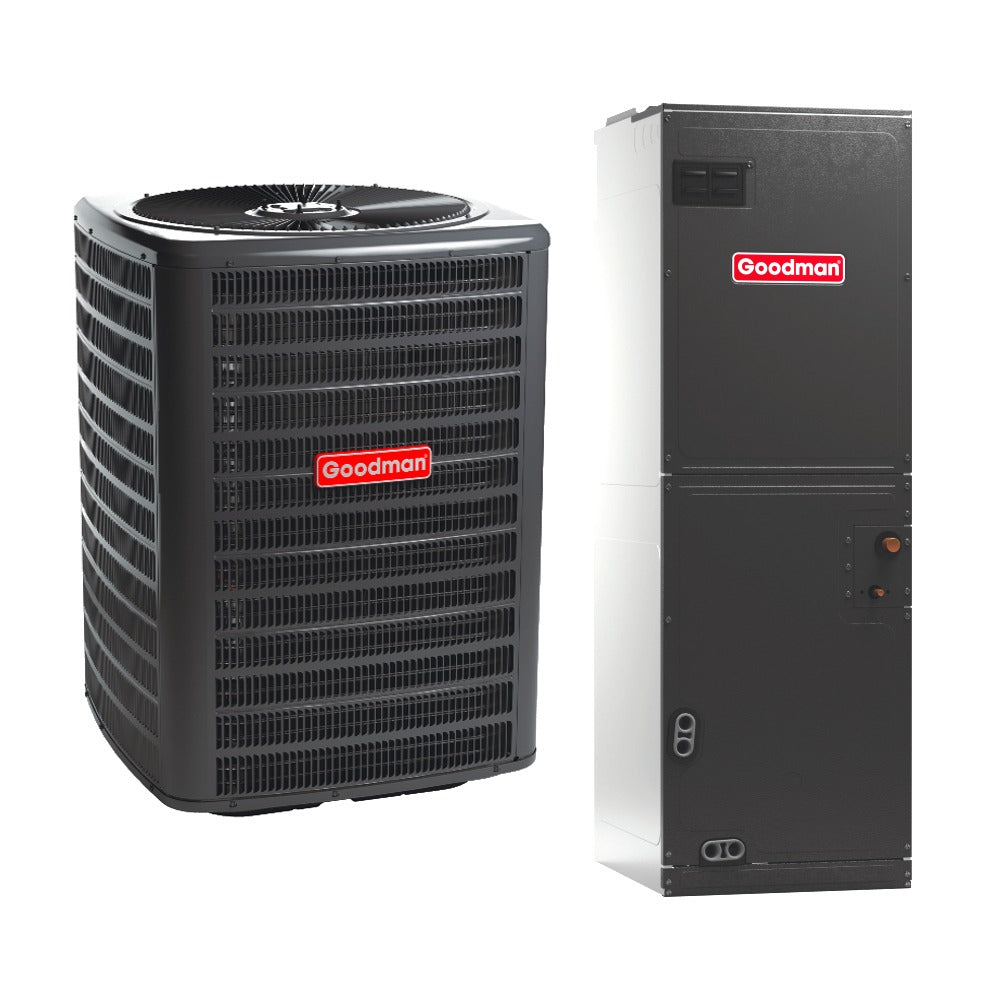
The Goodman MBVK electric furnace is an air handler designed to provide electric resistance heating and airflow management, often paired with a heat pump or central air system. It does not burn fuel. Instead, it converts electrical energy into heat using internal heating elements.
Core functions include:
-
Moving air through the duct system
-
Activating electric heating elements when heat is needed
-
Coordinating with thermostats and heat pumps
-
Managing airflow and safety limits
-
Delivering steady, controlled heat
Because it uses electricity rather than combustion, many of the traditional furnace failure modes (like pilot lights or gas valves) do not apply. However, that does not mean electric systems are immune to problems.
Why “HVAC System Not Heating” Happens So Often
When people search why is my HVAC not heating, they’re usually dealing with one of four categories of problems:
-
Control and thermostat issues
-
Electrical or power-related interruptions
-
Airflow restrictions
-
Heating element or safety-limit issues
Let’s unpack each category carefully, with the Goodman MBVK in mind.
Thermostat Problems: The Most Overlooked Cause
You would be surprised how often the issue starts here.
If your HVAC is not heating, confirm the thermostat is:
-
Set to “Heat,” not “Cool”
-
Set above current room temperature
-
Powered and responsive
-
Programmed correctly
-
Calling for auxiliary or emergency heat if applicable
Modern thermostats communicate digitally with systems like the MBVK. If that signal is interrupted or misconfigured, the furnace never receives the command to energize its heating elements.
Organizations that focus on consumer HVAC education consistently emphasize thermostat configuration as a first diagnostic step when heating problems occur .
Electrical Supply Issues That Stop Heating
Because the Goodman MBVK is fully electric, power delivery is critical. When homeowners say their HVAC system is not heating, the system may actually be protecting itself from electrical irregularities.
Common electrical causes include:
-
Tripped breakers
-
Loose wiring connections
-
Failed sequencers
-
Burned contact points
-
Voltage imbalance
Unlike gas systems, electric furnaces often use multiple breakers—some for the blower, others for heating elements. One breaker can trip while others remain active, creating a confusing symptom where the fan runs but no heat is produced.
This leads many people to ask: Why is my HVAC not heating if it’s clearly turning on?
The answer is often partial power loss.
Heating Elements: The Heart of Electric Heat
Inside the Goodman MBVK are electric resistance heating elements. These are the components responsible for generating warmth.
When functioning correctly, they:
-
Energize in stages
-
Glow internally (not visibly to homeowners)
-
Heat air passing over them
-
Cycle on and off based on demand
If one or more elements fail, your HVAC system may still run but deliver insufficient or no heat.
This is one of the most common explanations behind searches like HVAC not heating or HVAC system not heating, especially in older installations.
Educational resources on electric resistance heating explain how staged elements improve efficiency and reduce load stress .
Safety Limits That Shut Heating Down
Electric furnaces are built with multiple safety controls designed to stop heating before damage occurs. These include:
-
High-limit switches
-
Thermal cutoffs
-
Airflow safety sensors
If airflow becomes restricted or temperatures exceed safe thresholds, the system disables the heating elements automatically.
From a homeowner’s perspective, this looks like:
-
Blower runs
-
Heat does not engage
-
System resets intermittently
This is one of the most misunderstood reasons people ask, “Why is my HVAC not heating?”
The system is not broken—it is protecting itself.
Airflow Problems That Prevent Heating
Airflow is essential to electric heating performance. Without adequate airflow, heat cannot transfer properly and safety limits activate.
Common airflow issues include:
-
Dirty or clogged air filters
-
Closed or blocked supply vents
-
Obstructed return grilles
-
Dirty blower wheels
-
Collapsed or leaking ductwork
Even a high-quality system like the Goodman MBVK cannot compensate for poor airflow.
Industry HVAC performance guidelines emphasize airflow as a foundational requirement for safe heating operation .
Heat Pump Integration Confusion
Many MBVK installations are paired with heat pumps. In these setups, heating may come from two sources:
-
The heat pump itself
-
Electric backup (auxiliary) heat inside the furnace
If your HVAC system is not heating, the issue may be that:
-
The heat pump is locked out
-
Outdoor temperatures are too low for heat pump efficiency
-
Auxiliary heat is not engaging
-
Thermostat staging is incorrect
This creates confusion because the system appears operational, yet no warm air is delivered.
Understanding how dual-source heating works is essential when diagnosing heating failures.
When HVAC Is Heating — But Not Enough
Some homeowners report that their system is heating, just not adequately. This still falls under the umbrella of HVAC not heating complaints.
Possible causes include:
-
Undersized heating elements
-
Incorrect thermostat calibration
-
Heat loss due to poor insulation
-
Duct leakage
-
Inadequate airflow
-
Partial element failure
In these cases, the MBVK may be functioning correctly, but the overall system design or home envelope limits performance.
The Role of Maintenance in Heating Reliability
Regular maintenance dramatically reduces the likelihood of heating failures.
For electric furnaces like the Goodman MBVK, maintenance typically includes:
-
Inspecting heating elements
-
Checking electrical connections
-
Testing safety limits
-
Verifying airflow
-
Cleaning blower assemblies
-
Replacing filters
Professional HVAC maintenance standards published by industry organizations emphasize routine inspection as the most effective way to prevent “no heat” scenarios .
Why DIY Fixes Often Miss the Real Problem
It’s tempting to reset breakers or replace thermostats repeatedly when your HVAC is not heating. But electric furnaces are systems, not single components.
A symptom may appear electrical but actually be caused by airflow.
A heating failure may originate in controls, not elements.
A thermostat issue may mask a deeper safety lockout.
That’s why systematic diagnosis matters more than guesswork.
Signs You Should Call a Professional
While homeowners can safely check filters and thermostat settings, professional service is recommended if:
-
Heat does not return after basic checks
-
Breakers repeatedly trip
-
The system short-cycles
-
You smell burning or electrical odors
-
The blower runs with no heat
-
Heat works intermittently
Certified technicians have the tools to test voltage, continuity, resistance, and safety circuits—things that cannot be reliably assessed visually.
Why the Goodman MBVK Is Still a Strong Choice
Despite the frustration that comes with heating issues, it’s important to separate system problems from product quality.
The Goodman MBVK electric furnace remains a solid, dependable platform because:
-
It uses proven electric heating technology
-
Safety controls are robust
-
Parts are widely available
-
It integrates easily with heat pumps
-
It is designed for long service life
Most complaints tied to “HVAC not heating” are installation, configuration, or maintenance related—not design flaws.
A Savvy Mavi Perspective on Heating Troubles
When people ask me, “Why is my HVAC not heating?” my answer is always layered.
It’s rarely one dramatic failure. More often, it’s a chain of small issues—airflow, controls, power, or setup—that finally shows itself when temperatures drop.
The Goodman MBVK electric furnace is engineered to protect itself, your home, and your comfort. When heating stops, it is usually because something upstream or downstream needs attention, not because the system is fundamentally flawed.
Understanding how your HVAC system thinks—how it senses, decides, and responds—puts you in control. And that’s always the Savvy way to approach home comfort.
Key Takeaways
-
“HVAC not heating” can mean many different underlying issues
-
Electric furnaces rely on airflow, power, and controls working together
-
The Goodman MBVK uses staged electric heating for safety and efficiency
-
Most heating problems are preventable with maintenance
-
Professional diagnostics are often faster and more cost-effective than trial-and-error
If your HVAC system is not heating, don’t panic. Start with understanding how it works, verify the basics, and let informed troubleshooting guide your next step.
That’s how you stay comfortable—and savvy—all winter long.