
If you’re here because electric central heat not working, electric furnace not blowing hot air, or electric heater not heating, you’re experiencing one of the most frustrating issues in home comfort. Whether it’s electric heater not working in house, electric furnace not turning on, or electric heater turns on but no heat, a non-functioning heating system can turn winter into a season of stress.
I’m Savvy Mavi, and today we’re going to walk through the full landscape of electric furnace troubleshooting—particularly for the Goodman MBVK electric furnace. You’ll learn why electric heaters fail, what common symptoms mean, how technicians think about problems, and what steps you can take (from basic checks that any homeowner can do to professional diagnostics). By the end of this article, you’ll understand not just what’s wrong but why it’s wrong—and how to resolve it.
Let’s begin.
The Basics: How Electric Heating Works
Before diagnosing faults like electric furnace not blowing warm air or electric heater not blowing hot air in house, you need to understand how electric central heat is designed to work.
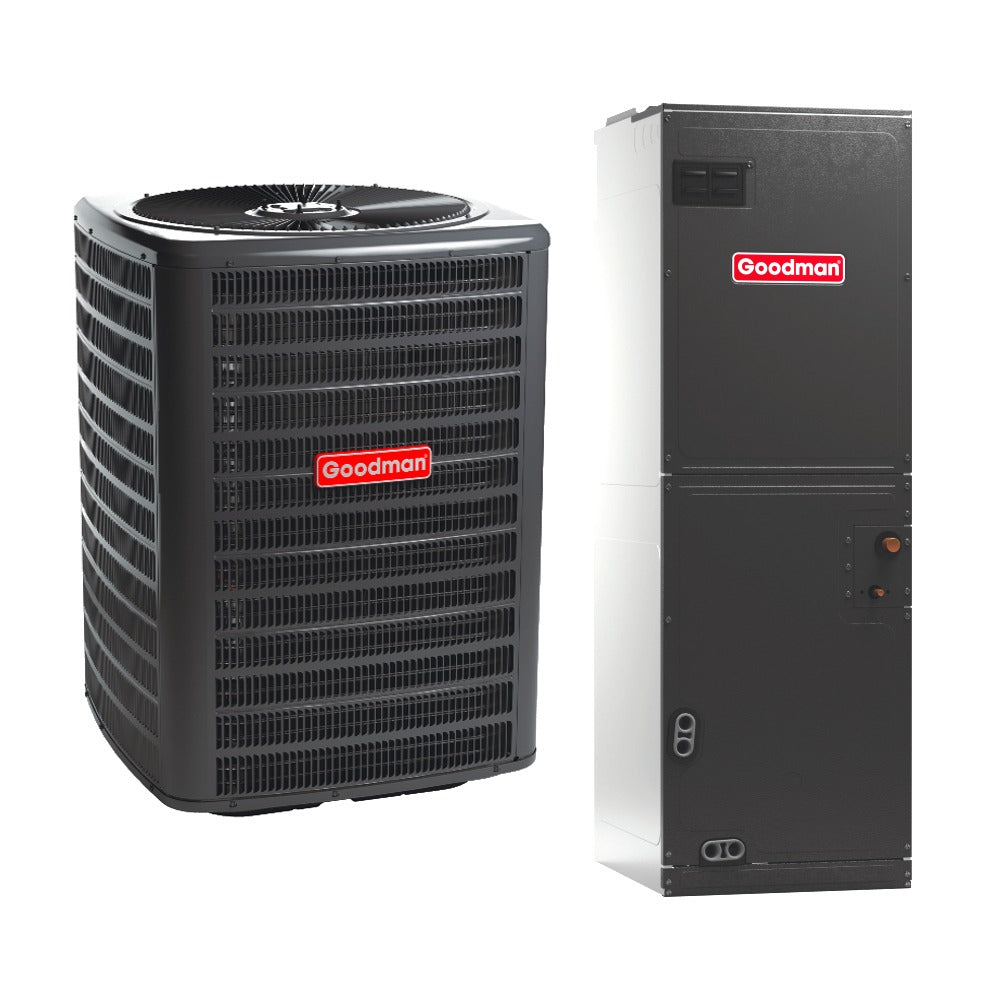
An electric furnace like the Goodman MBVK uses electric resistance heating elements. These coils heat up when electricity flows through them. A blower then pushes air across those elements and into your duct system, delivering warm air throughout your home.
Unlike gas systems that burn fuel, electric systems do not have burners, flame sensors, or venting. They rely entirely on electrical circuits and airflow to produce heat.
When a homeowner types electric furnace troubleshooting into a search engine, most guides are general. In this article, we’ll apply that troubleshooting mindset specifically to the MBVK—and walk you through symptoms and solutions in an organized way.
Top Symptom: Electric Furnace Not Blowing Hot Air
Let’s start with the big one: your system runs, but electric furnace not blowing hot air. This symptom covers a range of scenarios:
-
Blower runs but air isn’t warm
-
Blower doesn’t run at all
-
Air feels slightly warm but not adequate
-
Heat comes and goes
Each variation points to different causes.
Why This Happens
1. Heating Elements Aren’t Energizing
If the blower runs but the air is cold, chances are the heating elements are not receiving power. This could happen because of:
-
Faulty sequencers or relays
-
Blown fuses or tripped breakers
-
Wiring issues
-
Failed heating elements
When the elements don’t come on, electric furnace not blowing heat is the obvious result.
2. Airflow Problems
Electric furnaces are sensitive to airflow. Dirty air filters, closed registers, or blocked return grills can cause the system to overheat and shut down the heating elements while the blower continues to run.
That’s why you may see “warm air for a moment and then cold air.”
3. Control or Thermostat Issues
If your thermostat isn’t communicating properly, the furnace may never receive a call for heat. Always confirm thermostat settings first.
For authoritative explanations about common heating system issues and proper thermostat configuration, consumer education resources from national energy authorities provide helpful context.
“Electric Heater Not Working in House”: What That Really Means
When a homeowner reports electric heater not working in house, they might mean many things:
-
No power at all
-
Blower runs and no heat
-
Heat feels weak
-
Unit cycles off quickly
Here’s how to parse those symptoms.
No Power at All
This usually means a power supply issue:
-
Tripped circuit breaker
-
Blown fuse
-
Loose wiring
-
Failed safety disconnect switch
This is a safe place to start your electric furnace troubleshooting: always check breakers and fuses first. If breakers trip repeatedly, that’s an electrical symptom that needs a qualified technician.
Blower Runs But No Heat
This is the classic sign of heating element or control failure. As discussed above, when heating elements aren’t energized, the fan might still operate. Symptoms include:
-
Air pulling through vents but staying cool
-
Blower sounds normal
-
System “feels alive” but not heating
It’s a common reason people ask why is my electric heater not working.
“Electric Heater Turns On But No Heat”: Deep Cause Breakdown
This phrasing reflects a system that appears to start normally—but fails to produce warmth.
Why does this happen?
Heating Element Failure
Electric furnaces like the MBVK use multiple heating elements. These elements are durable, but they wear out over years of use. Signs of failure include:
-
Warm air initially, then no heat
-
Uneven heating
-
Humming or buzzing without warmth
-
Visible breakage on elements (professional inspection)
Element failure is one of the most common electric furnace problems technicians see.
Sequencer or Relay Issues
These components control the flow of power to heating elements. If they fail, power never reaches the elements, even though the system appears to start.
This leads to electric heater not blowing hot air despite mechanical operation.
High-Limit Safety Switch Trips
Electric furnaces include safety switches that shut down heating if temperatures get too high. If airflow is restricted, or the system detects overheating, the safety switch can cut heat while allowing the blower to run.
This results in electric furnace not blowing heat sporadically.
Electric HVAC: Why Heat Sometimes Works Poorly
Many homeowners complain that electric HVAC heat not working or electric furnace not heating enough. This subtle but real symptom is distinct from a complete failure.
Inadequate Heat Doesn’t Always Mean “Broken”
Several non-failure issues cause weak heating:
-
Poor insulation in the home
-
Leaky or undersized ductwork
-
Mismatched thermostats
-
Correct heat mode not selected
-
Heat pump stages not matched properly with furnace
This is where holistic system understanding matters. The furnace may be operating correctly—but the whole system, including your ductwork and thermostat, may be limiting performance.
Electric Furnace Not Turning On vs. Electric Heater Not Turning On
Another common frustration is that the furnace appears dead: electric furnace not turning on or electric heater not turning on.
What to Check First
-
Thermostat Settings:
Ensure mode is set to “Heat,” and temperature is set higher than room temperature. -
Power Supply:
Check breaker panel for tripped breakers. Some electric HVAC systems use multiple breakers. -
Disconnect Switch:
Many furnace cabinets have a safety switch or disconnect—make sure it hasn’t been turned off. -
Error Codes or Lights:
Many modern systems blink diagnostic codes—refer to the manufacturer’s guide.
If the unit has no power at all, that’s an electrical issue, not a heating element issue.
Electric Heating Troubleshooting: A Step-By-Step Approach
Here’s a structured way to troubleshoot electric furnace problems before calling a technician:
-
Confirm Thermostat Settings
Heat mode, correct temperature differential, proper system type. -
Check Power
Breakers, fuses, disconnects. -
Inspect Filters
Dirty filters restrict airflow and can shut heat off. -
Listen for Blower Operation
If the blower runs but no heat, the issue is likely heating elements or sequencers. -
Observe System Behavior
Does heat come for a moment and then stop? Does the system lock out and require reset? -
Look for Error Codes
Some electric furnaces include control board diagnostics—these codes are invaluable. -
Call a Pro When Needed
Never attempt to service high-voltage components yourself.
For deeper principles of HVAC troubleshooting logic that wrap around both gas and electric systems, industry training curriculums offer excellent foundational understanding.
Safety First: When Not to DIY
Electric furnaces operate at high voltage. While homeowners can safely check filters, breakers, and thermostat settings, anything involving:
-
Internal wiring
-
Heating element inspection
-
Control board diagnosis
-
Safety limit switches
-
Sequencer or relay replacement
…should be handled by licensed HVAC technicians.
This protects both your equipment and your home safety.
When Your Electric Heater Stops Working Entirely
If your electric furnace stopped working or my electric heater stopped working, you may be dealing with a major electrical fault or control failure.
This includes:
-
Burned-out elements
-
Failed transformers
-
Control board failures
-
Loose or damaged wiring
These are advanced repairs that require proper tools, training, and safety protocols.
Weak Heat: The Frustrating “Almost There” Issue
Symptoms like:
-
Air is warm but not hot
-
System heats slowly
-
Temperature never reaches thermostat setting
…are often caused by airflow issues or home comfort limitations, not furnace failure.
Electric systems can only deliver as much heat as the house loses. In very cold climates with poor insulation, even a healthy electric furnace may struggle to maintain setpoint efficiently.
This is where system design, ductwork, and home envelope quality intersect with furnace performance.
Understanding Electric Heater Problems as System Signals
Rather than viewing each symptom in isolation, think of symptoms as signals:
-
No power: likely electrical
-
Blower runs, no heat: likely elements or controls
-
Heat comes then stops: airflow or safety trips
-
Warm but not hot: system limitations
-
Intermittent heat: control or sensor issue
This mindset—pattern-based instead of symptom-panic—keeps troubleshooting efficient and accurate.
Why Your Electric Furnace May Seem Unresponsive
Homeowners often ask: why is my electric furnace not blowing heat? or why is my electric heater not blowing hot air?
Reasons vary:
-
Thermostat miscommunication
-
Power interruptions
-
Element or sequencer failure
-
Airflow restrictions
-
Safety limit trips
-
Environmental conditions
The key is to match the observed behavior with likely system cause—not guess randomly.
Maintenance: The Real Key to Fewer Problems
Routine care prevents the majority of electric heater problems:
-
Replace filters regularly
-
Keep return vents unobstructed
-
Schedule annual HVAC inspections
-
Verify thermostat calibration
-
Clean ducts and blower assemblies
These simple actions keep airflow uniform and reduce stress on heating elements and controls.
When to Call a Technician
Call a professional when:
-
Heat doesn’t return after basic checks
-
Breakers trip repeatedly
-
There’s burning smell or unusual noises
-
System shuts off mid-cycle
-
Control board errors persist
Technicians have the tools to test voltage, continuity, safety circuits, and heating element resistance—a must for accurate diagnosis.
Final Thoughts from Savvy Mavi
Electric furnaces like the Goodman MBVK are robust, dependable machines—but like all technology, they require correct setup, proper maintenance, and occasional professional care.
If you’re searching electric central heat not working, electric furnace troubleshooting, electric furnace not heating enough, or electric heater not blowing hot air, you’re not alone. Those phrases reflect real symptoms that are solvable—once you understand the system logic.
Remember:
-
Start with the basics
-
Follow structured troubleshooting
-
Don’t ignore airflow or thermostat communication
-
Respect electrical safety
-
Call a pro when needed
Heat failures are frustrating, but with the right approach you can diagnose intelligently and act decisively. That’s the Savvy Mavi way.