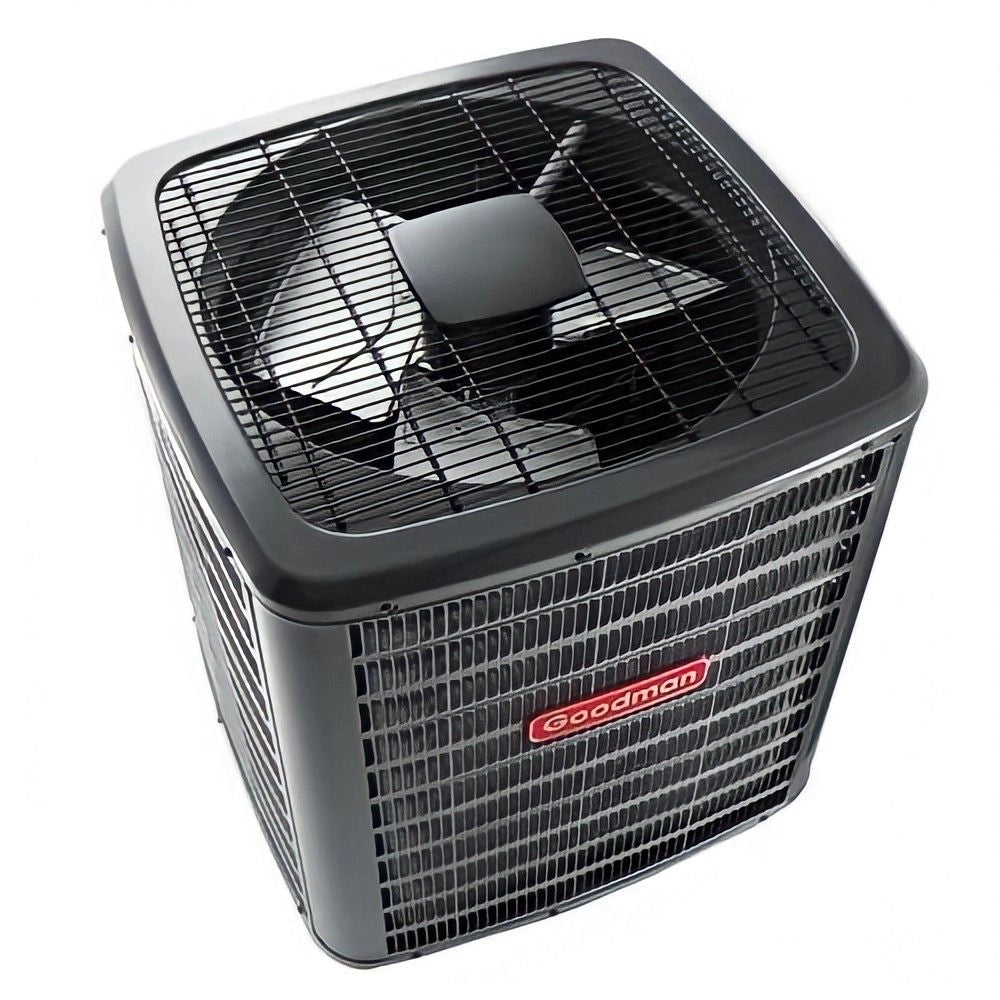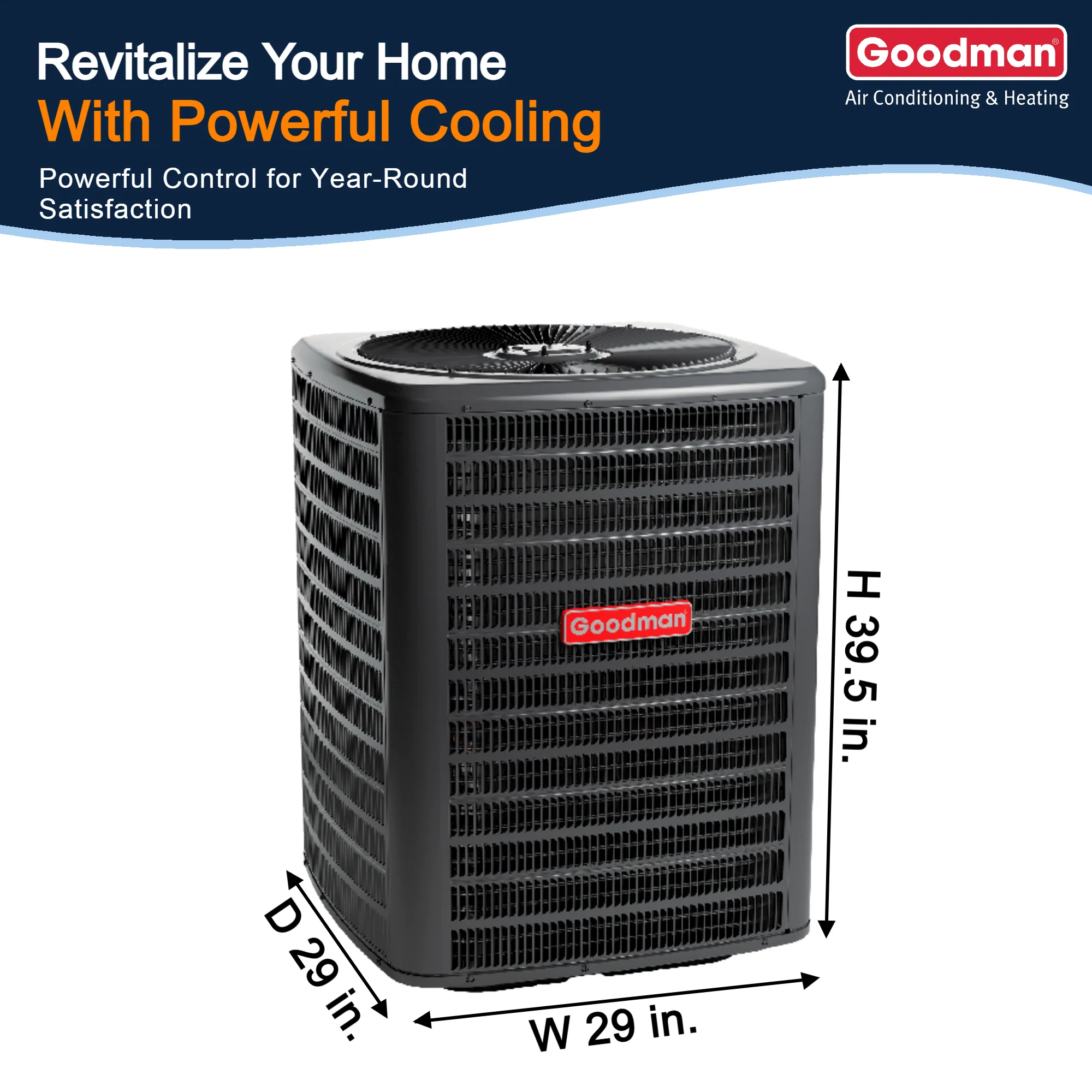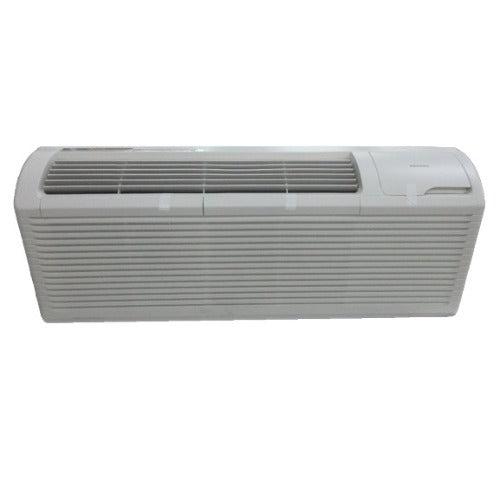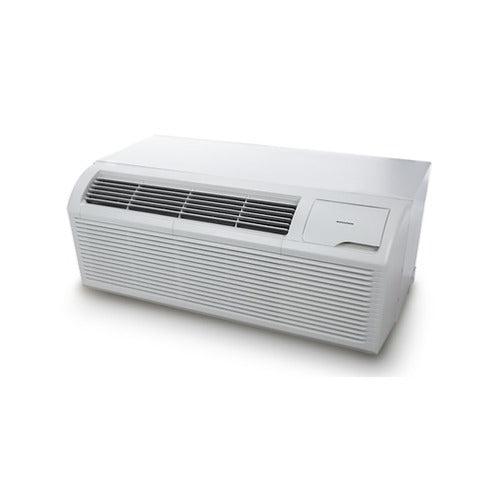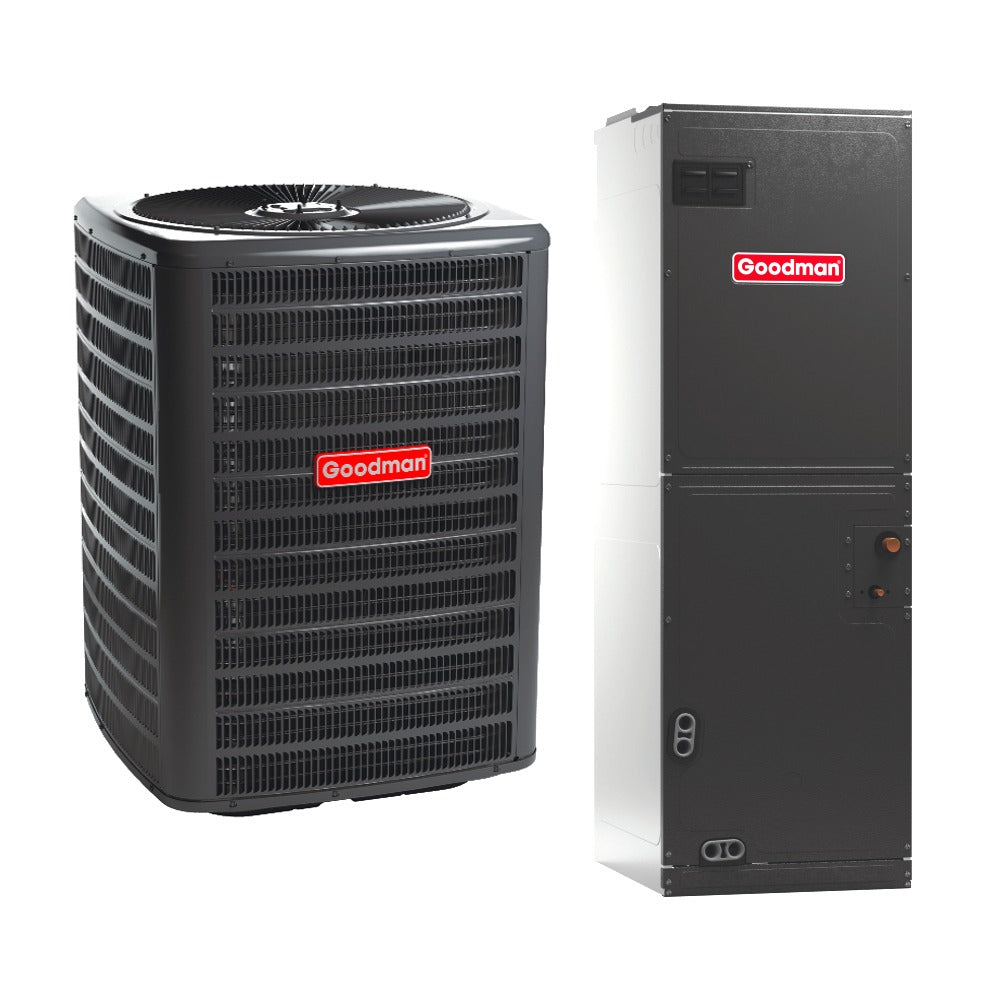

If you’ve ever searched phrases like “melting furnace electric” or “electric metal melting furnace,” you’re not alone. These terms circulate widely online, often creating confusion between industrial electric melting furnaces and residential electric heating systems. As Savvy Mavi, my job is to help you separate fact from fiction—especially when it comes to the Goodman MBVK electric furnace, which is designed for home comfort, not melting metal.
In this deep-dive, we’ll clarify what an electric melting furnace actually is, how it differs from a residential electric furnace, and where the Goodman MBVK fits into the bigger HVAC picture. Along the way, I’ll explain how electric heat works, why confusion happens, and what homeowners should realistically expect from an electric furnace system.
Understanding the Term “Melting Furnace Electric”
Let’s start with definitions, because terminology matters.
A melting furnace electric typically refers to an industrial-grade electric furnace designed to melt metals such as aluminum, copper, or steel. These systems are used in manufacturing, foundries, and laboratories. They operate at extremely high temperatures—often well above 1,200°F—and rely on specialized heating technologies such as:
-
Induction heating
-
Arc furnaces
-
Resistance-based metal furnaces
These units are purpose-built for metallurgy, not home heating.
By contrast, a residential electric furnace, like the Goodman MBVK, is engineered to safely convert electrical energy into warm air for living spaces. It operates at dramatically lower temperatures and prioritizes airflow, efficiency, and occupant safety rather than raw thermal intensity.
The overlap in terminology—“electric furnace”—is what leads many homeowners to search for phrases like electric metal melting furnace when what they actually want to understand is how their electric heating system works.
What an Electric Metal Melting Furnace Actually Does
An electric metal melting furnace is designed to:
-
Reach extremely high internal temperatures
-
Maintain precise thermal control for molten materials
-
Handle dense, conductive metals
-
Operate in industrial or laboratory environments
-
Use specialized refractory linings and crucibles
These furnaces rely on concentrated electrical energy and insulation that would be unsafe and impractical for residential use. They are not connected to ductwork, do not circulate air, and are never used for space heating.
For authoritative background on how electric heating technologies differ across applications, the U.S. Department of Energy provides a solid overview of electric resistance and thermal systems in general terms through its educational resources on home heating efficiency .
What the Goodman MBVK Electric Furnace Is Designed to Do
The Goodman MBVK electric furnace is a residential air handler and electric heating system engineered for dependable indoor comfort. Rather than melting anything, it uses electric resistance heating elements to warm air that is then distributed throughout your home via ductwork.
Key design priorities include:
-
Safe, controlled heat output
-
Compatibility with heat pumps and central AC
-
High-efficiency airflow management
-
Quiet operation
-
Long-term reliability
Unlike an electric metal melting furnace, the MBVK operates well within household electrical limits and safety standards.
Goodman’s design philosophy emphasizes reliability and serviceability, which aligns with the broader standards outlined by major HVAC manufacturers and trade organizations .
Why People Confuse Electric Furnaces With Metal Melting Furnaces
This confusion usually stems from three factors:
1. Shared terminology
Both systems include the words electric and furnace, despite serving radically different purposes.
2. Online search behavior
People often search broadly, using phrases like melting furnace electric, when they are really trying to understand how electric heat is produced.
3. Curiosity about temperature capability
Homeowners sometimes wonder whether electric furnaces can “get hot enough” to cause damage or extreme effects—leading them to compare residential units to industrial furnaces.
Let’s be clear: a Goodman MBVK will never function like an electric metal melting furnace, nor should it.
How the Goodman MBVK Generates Heat Safely
Instead of melting metals, the MBVK relies on electric resistance heating elements, similar in principle to those found in electric ovens or baseboard heaters—but scaled and controlled for HVAC use.
Here’s how the process works:
-
Electricity flows through resistance coils
-
The coils heat up as electrical energy converts to thermal energy
-
A blower motor moves air across the heated elements
-
Warm air circulates through your duct system
-
Thermostats regulate output to maintain comfort
This process is simple, predictable, and extremely safe when properly installed.
For a deeper technical overview of how resistance heating works in residential systems, resources from engineering-focused educational publishers provide helpful foundational explanations .
Why Electric Furnaces Cannot Melt Metal
Let’s address this directly.
Even though an electric furnace produces heat, it cannot achieve the sustained temperatures required to melt metal. Here’s why:
-
Temperature limits: Residential electric furnaces operate hundreds of degrees lower than melting points of metals
-
Air-based heating: Heat is transferred to air, not concentrated into a crucible
-
Safety controls: High-limit switches shut down the system if temperatures rise too high
-
Material design: Components are not built to withstand extreme industrial heat
An electric metal melting furnace, on the other hand, is insulated with refractory materials and engineered specifically to contain molten substances.
The Role of Heating Elements in Electric Furnaces
One area where confusion often deepens is the term “heating element.” People associate heating elements with extreme heat, which leads them to assume similarity with metal melting furnaces.
In reality, electric furnace heating elements are:
-
Designed for airflow-based heat transfer
-
Operated at controlled wattage
-
Protected by sequencers and limit switches
-
Sized for residential electrical panels
They are fundamentally different from industrial resistance elements used in metal melting environments.
The Goodman MBVK uses staged or sequenced heating elements to improve efficiency and comfort while reducing electrical load spikes.
Efficiency vs. Intensity: A Critical Distinction
An electric metal melting furnace prioritizes intensity—maximum temperature in a confined space.
The Goodman MBVK electric furnace prioritizes efficiency and comfort:
-
Even temperature distribution
-
Controlled airflow
-
Compatibility with smart thermostats
-
Integration with heat pumps
-
Reduced mechanical stress
This difference explains why electric furnaces are appropriate for homes while melting furnaces are restricted to industrial settings.
The Air Conditioning Contractors of America (ACCA) outlines performance standards that reinforce this separation between residential HVAC design and industrial thermal equipment .
Safety Systems That Prevent Overheating
Another important distinction between residential and industrial furnaces lies in safety architecture.
The Goodman MBVK includes:
-
High-limit temperature switches
-
Sequencers to stage heating elements
-
Circuit protection
-
Blower interlocks
-
Thermal cutoffs
These systems ensure that temperatures never approach dangerous levels. Even if airflow is restricted or a component fails, the unit shuts down before damage occurs.
This is the opposite design philosophy of a melting furnace electric, which is built to sustain extreme internal temperatures by design.
Why the “Melting Furnace” Search Still Matters
Although homeowners are not trying to melt metal, searching for this term often signals deeper questions:
-
“Can my furnace overheat?”
-
“Is electric heat dangerous?”
-
“How hot does my system actually get?”
-
“Can electric furnaces cause fires?”
These are valid concerns, and the answer—when talking about the Goodman MBVK—is reassuring.
When properly installed and maintained, electric furnaces are among the safest heating systems available. They eliminate combustion, flue gases, and carbon monoxide risks altogether.
Goodman MBVK in Real-World Residential Applications
The Goodman MBVK is commonly used in:
-
All-electric homes
-
Heat pump systems with electric backup
-
Apartments and multi-family buildings
-
Mild to moderate climate regions
-
Energy-conscious households
It is not designed, marketed, or capable of functioning as an electric metal melting furnace, and that distinction is exactly what makes it safe and appropriate for residential use.
Maintenance: Keeping Heat Efficient, Not Extreme
Routine maintenance ensures your furnace performs as intended:
-
Replace air filters regularly
-
Keep airflow unobstructed
-
Schedule professional inspections
-
Monitor electrical connections
-
Ensure proper thermostat calibration
These steps maintain efficiency and prevent overheating scenarios—again reinforcing that residential furnaces are engineered for controlled warmth, not extreme thermal output.
When People Actually Need a Metal Melting Furnace
To put things into perspective, electric metal melting furnaces are used in:
-
Foundries
-
Jewelry manufacturing
-
Metal fabrication shops
-
Research laboratories
-
Industrial prototyping
They are purpose-built machines that have nothing in common operationally with the Goodman MBVK beyond the word “electric.”
Understanding this distinction helps homeowners avoid misinformation and make more confident decisions about their HVAC systems.
Final Thoughts from Savvy Mavi
If you searched for melting furnace electric or electric metal melting furnace, chances are you were really trying to understand how powerful electric furnaces are—or whether your home system could overheat or behave dangerously.
Here’s the clear takeaway:
The Goodman MBVK electric furnace is not a melting furnace, and it is not designed to generate extreme heat. It is engineered for comfort, safety, and reliability, using controlled electric heating elements to warm your home efficiently.
Understanding this distinction empowers you to maintain your system properly, evaluate performance realistically, and avoid unnecessary concern driven by misleading terminology.
When it comes to electric heating, knowledge is your most valuable tool—and staying informed is always the savviest move.