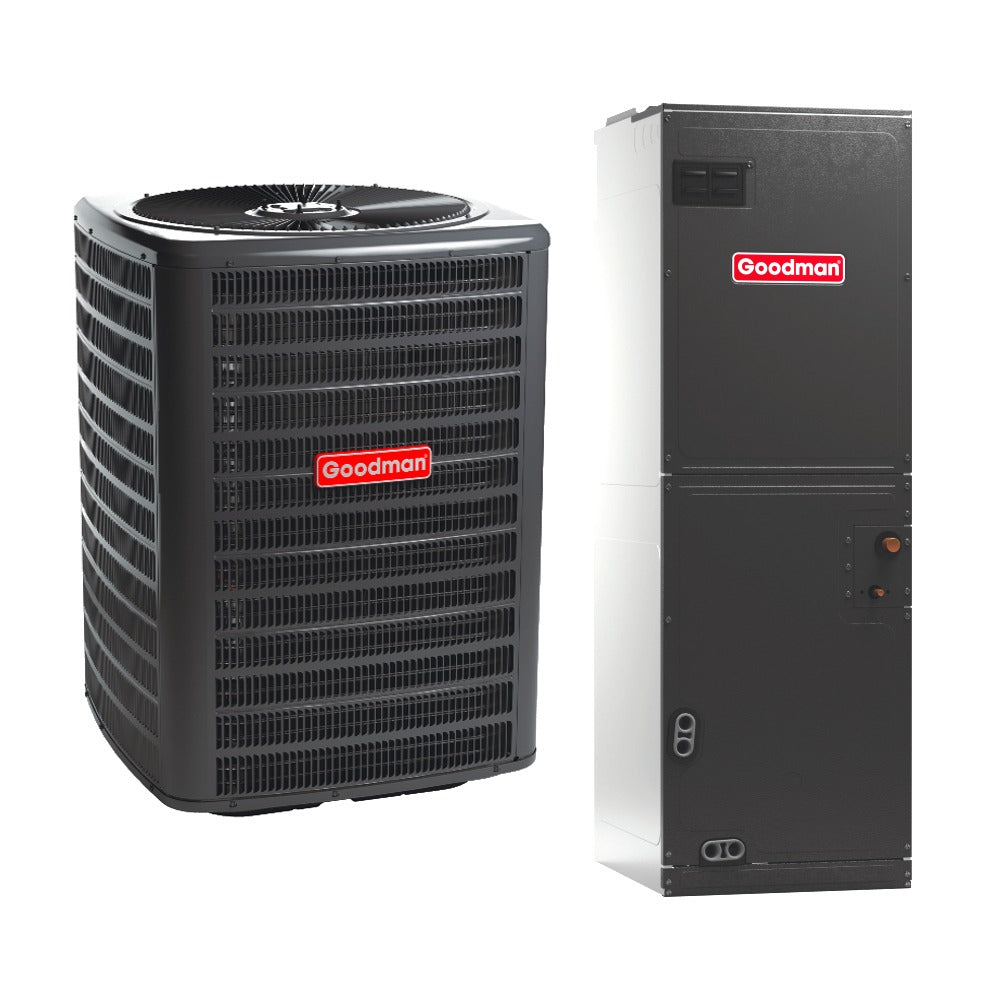

In today’s world, comfort isn’t just about cooling your home; it’s about cooling your home quietly. With urban noise, home offices, and late-night living, the demand for quiet air conditioners has never been higher. Homeowners are no longer willing to tolerate a noisy AC unit disturbing a good night’s sleep, conversations, or focused work. This is where the concept of the most quiet AC unit comes into play.
From quiet air conditioning units for bedrooms to the quietest central air conditioning systems for large homes, understanding what makes an AC truly silent is crucial. In this guide, we will explore the technology, design, and features that define silent air conditioning units, compare top solutions, and offer actionable advice on selecting the quietest central AC unit for your home or office.
Why Quiet Air Conditioning Matters
Noise from AC systems is more than a nuisance; it can affect quality of life. Constant or loud operation has been linked to:
-
Interrupted sleep patterns
-
Increased stress levels
-
Decreased productivity in home offices
-
Difficulty in concentration for reading or study
According to the Environmental Protection Agency (EPA), indoor noise from appliances can contribute to chronic stress and discomfort if left unaddressed. A whisper quiet air conditioner ensures you can enjoy cooling without sacrificing peace and comfort.
👉 (Source: EPA – Noise Pollution and Indoor Air Quality)
Understanding AC Noise: What Makes Some Units Louder Than Others
AC noise is typically measured in decibels (dB). Most traditional central air conditioners operate between 70–80 dB, which can be comparable to city traffic or a vacuum cleaner. Modern quiet central AC systems have reduced this to as low as 55–60 dB, providing a dramatic improvement in perceived quietness.
There are several sources of noise in air conditioning units:
-
Compressor Noise – The compressor is often the loudest component. High-quality quiet AC compressors reduce vibrations and operate more smoothly.
-
Fan Noise – Both indoor and outdoor fans contribute to sound levels. Variable-speed fans help maintain cooling quietly.
-
Airflow Turbulence – Poor duct design or blocked vents can increase noise.
-
Cabinet Vibration – Well-insulated units with anti-vibration mounts reduce rattling and humming.
For a deep dive into noise management in HVAC systems, the American Society of Heating, Refrigerating and Air-Conditioning Engineers (ASHRAE) provides comprehensive guidance.
👉 (Source: ASHRAE – Sound and Vibration in HVAC Systems)
Types of Quiet AC Units
1. Room Air Conditioners
The most quiet room air conditioners are typically inverter-driven mini-splits or high-efficiency window units. Features that make these systems quiet include:
-
Variable-speed compressors
-
Low-noise fan blades
-
Advanced vibration dampening
-
Smart thermostats that regulate cycles efficiently
Modern silent air conditioning units for bedrooms or offices can operate below 40 dB, making them nearly imperceptible.
2. Central Air Conditioning Units
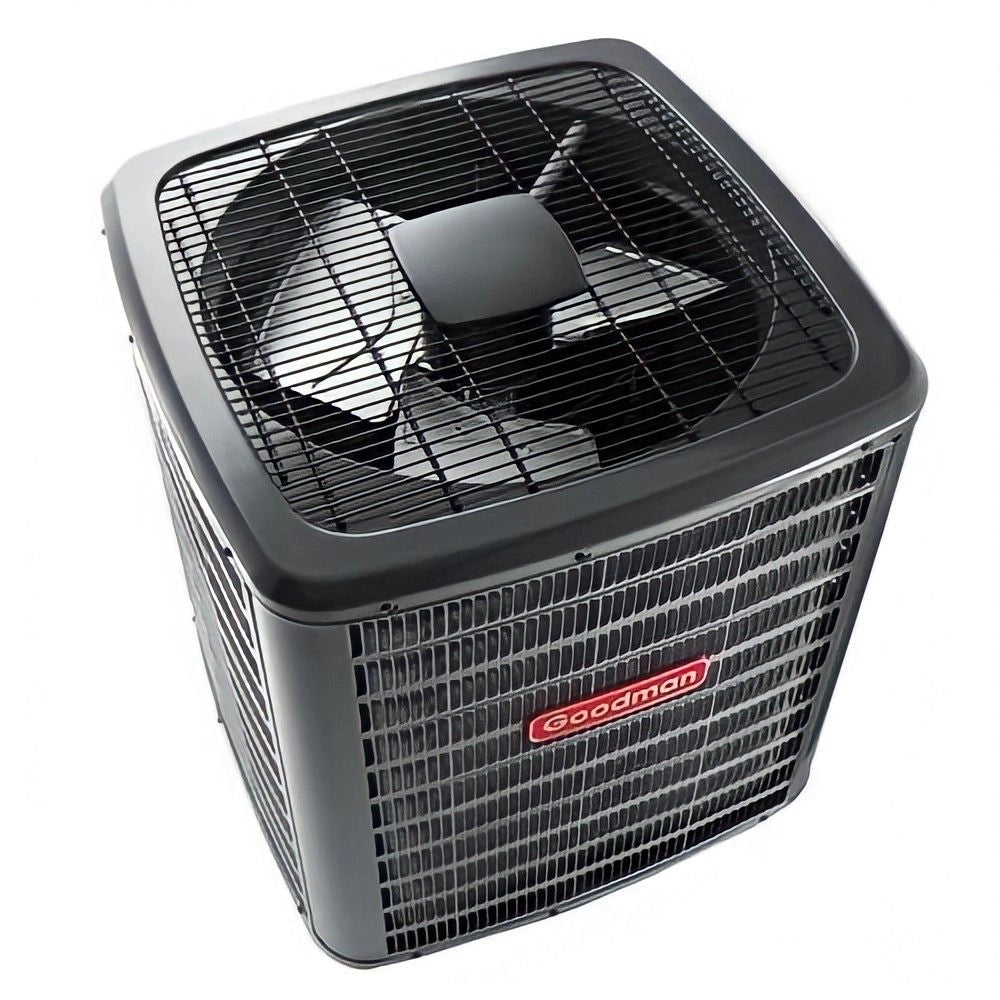
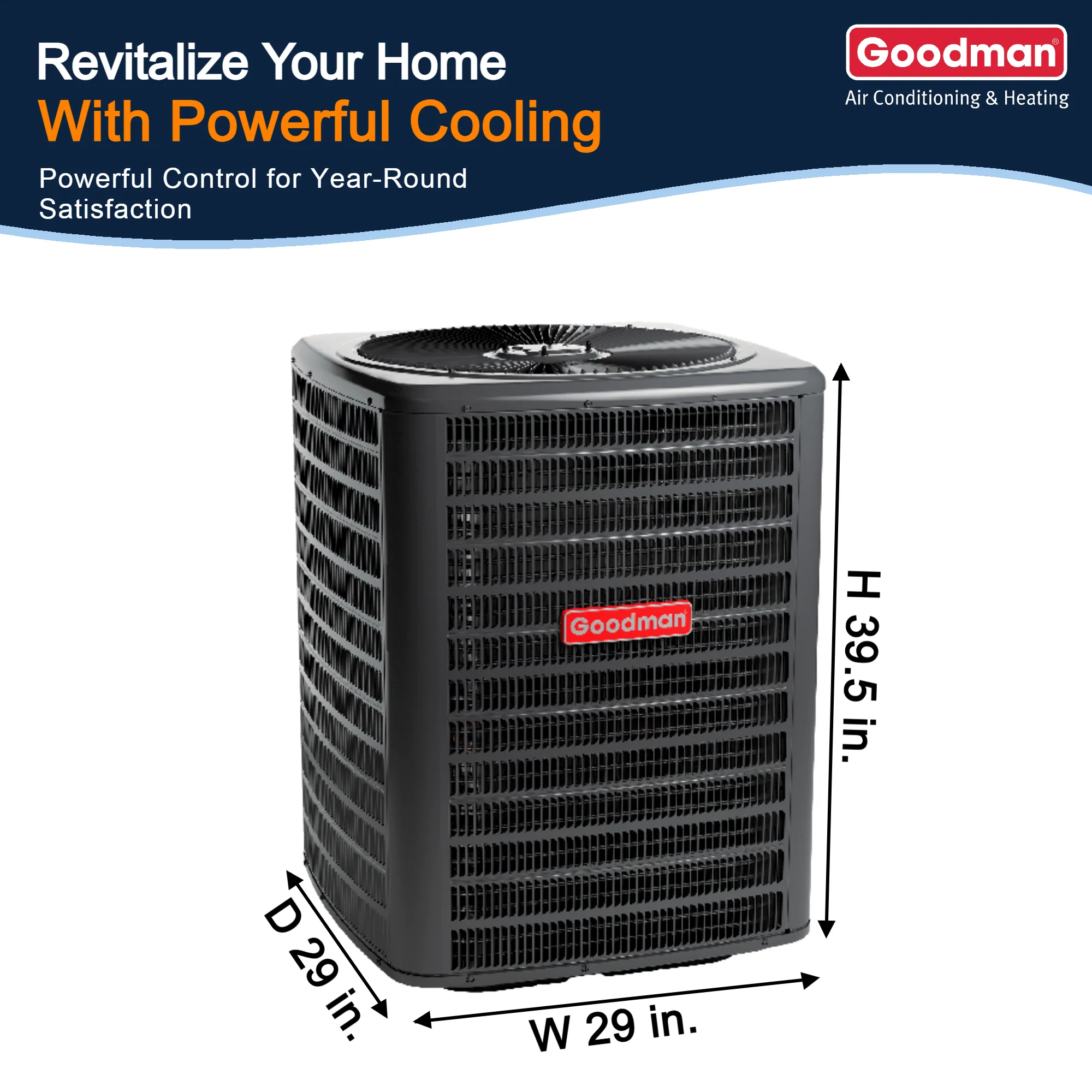
The quietest central AC units combine insulated compressor cabinets, variable-speed fans, and optimized coil designs. A properly sized quiet central AC will not only maintain comfort but also operate without producing the intrusive hum of traditional systems.
The top-tier most quiet central air conditioning systems can run at levels as low as 55 dB, often described by users as “whisper quiet air conditioners” in their homes. These systems achieve quiet performance through:
-
Multi-stage or variable-speed compressors
-
High-efficiency, aerodynamically optimized fans
-
Sound-dampening outdoor casings
-
Well-designed ductwork to minimize air turbulence
For guidance on selecting a quiet central air conditioner, the Department of Energy provides research and recommendations.
👉 (Source: DOE – Energy-Efficient Residential HVAC Systems)
3. Split and Packaged Systems
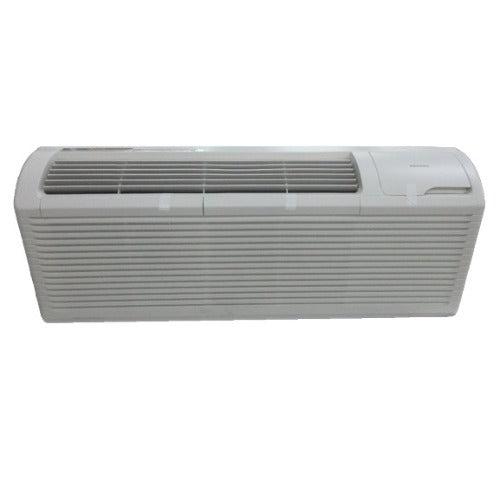
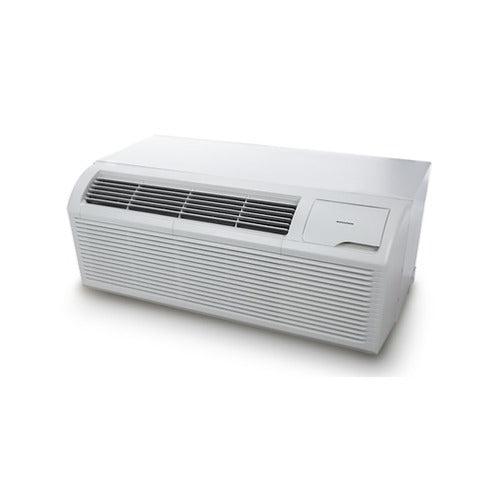
Packaged AC systems and split units also offer quiet operation if they include sound-reducing compressors and smart fan control. For commercial applications, choosing quietest central AC units can improve office productivity while maintaining energy efficiency.
Key Features of the Most Silent Air Conditioners
When shopping for the most quiet AC unit, these features should be top priorities:
-
Compressor Type – Inverter compressors and multi-stage compressors are significantly quieter than single-stage units.
-
Fan Design – Slow-spinning, aerodynamically designed fans reduce sound levels without compromising airflow.
-
Vibration Isolation – Rubber mounts or isolation pads prevent cabinet vibration from transferring noise.
-
Cabinet Insulation – Well-insulated metal cabinets reduce operational noise.
-
Ducting – Properly designed ductwork prevents turbulence that can amplify noise.
-
Smart Controls – Advanced thermostats optimize compressor and fan speeds to minimize unnecessary noise.
Comparing Noise Levels: Room vs Central Units
| Type | Typical Noise Level | Notable Features |
|---|---|---|
| Room Air Conditioner | 35–50 dB | Inverter technology, insulated casing, minimal airflow turbulence |
| Mini-Split | 38–42 dB | Variable-speed compressor, indoor wall-mounted quiet fan |
| Central AC | 55–65 dB | Multi-stage compressor, aerodynamically optimized condenser fan |
| Packaged System | 58–68 dB | Sound-insulated cabinet, multi-stage operation, optional noise blankets |
Installation Tips for a Quiet AC System
Even the quietest air conditioners can sound loud if installation is improper. Consider the following:
-
Mounting Location – Outdoor units should be placed away from bedrooms or frequently used rooms.
-
Vibration Pads – Reduce noise from the condenser unit.
-
Duct Sealing – Poorly sealed ducts can create rattling and whistling.
-
Fan Speed Settings – Use variable-speed or low-speed modes during night hours for quieter operation.
-
Maintenance – Clean coils and fans regularly to prevent uneven airflow and buzzing noises.
For comprehensive best practices, the Air-Conditioning, Heating, and Refrigeration Institute (AHRI) provides resources for professional installation standards.
👉 (Source: AHRI – HVAC Installation Guidelines)
Top Technologies in Quiet AC Units
1. Variable-Speed Compressors
Variable-speed compressors adjust output to meet the cooling demand, allowing the system to run at lower capacity during light load conditions. This reduces energy consumption and noise.
2. Multi-Stage Systems
Multi-stage systems provide two or more levels of cooling, running on low-stage operation most of the time. This is common in quietest central AC units and allows the system to operate with minimal sound during periods of light cooling demand.
3. Sound-Dampening Technology
Advanced quiet air conditioners use sound-absorbing insulation in compressor cabinets, noise-reducing fan designs, and aerodynamically engineered coils to minimize vibration and airflow noise.
4. Smart Thermostat Integration
By managing compressor and fan speeds efficiently, smart thermostats help achieve silent air conditioning units in practice, not just in theory.
Selecting the Quietest Central AC: Key Considerations
When evaluating quiet central AC units, pay attention to:
-
SEER Rating – Higher SEER units are typically quieter due to inverter-driven compressors.
-
Compressor Sound Rating – Check dB ratings for the compressor; quiet AC compressors usually fall below 65 dB.
-
Fan Type – Multi-speed, variable-speed, or ECM fans reduce operational noise.
-
Cabinet Design – Look for sound-dampening panels or insulated cabinets.
-
Installation Quality – Even a high-end unit will generate noise if ductwork is poorly designed.
Real-World Performance: Whisper Quiet Air Conditioners in Action
Homeowners consistently report a dramatic difference when upgrading to the most quiet room air conditioners or the quietest central AC units:
-
Bedrooms – Airflow is gentle, and compressor hum is imperceptible, promoting uninterrupted sleep.
-
Home Offices – Concentration improves without background noise from traditional AC systems.
-
Open-Concept Living Areas – Central air systems maintain consistent temperature without drawing attention to themselves.
Benefits of Investing in Quiet Air Conditioning
-
Improved Comfort – No more competing with background hum.
-
Better Sleep Quality – Essential for bedrooms and nurseries.
-
Increased Productivity – Quiet operation aids concentration and mental focus.
-
Long-Term Value – High-quality quiet AC units often have longer lifespans due to better engineering and lower operational stress.
Maintenance Tips to Keep Your AC Silent
Even the most silent air conditioner requires routine maintenance to sustain quiet performance:
-
Clean or replace air filters regularly
-
Keep coils free from debris
-
Inspect ductwork for leaks or gaps
-
Ensure fans are lubricated and free of obstruction
-
Verify compressor mounts and vibration pads are intact
Proper maintenance ensures that your quiet central AC remains whisper-quiet throughout its lifecycle.
Conclusion: Achieving a Truly Quiet Home
When it comes to comfort, modern homeowners demand both cool air and quiet operation. Selecting the most quiet AC unit — whether a room air conditioner, mini-split, or central AC system — involves attention to technology, installation, and maintenance. To explore quiet central AC options, visit The Furnace Outlet.
From whisper quiet air conditioners to the quietest central air conditioning systems, the right unit improves quality of life, sleep, and overall home experience. By prioritizing quiet air conditioning units, you can enjoy the perfect balance of cooling efficiency, energy savings, and silent comfort for years to come.