
When it comes to modern home heating, homeowners are increasingly looking for electric solutions that are both efficient and low-maintenance. Whether you are replacing an outdated system or installing a new heating solution, the best electric furnace can provide reliable warmth without the complexities of gas piping, oil tanks, or combustion-based systems.
In this comprehensive guide, we’ll cover everything you need to know about top rated electric furnaces, including how they work, efficiency considerations, sizing, installation, cost, and maintenance best practices. By the end, you’ll have the knowledge to make an informed choice that balances performance, comfort, and long-term value.
Understanding Electric Furnaces
An electric furnace is a heating system that uses electric resistance elements to generate heat. Unlike gas or oil furnaces, which combust fuel to produce warmth, electric furnaces convert electricity directly into heat. This process is safe, clean, and highly controllable, making electric furnaces a top choice for homeowners in regions with reliable electricity and where gas service may be unavailable or undesirable.
How Electric Furnaces Work
Electric furnaces operate using a few key components:
-
Heating Elements – Typically made of nickel-chromium wire, these elements generate heat when an electric current passes through them.
-
Blower Fan – Circulates air through the furnace and into the home’s ductwork.
-
Thermostat Control – Monitors indoor temperature and adjusts the heating elements to maintain the desired temperature.
-
Safety Controls – Include limit switches and fuses to prevent overheating.
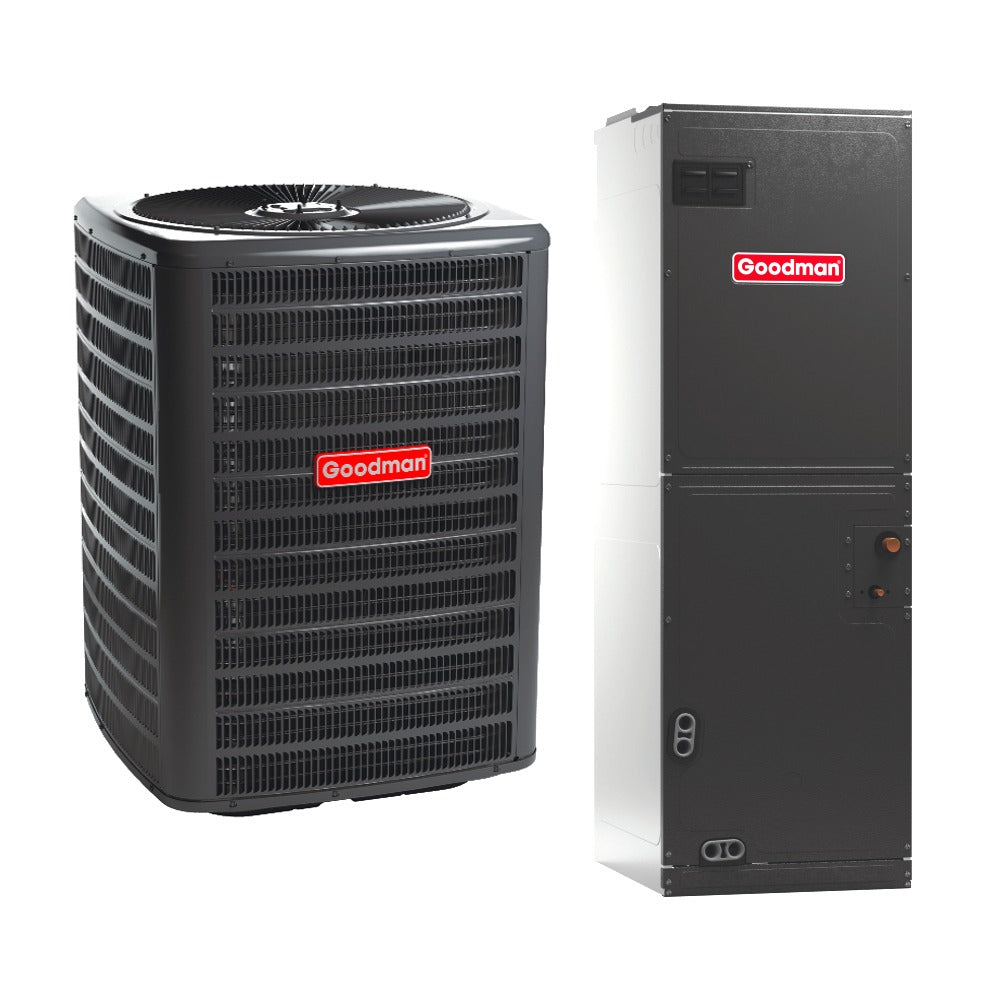
Electric furnaces can be paired with central air conditioning systems to provide year-round climate control, making them compatible with ducted systems already in place.
For a technical overview of how electric furnaces operate, the U.S. Department of Energy provides a thorough resource on residential electric heating systems.
👉 (Source: DOE – Electric Heating Systems)
Advantages of Electric Furnaces
When considering the best electric furnace, several key benefits set electric models apart from their gas or oil counterparts:
-
Safety – No combustion occurs, eliminating risks associated with carbon monoxide or gas leaks.
-
Low Maintenance – Fewer moving parts and no fuel storage means less upkeep and fewer annual inspections.
-
Clean Operation – Electric furnaces produce no indoor emissions or soot.
-
Compatibility – Easily integrates with ducted systems and central air conditioning.
-
Longevity – With proper maintenance, an electric furnace can last 20–30 years.
-
Zoning Capability – Advanced electric furnaces can be paired with zoned thermostats for customized comfort across multiple areas of a home.
Efficiency and Cost Considerations
Efficiency is one of the primary factors when selecting top rated electric furnaces. Unlike gas furnaces, which often achieve 80–98% efficiency, electric furnaces are nearly 100% efficient at converting electricity into heat. However, electricity cost varies by region, and this affects operating expenses.
Comparing Electric and Gas Furnace Costs
| System Type | Efficiency | Typical Fuel Cost | Maintenance | Safety Considerations |
|---|---|---|---|---|
| Electric Furnace | ~100% | Moderate to High (depends on electricity rate) | Low | Very safe |
| Gas Furnace | 80–98% | Typically lower | Moderate | Requires ventilation, combustion risk |
| Oil Furnace | 80–90% | Variable | Moderate to High | Requires storage and handling |
Although electric furnaces may have higher operational costs in regions with expensive electricity, the trade-off is simplicity, safety, and low maintenance. For homeowners who value reliability and minimal service requirements, these systems remain highly attractive.
Types of Electric Furnaces
Not all electric furnaces are created equal. Understanding the different types can help you select the best electric furnace for your home:
1. Standard Single-Stage Electric Furnaces
These furnaces operate at full capacity whenever heating is required. They are simple, reliable, and often the most cost-effective to purchase.
Pros:
-
Affordable upfront cost
-
Simple operation
-
Easy to maintain
Cons:
-
Less precise temperature control
-
Can cycle frequently, leading to uneven heating
2. Two-Stage Electric Furnaces
Two-stage models operate at either a lower or higher output, providing more consistent temperature control and improved efficiency.
Pros:
-
Improved comfort
-
Reduced temperature swings
-
Lower energy use compared to single-stage
Cons:
-
Higher upfront cost
-
More complex installation
3. Variable-Speed Electric Furnaces
The most advanced option, variable-speed furnaces adjust blower and heating output incrementally. They are compatible with zoned systems and provide near-constant comfort while minimizing energy use.
Pros:
-
Superior comfort
-
Energy-efficient operation
-
Works well with modern thermostats and smart controls
Cons:
-
Highest cost
-
Requires professional installation
Choosing the Best Electric Furnace: Key Features to Consider
When evaluating top rated electric furnaces, focus on these features:
-
Heating Capacity (kW) – Determines the amount of heat the furnace can produce. Larger homes require higher-capacity units.
-
Blower Motor Type – Variable-speed or multi-speed motors improve comfort and reduce noise.
-
Thermostat Compatibility – Ensure the furnace can integrate with modern or smart thermostats.
-
Safety Features – Look for limit switches, circuit breakers, and automatic shut-off for overheating protection.
-
Warranty and Brand Reputation – Choose units with reliable warranties and strong customer reviews.
According to the Air-Conditioning, Heating, and Refrigeration Institute (AHRI), properly sized and certified units are essential for safety, efficiency, and performance.
👉 (Source: AHRI – Furnace Selection Guidelines)
Sizing Your Electric Furnace
Proper sizing is critical to comfort and efficiency. Oversized units can short-cycle, wasting energy, while undersized units may fail to adequately heat the home.
Rule of Thumb
-
Small rooms (<1,000 sq. ft.) – 5–7 kW
-
Medium homes (1,000–2,000 sq. ft.) – 8–12 kW
-
Large homes (>2,000 sq. ft.) – 12–18 kW
Professional calculation using a Manual J load calculation is recommended for accurate sizing. Improper sizing can lead to reduced efficiency and uneven heating.
The U.S. Department of Energy offers guidance on sizing for residential electric furnaces.
👉 (Source: DOE – Sizing Electric Heating Systems)
Installation Considerations
Installation is a key factor in performance and lifespan:
-
Ductwork Integration: Ensure ducts are properly sealed to maximize efficiency.
-
Electrical Supply: Electric furnaces require dedicated circuits; confirm your home’s panel can support the load.
-
Placement: Indoor placement should allow for airflow and easy maintenance access.
-
Professional Installation: Certified HVAC professionals ensure safety, code compliance, and optimal operation.
Maintenance Tips for Longevity
Even top rated electric furnaces require minimal but consistent maintenance:
-
Replace or clean air filters monthly during the heating season
-
Inspect blower fans and motors annually
-
Check for loose wiring or corrosion
-
Keep the area around the furnace clean and unobstructed
Regular maintenance ensures consistent performance and extends the furnace’s lifespan, often exceeding 20 years with proper care.
Top Rated Electric Furnace Brands
When searching for the best electric furnace, certain manufacturers consistently receive high ratings for reliability, efficiency, and customer satisfaction. While availability and local HVAC contractors influence options, look for brands with:
-
AHRI certification
-
Positive reviews on reliability and support
-
Energy-efficient models with high SEER/AFUE ratings
Top rated electric furnaces frequently appear in independent consumer reports and professional HVAC reviews. For homeowners evaluating brands and efficiency standards, Energy Star provides a reliable certification program.
👉 (Source: Energy Star – Electric Furnaces)
Cost Considerations
-
Upfront Cost: Electric furnaces typically range from $1,500 to $5,000 depending on capacity, features, and brand.
-
Installation Cost: Installation varies by complexity but generally runs $500–$2,000.
-
Operating Cost: Depends on electricity rates and usage; electric furnaces are nearly 100% efficient but may have higher utility costs than gas in some regions.
A thorough cost-benefit analysis helps homeowners determine long-term savings and efficiency compared to alternative heating solutions.
Advantages for Modern Homes
-
Clean, Safe Heating – No combustion, no fumes.
-
Reliable Performance – Minimal moving parts reduce breakdown risk.
-
Integration with AC – Pairs seamlessly with existing ducted cooling systems.
-
Zoning Options – Advanced models support room-by-room heating.
-
Quiet Operation – Electric resistance heating is quieter than gas combustion.
Conclusion
Choosing the best electric furnace requires careful consideration of capacity, efficiency, installation, and maintenance. Top rated electric furnaces offer safe, clean, and reliable heating for modern homes, making them a compelling alternative to gas and oil systems.
By prioritizing professional installation, correct sizing, and maintenance, homeowners can enjoy decades of dependable, efficient, and quiet heating with minimal hassle. To explore other AC options, visit The Furnace Outlet.
For those evaluating long-term comfort, energy efficiency, and safety, investing in a top rated electric furnace is a decision that balances performance, peace of mind, and operational simplicity.