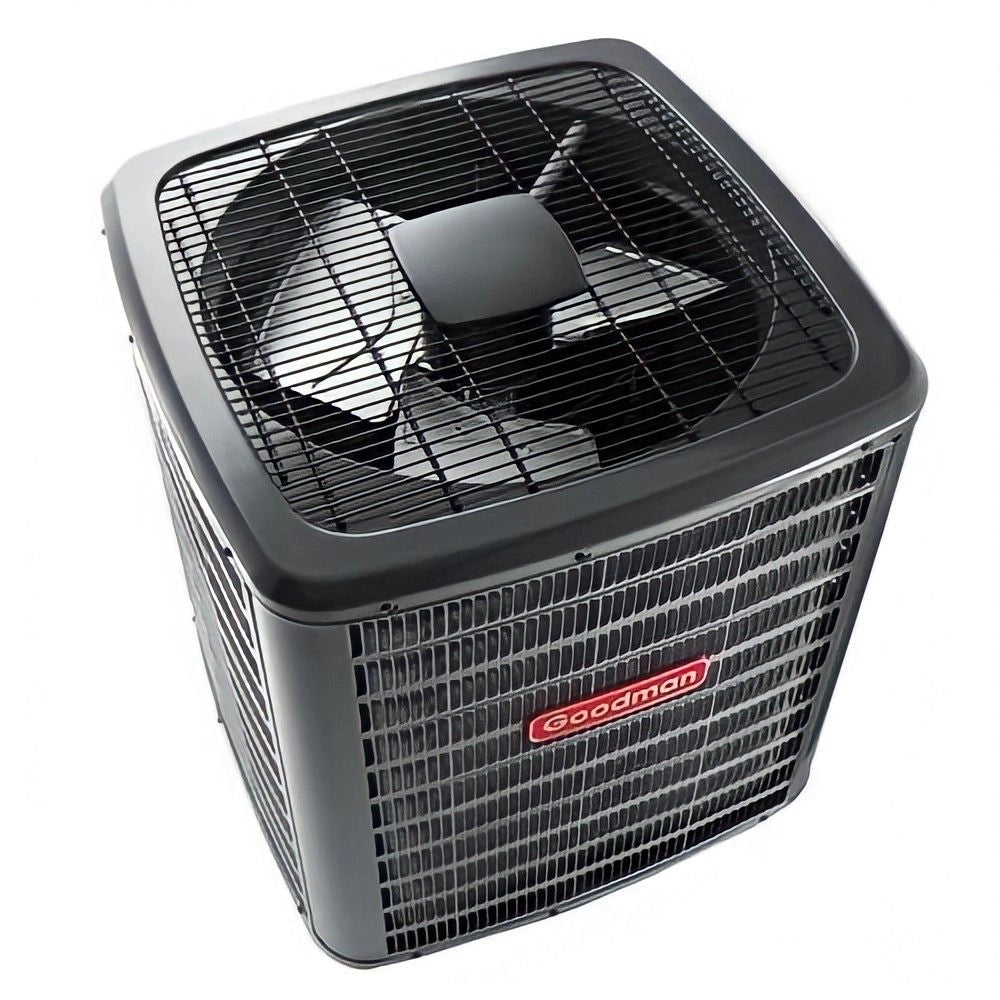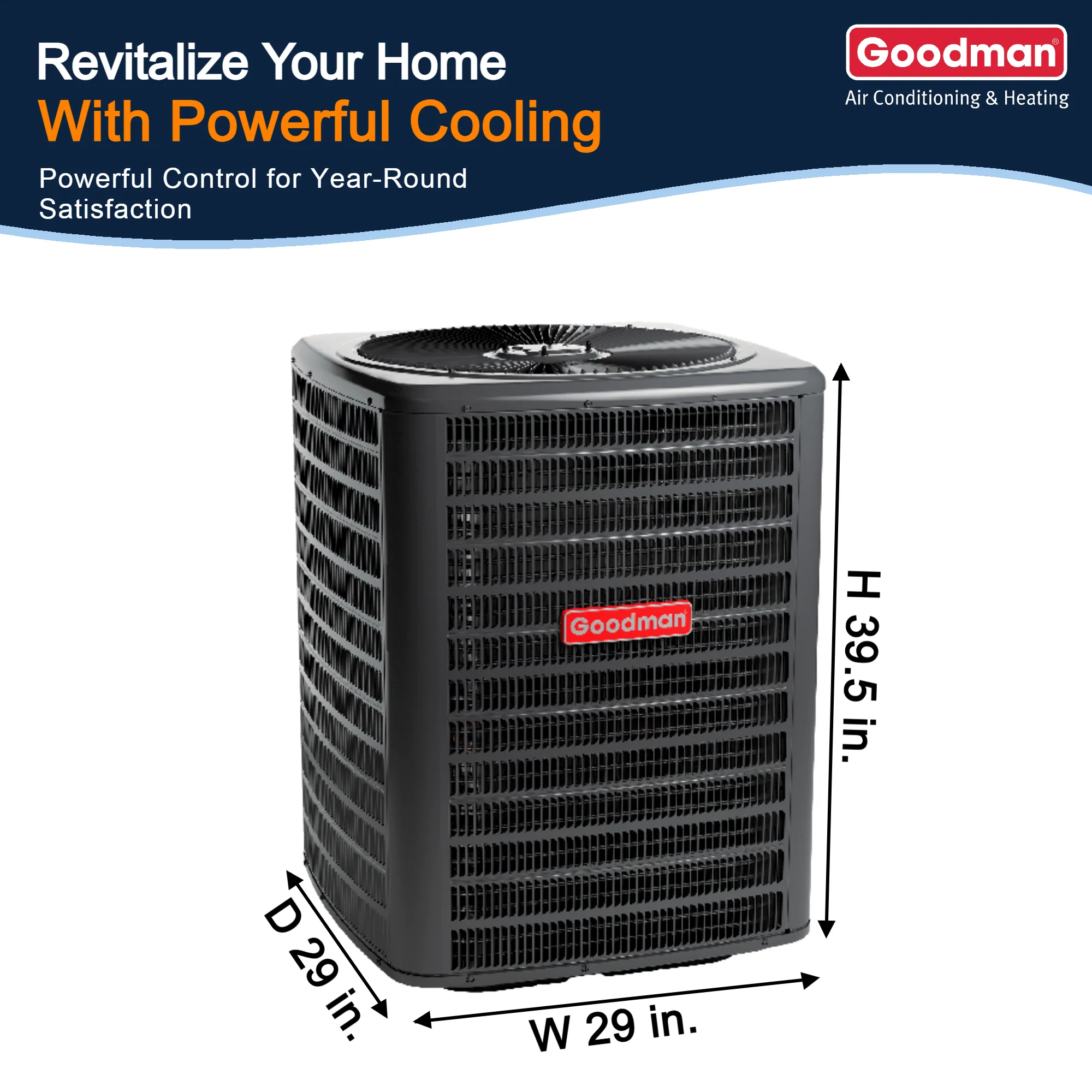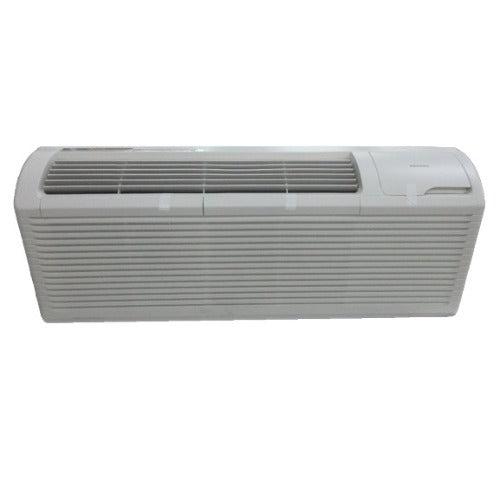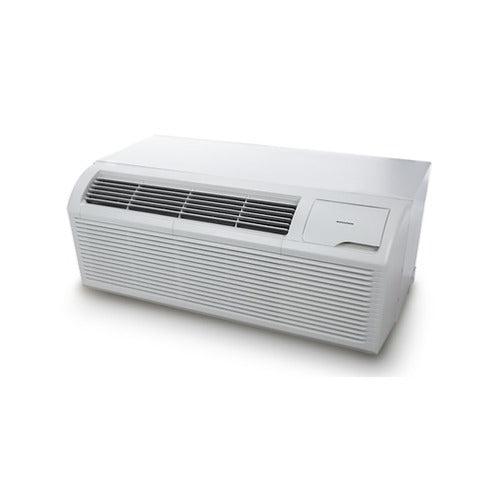

The HVAC landscape has evolved dramatically over the last decade. Where heating and cooling were once independent systems that worked parallel to one another, today’s technology integrates them into single, high-efficiency solutions capable of handling year-round climate control with precision and reduced operational cost. This evolution positions the best 5 ton heat pump package unit as a leading choice for homeowners, small commercial properties, and building managers looking for reliability, efficiency, and long-term ROI.
Increasing energy standards, federal and state-level decarbonization goals, and shifting consumer behavior toward lower emissions and higher-efficiency equipment continue to shape the demand for the best AC heat pump units across the U.S. The modern heat pump package system is no longer simply an alternative to traditional split systems — it is rapidly becoming the primary solution for moderate and warm-climate regions, as well as areas seeking to reduce fossil-fuel dependency.
This guide provides a detailed, unbiased breakdown of what to consider, how package heat pump units operate, how they compare to traditional HVAC systems, sizing and performance considerations for 5-ton solutions, and how to determine whether a packaged heat pump system aligns with the long-term financial and operational goals of your building.
Understanding What a 5 Ton Heat Pump Package Unit Actually Is
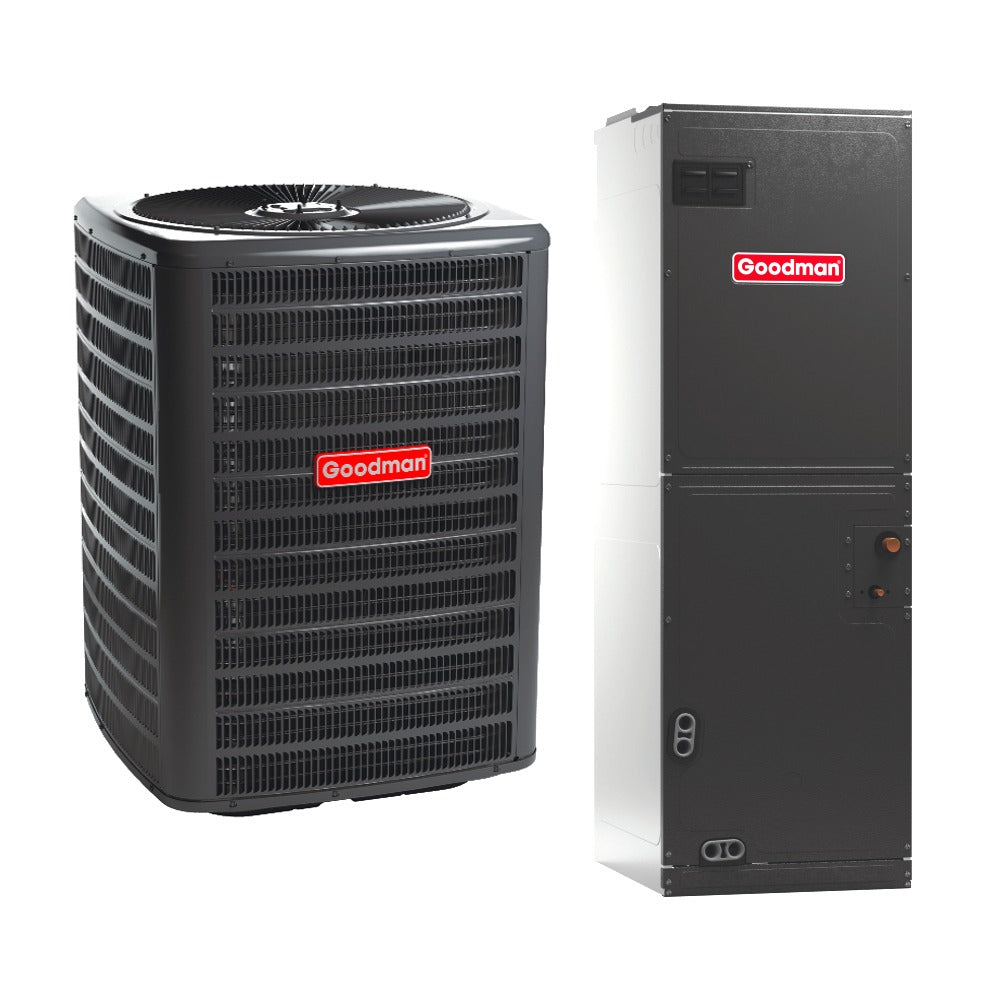
A 5 ton heat pump package unit refers to a self-contained, all-in-one HVAC system that provides heating and cooling from a single outdoor cabinet. Unlike traditional split systems — which require both an indoor furnace/air handler and outdoor condenser — packaged heat pumps combine components into one unit typically installed on a roof or concrete slab.
A 5-ton system provides a cooling capacity of 60,000 BTU per hour, making it ideal for:
-
Homes over 2,500 sq. ft. in warm climates
-
Multi-family buildings
-
Small offices and retail environments
-
Warehouses with partial conditioning needs
-
Modular classrooms and temporary structures
-
Churches, community centers, and municipal offices
In HVAC terminology, “tonnage” does not refer to weight — it references cooling capacity. One ton of cooling equals the amount of heat needed to melt one ton of ice over a 24-hour period. Therefore, a 5-ton system is five times that cooling capacity output.
Why the Best AC Heat Pump Units Are Replacing Traditional HVAC Systems
There are five primary drivers leading to growth in heat pump adoption:
1. Reduced Operating Cost
Because a heat pump moves heat rather than generating heat, operational costs decline significantly — particularly in moderate climates.
The U.S. Department of Energy confirms that modern heat pumps use up to 65% less electricity compared to electric resistance heating methods such as baseboard or electric furnaces.
👉 (Source: U.S. DOE – Energy Efficiency & Renewable Energy)
2. Energy Efficiency Standards Are Increasing
New regulatory initiatives — including minimum efficiency updates and refrigerant phase-downs — reinforce the heat pump’s longevity as a forward-compatible investment.
3. A Heat Pump Replaces Two Systems
One installation replaces both:
-
A traditional AC condenser
-
A combustion furnace
That reduces maintenance points and eliminates carbon monoxide risks associated with gas-based heating systems.
4. Electrification Initiatives Are Accelerating
Whether or not the end user supports electrification goals, the market reality is clear: more municipalities are limiting gas line expansion. Some are also offering rebate incentives.
The Environmental Protection Agency provides ongoing documentation on household electrification, equipment transition, and incentives under federal programs.
👉 (Source: EPA – ENERGY STAR Electrification & Heat Pump Programs)
5. Packaged Units Reduce Installation Footprint
For facilities where mechanical room space is limited, packaged heat pumps:
-
Free up indoor space
-
Reduce wall and ceiling disruption
-
Consolidate HVAC maintenance to the exterior
Is a 5 Ton Heat Pump the Right Size? Understanding Load Requirements
Incorrect sizing remains the #1 cause of HVAC system failure across the country. Oversized systems short cycle — turning on and off rapidly — leading to humidity imbalance and premature compressor wear. Undersized systems strain continuously, spiking energy usage and shortening lifespan.
Climate, insulation, duct design, window placement, ceiling height, and building orientation all influence correct sizing.
Rule-of-thumb math (which is not professional calculation) suggests approximately 1 ton per 500–600 sq. ft. in hot climates, but this can be misleading.
The Air Conditioning Contractors of America provides the gold standard load calculation method: Manual J.
👉 (Source: ACCA – Residential Load Calculation)
Commercial and modular structures may require Manual N, the commercial equivalent.
Any investment in a best 5 ton heat pump package unit should align with measured load analysis, not assumed footage.
How Heat Pump Package Units Work — A Simplified Breakdown
Cooling Mode
-
Refrigerant absorbs indoor heat
-
Transfers heat outdoors
-
Rejects heat to outside air through coil
-
Indoor air cools and dehumidifies
Heating Mode
-
Refrigerant flow reverses
-
System extracts heat from outdoor air
-
Compresses heat
-
Delivers warmed air inside
Even in outside temperatures near freezing, heat pumps extract available heat energy thanks to modern inverter compressor technology and variable-speed airflow.
Heat pumps are viable in colder climates; however, they require supplemental or dual-fuel strategies. The DOE provides guidance on climate-zone suitability for heat pumps.
👉 (Source: DOE – Heat Pump Climate Zone Suitability)
Evaluating the Best AC Heat Pump Units: Efficiency Metrics
When comparing units, two ratings matter most:
| Metric | Measures | Relevance |
|---|---|---|
| SEER2 | Cooling efficiency | Energy cost during warm seasons |
| HSPF2 | Heating efficiency | Winter & shoulder-season cost |
Higher SEER2 reduces summer electricity expense. Higher HSPF2 reduces winter expense. For large-capacity systems like 5-ton units, even a 1-point efficiency increase can result in measurable utility savings over a 10-year lifecycle.
Variable-speed blower motors and inverter compressors are essential features in modern high-performance package heat pump systems. They allow gradual modulation based on real-time temperature demand rather than binary “on/off” cycling.
Comparing Packaged Heat Pump Systems to Split System Installations
| Feature | Packaged Heat Pump | Traditional Split System |
|---|---|---|
| Component Location | All in one outdoor cabinet | Indoor + outdoor components |
| Maintenance Access | Exterior | Interior & exterior |
| Duct Requirements | Shared | Shared |
| Heat Source | All-electric | Gas or electric |
| Footprint | Minimal indoor | Indoor equipment space required |
| Best Use Case | Larger homes & light commercial | Flexible installation needs |
Packaged units dominate in:
-
Flat-roof structures
-
Warm climates
-
Buildings with limited mechanical space
-
Where installation simplicity reduces labor cost
Lifecycle Expectations and Longevity
A well-maintained packaged heat pump typically lasts:
-
13–18 years in moderate climates
-
10–14 years in high humidity, salt-air, or industrial regions
Factors that reduce lifespan:
-
Improper refrigerant charging
-
Poor duct design
-
Unaddressed airflow restriction
-
Coil corrosion
-
Short cycling caused by incorrect sizing
Annual coil cleaning, filter replacement, and refrigerant verification are non-negotiable.
Environmental Considerations and Refrigerant Changes
The industry transition away from legacy refrigerants is accelerating. Stakeholders evaluating capital investment timelines should prioritize systems compatible with next-generation refrigerant requirements.
Heat pumps inherently support carbon reduction goals by eliminating combustion heating mechanisms and lowering greenhouse gas contributions associated with fossil fuel consumption. The EPA provides regulatory updates on refrigerants and policy changes.
👉 (Source: EPA – Refrigerants & Regulatory Changes)
What to Look for When Choosing the Best 5 Ton Heat Pump Package Unit
When evaluating the best AC heat pump units, decision criteria should prioritize:
-
SEER2 and HSPF2 ratings (minimum standard vs. high-efficiency tier)
-
Compressor technology (single-stage, two-stage, inverter)
-
Cabinet durability (paint, metal gauge, coastal protection)
-
Sound levels and acoustic insulation
-
Filter accessibility and indoor air quality components
-
Compatibility with future refrigerant updates
-
Warranty structure (not just length — what is excluded?)
-
Operational noise profile
-
Ease of service (technician access matters for lifecycle cost)
Commercial vs Residential Application Differences
While a 5-ton packaged heat pump may serve both sectors, the purchasing criteria differ:
Residential priorities:
-
Utility cost savings
-
Comfort control
-
Smart thermostat integration
Commercial priorities:
-
Reliability & service continuity
-
Simplicity of rooftop installation
-
Reduced downtime risk
-
Filter standardization across multiple units
Commercial property decision-making often values predictable maintenance over maximum efficiency. Residential customers frequently prefer the opposite.
The Role of Duct Design in Heat Pump Performance
Heat pump efficiency is only as effective as the ductwork that supports it. Improper ductwork creates:
-
Pressure imbalance
-
Air leakage
-
Temperature zoning issues
-
System strain
The U.S. Department of Energy reports that duct leakage can lead to 20–30% efficiency loss in U.S. homes — a figure too large to ignore in total system ROI.
(Previously cited DOE resource)
Investing in a 5-ton system without addressing duct science is equivalent to installing a commercial kitchen and serving meals through a straw.
Financial Considerations and Cost of Ownership
Package heat pump pricing includes:
-
Equipment
-
Electrical connection
-
Concrete pad or rooftop support
-
Duct modifications (if required)
-
Thermostat integration
-
Startup commissioning
Ongoing expenses include:
-
Annual coil cleaning
-
Filter replacement
-
Occasional refrigerant service
-
Blower motor wear
-
Capacitors, contactors, and sensor replacement
However, the total cost of ownership frequently favors heat pumps due to lower heating cost vs. resistance or oil heat.
Is a 5 Ton Heat Pump Package Unit Right for You?
Choose a packaged heat pump if:
-
You want an all-electric HVAC solution
-
You want simplified maintenance architecture
-
Your building lacks mechanical room environment
-
You seek a long-term energy strategy
However:
-
Colder climates may require supplemental heat strategies
-
Duct integrity must be verified
-
Sizing requires calculation, not assumption
Conclusion
The best 5 ton heat pump package unit represents more than just a replacement HVAC system — it is a strategic investment in building sustainability, energy cost reduction, simplified maintenance, and long-term modernization. The best AC heat pump units offer year-round comfort through a single platform capable of managing temperature with efficiency levels that older systems simply cannot match.
Evaluating technology, efficiency ratings, environmental positioning, building configuration, and lifecycle cost ensures alignment with performance expectations and long-term value. To explore other AC options, visit The Furnace Outlet.
While heat pumps are not universally perfect for every climate or building condition, their role in the future of HVAC is no longer speculative — it is operational, economical, and rapidly becoming standard.