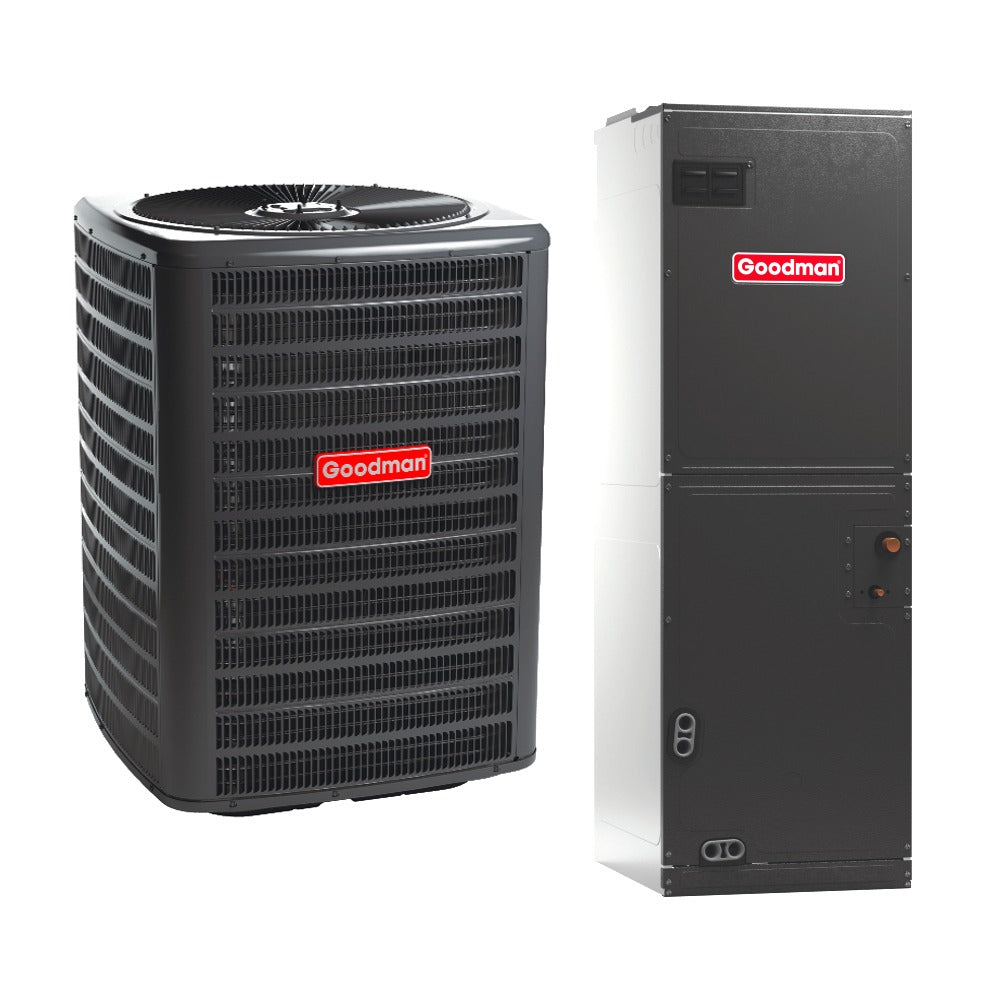

When homeowners upgrade to a Goodman HVAC system, they often expect instant comfort improvements. But here’s the truth I learned the hard way: your ducts decide whether that new system performs like a premium upgrade—or like a very expensive fan.
You can install a perfectly sized, high-efficiency Goodman system and still struggle with:
-
uneven room temperatures
-
loud airflow or whistling
-
short cycling
-
higher-than-expected energy bills
Why? Because ductwork integration was treated as an afterthought.
This guide explains how to integrate your existing (or new) ductwork with a Goodman system so airflow is balanced, quiet, efficient, and built to last.
🧠 Why Ductwork Integration Matters with Goodman Systems
Goodman systems are designed around specific airflow targets (measured in CFM — cubic feet per minute). If your ducts can’t deliver that airflow smoothly:
-
blower motors work harder and fail sooner
-
comfort complaints never really go away
Ductwork isn’t just “air delivery.” It’s the performance multiplier of your HVAC system.
📐 Step 1: Understand the Airflow Your Goodman System Needs
Before touching a single duct, airflow requirements must be clear.
General airflow rule of thumb
-
~400 CFM per ton of cooling
-
3-ton system → ~1,200 CFM
-
3.5-ton system → ~1,400 CFM
-
4-ton system → ~1,600 CFM
-
Goodman publishes airflow tables in their installation manuals showing:
-
required airflow ranges
-
blower speed settings
-
acceptable static pressure limits
🔗 External reference (Goodman installation guidance example):
https://iwae.com/media/manuals/goodman/glxs4b-installation.pdf
If ducts can’t move this air comfortably, the system will always feel “off.”
🧩 Step 2: Evaluate Existing Ductwork Before Installation
This step saves the most money—and prevents the most regret.
Inspect for common problems
-
undersized main trunk lines
-
crushed or kinked flex duct
-
sharp 90° turns right off the unit
-
disconnected or leaking joints
-
missing or damaged insulation
Red flags I never ignore
-
multiple rooms uncomfortable in different seasons
-
excessive dust
-
loud airflow noise
-
return grilles that “whistle”
If these existed before, a new Goodman system won’t magically fix them.
📦 Step 3: Match Supply Plenum Size to the System (Not the Old Unit)
One of the most common integration mistakes is reusing an undersized plenum.
Why this matters
The supply plenum is the first “launch point” for airflow. If it’s too small:
-
static pressure spikes immediately
-
airflow becomes turbulent
-
noise increases
-
downstream rooms starve for air
Best practices
-
Increase plenum size when upsizing system capacity
-
Use gradual transitions instead of abrupt reductions
-
Seal all seams with mastic (not just tape)
Goodman blowers are capable—but they shouldn’t be forced to fight bad geometry.
🔄 Step 4: Balance Return Air (This Is Half the System)
Supply air gets all the attention. Return air is just as important.
What balanced return air does
-
reduces blower strain
-
lowers noise
-
improves temperature consistency
-
protects the heat exchanger and coil
Common return-side mistakes
-
single small return for a large system
-
filters installed in restrictive locations
-
long, undersized return runs
Smart return upgrades
-
add additional return grilles
-
upsize return duct diameter
-
use low-resistance filter grilles
🔗 External reference (return air & duct basics)
If air can’t get back to the system easily, supply airflow always suffers.
📏 Step 5: Duct Sizing Isn’t Guesswork (Why “Close Enough” Fails)
Every duct has a job: move a specific amount of air quietly.
Why oversized and undersized ducts both cause problems
-
Too small → noise, pressure, uneven rooms
-
Too large → weak airflow, poor mixing, comfort swings
Proper sizing accounts for:
-
airflow (CFM)
-
duct length
-
number of turns
-
material (metal vs flex)
🔗 External reference (Manual D duct design overview):
Even small sizing improvements can dramatically change comfort.
🔀 Step 6: Transitions, Turns & Fittings (Where Airflow Is Won or Lost)
Air hates sudden changes.
Best practices for transitions
-
use long, tapered reducers
-
avoid square-to-round “hard stops”
-
never choke airflow right off the unit
Turning air correctly
-
avoid tight 90° turns when possible
-
use turning vanes in metal ducts
-
keep flex duct stretched tight (no sagging)
Every sharp turn adds resistance—stack enough of them, and airflow collapses.
🧵 Step 7: Flex Duct vs Metal Duct (Using Each Correctly)
Both have a place—when used properly.
Flex duct works best when:
-
runs are short
-
duct is fully stretched
-
bends are gentle
-
diameter is generous
Metal duct excels when:
-
airflow volume is high
-
noise control matters
-
space allows clean routing
-
longevity is a priority
Poorly installed flex duct is one of the biggest airflow killers in modern homes.
🧱 Step 8: Seal Everything (Yes, Everything)
Air leaks steal efficiency silently.
Where leaks usually hide
-
plenum seams
-
take-offs
-
old tape joints
-
attic connections
Best sealing materials
-
mastic + mesh
-
UL-rated foil tape (as reinforcement, not primary seal)
🔗 External reference (duct sealing best practices)
Sealing ducts can recover 10–30% of lost airflow in older systems.
🔊 Step 9: Noise Control Through Proper Integration
Goodman systems are quiet—but ducts amplify mistakes.
Noise often comes from:
-
high static pressure
-
undersized returns
-
metal-to-metal vibration
-
blower speeds set too high
Noise-reduction strategies
-
lined return plenums
-
isolation boots
-
proper airflow balancing
-
vibration isolation at the unit
Quiet systems are usually well-designed, not just well-installed.
🧪 Step 10: Verify Airflow After Integration (Don’t Skip This)
Integration isn’t complete until it’s measured.
What should be checked
-
total external static pressure
-
room-to-room airflow balance
-
temperature rise (heating)
-
supply temperature split (cooling)
🔗 External reference (airflow verification basics):
https://www.energy.gov/energysaver/maintaining-your-air-conditioner
If numbers aren’t checked, performance is assumed—and assumptions fail homes.
🚩 Common Ductwork Integration Red Flags
Pause the install if you see:
-
duct tape only (no mastic)
-
flex duct compressed or twisted
-
undersized return paths
-
plenum reused without resizing
-
airflow complaints dismissed as “normal”
Good installers measure. Great installers explain.
🧡 Samantha’s Final Advice
Your Goodman system can only be as good as the air paths supporting it.
When ductwork is integrated correctly:
-
rooms stay even
-
systems run quieter
-
efficiency ratings actually matter
-
equipment lasts longer
Buy this on Amazon at: https://amzn.to/43doyfq
In the next topic we will know more about: Common Pitfalls During Installation (And How to Avoid Them)