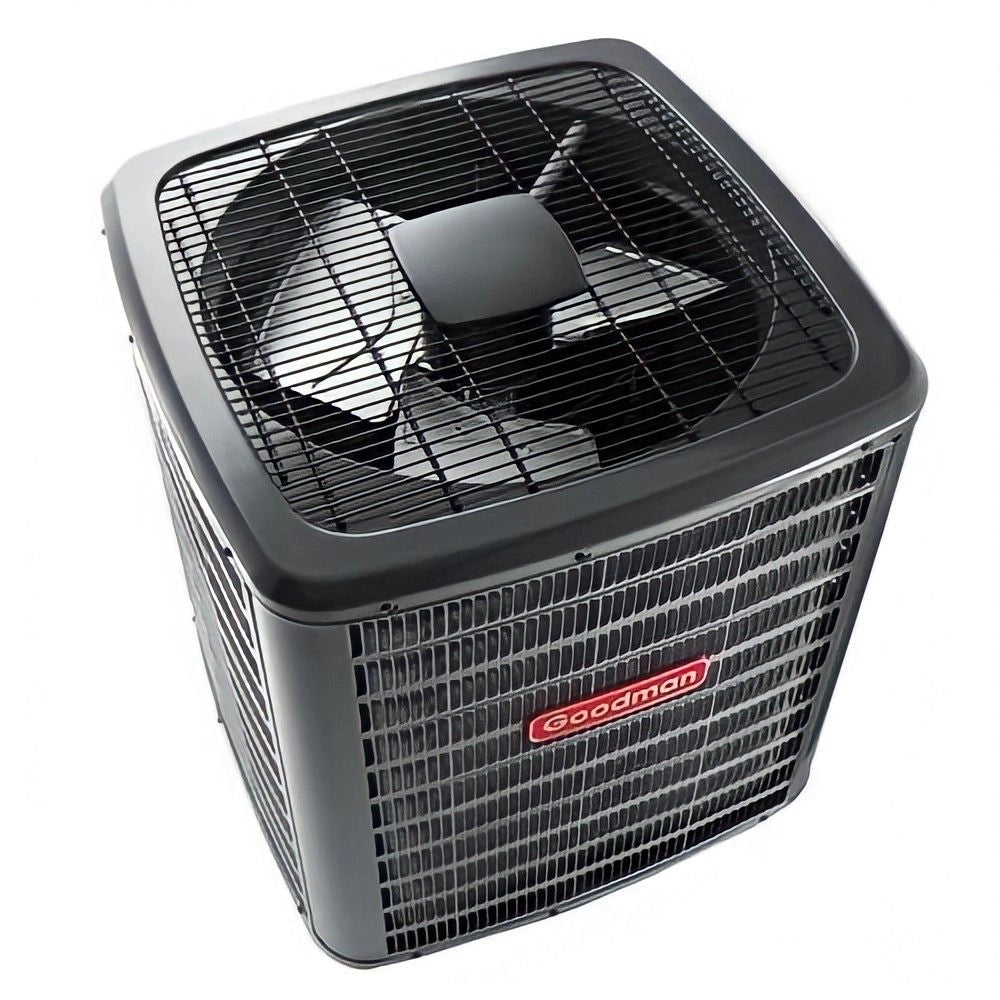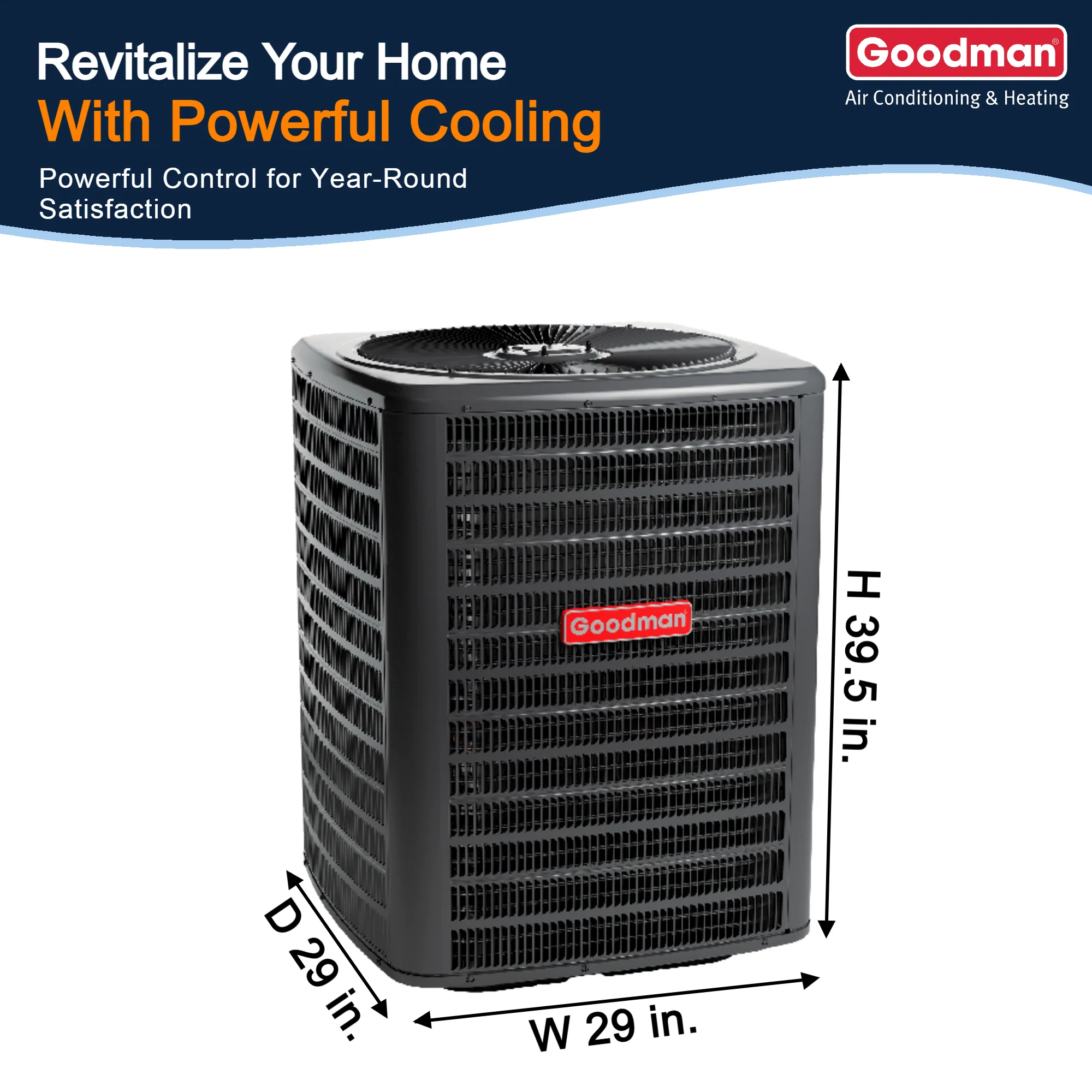
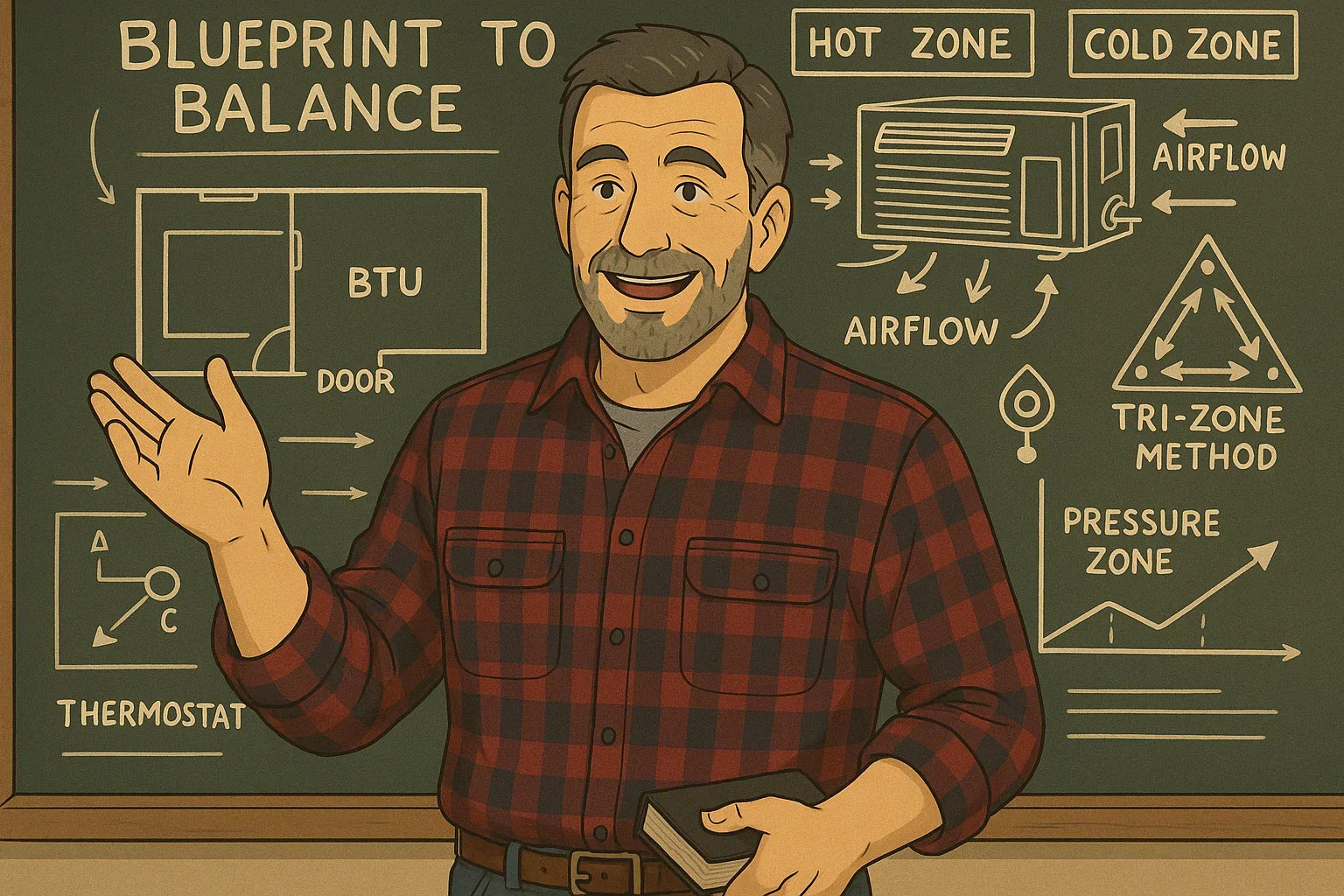
When folks call me saying their room “never feels quite right,” it’s almost always the same story: the system isn’t the problem — the design is. You can put the most powerful PTAC, mini split, or package unit in the world into a room, but if the airflow, layout, thermal load, and pressure zones aren’t engineered properly? Forget it. You’ll have hot corners, cold pockets, and a thermostat that lies to you.
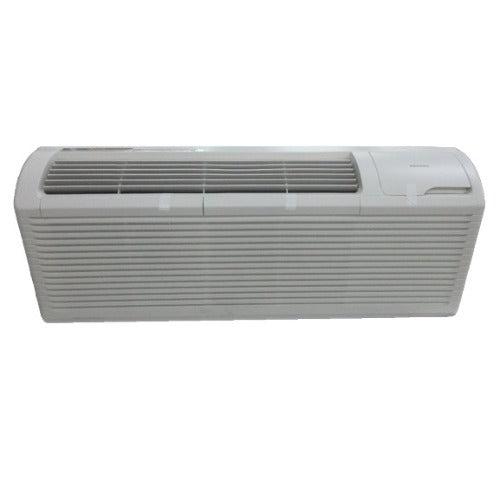
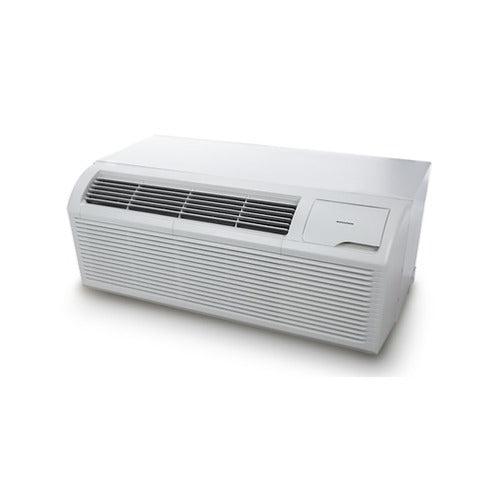
Amana Distinctions Model 12,000 BTU PTAC Unit with 3.5 kW Electric Heat
After 20+ years working with homeowners, contractors, and DIY heat-and-cool warriors, I built a system design method anyone can follow — no fancy software needed. Just some tools, a tape measure, and a willingness to walk around your space with fresh eyes.
This is that method.
🔍 1. The Real Reason Rooms Feel “Uneven” — And Why It’s Not Your Equipment
Most people assume an uncomfortable room means the HVAC system is undersized. Sometimes that’s true — but nine times out of ten, the issue is:
-
Poor airflow geometry
-
Blocked circulation
-
Wrong placement of the PTAC or air handler
-
A thermostat reading that doesn’t match the room’s reality
-
Heat gain or loss that wasn’t accounted for during sizing
Rooms don’t heat and cool evenly unless airflow can circulate without dead zones. That’s what this blueprint is all about — engineering balance.
📐 2. Step One: Map the Room Geometry (The “Balance Blueprint”)
Before installing anything, you have to understand the room’s dimensions, obstructions, and energy behavior.
Measure These 7 Things:
1. Total square footage
Length × width. Keep it simple.
2. Ceiling height
Rooms with 10- or 12-foot ceilings behave completely differently than 8-foot rooms.
3. Window surface area
Especially if the room faces south or west. Solar gain is a silent comfort killer.
4. Door placements
Every open doorway is an air pathway — or an air leak.
5. Furniture layout
Big beds, bookshelves, dressers, and sofas can block airflow like walls.
6. Insulation level
R-values matter. If you can see daylight through a window frame, that’s a design problem.
7. The “path of travel” for air
Air needs to travel across the room, not blast into one corner and die.
🌬️ 3. Identify the Room’s Heat & Cool “Load Zones”
Every room has zones with different thermal behavior. Mike’s method divides a room into four profiles:
🔥 1. Hot Zones
Near windows, south-facing walls, electronics, and appliances.
❄️ 2. Cold Zones
Near door leaks, poorly insulated walls, or shaded corners.
🌀 3. Stagnant Air Pockets
Corners, behind furniture, and areas blocked by large objects.
💨 4. High-Flow Paths
Hallways, vents, and open doorways.
Your job is to design a system layout that connects all these zones with smooth airflow.
🛠️ 4. Tools Mike Uses for System Design
Everything below comes from years of field work — and the Amazon toolkit you linked is perfect for this kind of prep:
Recommended Tools (verified):
-
Stud finder
-
Infrared thermometer (a game-changer for spotting heat leaks)
-
Multi-bit drill set
-
Voltage tester
-
Painter’s tape (for marking airflow paths)
You don’t need a truck full of equipment — just these basics will tell you 90% of what you need to know.
🧊 5. Pick the Correct BTU Rating (More Than Just Square Footage)
Most sizing charts oversimplify things. Here’s Mike’s advanced method.
Start with the standard:
20 BTUs per square foot (per DOE recommendations)
Source: U.S. Department of Energy – https://www.energy.gov/energysaver/room-air-conditioners
But then adjust based on real-world conditions:
Add BTUs if:
-
The room is south- or west-facing
-
More than 20% of wall space is windows
-
Ceiling height exceeds 8 ft
-
It’s a kitchen or server room
-
Insulation is below R-13
Subtract BTUs if:
-
The room is shaded most of the day
-
You have high-efficiency windows
-
The room shares walls with conditioned spaces
🪟 6. The Perfect PTAC / Air Handler Placement (Mike’s Golden Ratio)
If you place the unit wrong, nothing — and I mean nothing — will fix your comfort problem later.
Mike's placement rules:
✔️ Rule #1: Never center the unit under the window unless airflow is unobstructed.
The old “under the window” rule was for 1960s PTACs, not modern units.
✔️ Rule #2: Airflow must shoot toward the longest distance of the room.
Air needs space to “run.”
✔️ Rule #3: Place the thermostat outside of direct airflow.
Cold air hitting the stat = short cycling = uneven room temperatures.
✔️ Rule #4: Keep at least 3 feet of clearance in front of the unit.
Beds and dressers ruin airflow patterns.
✔️ Rule #5: If possible, create a cross-flow path.
A PTAC on one side + an open doorway or hall on the other = natural circulation.
🧱 7. Fixing Hot/Cold Spots Using Mike’s Geometry Method
This is where the real magic happens.
🟦 1. Eliminate Dead Corners
Use directional vanes or PTAC louvers to push air into corners instead of straight out.
🟧 2. Avoid “Short Cycling Loops”
If air goes straight up a wall or directly into a bed frame, it doesn’t mix with the room.
🔺 3. Use the Tri-Zone Flow Technique
Direct airflow to:
-
The far corner
-
The center of the room
-
A return pathway
This method keeps air moving in a loop.
💡 8. Engineering Balanced Heating With Electric Heat Kits
If you’re installing the Amana Distinctions 12,000 BTU PTAC with 3.5 kW heat kit
Here’s how to design for even heating:
✔️ Size based on heat loss, not just cooling load
Use an online heat loss calculator
✔️ Ensure proper circuit sizing (20A–30A depending on heat kit)
Reference NEC guidelines:
https://www.nfpa.org/NEC
✔️ Position the PTAC where rising heat can naturally circulate
Heat wants to rise — harness it.
✔️ Avoid putting the PTAC in a cavity
Recessed or obstructed installs create “heat bowls” instead of circulating warmth.
📏 9. The Pressure Zone Check — Mike’s Secret to Even Temperatures
Most folks don’t realize this, but:
➡️ Every room has high-pressure and low-pressure zones.
If your PTAC is blasting air into a high-pressure area, the circulation collapses.
How to test pressure zones:
-
Crack the door open 1 inch.
-
Turn your system fan to HIGH.
-
Watch the door.
If the door pushes shut:
You have a high-pressure room — air has nowhere to go.
If the door pulls open:
Low-pressure room — good airflow, good exhaust path.
Balance = neutral pressure.
Fixing pressure issues may involve:
-
Creating a return air path
-
Cutting a transfer grille
-
Adjusting door undercuts
-
Reducing supply airflow intensity
🧭 10. Mike’s “5-Point Comfort Optimization Checklist”
Before you call the job done, check these five items:
1. Airflow reaches the farthest point in the room.
Put your hand there — you should feel a whisper, at least.
2. The thermostat reads within 2°F of the room center.
If not, relocate it or shield it from direct airflow.
3. No furniture blocks the main circulation path.
4. Windows are sealed and insulated.
Even a high-end PTAC can’t fight a leaky window.
5. The system cycles for at least 8–12 minutes per run.
Short cycles = uneven temps.
🏆 11. Putting It All Together: Mike’s Signature Room Layout Formula
If you’re designing from scratch, here’s the blueprint:
Step 1: Find the longest air path
(PTAC aims toward it)
Step 2: Identify hot/cold zones
(Adjust louvers accordingly)
Step 3: Ensure a return path
(Doors, openings, or hallway flow)
Step 4: Place thermostat out of the blast zone
(Middle-height interior wall is best)
Step 5: Verify pressure neutrality
(Simple door test)
Step 6: Check furniture impact
(Rearrange if needed)
Step 7: Run thermal and airflow tests
(IR thermometer + hand test)
This works in:
✔️ Bedrooms
✔️ Hotels
✔️ Studio apartments
✔️ Offices
✔️ Airbnb units
✔️ Sunrooms
✔️ Retrofits and remodels
🎯 Conclusion: Balanced Rooms Are Engineered, Not Hoped For
Even temperatures don’t happen by accident. They happen because someone — hopefully someone like you — cares enough to measure, map, and design a space the right way.
With the right tools, smart placement, proper airflow geometry, and a focus on circulation instead of just power, you can transform any room into a perfectly balanced comfort zone.
Buy this on Amazon at: https://amzn.to/3WuhnM7
In the next topic we will know more about: The PTAC Power Map: How Mike Calculates Electrical, Load & Line Placement Before Choosing a Unit