Newsletter Subscribe
Enter your email address below and subscribe to our newsletter

HVAC made simple
By Jake Lawson | HVAC Specialist | The Furnace Outlet | Updated November 2026
Your mini-split was working perfectly yesterday, but today it’s refusing to cool, blowing room-temperature air, flashing an unfamiliar light, or ignoring commands from the remote. Before assuming something expensive has failed, you may be wondering whether a simple reset could get everything working again.
I’ve worked on enough ductless heating and cooling systems to know that a reset sometimes resolves a temporary electronic glitch. Mini-splits rely on circuit boards, temperature sensors, inverter controls, and communication between indoor and outdoor equipment. Occasionally, those controls can become temporarily unresponsive following a power interruption or operating error. However, a reset isn’t a repair. If the system has a refrigerant leak, faulty fan motor, electrical problem, blocked drain, or damaged sensor, turning the power off and back on won’t correct the underlying issue.
The important thing is knowing which reset methods are safe for homeowners, when to use them, and when to stop troubleshooting. This guide explains how to reset a mini-split safely, what to check before restarting it, and how to recognize problems that require professional service.
A mini-split reset generally means restarting the system’s electronic controls or clearing a temporary operating condition by switching the equipment off and then restoring power. Depending on the manufacturer and model, this may restart the indoor controller, outdoor control electronics, communication functions, and certain temporary fault indications.
Some mini-splits also have a manufacturer-defined reset procedure accessible through the remote control or indoor unit. Not every fault code disappears after a reset, and some protective shutdowns remain active until the underlying problem is corrected. Think of a reset as restarting a computer that has temporarily frozen. It can restore normal communication, but it won’t fix defective hardware.
Before touching the electrical supply, take a moment to check the system’s operating settings. Make sure the remote control is functioning and that its batteries aren’t depleted. Confirm the unit is set to the correct mode, such as COOL for air conditioning or HEAT for heating, rather than FAN or DRY. Check the thermostat setting, too. If the room temperature is already close to the selected temperature, the system may not have a reason to run the compressor.
Dirty air filters can also restrict airflow and reduce performance. If the manufacturer’s instructions allow homeowner filter cleaning, switch the unit off and follow the recommended cleaning procedure. During heating operation, the outdoor unit may periodically enter a defrost cycle. Indoor airflow can pause temporarily during this process, which is normal for many heat pumps. If the unit is showing a fault code, photograph or write down the code before attempting any reset. That information can help a technician identify the cause if the problem returns.
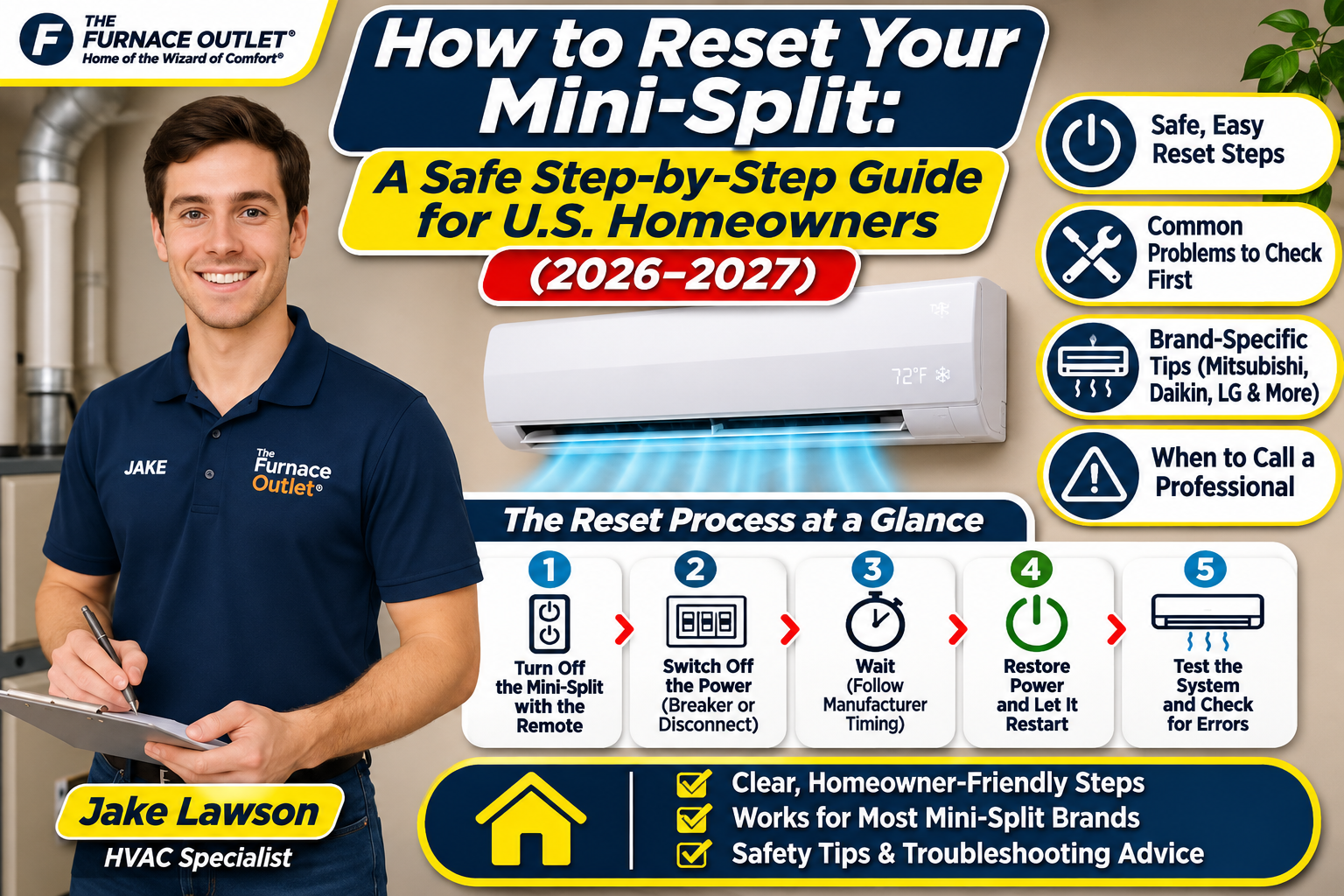
Start by pressing the OFF button on your mini-split remote control. Wait until the indoor fan stops and the unit finishes any normal shutdown sequence. Some systems may continue operating briefly after the remote is switched off, particularly during heating or equipment protection cycles.
Don’t immediately disconnect power while the equipment is still completing a normal shutdown unless there is an emergency. If the remote doesn’t respond, check the batteries and consult the manufacturer’s instructions for an approved manual operating control.
Most permanently installed mini-splits have a dedicated electrical circuit supplying the outdoor unit, although power arrangements vary by equipment design. The circuit breaker is generally located in the home’s electrical panel, and an outdoor disconnect may be installed near the condenser. Before proceeding, confirm the correct circuit using the panel labeling and your installation documentation.
Never remove electrical covers, open equipment compartments, or expose wiring to perform a homeowner reset. If you cannot confidently identify the correct breaker or an accessible, approved disconnect, stop and contact a qualified HVAC technician or electrician.
If the manufacturer permits a power-cycle reset, switch off the correctly identified dedicated circuit breaker or operate the approved external disconnect according to its instructions. Do not pull apart electrical connectors or operate unfamiliar electrical components.
If the breaker has tripped unexpectedly, don’t repeatedly reset it. A tripped breaker can indicate an electrical fault, short circuit, or overloaded circuit. If you notice burning smells, buzzing, smoke, damaged wiring, or signs of overheating, leave the power off and arrange professional inspection.
After switching off the power, allow the system to remain off for the period specified in the manufacturer’s reset procedure. Some manufacturers recommend a short waiting period for the control electronics to shut down fully. Others specify different procedures depending on the fault condition.
If your owner’s manual doesn’t provide a power-reset procedure, don’t assume that an arbitrary waiting time is appropriate for every model. For ordinary troubleshooting, following the manufacturer’s published instructions is always preferable to experimenting with repeated shutdowns.
Once the specified waiting period has passed, restore power using the same approved electrical control. The indoor unit may display indicator lights, respond to remote commands, or perform a short initialization sequence.
Some mini-splits intentionally delay compressor operation after power restoration to protect the equipment. A delay of several minutes can be normal. Avoid repeatedly switching the unit on and off while waiting for it to respond.
Use the remote control to select the desired heating or cooling mode. For a cooling test, choose a temperature below the current room temperature. For a heating test, select a temperature above the current room temperature. Allow the system enough time to respond, keeping in mind that outdoor temperature, defrost operation, and compressor protection delays may affect startup.
Check whether the indoor unit produces appropriate airflow and whether the system begins moving the room temperature toward the selected setting.
After the system restarts, observe its operation without opening any equipment panels. If the original fault code returns, the unit shuts down again, or the breaker trips, stop resetting the system.
Repeated faults usually indicate that additional diagnosis is required. Make a note of the fault code, operating mode, and approximate time before the shutdown. These details can help an HVAC professional investigate the problem more efficiently.
Mitsubishi Electric mini-splits may use different controllers and troubleshooting procedures depending on the indoor and outdoor model. Some temporary operating problems can be addressed by switching the system off, checking the controller settings, and following the manufacturer’s approved power-reset procedure.
However, Mitsubishi fault indications can relate to communication problems, sensors, outdoor equipment, or protective controls. The Mitsubishi Electric Trane HVAC US website provides product and support information that can help homeowners locate documentation for their equipment. If an error code returns after an approved reset, contact a qualified Mitsubishi service technician rather than repeatedly cycling the power.
Daikin mini-splits also use model-specific operating controls and diagnostic procedures. Before resetting, verify the operating mode, thermostat setting, and any error indication displayed on the remote or indoor unit. Some Daikin systems provide diagnostic information through the controller, but those functions vary by product.
Homeowners can find product information and support resources through Daikin’s official U.S. website.
A recurring fault should be professionally diagnosed, especially when it involves communication, electrical protection, or refrigerant-system operation.
Fujitsu ductless systems may display faults through combinations of flashing indicator lights or controller error messages. Because the meaning of these indicators depends on the model, record the exact flashing pattern before attempting a reset. A homeowner may be able to perform a normal shutdown and manufacturer-approved power cycle, but internal service functions should be left to trained technicians.
The Fujitsu General America website provides product information and access to model-specific documentation. If the same indicator pattern returns, preserve the information for a service technician.
LG mini-splits may display diagnostic codes on the indoor unit or compatible controller. Start by checking the operating mode, remote batteries, and whether the system is experiencing a normal protective delay. If the owner’s manual permits power cycling, follow that procedure carefully.
LG provides product documentation and troubleshooting resources through its official U.S. support website.
Avoid attempting to clear persistent error codes through repeated breaker operation. Some faults require inspection of sensors, wiring, or outdoor equipment.
Gree and MRCOOL systems include several product families with different controllers, installation arrangements, and fault-code definitions. For either brand, the safest starting point is to check the remote settings, record any displayed error code, and consult the exact model’s operating instructions. A temporary electronic fault may clear after a manufacturer-approved restart, but a recurring code shouldn’t be ignored.
MRCOOL’s DIY-branded equipment is designed to simplify certain aspects of installation, but that doesn’t make internal electrical or refrigerant repairs safe homeowner tasks. If the system continues to malfunction, contact the manufacturer’s support team or a qualified technician familiar with the particular model.
If the indoor fan runs but the room doesn’t cool, the problem may involve incorrect settings, restricted airflow, an outdoor-unit fault, or a refrigerant-system issue. First, verify that the unit is in COOL mode and that the selected temperature is below the room temperature. Check whether the filters are clean and whether furniture or curtains are blocking the indoor airflow.
You can also look at the outdoor unit from a safe distance to see whether it appears to be operating. Don’t reach inside the cabinet, touch electrical components, or attempt to test refrigerant pressures. If the system runs continuously without providing adequate cooling, professional diagnosis is appropriate. A reset won’t repair a refrigerant leak, failing compressor, or defective control board.
Heating problems can be confusing because mini-split heat pumps behave differently from conventional furnaces. During cold weather, a heat pump may temporarily stop indoor airflow while defrosting its outdoor coil. Some systems also delay warm airflow until the indoor coil reaches an appropriate temperature.
These behaviors don’t necessarily indicate a malfunction. However, persistent cold airflow, repeated shutdowns, unusual noises, or recurring error codes may indicate a genuine problem. Check the operating mode and temperature setting, then allow normal startup and defrost cycles to finish. If heating doesn’t resume, arrange professional service.
Flashing lights are one of the most common reasons homeowners attempt a mini-split reset. Unfortunately, the same flashing pattern can mean different things on different brands or models. Some indicators simply show operating status, while others signal a fault. Record the flashing sequence, note which indicator lights are involved, and consult the correct owner’s manual.
A single manufacturer-approved reset may be reasonable for a temporary control issue, but repeated flashing after restarting usually warrants further investigation. Never assume that clearing the visible indication means the original fault has been repaired.
A reset should not become a repeated response to equipment failure. Certain symptoms require the system to remain off until a qualified professional can inspect it. If the circuit breaker trips again, you notice smoke or burning odors, electrical components appear damaged, or the equipment makes unusual grinding or arcing sounds, stop operating the system. Water leaking near electrical components also requires immediate attention. If you can safely switch the equipment off using its normal controls, do so without touching wet electrical equipment.
Refrigerant leaks, damaged piping, and suspected electrical faults are not homeowner reset problems. The U.S. Department of Energy’s ductless mini-split guidance explains the basic operation and advantages of ductless systems, reinforcing why correct installation and system maintenance matter for long-term performance.
Under normal circumstances, a mini-split shouldn’t need regular resets. A restart following an occasional power interruption or temporary electronic issue may be reasonable when permitted by the manufacturer. However, a system that needs resetting every few days or weeks is telling you something isn’t right.
Frequent resets may point to unstable power, communication faults, control-board problems, overheating, or another condition requiring diagnosis. Instead of repeatedly restoring operation, document the symptoms and have the underlying issue investigated.
A properly performed, manufacturer-approved reset generally shouldn’t damage a healthy mini-split. The concern arises when homeowners repeatedly interrupt electrical power, restart equipment before required protection delays have elapsed, or operate electrical controls that aren’t intended for routine homeowner use.
Modern inverter mini-splits contain sensitive electronics and compressor-protection functions. Those systems are designed to manage startup and shutdown conditions in specific ways. Following the owner’s manual and avoiding repeated power cycling helps reduce unnecessary stress on the equipment.
Many mini-split performance complaints can be reduced through regular maintenance and proper operation. Clean reusable indoor filters according to the manufacturer’s recommendations, keep supply and return airflow unobstructed, and make sure the outdoor unit has the required clearance. Avoid constantly switching between heating and cooling modes or making extreme thermostat adjustments in an attempt to speed up temperature changes.
Schedule professional maintenance to inspect the condensate drainage system, electrical connections, coils, refrigerant-system performance, and overall equipment operation. A technician can also identify developing problems that may eventually cause protective shutdowns. Preventive maintenance doesn’t guarantee that a mini-split will never malfunction, but it can reduce avoidable interruptions and help maintain efficient operation.
Does every mini-split have a reset button? No. Some models have an approved reset function, while others require a specific controller procedure or power cycle. Always consult the documentation for the exact model.
How long should I leave my mini-split off before resetting it? Follow the manufacturer’s specified waiting period. Different systems and fault conditions may require different procedures, so there isn’t one universal reset time.
Will resetting my mini-split erase its settings? It depends on the model. Some systems retain temperature and operating preferences after power loss, while others may return to default settings or require clock and timer adjustments.
Why does my mini-split take several minutes to restart? Compressor-protection delays, control initialization, heating preparation, and defrost-related operation can temporarily delay normal airflow or compressor startup.
Can I reset my mini-split using the circuit breaker? Only when the manufacturer’s instructions permit it and the correct circuit can be identified and operated safely. Never repeatedly reset a breaker that has tripped unexpectedly.
Will resetting fix a mini-split refrigerant leak? No. A refrigerant leak requires professional diagnosis and repair. Resetting may temporarily clear a fault indication, but it cannot restore lost refrigerant or repair damaged piping.
When a mini-split stops responding, I understand the temptation to keep switching it off and on until something happens. Sometimes a simple restart really does resolve a temporary electronic issue. But my advice is to approach every reset carefully. Check the remote settings, record any fault code, consult the manufacturer’s instructions, and use only an approved reset procedure. If the unit restarts and continues operating normally, that’s encouraging. If the same problem returns, don’t keep repeating the process.
A mini-split that repeatedly shuts down is usually protecting itself or reporting a condition that needs attention. A safe reset can save an unnecessary service call, but knowing when to stop troubleshooting can prevent a minor problem from becoming a more expensive repair.