
Few things frustrate homeowners more than turning the thermostat up on a cold morning and feeling blowing cold air coming out of the vents. I’ve lost count of how many service calls start with some version of the same question: “Why is my heater blowing cold air?” Whether it’s a house heater blowing cold air, a furnace only blowing cold air, or an HVAC heater blowing cold air when it’s clearly set to heat, the concern is understandable. Comfort systems are supposed to do one thing in winter—deliver heat reliably.
In this article, I’m going to walk through the most common reasons heaters blow cold or cool air, using the Goodman MBVK electric furnace as a practical reference point. Along the way, we’ll address both electric and gas systems, because many of the principles overlap even if the heat source differs. By the end, you’ll understand not just what is happening, but why it’s happening—and when it’s normal versus when it’s a sign of real trouble.
Understanding the Goodman MBVK Electric Furnace
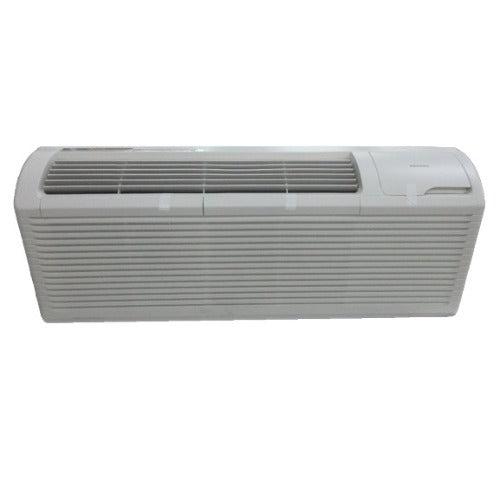
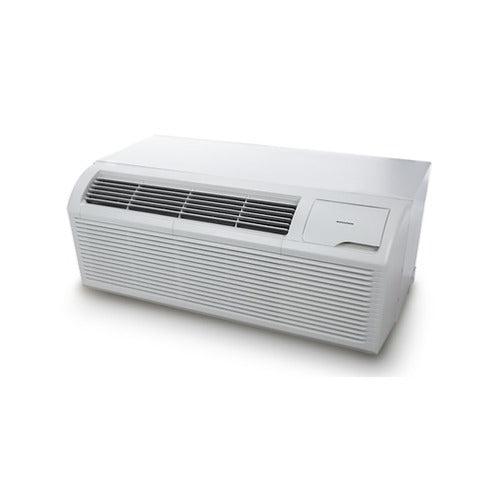
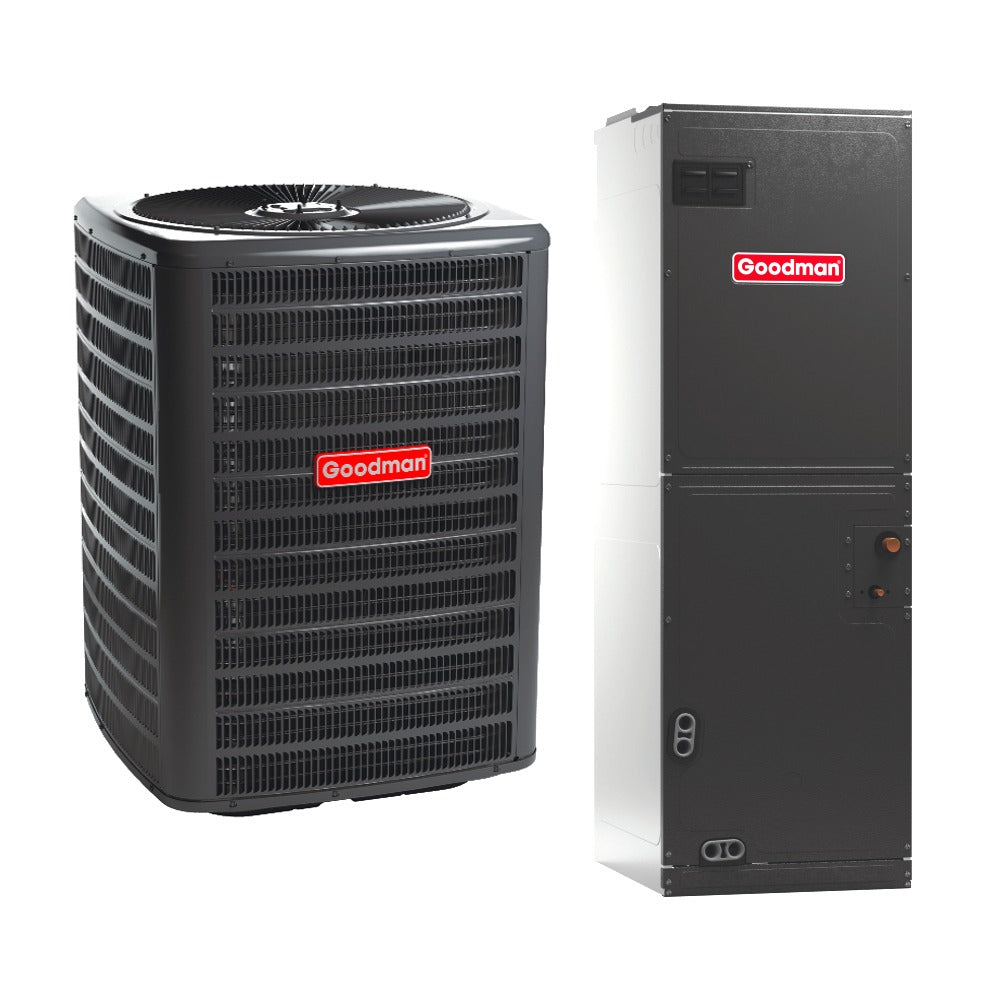
Before we get into diagnostics, it’s important to understand what the Goodman MBVK actually is. The MBVK series is a variable-speed air handler designed to pair with electric heat kits, effectively functioning as an electric furnace when configured for heating. Unlike gas furnaces, there’s no flame, no combustion chamber, and no exhaust venting. Heat is produced by electric resistance elements staged on and off as needed.
Goodman designed the MBVK for efficiency, quiet operation, and flexibility. Its ECM blower motor ramps airflow up and down gradually, which improves comfort but can also confuse homeowners who are used to older, single-speed systems. That confusion often shows up as complaints like “heater blowing cool air in house” or “electric heat blowing cool air.” In many cases, the system is actually operating as designed.
For technical background on Goodman air handler design and operation, the manufacturer’s own product resources are a solid reference point. (See Goodman Manufacturing’s overview of MBVK air handlers. )
The Big Question: Why Is My Heater Blowing Cold Air?
Let’s address the core issue head-on. When homeowners ask “why is my heater blowing cold air?” they’re usually experiencing one of two scenarios:
-
Normal operation that feels wrong
-
A legitimate system fault
Distinguishing between the two is critical, because one requires education and reassurance, while the other requires repair.
Normal Reasons a Heater Blows Cool or Cold Air
1. Blower Running Before Heat Engages
This is the number one reason people report a heater blowing cool air. In systems like the Goodman MBVK, the blower often starts before the heating elements fully energize. This is intentional. It prevents overheating of the elements and protects internal components.
For a short period, that initial airflow may feel cool, especially if the ductwork is cold. Homeowners often describe this as:
-
heater blowing cold
-
heater only blowing cold air (at first)
-
why does my heater blow cold air sometimes
In most cases, within 30 to 90 seconds, the air warms up and reaches proper supply temperature.
2. Continuous Fan Mode
Another common cause of a house furnace blowing cold air complaint is thermostat settings. If the fan is set to “ON” instead of “AUTO,” the blower will run continuously—even when the heating elements are off.
That means the system will circulate room-temperature air between heating cycles. Homeowners often interpret this as a malfunction and ask:
-
why is my heat blowing cold
-
why is my hvac blowing cold air on heat
In reality, the furnace is doing exactly what it’s told to do. Switching the fan setting back to “AUTO” usually resolves the issue instantly.
3. Heat Pump Backup Confusion
While the MBVK itself is an electric furnace when paired with heat strips, it’s often installed alongside a heat pump. During defrost cycles, heat pumps temporarily blow cooler air to prevent ice buildup on the outdoor coil. This leads to complaints like:
-
why is cool air coming out when heater is on
-
why does my heater blow cold air sometimes
In these systems, auxiliary electric heat should engage to offset the cool air, but if it’s not staged correctly, homeowners feel the temperature drop.
For a broader explanation of how electric heating elements interact with air handlers and heat pumps, resources from the U.S. Department of Energy provide helpful context. (See the DOE’s guide on electric heating systems. )
When Cold Air Signals a Real Problem
Now let’s talk about when electric furnace blowing cold air is not normal. These are the situations that require troubleshooting and, often, professional repair.
1. Failed or Inactive Heating Elements
If your electric heater blowing cold air in house never warms up—even after several minutes—you may have a failed heating element or sequencer. In the Goodman MBVK, heat strips are staged incrementally. If one or more stages fail, airflow continues but heat output drops or disappears entirely.
Homeowners often report this as:
-
electric furnace blowing cold air
-
electric heater blowing cold air
-
why is my electric furnace blowing cold air
This is a classic electric furnace issue and one of the most common service calls I see in winter.
2. Tripped High-Limit Switch
Electric furnaces are protected by safety limits that shut off heat if the system overheats. Restricted airflow from dirty filters or blocked ducts can cause these limits to trip.
When that happens, the blower keeps running, but the heat shuts down. The result is a home heater blowing cold air electric, even though the thermostat is calling for heat.
The underlying issue is rarely the limit switch itself—it’s almost always airflow.
3. Incorrect Thermostat Configuration
Modern thermostats must be configured correctly for electric heat. If a thermostat is programmed for gas heat instead of electric, it may energize the blower too early or fail to call for auxiliary heat properly.
This leads to symptoms like:
-
heater blowing cool air in house
-
why is my heater blowing cool air
-
why is my hvac blowing cold air
This problem is especially common after thermostat replacements or DIY upgrades.
Gas vs. Electric: Why Both Can Blow Cold Air
Although the Goodman MBVK is an electric system, many homeowners search for answers across both fuel types. Questions like why is my gas furnace blowing cold air or why is my gas heater blowing cold air come up frequently—and for good reason. The symptoms often look the same.
Gas Furnace-Specific Causes
In gas systems, cold air can result from:
-
Delayed ignition or failed igniters
-
Dirty flame sensors shutting burners down
-
Faulty control boards
This results in complaints like:
-
why is my furnace blowing cold air instead of heat
-
why is my heat blowing cold air in my house
For a clear breakdown of gas furnace operation and common faults, educational resources from organizations like HVAC.com offer solid, consumer-friendly explanations. (See HVAC.com’s furnace troubleshooting overview. )
The Goodman MBVK and “Cold Air” Complaints
Because the MBVK uses a variable-speed blower, airflow ramps up smoothly instead of starting abruptly. That can exaggerate the perception of cool air early in the heating cycle. Homeowners transitioning from older furnaces often interpret this as a malfunction.
In reality, the system is delivering more even temperatures, better humidity control, and quieter operation. Understanding this design philosophy goes a long way toward eliminating unnecessary service calls.
Industry training materials on variable-speed air handlers explain this behavior in more depth. (See ACHR News’ discussion on variable-speed blower performance)
Special Cases: Space Heaters and Supplemental Heat
Not all complaints come from central systems. I often hear:
-
space heater blowing cold air
-
why is my space heater blowing cold air
Many portable space heaters include fans that run independently of the heating element, especially during startup or cooldown. Others are designed to circulate air even when the heating element cycles off to prevent overheating.
While this can be annoying, it’s not usually a defect. However, if a space heater never produces warm air, it’s often safer to replace it than attempt repair.
A Systematic Way to Diagnose Cold Air Issues
Whether you’re dealing with a house heater blowing cold air, an electric heater blowing cold air, or an HVAC heater blowing cold air, the diagnostic process should always follow the same order:
-
Confirm thermostat settings
-
Check air filters and airflow
-
Determine system type (gas, electric, heat pump)
-
Verify heat source activation (elements or burners)
-
Inspect safety controls and limits
Skipping steps leads to misdiagnosis and unnecessary part replacements.
When to Call a Professional
If your system shows any of the following, it’s time to call a licensed HVAC technician:
-
The furnace only blows cold air and never warms up
-
Breakers trip repeatedly on electric systems
-
You smell burning insulation or see scorch marks
-
Gas furnaces shut down shortly after ignition
Electric furnaces like the Goodman MBVK operate on high voltage. Safety is not optional.
Final Thoughts from the Field
When homeowners ask “why is my heater blowing cold air?” the answer is rarely simple—but it is almost always explainable. The Goodman MBVK electric furnace is a reliable, well-engineered system, but its variable-speed operation and staged heating can feel unfamiliar.
Sometimes, what feels like a problem is simply modern equipment doing its job. Other times, it’s an early warning sign that airflow, controls, or heating elements need attention. Knowing the difference saves time, money, and frustration.
As someone who’s spent decades diagnosing house furnace blowing cold air complaints, I can tell you this with confidence: understanding how your system works is the first step toward staying warm all winter.