
Every winter, I get the same questions from homeowners who are trying to do the right thing for their families: do electric furnaces produce carbon monoxide, and do electric furnaces have carbon monoxide risks at all? These are smart questions. Carbon monoxide is a serious safety concern, and understanding where it comes from—and where it doesn’t—can make the difference between unnecessary worry and informed confidence.
In this article, I’m going to give you a clear, technically accurate, and practical answer using the Goodman MBVK electric furnace as our reference point. I’ll explain what carbon monoxide is, how it’s created, why electric furnaces are fundamentally different from gas or oil systems, and what homeowners should still think about when it comes to indoor air safety. My goal is not just to answer the question, but to eliminate confusion that often surrounds electric heating systems.
This is a long-form, no-shortcuts explanation, because safety topics deserve more than surface-level answers.
Carbon Monoxide: What It Is and Why It Matters
Carbon monoxide (CO) is a byproduct of incomplete combustion. Anytime a fuel containing carbon—such as natural gas, propane, oil, gasoline, wood, or charcoal—is burned, carbon monoxide can be produced if that combustion is imperfect. The danger lies in the fact that carbon monoxide is colorless, odorless, and tasteless. You cannot detect it without a sensor.
When inhaled, carbon monoxide interferes with the blood’s ability to carry oxygen. Even moderate exposure can cause headaches, dizziness, and nausea. Higher concentrations or prolonged exposure can be fatal. This is why carbon monoxide is taken so seriously by health authorities, building codes, and HVAC professionals.
According to guidance from the Centers for Disease Control and Prevention on carbon monoxide poisoning, the overwhelming majority of residential CO exposure incidents are tied directly to fuel-burning appliances or engines operating in enclosed or poorly ventilated spaces. That distinction—fuel-burning versus non-combustion—is the key to understanding electric furnaces.
Do Electric Furnaces Produce Carbon Monoxide?
Let’s answer the central question directly and without qualification: electric furnaces do not produce carbon monoxide.
The reason is straightforward. Carbon monoxide is created through combustion. Electric furnaces do not burn fuel. They do not ignite gas, oil, or propane. There is no flame, no combustion chamber, no exhaust gas, and no byproducts of burning anything.
An electric furnace produces heat by passing electricity through resistance heating elements. Those elements heat up, much like the coils in an electric oven or toaster, and air moving across them is warmed and delivered to the home. Because no carbon-based fuel is involved, there is no carbon monoxide generation under any operating condition.
So when homeowners ask, do electric furnaces have carbon monoxide, the correct technical answer is no. There is no internal mechanism inside an electric furnace that can create carbon monoxide.
Why the Goodman MBVK Is a Useful Example
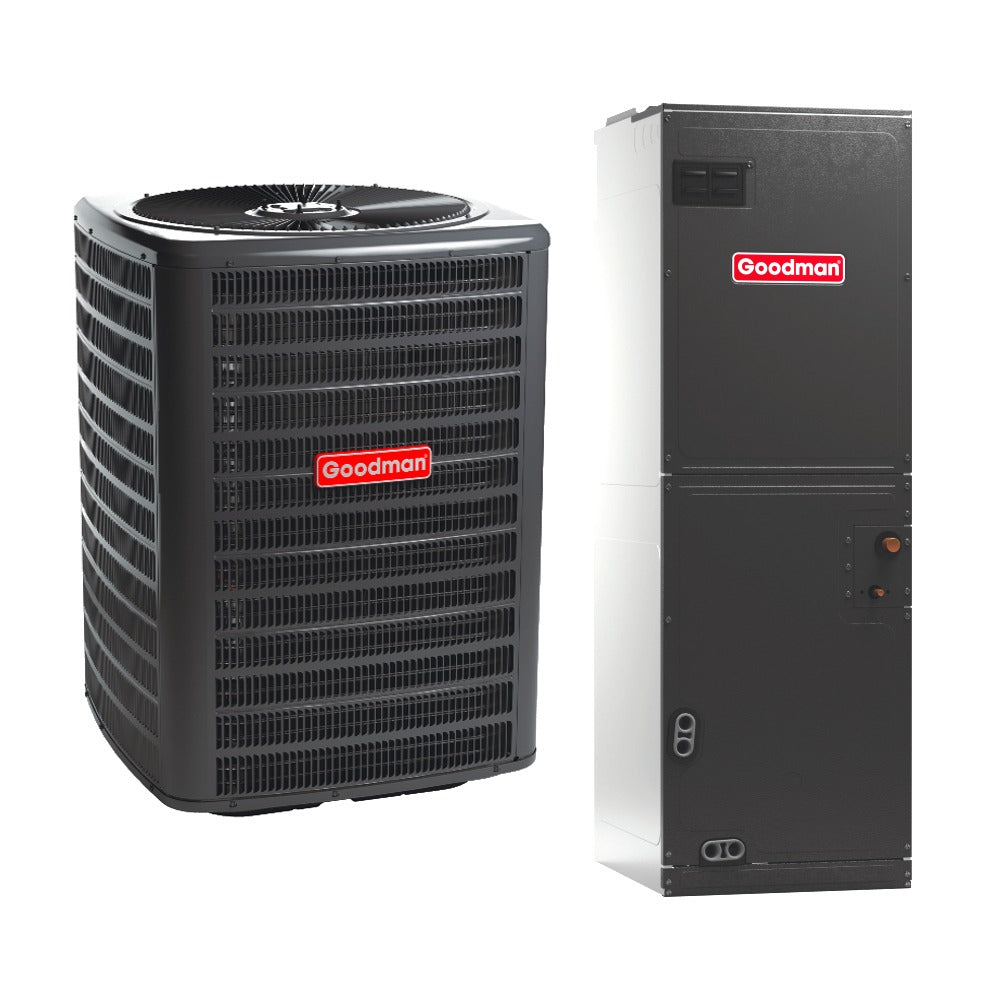
The Goodman MBVK is a strong real-world example because it represents modern electric furnace design. Technically, it is a variable-speed air handler that becomes an electric furnace when paired with electric heat kits. Functionally, it behaves exactly like a traditional electric furnace in heating mode.
The MBVK does not include:
-
Burners
-
A heat exchanger
-
A flue or vent pipe
-
A gas valve or ignition system
Those components are precisely where carbon monoxide risks originate in gas or oil furnaces. By design, the MBVK eliminates all combustion-related hazards.
Goodman’s own product literature for the MBVK variable-speed air handler series makes it clear that this system relies entirely on electric resistance heating and airflow management, reinforcing why carbon monoxide is not part of its operational or safety profile.
Why Homeowners Still Ask About Carbon Monoxide and Electric Furnaces
If the answer is so clear, why do these questions come up so often? In my experience, there are several reasons, and none of them are unreasonable.
Confusion Between Furnace Types
The word “furnace” is often associated with gas heat in the minds of homeowners. Many people assume that all furnaces involve combustion unless told otherwise. When someone installs an electric furnace for the first time, it’s natural to ask whether the same risks apply.
Carbon Monoxide Awareness Campaigns
Carbon monoxide safety campaigns encourage widespread use of CO detectors, which is generally good advice. However, these campaigns often speak broadly about “heating systems” without always distinguishing between combustion and electric equipment. That can blur the lines for homeowners trying to understand their specific setup.
Mixed-Fuel Homes
Many homes with electric furnaces still contain other fuel-burning appliances, such as gas water heaters, fireplaces, or attached garages. When carbon monoxide detectors are discussed, homeowners may assume the electric furnace is a possible source.
Resources from the U.S. Department of Energy explaining electric heating systems help clarify these differences by clearly separating electric resistance heat from combustion-based systems.
Electric Furnaces vs. Gas Furnaces: A Clear Safety Comparison
To fully understand why electric furnaces do not produce carbon monoxide, it helps to compare them directly with gas furnaces.
Gas Furnaces and Carbon Monoxide
Gas furnaces generate heat by burning natural gas or propane. That combustion process always produces byproducts, including carbon monoxide. Under normal conditions, those byproducts are safely vented outside through a flue or vent pipe.
Carbon monoxide problems arise when something goes wrong, such as:
-
A cracked heat exchanger
-
A blocked or disconnected flue
-
Improper combustion due to burner issues
-
Inadequate ventilation
When these failures occur, carbon monoxide can leak into the living space.
Electric Furnaces and Carbon Monoxide
Electric furnaces like the Goodman MBVK have none of these components. There is no combustion process to fail. There is no exhaust system to block. There is no carbon monoxide to leak.
From a carbon monoxide standpoint, electric furnaces are inherently safer because they remove the hazard entirely rather than trying to manage it.
This distinction is reinforced in guidance from the U.S. Environmental Protection Agency on carbon monoxide sources, which clearly identifies CO risks as originating from fuel-burning appliances.
Common Misconceptions About Electric Furnaces and Carbon Monoxide
Over the years, I’ve heard many misconceptions that are worth addressing directly.
“An Electric Furnace Can Produce CO If It Malfunctions”
This is false. Even in the event of a severe electrical failure—such as burned wiring or a failed heating element—an electric furnace cannot produce carbon monoxide. It may produce smoke or odors from overheated components, but carbon monoxide requires combustion, which does not occur in electric systems.
“Electric Furnaces Need Venting Like Gas Furnaces”
They do not. Any ducts connected to an electric furnace are for air distribution, not exhaust. Electric furnaces do not require flues, chimneys, or vent pipes because there are no combustion gases to expel.
“Carbon Monoxide Detectors Aren’t Necessary With Electric Heat”
This one is only partially true. While the electric furnace itself does not produce carbon monoxide, other sources in the home might. CO detectors are still recommended in homes with attached garages or any fuel-burning appliances.
Real Safety Concerns With Electric Furnaces
Just because electric furnaces don’t produce carbon monoxide doesn’t mean they are completely risk-free. It’s important to focus on the actual safety considerations rather than worrying about hazards that don’t apply.
Electrical Load and Wiring Integrity
Electric furnaces draw significant electrical current, especially when multiple heat stages are energized. Loose connections, undersized wiring, or improper breaker sizing can lead to overheating or electrical failure.
Airflow and Overheating
Restricted airflow due to dirty filters or blocked ducts can cause electric heating elements to overheat. Modern systems include high-limit safety switches that shut the system down before damage occurs.
Installation Quality
Improper installation of electric heat kits or incorrect thermostat configuration can lead to poor performance or nuisance shutdowns. These are comfort and reliability issues—not carbon monoxide risks.
Carbon Monoxide Detectors in Homes With Electric Furnaces
Even though the answer to do electric furnaces produce carbon monoxide is no, carbon monoxide detectors still have an important role in many homes.
You should have CO detectors if your home includes:
-
A gas or oil water heater
-
A gas range or oven
-
A fireplace or wood stove
-
An attached garage
In these cases, detectors are monitoring the overall environment—not the electric furnace itself.
Final Answer: Do Electric Furnaces Produce Carbon Monoxide?
To summarize clearly:
-
Do electric furnaces produce carbon monoxide? No.
-
Do electric furnaces have carbon monoxide as a byproduct? No.
-
Does the Goodman MBVK electric furnace pose a carbon monoxide risk? No.
Carbon monoxide is a combustion problem. Electric furnaces do not involve combustion. Understanding that difference allows homeowners to focus on real maintenance needs instead of worrying about a hazard that does not apply.