
One of the most common questions I hear from homeowners — especially those new to central air systems or researching a replacement — is deceptively simple: where is the condenser on an AC unit? Closely followed by: where is the AC condenser, and what does it actually do?
These are good questions. Understanding where the AC condenser is located — and how it works in a modern system like the Goodman 3-Ton 14.5 SEER2 R-32 Bundle — gives homeowners a better grasp of system performance, maintenance needs, and troubleshooting basics. When you know what you’re looking at, you’re far less likely to be confused by noise, cooling issues, or installer recommendations.
This guide breaks it all down in plain language, using real-world system design rather than theory.
Why Homeowners Ask: “Where Is the Condenser on an AC Unit?”
The condenser is one of the most visible parts of a central air conditioning system — yet it’s often misunderstood. Many homeowners confuse the condenser with the compressor, the air handler, or even the furnace. Others assume the condenser is inside the house because cooling happens indoors.
In reality, knowing where the condenser on an AC unit is located helps you:
-
Understand which part of the system is responsible for releasing heat
-
Identify the source of outdoor noise
-
Perform basic visual inspections safely
-
Communicate more clearly with HVAC technicians
Before we look at specific equipment like the Goodman bundle, let’s clarify what the condenser actually is.
The Straight Answer: Where Is the AC Condenser Located?
In a standard central air conditioning system, the AC condenser is located outside the home, typically on a concrete or composite pad near an exterior wall.
When homeowners ask where is the AC condenser, the answer is simple:
It’s the outdoor unit you see sitting beside your house.
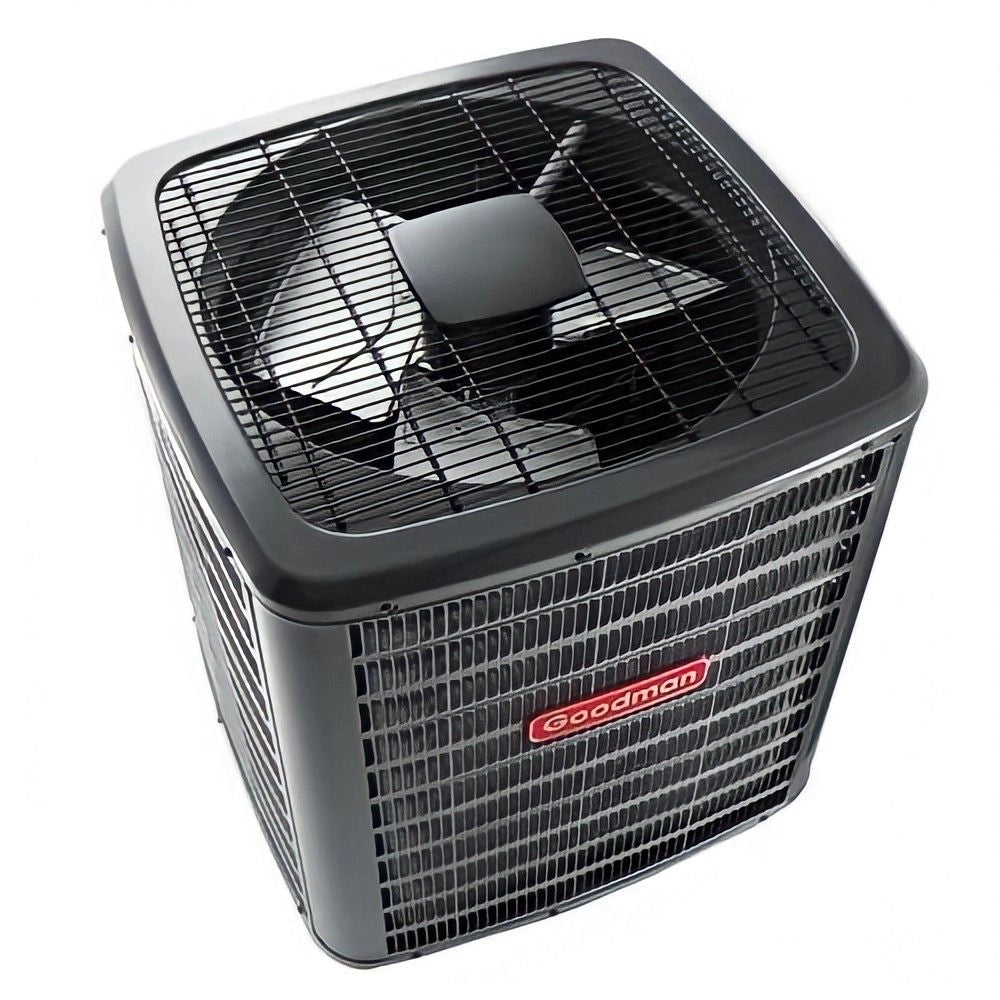
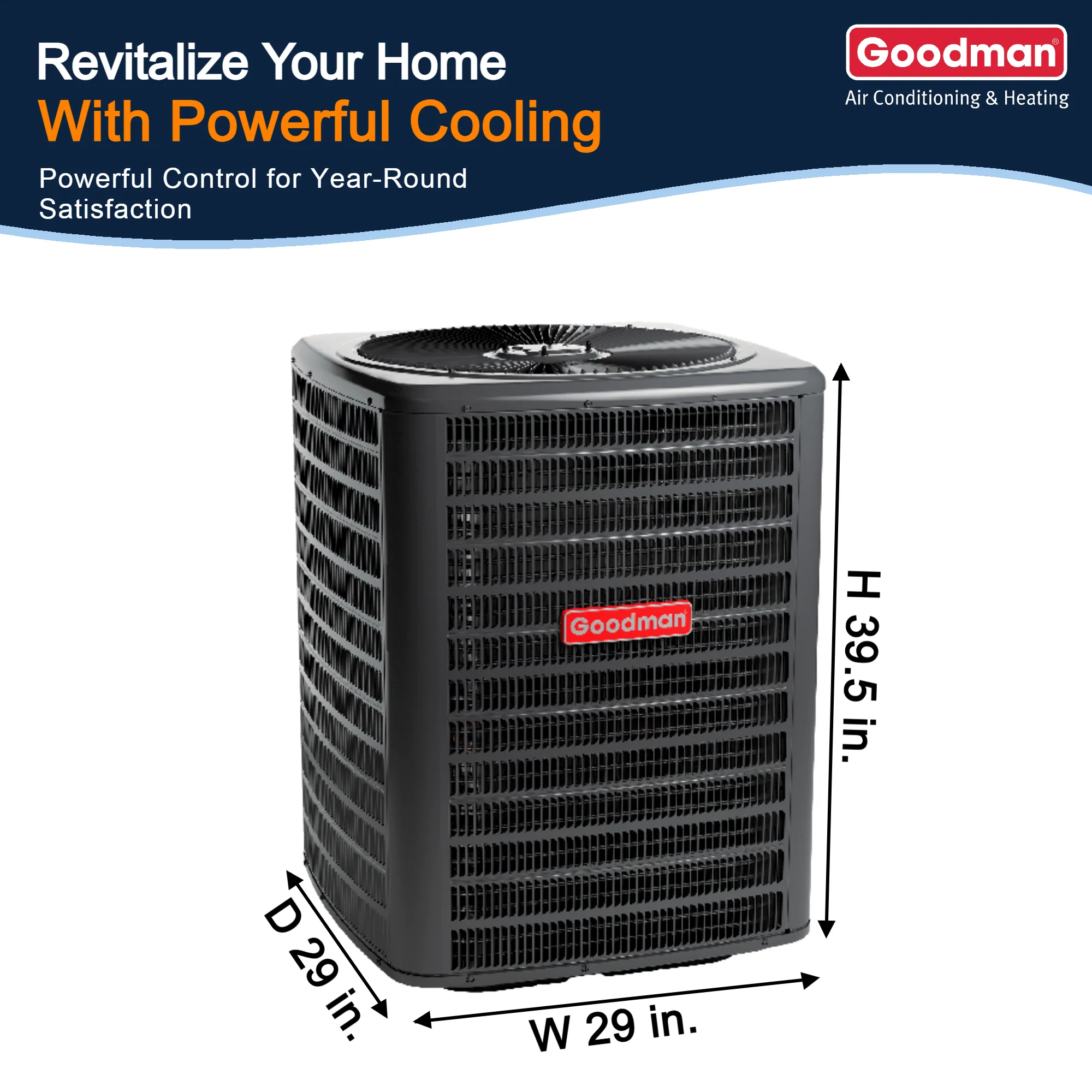
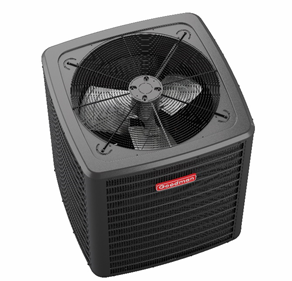
That outdoor cabinet — often called the “AC unit” — is technically the condenser unit. It contains several critical components working together to release heat absorbed from inside your home.
What the AC Condenser Actually Does
To understand why the condenser is outside, you need to understand its function.
The AC condenser is responsible for:
-
Releasing heat absorbed from inside your home
-
Converting high-pressure refrigerant gas into a liquid
-
Supporting the refrigeration cycle that makes cooling possible
Hot refrigerant flows from the indoor coil to the condenser, where outdoor air removes the heat. Without this heat-rejection process, cooling cannot occur.
For a homeowner-friendly explanation of how condenser units function in residential systems, this HVAC educational resource breaks down the refrigeration cycle clearly and visually.
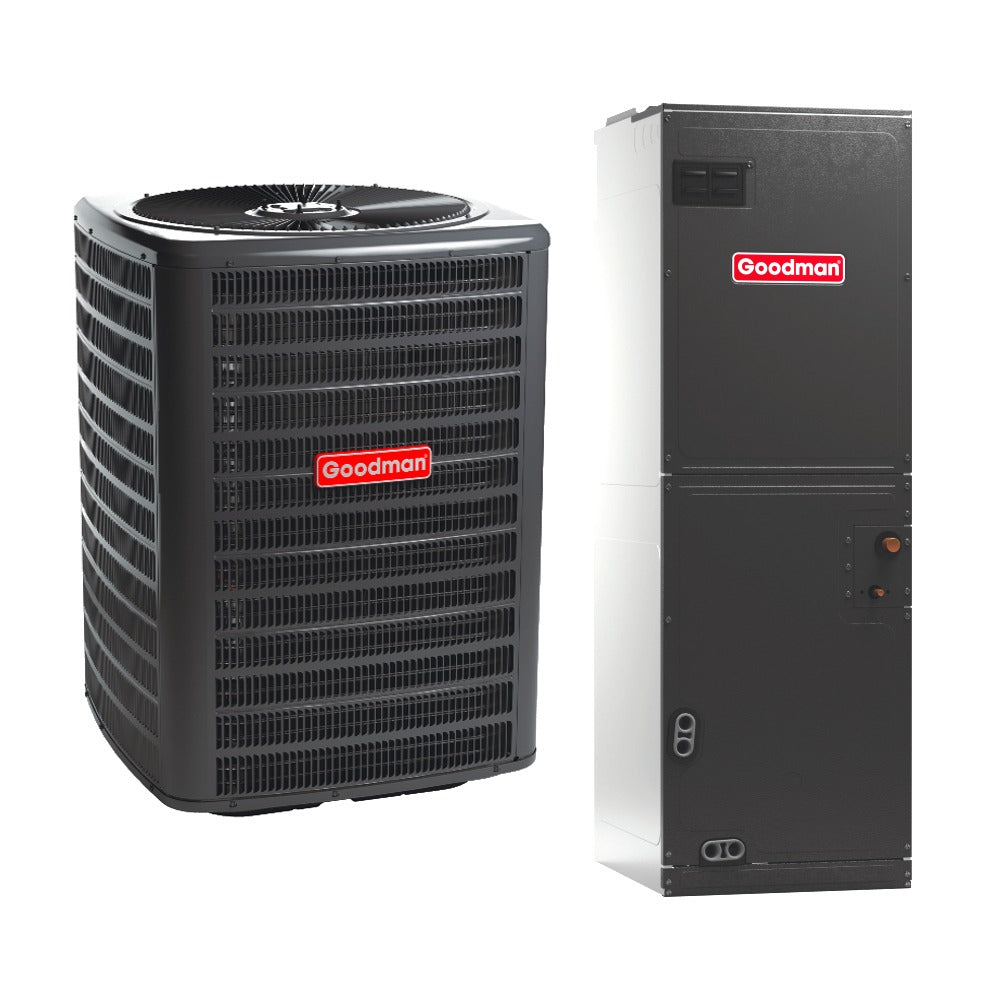
The Goodman 3-Ton 14.5 SEER2 R-32 Bundle: A Modern Condenser Example
Using the Goodman 3-Ton 14.5 SEER2 R-32 Bundle as an example makes condenser location and purpose easy to understand.
In this matched system:
-
The condenser is the outdoor unit
-
It houses the compressor, condenser coil, and fan
-
The indoor section contains the evaporator coil and blower only
Goodman designs its condenser units to be compact, efficient, and service-friendly. The condenser coil wraps around the interior of the cabinet, while the fan pulls outdoor air through the coil to remove heat.
This outdoor placement is intentional and critical for efficiency.
Why the Condenser Is Always Outside (in Central AC Systems)
Some homeowners are surprised that such a critical component lives outdoors year-round. There are several reasons the condenser must be outside.
1. Heat Rejection
The condenser’s primary job is to dump heat outside. Keeping it outdoors allows heat to dissipate efficiently without raising indoor temperatures.
2. Airflow Requirements
Condensers require large volumes of air. Outdoor placement ensures unrestricted airflow compared to indoor spaces.
3. Noise Control
The condenser fan and compressor generate noise. Placing the condenser outside keeps indoor spaces quieter.
Modern systems like the Goodman bundle are engineered so condenser placement maximizes efficiency and comfort.
What Components Are Inside the AC Condenser?
When homeowners ask where is the condenser on an AC unit, they’re often really asking what’s inside that outdoor box.
A residential condenser unit typically contains:
-
Condenser coil – releases heat
-
Compressor – pumps refrigerant through the system
-
Condenser fan – moves outdoor air across the coil
-
Electrical components – contactors, capacitors, and controls
All of these components work together as a single outdoor assembly.
For a deeper breakdown of outdoor unit components and their roles, this HVAC consumer guide offers a clear overview.
Where Is the Condenser on Different Types of AC Systems?
While the Goodman 3-Ton bundle represents a standard split system, condenser location varies slightly by system type.
Split Central Air Systems
-
Condenser location: Outdoors
-
Most common residential setup
Packaged HVAC Units
-
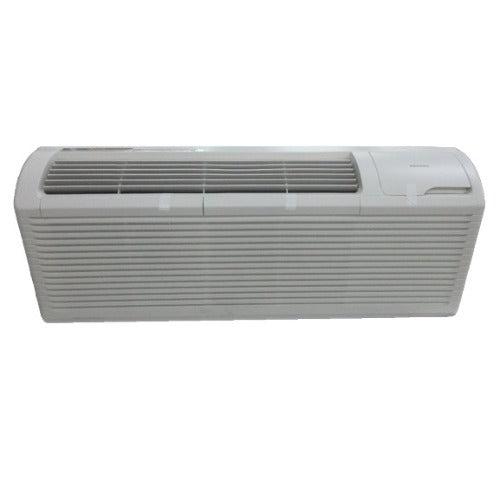
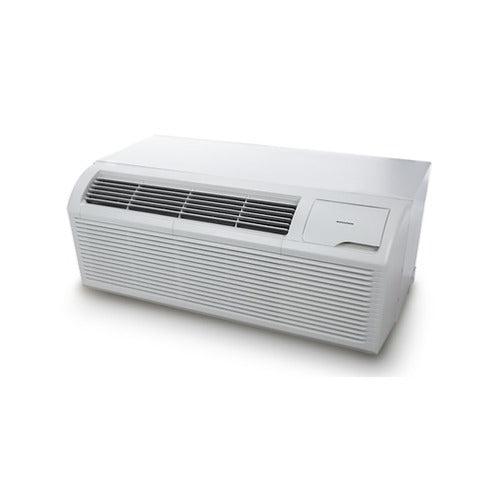
Condenser location: Inside a single outdoor cabinet
-
Common in commercial buildings and some southern homes
Ductless Mini-Split Systems
-
Condenser location: Outdoor unit
-
Indoor heads do not contain condensers
Window AC Units
-
Condenser location: Built into the window unit
-
Not applicable to central systems
Understanding these differences helps homeowners make sense of what they see around their home.
How to Identify the Condenser Outside Your Home
If you’re standing outside and wondering which unit is the condenser, here’s how to tell:
-
It’s a metal cabinet, usually square or rectangular
-
It contains a visible fan on top or on the side
-
It sits on a pad near the home
-
Refrigerant lines run from it into the house
If you see those features, you’re looking at the AC condenser.
In Goodman systems, the branding is clearly visible, and the cabinet design is optimized for airflow and durability.
Why Condenser Location Matters for Maintenance
Because the condenser is outside, it is exposed to environmental conditions that indoor components are not.
Environmental Exposure
Outdoor condensers face:
-
Dirt and dust
-
Leaves and grass clippings
-
Weather extremes
Keeping the area around the condenser clear is one of the simplest ways to protect system efficiency.
Clearance and Airflow
Manufacturers specify minimum clearance distances around the condenser. Blocking airflow forces the system to work harder and can shorten equipment life.
This overview of condenser placement and clearance requirements explains why outdoor spacing matters for performance.
Common Problems That Originate at the Condenser
Many AC issues start — or become obvious — at the condenser.
Warm Air Indoors
If the condenser isn’t releasing heat effectively, indoor cooling suffers.
Unusual Outdoor Noise
Buzzing, rattling, or grinding sounds often originate from the condenser fan or compressor.
System Won’t Start
Electrical components housed in the condenser can prevent startup if they fail.
Knowing where the condenser is located helps homeowners observe the correct part of the system when problems arise.
Condenser Location and Energy Efficiency
The condenser plays a major role in system efficiency. In high-efficiency systems like the Goodman 14.5 SEER2 R-32, condenser design and placement are critical.
Efficiency improvements come from:
-
Enhanced coil design
-
Optimized airflow
-
Proper refrigerant charge
All of these factors depend on the condenser operating in an open, well-ventilated outdoor environment.
Why Matched Systems Protect the Condenser
One of the advantages of the Goodman bundle is that the condenser is matched precisely with the indoor coil.
Mismatched systems can cause:
-
Improper refrigerant pressures
-
Increased condenser workload
-
Reduced efficiency
Matched systems reduce stress on the condenser and improve long-term reliability.
This industry explanation outlines why matched HVAC components improve performance and longevity.
Where Is the Condenser During Installation?
During installation, the condenser is typically placed:
-
Near the home’s exterior wall
-
Close to the indoor air handler to reduce line length
-
On a level pad to prevent vibration
Installers consider noise, airflow, drainage, and service access when choosing condenser location.
Proper placement during installation has a long-term impact on system performance.
What the Condenser Is Not Responsible For
Understanding where the condenser is located also helps clarify what problems are not condenser-related.
If you’re experiencing:
-
Weak airflow → likely indoor blower or ductwork
-
Temperature imbalance → possible duct issues
-
Thermostat malfunctions → control system issue
The condenser, located outside, is not the cause of these problems.
Clearing Up Common Condenser Myths
Let’s address a few misconceptions:
-
“The condenser is inside the furnace.”
False. Furnaces do not contain condensers. -
“The condenser and compressor are separate outdoor units.”
False. The compressor is housed inside the condenser unit. -
“If cooling is weak, the condenser must be broken.”
Not always. Many issues originate indoors.
Knowing where the condenser on an AC unit is located helps eliminate these misunderstandings.
Why Condenser Location Matters When Replacing Your System
When upgrading to a system like the Goodman 3-Ton 14.5 SEER2 R-32 Bundle, condenser placement becomes part of the decision-making process.
Placement affects:
-
Noise levels
-
Service accessibility
-
Airflow efficiency
-
Aesthetic considerations
A well-placed condenser supports long-term comfort and reliability.
Final Thoughts from Jake Lawson
So, where is the condenser on an AC unit? In almost every central air system — including the Goodman 3-Ton 14.5 SEER2 R-32 Bundle — the answer is straightforward: outside your home, in the outdoor unit designed to release heat.
Understanding where the AC condenser is located helps homeowners make better decisions about maintenance, troubleshooting, and system upgrades. It turns confusion into clarity — and that’s always the goal when it comes to home comfort.