
One of the most common questions I hear from homeowners — especially first-time buyers or anyone troubleshooting a cooling issue — is surprisingly simple: where is the AC compressor located? Closely followed by: where is the AC compressor, exactly, and what should I be looking at?
These questions matter more than most people realize. Understanding where the AC compressor sits, how it fits into the system, and how modern systems like the Goodman 3-Ton 14.5 SEER2 R-32 Bundle are designed around compressor performance helps homeowners make smarter decisions about maintenance, troubleshooting, and replacement.
This guide is designed to answer those questions clearly, without technical fluff, and with practical insight drawn from how systems are actually installed and serviced in real homes.
Why Homeowners Ask: “Where Is the AC Compressor?”
The compressor is one of the most important components in any central air conditioning system, yet it’s also one of the least understood. Homeowners often assume the compressor is somewhere inside the house — near the furnace, in the attic, or inside the air handler.
In most residential systems, that assumption is incorrect.
Knowing where the AC compressor is located helps you:
-
Identify the correct component during troubleshooting
-
Communicate more effectively with HVAC professionals
-
Understand which noises or issues are normal vs concerning
-
Perform basic visual checks safely
Before we talk about specific systems like Goodman’s, let’s define the basics.
The Short Answer: Where Is the AC Compressor Located?
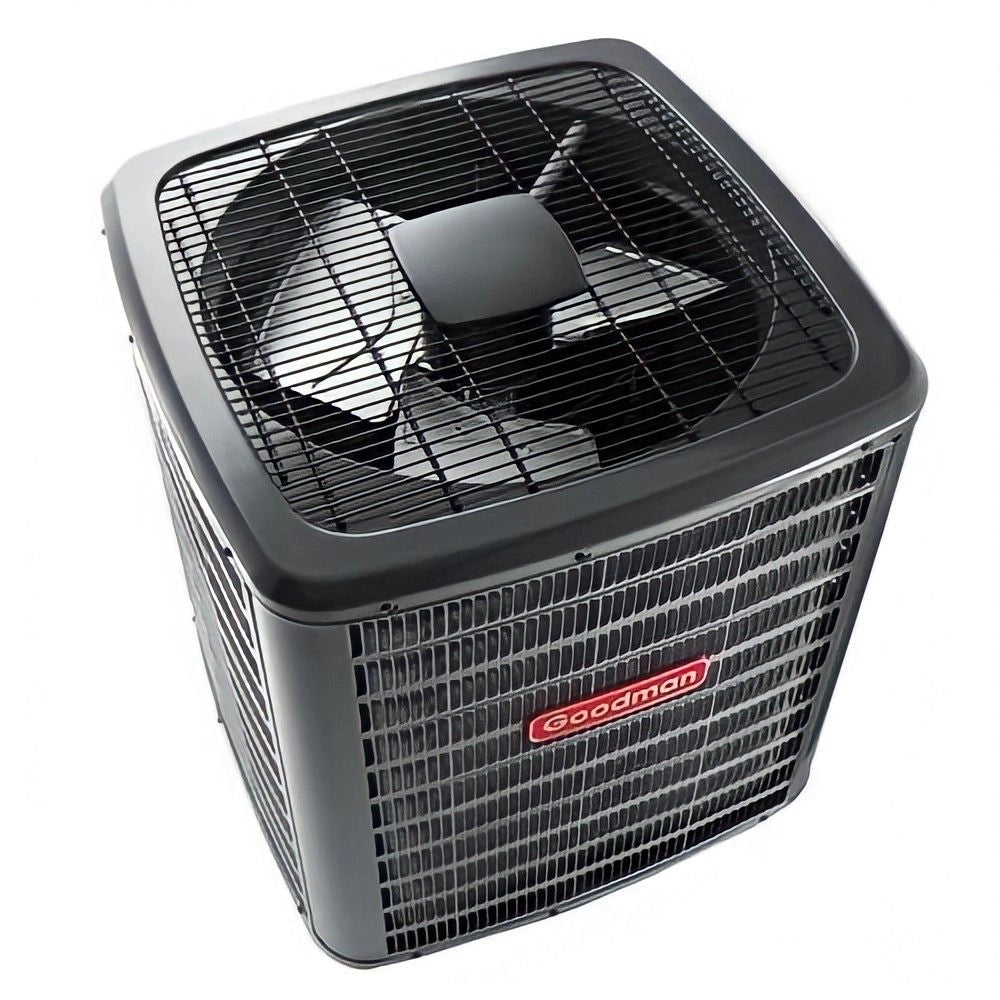
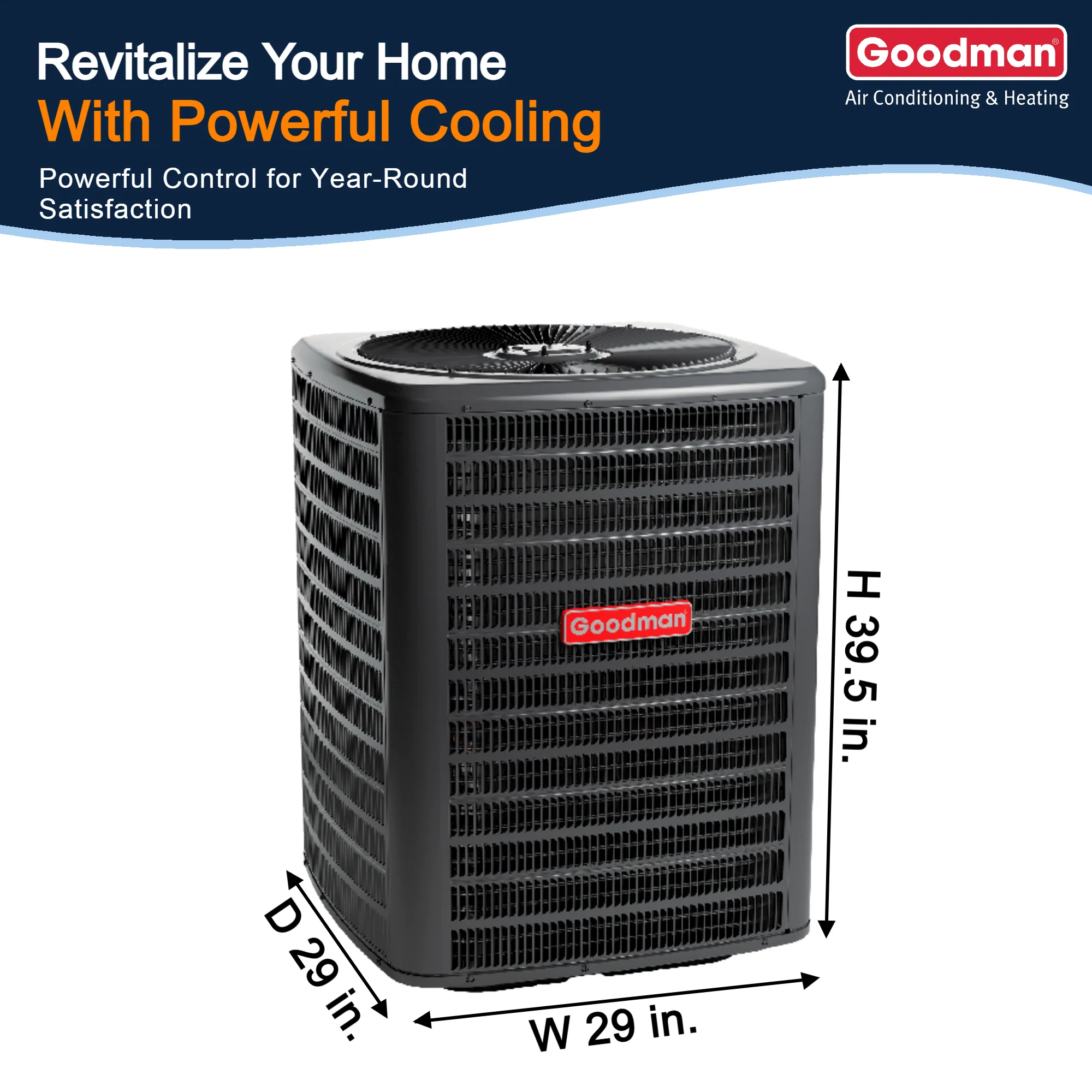
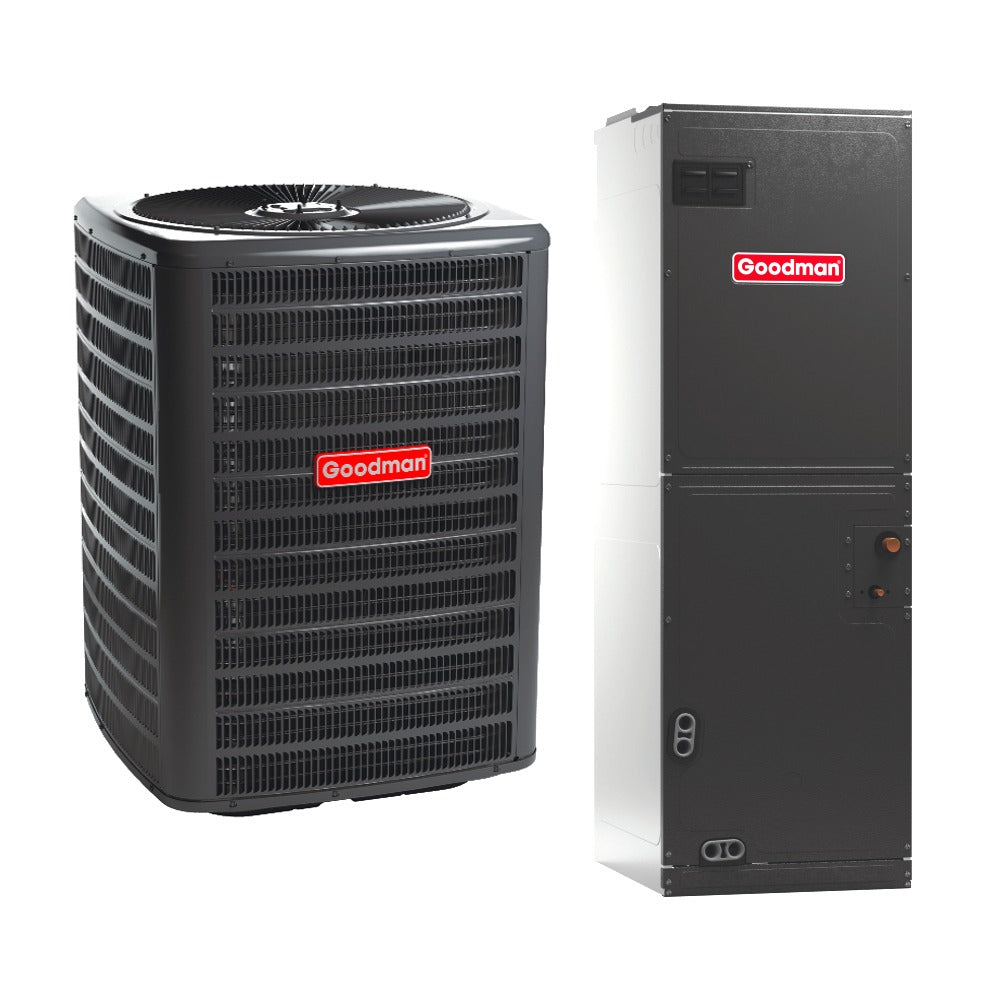
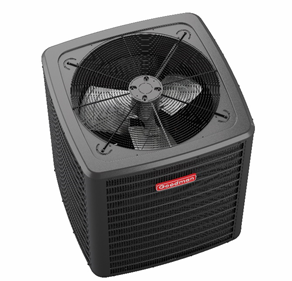
In a standard central air conditioning system, the AC compressor is located inside the outdoor condenser unit. That’s the metal cabinet typically positioned outside your home, usually on a concrete pad near the foundation.
When homeowners ask where is the AC compressor, they’re usually looking at the right unit — they just don’t know what they’re seeing.
The outdoor condenser contains:
-
The compressor
-
The condenser coil
-
The condenser fan
-
Electrical components that support compressor operation
The compressor itself is sealed inside the cabinet and is not visible unless the unit is opened by a licensed technician.
How the Compressor Fits into the Bigger HVAC System
To really understand compressor location, it helps to understand the system layout as a whole.
A central AC system consists of two primary sections:
-
Indoor Section
-
Evaporator coil
-
Air handler or furnace
-
Blower motor
-
-
Outdoor Section
-
Condenser unit
-
Compressor
-
Condenser fan
-
The compressor’s location outside the home is intentional. Compressors generate heat and noise, and placing them outdoors improves efficiency, safety, and comfort indoors.
For a general overview of how outdoor condenser units function in residential systems, this HVAC educational resource provides a helpful explanation of system layout and component placement.
The Goodman 3-Ton 14.5 SEER2 R-32 Bundle: Compressor Placement in a Modern System
Using the Goodman 3-Ton 14.5 SEER2 R-32 Bundle as a real-world example helps bring clarity to compressor location and purpose.
In this matched system:
-
The compressor is housed in the outdoor condenser unit
-
The indoor air handler or coil contains no compressor components
-
Refrigerant lines connect the indoor and outdoor sections
Goodman uses a scroll compressor design, which is compact, efficient, and well-suited for outdoor placement. The compressor is mounted internally on vibration-isolating supports to reduce noise and mechanical stress.
This design aligns with current industry best practices and modern efficiency standards.
Why the AC Compressor Is Always Outside (in Central Systems)
Some homeowners are surprised to learn that the compressor is never inside the home in a traditional split system. There are several practical reasons for this design choice.
1. Heat Rejection
The compressor’s job is to raise refrigerant pressure and temperature so heat can be released outdoors. Keeping the compressor outside allows that heat to dissipate efficiently.
2. Noise Control
Compressors are the loudest component in an AC system. Housing them outdoors keeps operating noise out of living spaces.
3. Safety and Ventilation
Compressors generate heat and require airflow. Outdoor placement ensures proper ventilation and reduces risk.
Modern systems like the Goodman bundle are engineered so compressor performance is optimized by outdoor airflow and ambient conditions.
Where Is the AC Compressor Located in Different System Types?
While the Goodman bundle represents a typical split system, not all AC systems are identical. Let’s clarify where compressors are located across common system types.
Split Central Air Systems
-
Compressor location: Outdoor condenser
-
Most common residential configuration
Packaged HVAC Units
-
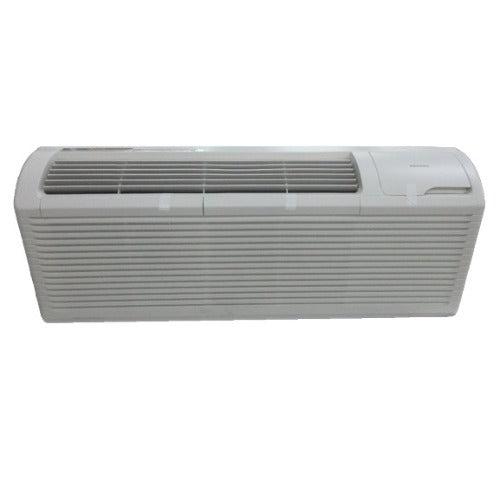
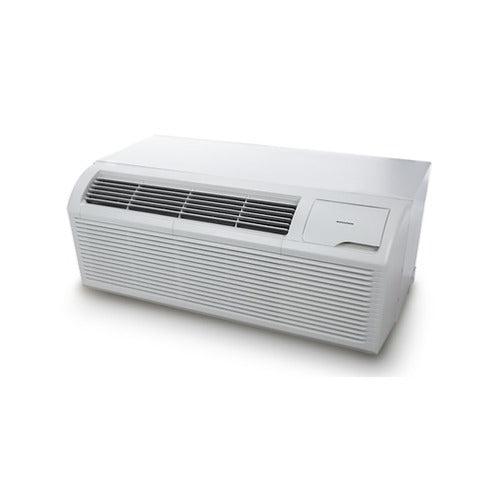
Compressor location: Inside a single outdoor cabinet
-
Common in commercial buildings and some southern homes
Ductless Mini-Split Systems
-
Compressor location: Outdoor unit
-
Indoor heads do not contain compressors
Window Air Conditioners
-
Compressor location: Inside the window unit
-
Not applicable to central systems
For homeowners researching upgrades, understanding this distinction helps avoid confusion during system comparisons.
This consumer HVAC guide explains the differences between split and packaged systems and where key components are housed.
How to Identify the Compressor Inside the Outdoor Unit
While you cannot safely open the condenser cabinet yourself, you can identify where the compressor sits within the unit.
In most residential condensers:
-
The compressor is a large, cylindrical or oval metal component
-
It sits near the base of the unit
-
Refrigerant lines connect directly to it
If you remove the access panel (which should only be done by a professional), the compressor is immediately recognizable due to its size and sealed housing.
In Goodman condensers, the compressor is positioned for balanced airflow and service accessibility.
Why Compressor Location Matters for Troubleshooting
Understanding where the AC compressor is located becomes especially important when diagnosing common issues.
Noise Issues
If you hear unusual noises coming from the outdoor unit — humming, buzzing, or grinding — those sounds may be associated with the compressor.
Knowing the compressor is outside helps homeowners isolate the source correctly instead of assuming the issue is indoors.
Cooling Problems
If your indoor blower is running but no cool air is produced, the issue may be with the outdoor compressor. Knowing where it’s located helps you know which unit to observe.
Electrical Concerns
Breakers tripping or outdoor unit failures often involve compressor-related circuits.
For a clear explanation of how compressors fail and what symptoms originate from the outdoor unit, this HVAC diagnostic article breaks down common scenarios in homeowner-friendly language.
Compressor Location and Maintenance Responsibilities
Because the compressor is located outdoors, it is exposed to environmental conditions that indoor components are not.
Homeowners should be aware of how outdoor placement affects maintenance.
Environmental Exposure
Outdoor compressors are exposed to:
-
Dirt and debris
-
Leaves and grass clippings
-
Weather fluctuations
Regular maintenance keeps airflow unobstructed and reduces stress on the compressor.
Clearance Requirements
Manufacturers like Goodman specify minimum clearance distances around the condenser to ensure proper airflow.
Blocked airflow is one of the most common causes of compressor stress and premature failure.
How the Goodman Bundle Protects the Compressor
The Goodman 3-Ton 14.5 SEER2 R-32 Bundle is designed with compressor protection in mind.
Key features include:
-
Matched indoor and outdoor components
-
Optimized refrigerant charge for R-32
-
Scroll compressor technology with fewer moving parts
-
Factory-tested compatibility
Matched systems reduce the risk of improper operating conditions, which is one of the biggest threats to compressor longevity.
This is one reason many HVAC professionals recommend bundled systems over mixing components.
Where Is the AC Compressor Located During Installation?
During installation, the outdoor condenser — containing the compressor — is typically placed:
-
On a concrete or composite pad
-
Near the home’s exterior wall
-
Close to the indoor air handler to minimize line length
Placement decisions affect:
-
Efficiency
-
Noise levels
-
Ease of service
Installers consider airflow, drainage, and code requirements when positioning the compressor outdoors.
What the Compressor Is NOT Responsible For
Understanding compressor location also helps clarify what problems are not compressor-related.
If the issue is:
-
Weak airflow → likely indoor blower or ductwork
-
Uneven cooling → possible duct or zoning issue
-
Thermostat problems → control issue
The compressor, located outdoors, is only responsible for refrigerant compression and circulation.
This distinction helps homeowners avoid misdiagnosis.
Common Misconceptions About Compressor Location
Let’s clear up a few common myths:
-
“The compressor is in the furnace.”
False. Furnaces do not contain compressors. -
“The compressor is inside the air handler.”
False in central systems. -
“If I hear noise inside, the compressor must be inside.”
Outdoor noise can transmit through line sets or walls.
Understanding where the AC compressor is located eliminates these misconceptions.
Why Knowing Compressor Location Matters When Replacing a System
When upgrading to a system like the Goodman bundle, homeowners often underestimate how much of the system lives outdoors.
The compressor location affects:
-
Installation complexity
-
Noise expectations
-
Long-term maintenance access
A well-placed outdoor unit protects the compressor and improves system longevity.
This overview of condenser placement best practices explains why location decisions matter for performance and service life.
Final Thoughts from Jake Lawson
So, where is the AC compressor located? In almost every central air system — including the Goodman 3-Ton 14.5 SEER2 R-32 Bundle — the answer is clear: inside the outdoor condenser unit.
Understanding that simple fact gives homeowners a major advantage. It helps you troubleshoot intelligently, communicate clearly with technicians, and appreciate how modern HVAC systems are designed for efficiency and durability.
The compressor may be out of sight, but it should never be out of mind. When you know where it is and why it’s there, you’re better equipped to protect your comfort and your investment.