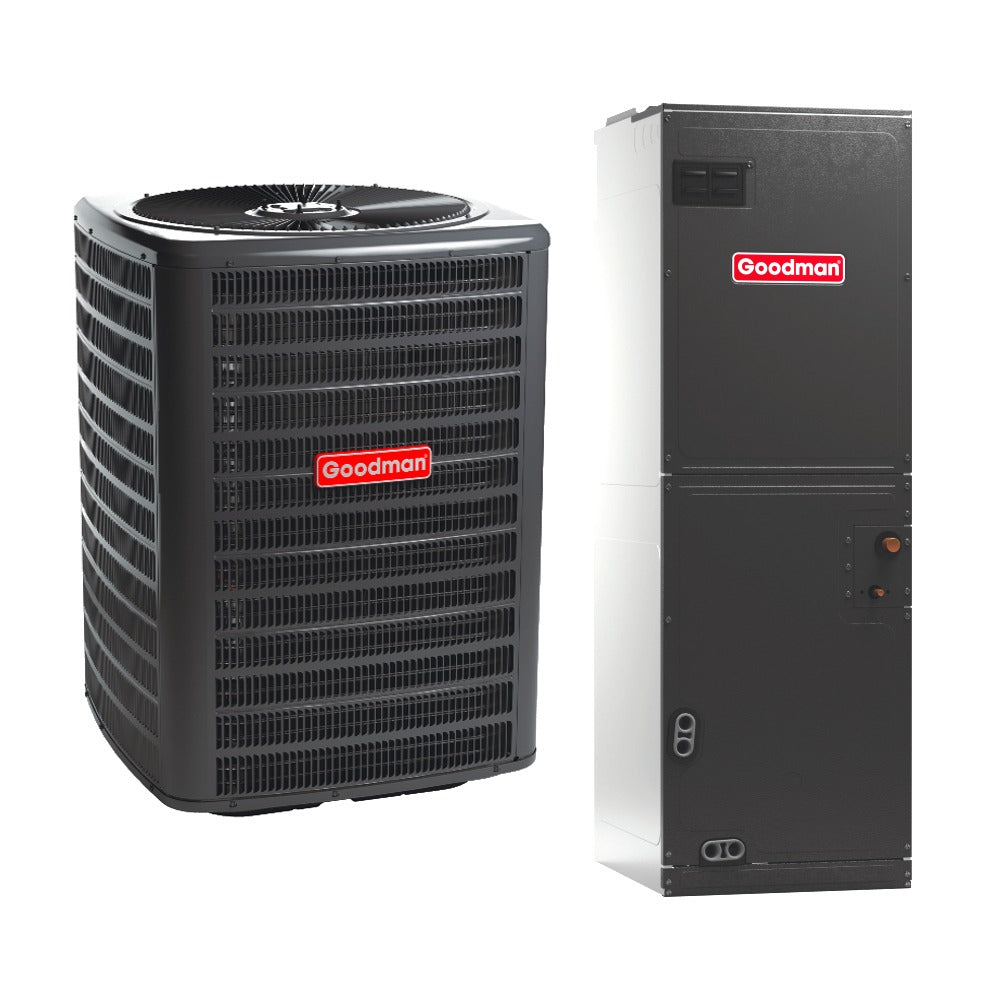

When it comes to home heating and cooling, few components are as critical—and as misunderstood—as the furnace AC coil. Homeowners often ask about furnace coils, furnace and evaporator coils, and even furnace coil location when trying to understand why their HVAC system isn’t performing optimally. If you’ve ever wondered how an air conditioner furnace coil works or what a gas furnace with AC coil does, this guide is for you.
I’m Savvy Mavi, and today we’re going to explore the role of coils in your HVAC system, with a focus on the Goodman MBVK electric furnace. We’ll cover the function, types, maintenance, troubleshooting, and replacement considerations for furnace coils, giving you the knowledge to keep your system efficient and reliable.
What Is a Furnace AC Coil?
A furnace AC coil—also called an evaporator coil or simply a furnace coil—is a heat exchanger that allows your HVAC system to transfer heat efficiently. In cooling mode, the coil absorbs heat from indoor air, while in heating mode (for systems with electric or heat pump elements), it helps distribute warm air evenly.
Key functions include:
-
Facilitating heat transfer between air and refrigerant
-
Supporting both heating and cooling operations in split HVAC systems
-
Working in tandem with the blower to circulate conditioned air
For systems like the Goodman MBVK electric furnace, which often pairs with a central air system, the furnace coil is critical for effective air conditioning performance and overall energy efficiency.
Types of Furnace Coils
1. Evaporator Coils
An evaporator coil is located inside the air handler or furnace cabinet and connects to the air conditioning system. It absorbs heat from indoor air during cooling, allowing refrigerant to carry it outside to the condenser.
2. Condenser Coils
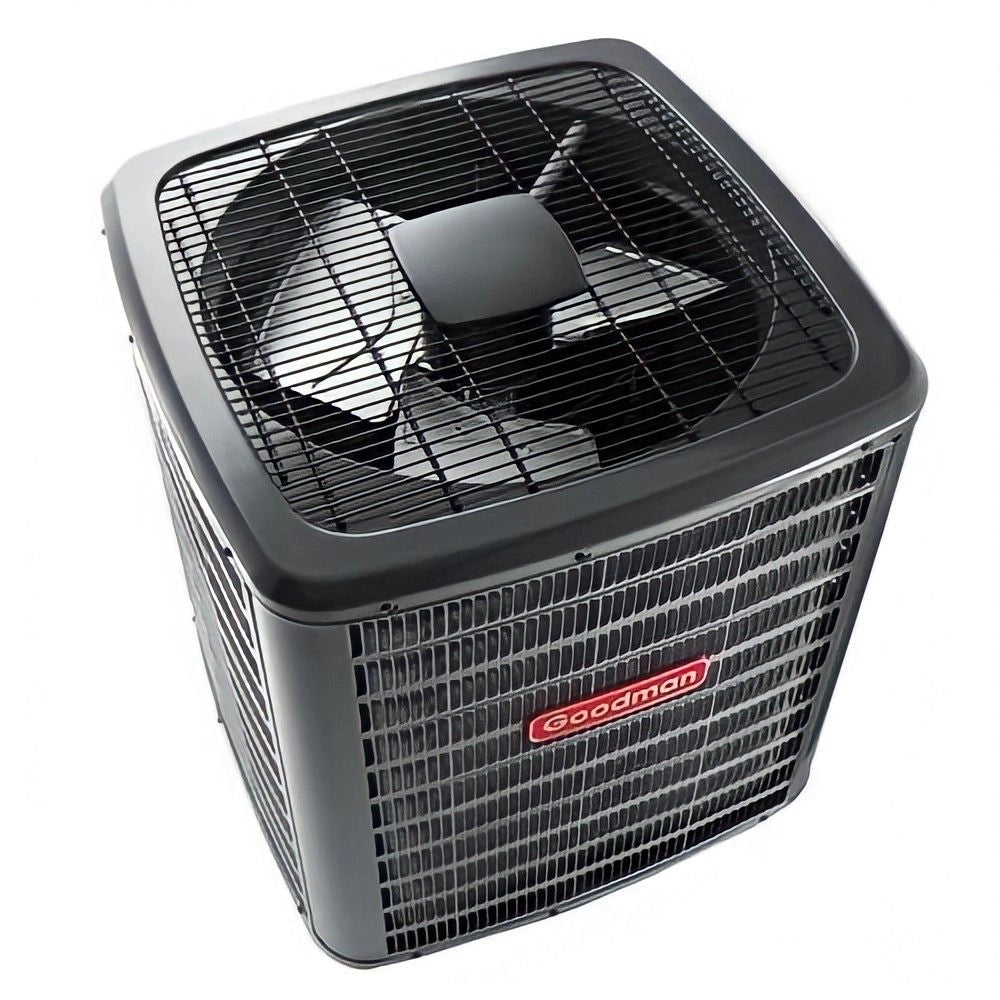
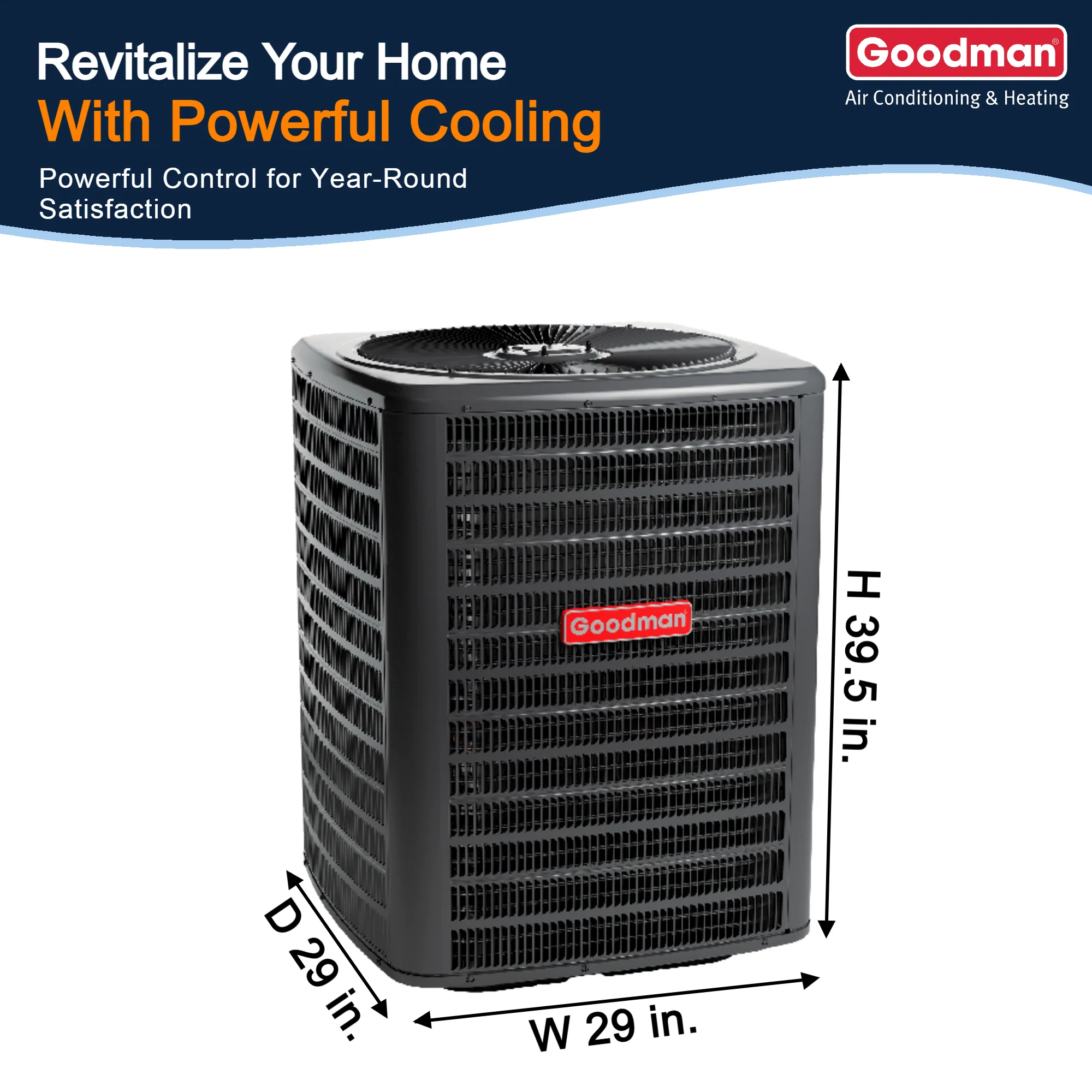
A furnace condenser coil is typically located outside in the AC condenser unit. While not physically part of the furnace, it works in concert with the indoor coil to release heat to the outside environment.
3. Combination Systems
Some gas furnaces with AC coil or electric furnaces with integrated air handlers use a combination of evaporator and heating coils. In these systems, the furnace provides heat, while the coil supports air conditioning, often sharing the same airflow path.
Furnace Coil Location
Understanding furnace coil location is key for troubleshooting and maintenance:
-
Indoor evaporator coil – Typically installed in the furnace air handler or plenum above or below the furnace blower.
-
Access panels – Most modern systems allow coil inspection via removable panels.
-
Blower proximity – Located near the blower to ensure maximum airflow across the coil surface.
Knowing the coil’s location helps homeowners or technicians clean, inspect, and service it effectively, which is critical for energy efficiency and system longevity.
How the Goodman MBVK Uses Coils
The Goodman MBVK electric furnace is primarily a heating system, but it often integrates with a central AC system. In this setup:
-
The furnace blower pushes air across the furnace AC coil during cooling mode.
-
In heating mode, electric elements or heat pump coils provide warmth, while the same air handler distributes it.
-
Proper coil maintenance ensures efficient heat transfer, even in hybrid systems with heat pumps.
The combination of a well-maintained furnace coil and an efficient blower ensures comfort, consistent temperature, and lower energy costs.
Common Furnace Coil Problems
Several issues can affect furnace coils and overall system performance:
1. Dirt and Debris
A dirty furnace coil reduces airflow and efficiency, increasing energy bills and system strain. Signs include:
-
Reduced cooling or heating performance
-
Ice formation on AC coils in cooling mode
-
Higher utility bills
Regular cleaning and filter replacement help prevent these problems.
2. Leaks
Leaks in the evaporator coil can cause refrigerant loss, resulting in:
-
Reduced cooling capacity
-
System cycling on and off frequently
-
Frost buildup on the coil
Professional HVAC service is required to detect and repair leaks safely.
3. Corrosion
In humid or coastal environments, coils can corrode over time. Corrosion reduces heat transfer efficiency and can lead to complete coil failure.
4. Airflow Restriction
Even a clean coil can underperform if airflow is restricted by:
-
Dirty filters
-
Blocked ducts
-
Closed vents
Restricted airflow increases pressure on the system, reduces comfort, and can lead to furnace or AC shutdowns.
Furnace Coil Maintenance
Maintaining your furnace coil ensures efficient operation and prolongs the life of your HVAC system:
-
Regular Filter Replacement – Prevents debris from reaching the coil.
-
Annual Coil Cleaning – Professional cleaning removes accumulated dust, mold, and debris.
-
Inspection for Leaks – Detects refrigerant issues early.
-
Monitoring Airflow – Ensures no ducts or vents are obstructed.
Following these maintenance steps reduces the risk of furnace and evaporator coil problems and keeps both heating and cooling systems performing optimally.
Troubleshooting Furnace Coil Issues
If your system is underperforming, check for the following:
-
Reduced Cooling or Heating – Could indicate dirty or clogged coils.
-
Ice Formation on Coils – Often caused by restricted airflow or low refrigerant.
-
Unusual Noises – Could signal loose or damaged coil fins or mounting issues.
-
High Utility Bills – A dirty or inefficient coil can increase energy usage.
Professional evaluation is recommended if you suspect coil damage or refrigerant leaks.
Furnace Coil Replacement
Replacing a furnace coil is typically performed by a certified HVAC technician. Key considerations include:
-
Compatibility – Ensure the replacement coil matches your furnace and AC system.
-
System Type – Gas furnace coils may differ from electric furnace or heat pump coils.
-
Installation Cost – Varies based on coil type and labor; replacement is generally $300–$800 for residential systems.
-
Warranty – Using OEM-approved parts maintains warranty coverage.
Integrating Coils with Hybrid Systems
Many modern homes use hybrid systems combining electric furnaces, heat pumps, and air conditioning. In these systems:
-
The furnace AC coil serves as the interface between heating and cooling.
-
Proper coil operation ensures consistent airflow and temperature balance.
-
Staged heating and cooling optimize efficiency and comfort.
For Goodman MBVK owners, understanding how coils integrate with the system helps identify issues quickly and maintain optimal performance.
Signs You Need Professional Service
Contact a licensed technician if you notice:
-
Reduced heating or cooling performance
-
Ice or frost on coils
-
Leaking refrigerant or corrosion
-
Noisy operation or unusual odors
Early intervention prevents more costly repairs and prolongs the life of both your furnace and evaporator coil and the HVAC system as a whole.
Summary
Furnace coils are essential components of any HVAC system, whether you’re using an electric furnace like the Goodman MBVK, a gas furnace with AC, or a hybrid system. Understanding furnace coil location, maintenance, and troubleshooting ensures reliable heating and cooling, energy efficiency, and comfort throughout the year.
Key takeaways:
-
Coils facilitate heat exchange for both heating and cooling.
-
Regular maintenance prevents efficiency loss and system strain.
-
Early detection of leaks, corrosion, or airflow issues extends system lifespan.
-
Professional inspection and replacement are recommended for damaged coils.
By understanding your furnace and evaporator coil, you can optimize your Goodman MBVK electric furnace and central AC system, ensuring consistent, comfortable temperatures and long-term reliability.