INTRODUCTION — SO YOU’RE THINKING ABOUT DIY CENTRAL AIR? LET’S TALK.
If you’ve recently walked outside and felt a blast of heat punch you in the throat, or if your window units sound like a tractor struggling through mud, there’s a good chance you’ve thought about upgrading to a DIY central air conditioner system. And I’m not talking about a little fan-in-a-box fix; I mean a real-deal, whole-home, powerful HVAC system that keeps every room cool without tripping breakers or rattling like a loose muffler.
If that’s the case, then you’ve probably searched:
-
How to get central air
-
Can you install your own AC unit
-
Can I install my own HVAC system
-
DIY central air conditioner installation
And you quickly discovered — everybody online has a different answer.
Some say “absolutely not — never try it yourself under any circumstances.”
Others say “sure, it’s basically like assembling IKEA furniture with extra pipes.”
The truth?
It’s somewhere in the middle.
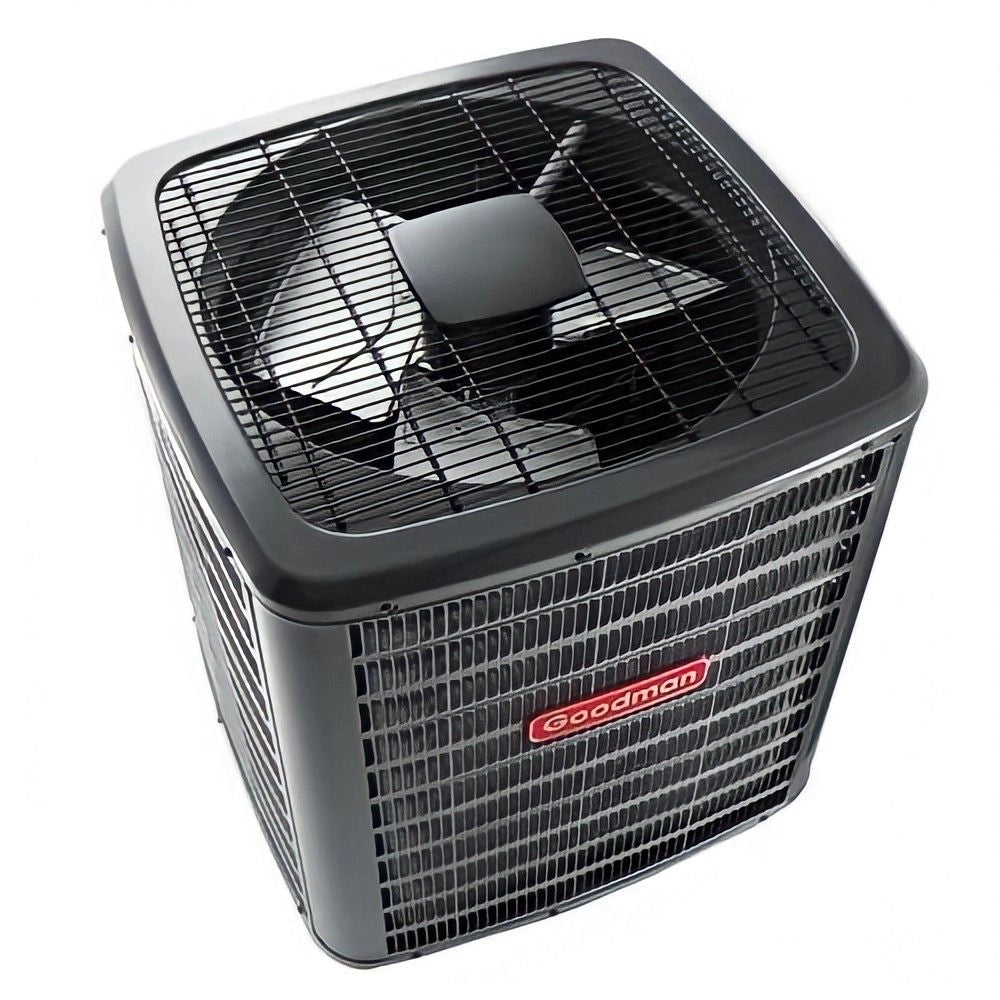
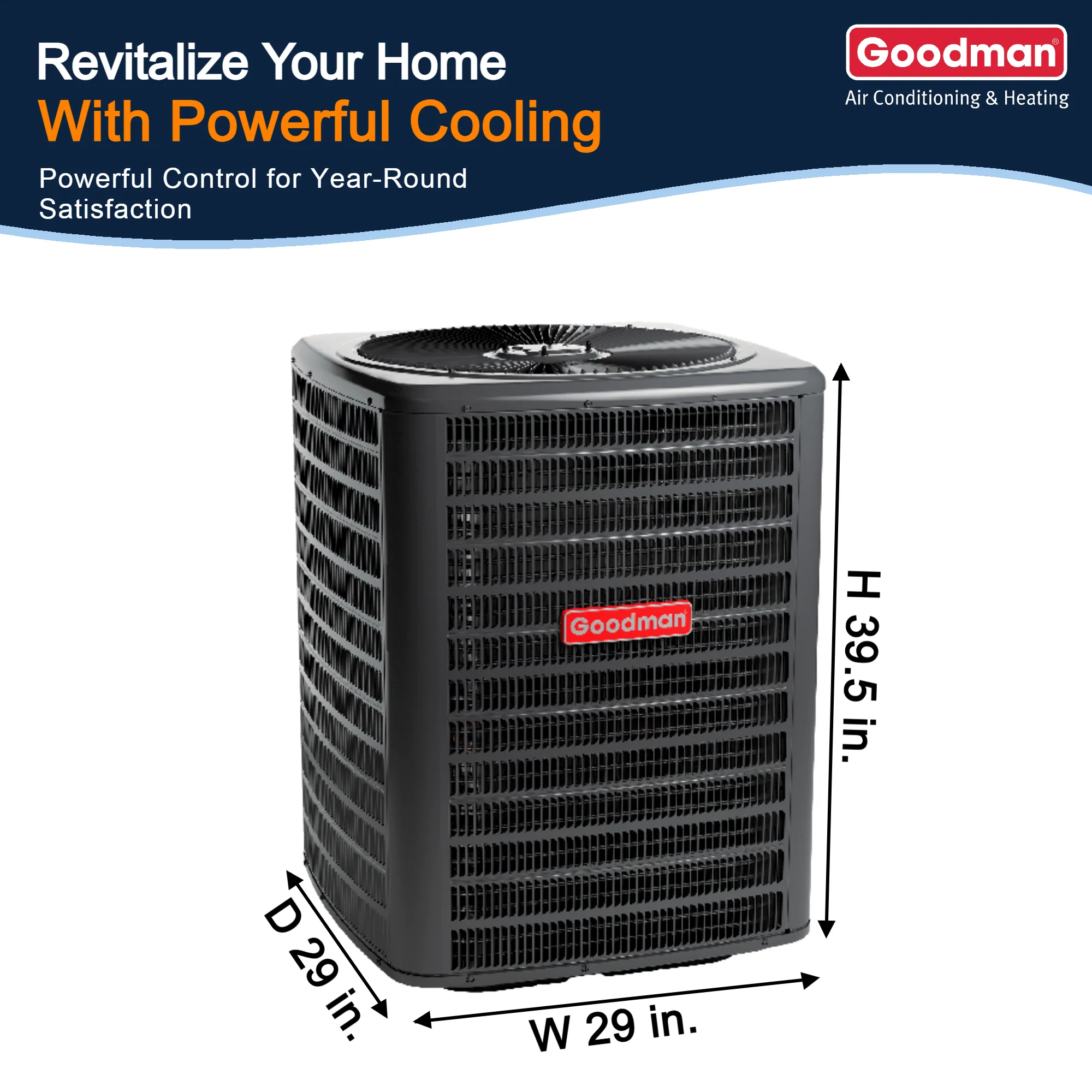
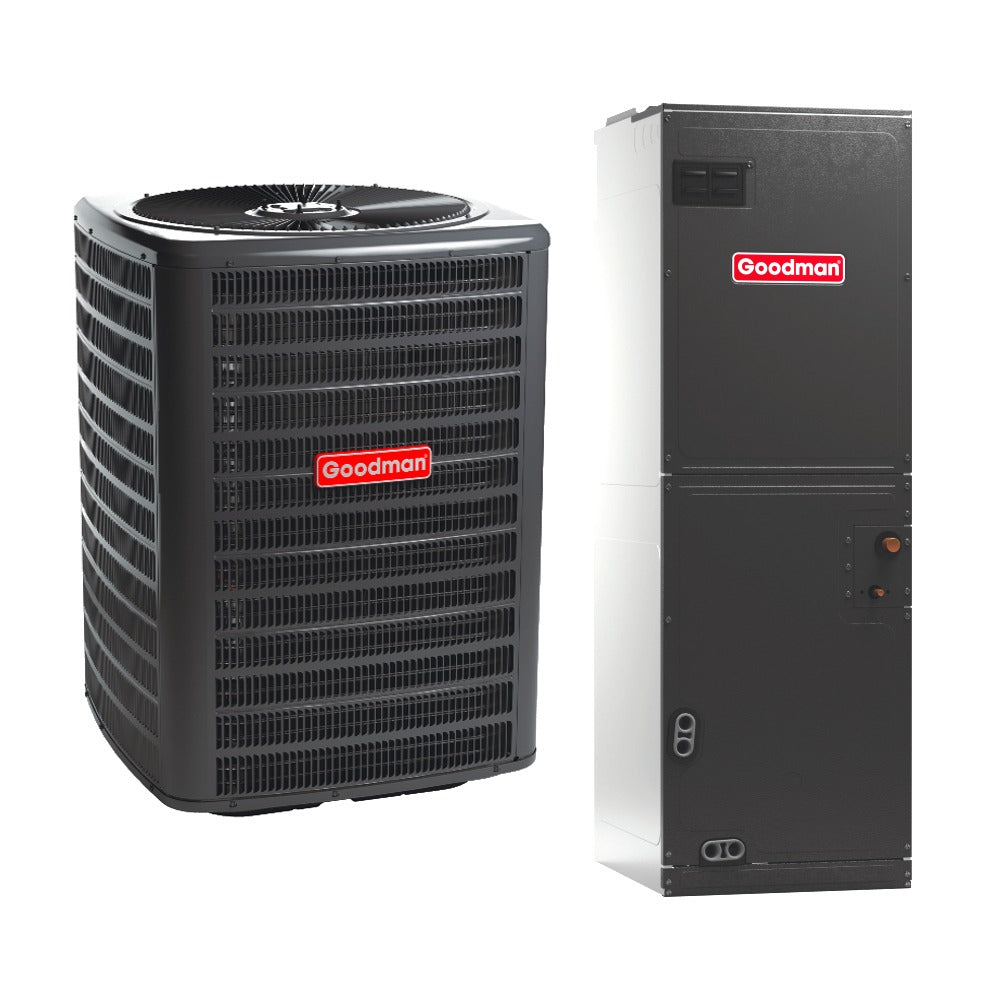
Today, we’re taking a deep dive into the Goodman 3 Ton 14.5 SEER2 R32 Bundle — one of the most sought-after central AC packages for homes in the U.S., and exactly the kind of system homeowners start asking about when they're trying to save thousands on labor costs.
(If you've never seen the unit, check the full details at The Furnace Outlet, where the Goodman 3 Ton 14.5 SEER2 R32 bundle is highlighted — clicking here takes you directly to it ➝ Goodman 3 Ton 14.5 SEER2 R32 Bundle)
This guide is going to answer the questions most HVAC pros dodge:
-
Can you install your own AC unit legally?
-
Should you?
-
What part of the process can be DIY — and what part MUST be done by a licensed pro?
-
How much can you realistically save?
By the end of this article, you’ll understand whether DIY central air is a smart move… or a regret waiting to happen.
Grab a coffee — this is going to be good.
CHAPTER 1 — HOW TO GET CENTRAL AIR IN YOUR HOME: YOUR REAL OPTIONS
When homeowners ask me “How do I get central air for my house?”, they usually think it’s a simple single decision — but there are actually four totally different paths:
| Option | Cost | Time | DIY Potential |
|---|---|---|---|
| Full Professional Installation | $$$$ | Fast | No |
| Hybrid Install (You carry the load; pro handles connections) | $$ | Medium | Yes/Partial |
| Full DIY (Only allowed sometimes) | $ | Slow | Limited + Risky |
| Mini-Split (central-ish, but not truly central) | $$ | Medium | High |
The Goodman central air system we’re talking about today falls into the first three categories — it CAN be incorporated into a hybrid-DIY install (we’ll break that down shortly).
What makes someone want central air?
-
Window units are too loud
-
Portable AC drains constantly
-
Fans only move hot air around
-
Some rooms are saunas, others meat lockers
-
They want resale value
-
Their family has allergies
-
Humidity is becoming the enemy
But the REAL motivation is universal:
People want their homes comfortable without paying $10–$17K to a contractor.
CHAPTER 2 — CAN YOU INSTALL YOUR OWN AC UNIT? YES — BUT NOT THE ENTIRE THING.
This is one of the biggest myths in HVAC. You’ll hear some contractors say:
“No, homeowners are legally forbidden to install anything.”
Wrong.
Then you’ll hear DIY Facebook warriors say:
“You can do ALL of it yourself; pros just want your money.”
Also wrong.
Here’s the truth:
| Component | DIY Allowed? | Pro Required? |
|---|---|---|
| Remove old system | ✔ | |
| Mount air handler | ✔ | |
| Set outdoor condenser | ✔ | |
| Pour pad / install platform | ✔ | |
| Run new thermostat | ✔ | |
| Install ductwork | ✔ | |
| Electrical subpanel work | ✔ | |
| Refrigerant line vacuum & charging | ✔ (EPA 608 Certification Required) | |
| Final commissioning | ✔ |
Why?
Because handling refrigerant isn’t just a technique — it’s a federal law, and doing it wrong can:
-
Destroy a brand-new compressor
-
Void your warranty
-
Leak refrigerant (which is expensive, and environmentally regulated)
-
Cause a safety hazard
For more info on technician certification requirements, you can check the EPA Section 608 guidelines.
So yes — you can install your own AC unit, but not 100% of it.
But that’s not bad news — it’s good news.
CHAPTER 3 — WHY THE GOODMAN 3 TON 14.5 SEER2 R32 BUNDLE IS THE DIY-FRIENDLY KING
Let’s talk hardware.
The Goodman 3 Ton 14.5 SEER2 R32 system is popular among contractors AND homeowners for one big reason:
Goodman equipment is easier to install, easier to service, and easier to get parts for than most competitors.
This is the working-class pickup truck of HVAC. Not the most luxurious — but reliable, straightforward, and cost-efficient.
Here’s what makes it DIY-friendly:
-
Straightforward cabinet design
-
Clearly labeled connection points
-
Excellent documentation
-
Compatible with widely available parts
-
Long-term support
-
Simple control board layout
Homeowners love it.
Technicians respect it.
And the numbers matter:
-
3 Ton capacity = sweet spot for 1,400–2,000 sq. ft homes
-
14.5 SEER2 = Better efficiency under new federal standards
-
R32 Refrigerant = Cooler operation, less environmental impact
If you want the full technical breakdown, the Goodman manufacturer installation resource — Goodman Product Resources — includes schematics, PDFs, and tech sheets.
CHAPTER 4 — CAN I INSTALL MY OWN HVAC SYSTEM?—THE COSTS AND SAVINGS
Let’s get REAL here.
This is the section most blogs tiptoe around.
Professionally installed system (average):
➡ $8,500 – $17,000 depending on region (Home Advisor)
HVAC equipment cost (DIY purchase):
➡ $2,400 – $4,200 on average
Hiring pros only for the steps that require licensing:
➡ $1,200 – $3,200 typically
Total Hybrid-DIY Cost:
➡ $3,800 – $7,400
Savings = $6,000+ in many cases
So when somebody asks:
“Can I install my own HVAC system?”
The accurate answer is:
You can install 70% of it — and pay a professional for the remaining 30% — and still save thousands.
CHAPTER 5 — STEP-BY-STEP DIY WORK YOU CAN DO
Many homeowners ask me:
“What part of installing central air is actually hard?”
Here is what you CAN do safely, with the right tools and patience:
-
Remove the old furnace or air handler
-
Remove your old condenser
-
Build or buy a condenser pad
-
Install return air plenum
-
Install supply ducting
-
Mount air handler or coil
-
Install condensation line
-
Install new thermostat
-
Run low-voltage control wiring
-
Bolt the condenser line-set cover
-
Strap line-set to house exterior
Here’s where it gets tricky:
-
Brazing copper lines (possible DIY, not recommended)
-
Pulling 240V electrical feeds (illegal without permitting in most counties)
-
Evacuating refrigerant lines
-
Charging R32 refrigerant precisely
-
Pressure-testing with nitrogen
Those steps require:
-
EPA licensing
-
Micron gauge
-
Manifold gauge set
-
Vacuum pump
-
Refrigerant scale
-
Experience
CHAPTER 6 — SHOULD YOU ADD CENTRAL AIR BEFORE SELLING YOUR HOME? ABSOLUTELY.
Adding central air does three major things:
| Benefit | Impact |
|---|---|
| Raises home value | High |
| Increases buyer interest | Very High |
| Helps pass inspection | Very High |
| Reduces insurance risk | Moderate |
| Cuts humidity | High |
Wisconsin, Ohio, Pennsylvania, Kentucky, Tennessee, North Carolina — these states see major ROI on central air because buyers expect it.
CHAPTER 7 — SAFETY, PERMITS & WHAT YOUTUBE DOESN’T TELL YOU
YouTube may convince homeowners that installing a central AC is as simple as hooking up Legos, but here’s what influencers leave out:
-
Fire marshals check permits
-
Insurance companies DENY claims if unpermitted work causes issues
-
Some counties require load calculation submissions
-
Skipping vacuum pump stages destroys compressors
-
R32 refrigerant reacts differently than R410a
If you want to be on the right side of safety, the Air Conditioning Contractors Association offers safe installation standards — ACCA Residential HVAC Installation Standards.
CHAPTER 8 — WHEN DIY MAKES SENSE (AND WHEN IT DOESN’T)
DIY is smart when:
✔ You’re comfortable with tools
✔ You understand your electrical panel
✔ You can follow specs EXACTLY
✔ You want to save thousands
✔ You’re planning hybrid installation
DIY is NOT smart when:
✘ You rush
✘ You hate precise instructions
✘ You refuse to call a pro
✘ You live in extreme-climate areas
✘ Your electrical system is ancient
CONCLUSION — SHOULD YOU DO A DIY CENTRAL AIR CONDITIONER INSTALLATION? MY FINAL ANSWER
If you’re the kind of person who:
-
Measures twice
-
Reads instructions
-
Doesn’t panic when things don’t align perfectly
-
And understands that DIY doesn’t mean doing 100% alone
Then installing your own central air system (with some professional partnership) is absolutely a smart, financially responsible decision.
The Goodman 3 Ton 14.5 SEER2 R32 Bundle gives homeowners:
-
DIY-friendly installation design
-
Modern efficiency
-
Lower environmental impact
-
Affordable replacement parts
-
Reliability backed by a long reputation
Pairing DIY labor with professional charging and commissioning is the perfect strategy — saving thousands without risking your equipment, home, or safety.