
INTRODUCTION — CAN YOU REALLY INSTALL CENTRAL AIR WITHOUT DUCTWORK?
If you’ve ever wondered about installing central air in a house without ducts, you’re not alone. Many homeowners find themselves in a tough spot: their homes are old, charming, and efficient in their own way — but they were never built with ductwork in mind. The result? No easy way to add traditional central heating and air.
You may have typed queries like:
-
AC without ductwork
-
Air conditioner no duct work
-
Cost to install central heat with no existing ductwork
-
Cost to install central heat and air without existing ductwork
…and quickly realized there’s a lot of conflicting information online. Some sites make it sound simple. Others make it sound impossible.
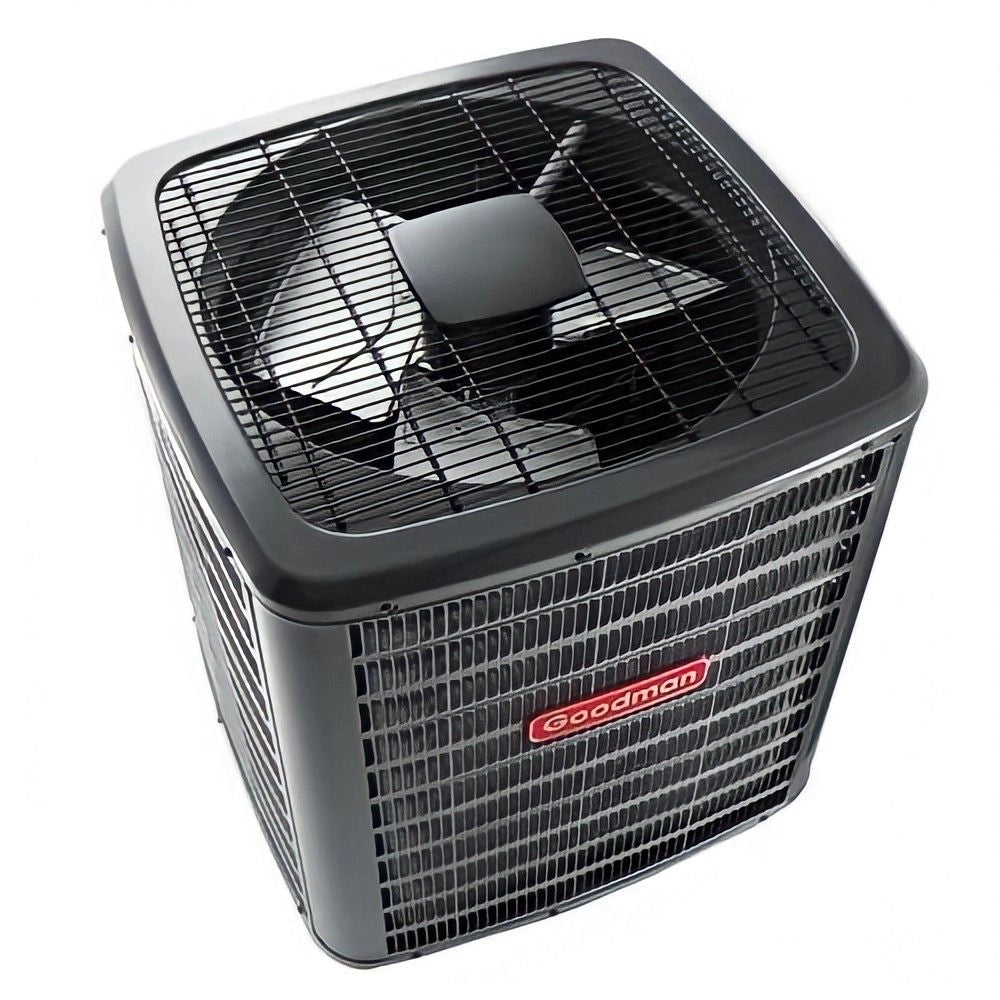
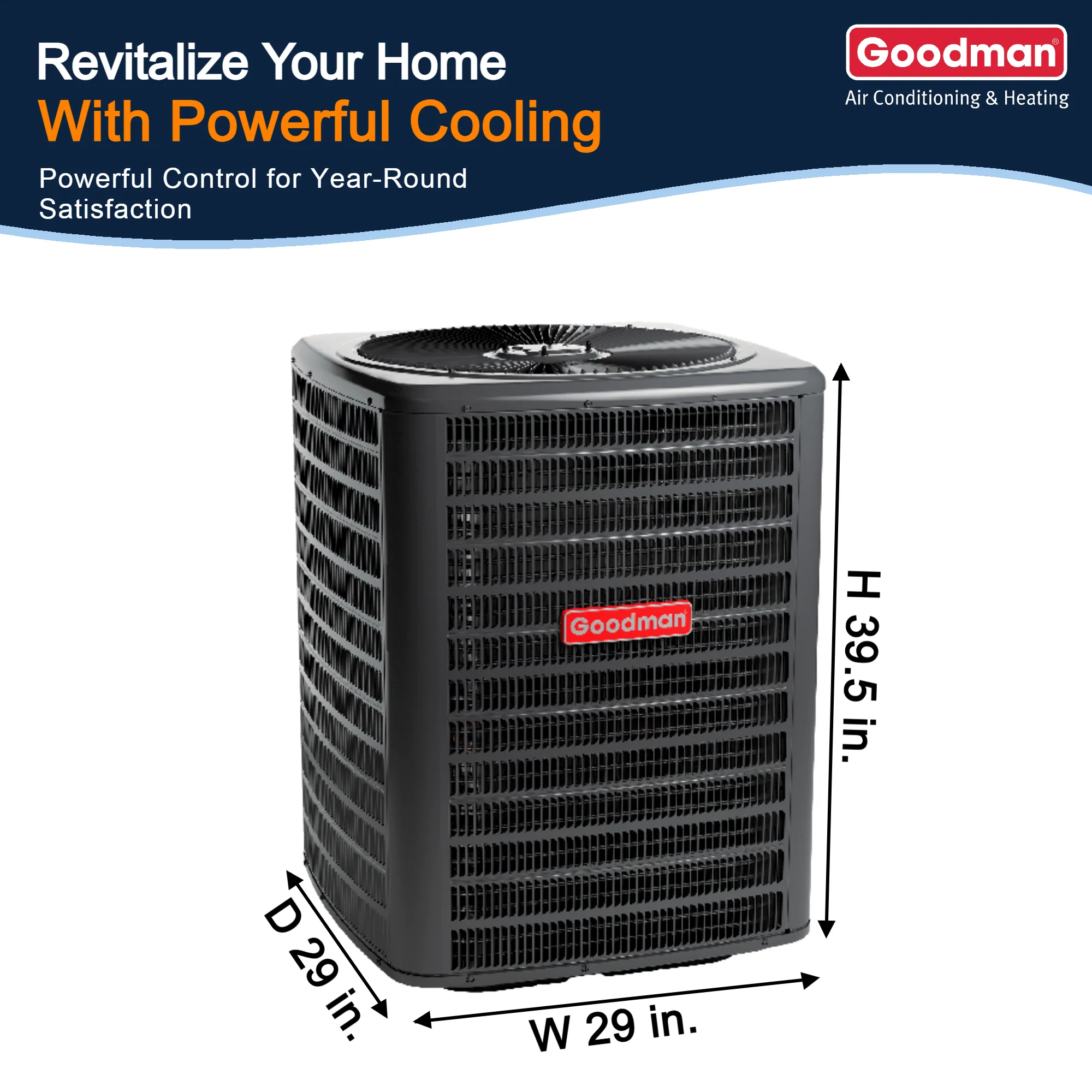
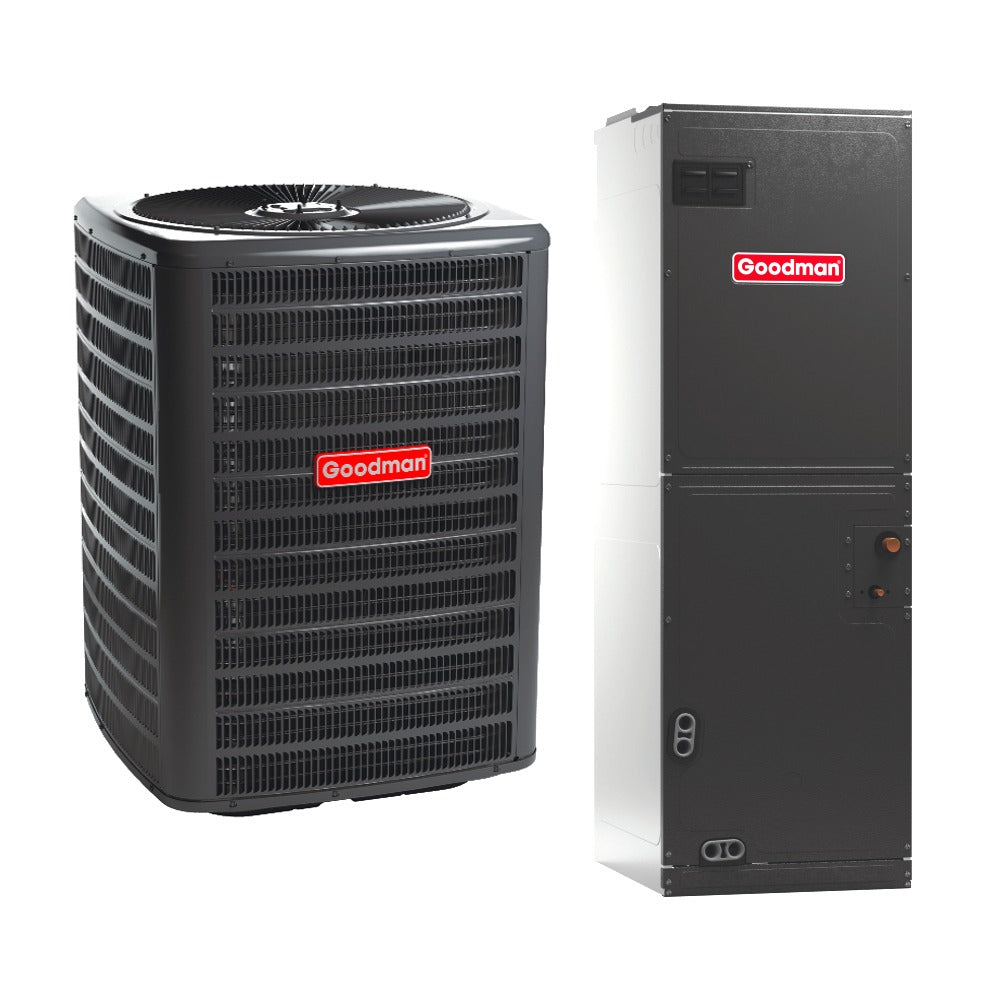
I’m here to give you the straight truth. There are solutions for homes without existing ducts — and some of them are surprisingly DIY-friendly. But the smart move, especially if you want long-term reliability and efficiency, is pairing these options with a high-performance system like the Goodman 3 Ton 14.5 SEER2 R32 bundle.
If you want to see the full specifications and features of this unit, you can check out the pillar page here:
👉 Goodman 3 Ton 14.5 SEER2 R32 Bundle
CHAPTER 1 — WHY SOME HOMES DON’T HAVE DUCTS
Older homes, cottages, or houses built before the 1970s often didn’t include ductwork because:
-
Heating was provided by radiators, baseboards, or wood stoves.
-
Air conditioning wasn’t standard; window units sufficed.
-
Open-concept designs relied on fans rather than ducts.
The challenge is clear: adding a traditional forced-air system means running new ducts through walls, ceilings, or floors — an expensive and invasive process. That’s why many homeowners start asking about AC without ductwork or air conditioner no duct work options.
CHAPTER 2 — OPTIONS FOR CENTRAL AIR IN HOMES WITHOUT DUCTS
There are several ways to cool a home without existing ducts. Let’s break down the most common:
1. Mini-Split Ductless Systems
Also called ductless split AC units, these systems consist of:
-
One outdoor condenser
-
One or more indoor air handlers
Pros:
-
Easy to install compared to full ductwork
-
Zoning capability (different rooms at different temperatures)
-
Energy-efficient
Cons:
-
Can look less seamless than traditional central AC
-
Multiple units needed for full home coverage
Mini-splits are technically a form of central air without ducts, though some people prefer the term “ductless AC.” They’re a perfect fit for historic homes or small additions.
For more info about professional installation best practices, check out:
👉 Family Handyman Ductless AC Installation Guide
2. High-Velocity “Small Duct” Systems
High-velocity systems use small, flexible tubing to deliver conditioned air through tiny vents.
-
Less invasive than traditional ducts
-
Works well for retrofitting older homes
-
Compatible with modern thermostats
This approach can often integrate with high-performance systems like the Goodman R32 bundle, providing a balance of DIY labor and professional support.
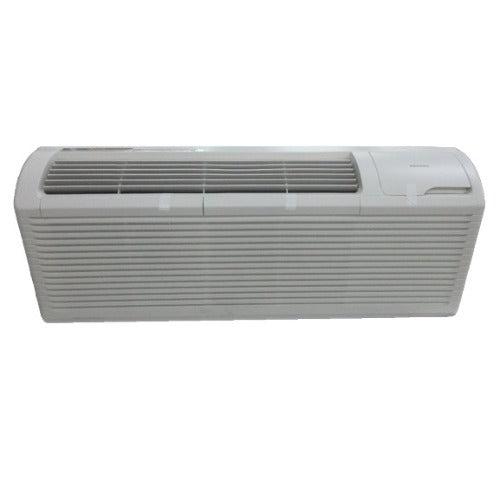
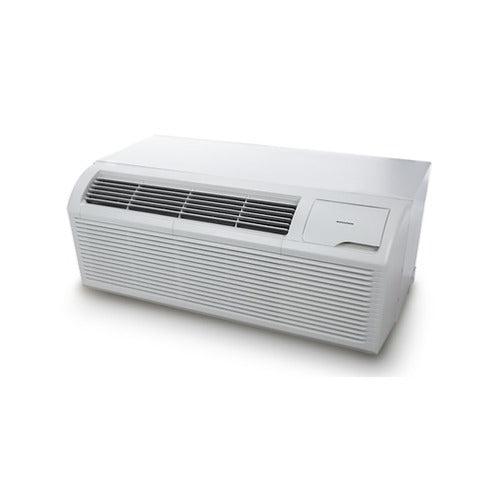
3. Portable or Window Units (Temporary Solutions)
-
Cheap, easy to move, and non-invasive
-
Good for temporary relief, supplemental cooling, or small rooms
Drawbacks:
-
Won’t cool an entire home efficiently
-
Can be noisy
-
Often increase electricity costs
Think of these as stepping stones while you plan a permanent solution.
CHAPTER 3 — COST TO INSTALL CENTRAL HEAT AND AIR WITHOUT EXISTING DUCTWORK
Cost is often the biggest concern for homeowners asking about installing central air in a house without ducts cost. Here’s what you should expect:
| System Type | Average Cost | Pros | Cons |
|---|---|---|---|
| Ductless Mini-Split | $3,000–$10,000 | Easy retrofit, zoned cooling | Multiple units for large homes |
| High-Velocity Small Duct | $6,000–$15,000 | Efficient, discreet | More labor-intensive |
| Full Duct System (New Ducts) | $12,000–$25,000 | Traditional central AC, resale value | Invasive, expensive |
These numbers vary by region, labor cost, and home size. Also note: choosing an efficient system like the Goodman 3 Ton 14.5 SEER2 R32 can save money long-term on energy bills.
For a breakdown of costs and installation tips, the HVAC.com cost guide is an excellent resource:
👉 HVAC Installation Costs and Tips
CHAPTER 4 — WHY GOODMAN IS A SMART CHOICE FOR DUCTLESS OR HYBRID INSTALLATIONS
If you’re retrofitting a house without ducts, you want a system that’s:
-
Compatible with ductless or small-duct solutions
-
Energy-efficient
-
Durable and serviceable
-
Backed by a good warranty
The Goodman 3 Ton 14.5 SEER2 R32 bundle fits these criteria perfectly:
-
3 Ton capacity is ideal for medium-sized homes
-
SEER2 14.5 efficiency rating meets modern energy standards
-
R32 refrigerant is environmentally friendly
-
Can integrate with mini-split or high-velocity retrofits
This unit allows DIY-minded homeowners to participate in the installation process without compromising safety or performance.
CHAPTER 5 — STEP-BY-STEP OVERVIEW OF INSTALLATION OPTIONS FOR HOMES WITHOUT DUCTS
I’ve installed hundreds of systems in homes with and without ducts. Here’s a general approach:
1. Mini-Split Installation
-
Identify ideal wall or ceiling locations for indoor air handlers
-
Place the outdoor condenser on a stable, level pad
-
Run refrigerant lines and condensate piping
-
Connect electrical wiring and test
DIY-friendly aspects: mounting indoor units, routing small lines
Pro-required aspects: refrigerant handling, pressure testing
2. High-Velocity Small-Duct Installation
-
Determine optimal duct paths (ceiling, soffits, or walls)
-
Install small flex ducts and outlets
-
Connect to central condenser or air handler
-
Test airflow and balance
This approach works well with a Goodman central air bundle, even if ducts are small.
CHAPTER 6 — PERMITS, SAFETY, AND CODE CONSIDERATIONS
When installing air conditioner no duct work or central heat with no existing ductwork, you’ll likely need:
-
Building permits
-
HVAC permits
-
Inspections for electrical and mechanical compliance
Skipping these steps may void warranties, cause insurance issues, or result in fines. Always check local regulations before starting any installation.
The Air Conditioning Contractors Association (ACCA) provides standards for residential HVAC installs:
👉 ACCA Residential HVAC Standards
CHAPTER 7 — COST TO INSTALL CENTRAL HEAT WITH NO EXISTING DUCTWORK
Breaking down cost to install central heat and air without existing ductwork:
-
Mini-split solution: $3,000–$10,000
-
High-velocity small duct system: $6,000–$15,000
-
Full ductwork system: $12,000–$25,000
-
Labor and permits included in above ranges
-
Energy-efficient system choice (like Goodman) may reduce operating costs by 15–20%
CHAPTER 8 — DIY-FRIENDLY INSTALLATION STRATEGIES
For homeowners who love to DIY, here’s what you can do safely:
-
Remove old window units or portable AC
-
Mount mini-split indoor units
-
Install mounting pads for outdoor condenser
-
Run low-voltage thermostat wiring
-
Seal ductless or small ducts to maximize efficiency
What you should not DIY:
-
Refrigerant charging
-
Electrical connections to 240V circuit
-
Pressure testing the system
By splitting labor this way, you save money, learn a lot, and still maintain warranty protection.
CHAPTER 9 — CONCLUSION: THE SMART PATH TO CENTRAL AIR WITHOUT DUCTS
If you’re considering installing central air in a house without ducts, here’s the takeaway:
-
Temporary DIY options (portable units, window units) are fine for short-term relief.
-
Mini-splits and high-velocity small-duct systems are the practical solutions for long-term comfort.
-
Goodman 3 Ton 14.5 SEER2 R32 bundle gives reliability, energy efficiency, and DIY-friendly integration.
-
Professional involvement for refrigerant and electrical work ensures safety, code compliance, and warranty coverage.
You don’t have to rip your house apart to add central air. With the right planning, hybrid DIY involvement, and smart system selection, you can enjoy true home comfort — even in homes that were never built with ducts.