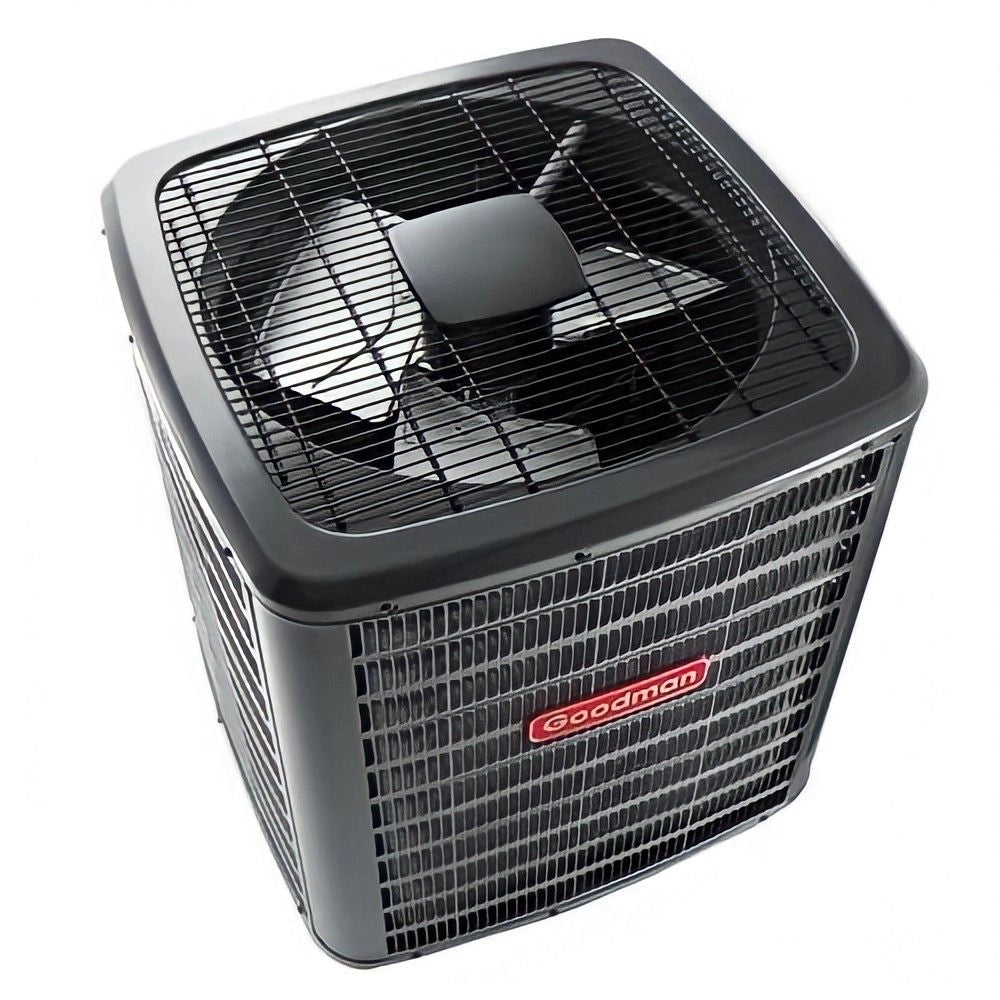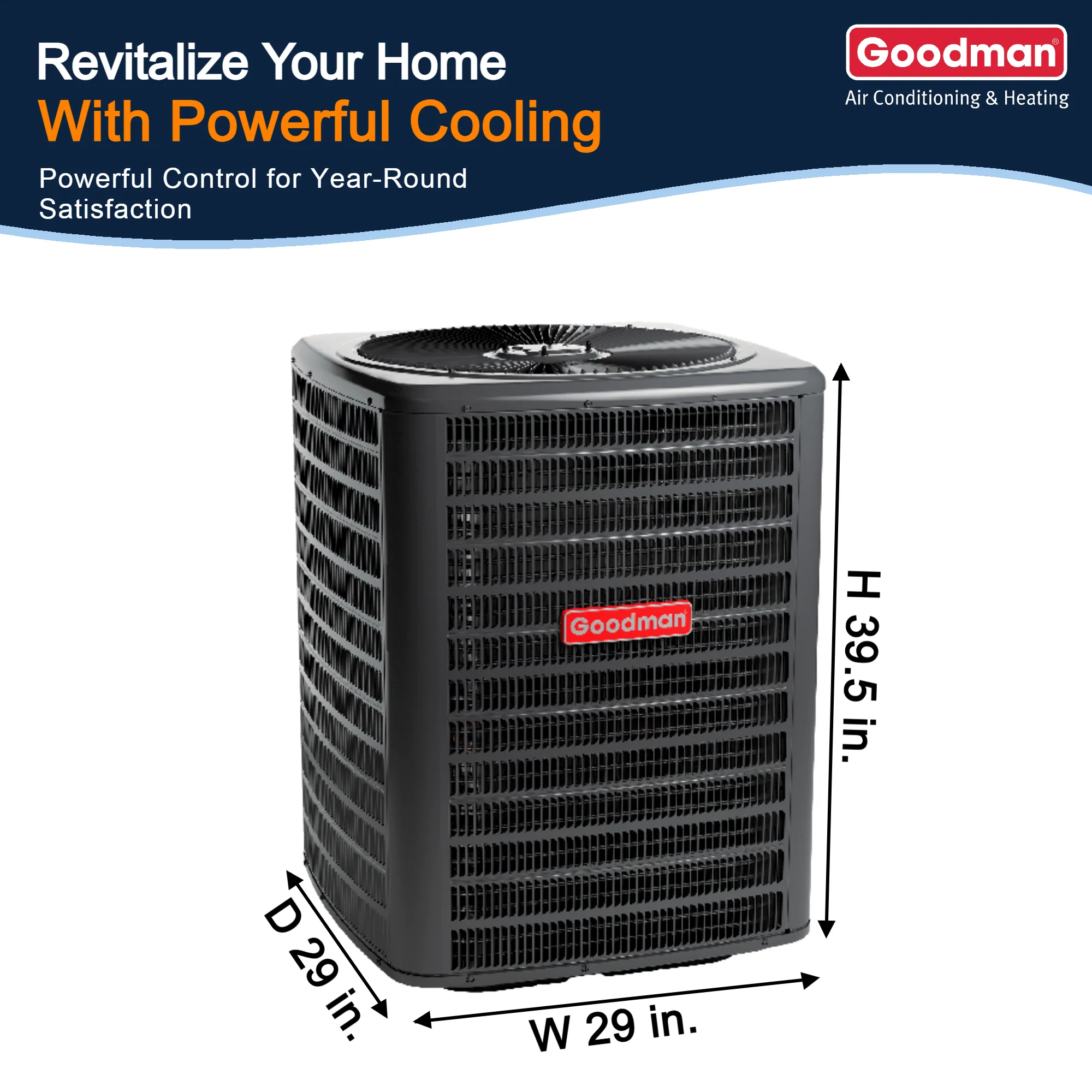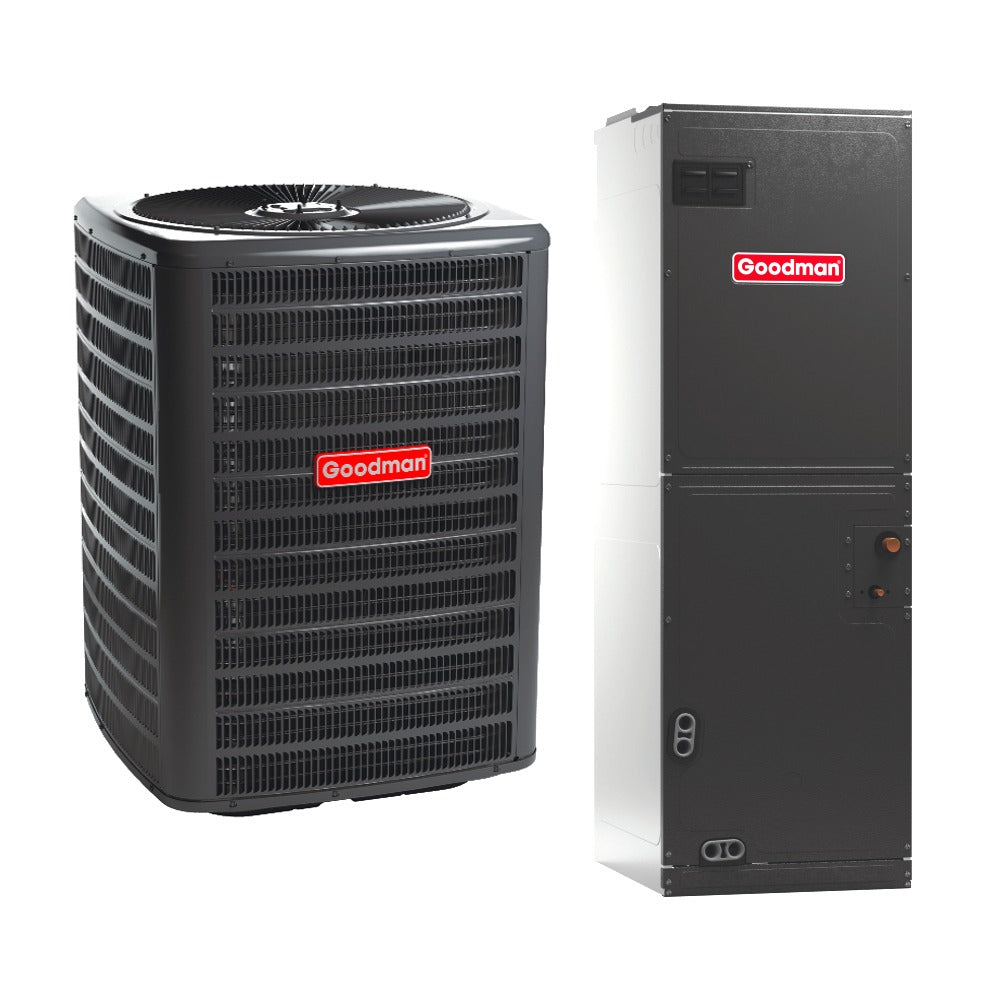

Hi loves — Samantha Reyes here. Today I’m taking a little detour from bundled central‑AC systems (like the Goodman 3‑Ton R‑32 setup you might find on retailer pages) and turning my attention to a different kind of cooling: portable air conditioners. We’re going to talk about how to find the lowest‑wattage portable air conditioner, the high‑efficiency portable AC, and what it really means when we call something an efficient portable AC. If you live in a small apartment, rent, or just want to cool a room without a full ducted system — this is for you.
Because, let’s be real: not everyone needs central AC — sometimes what you need is convenience, flexibility, and reasonable energy use.
🔎 Why Portable ACs — And What “Energy Efficient Portable AC” Means
Portable ACs are those wheeled units that you plug into a standard outlet, vent out a window (or venting kit), and — voilà — you have a cooled room. They don’t require ductwork, big installation jobs, or long‑term commitments — you plug and play.
But “portable” doesn’t automatically mean “efficient.” If you search for “lowest wattage portable air conditioner,” “high efficiency portable air conditioner,” or “efficient portable AC,” it pays to know what you’re looking at.
⚡ Wattage & Efficiency: Why They Matter
-
Typical portable air conditioners in the U.S. draw roughly 800–1,600 watts per hour depending on size and load. (Quality Home Air Care)
-
Smaller units — say for a bedroom or small office — often sit on the lower end (≈ 850–1,200 W) while larger 12,000–14,000 BTU units run higher (sometimes 1,250–1,500+ W). (North NJ HVAC)
-
Efficiency isn’t just wattage: a good metric is the ratio of cooling provided (BTU/h) to power consumed (W). This is often expressed as EER (Energy Efficiency Ratio) or CEER. High‑efficiency portable ACs balance BTU capacity with low power draw so you get comfort without a massive electricity bill.
In short: a “low‑wattage portable air conditioner” is not about choosing the cheapest or smallest — it’s about picking a unit that matches room size + cooling needs + energy use.
✅ When a Portable AC Makes Sense — And Why “Efficient” Matters
If I were shopping for a cooling solution for a small space — a bedroom, guest room, bonus room, tiny apartment, or home office — here’s why I’d consider a high-efficiency portable AC:
-
No ductwork needed: Great for renters, older homes, rooms without existing HVAC, or if you don’t want a permanent installation.
-
Lower upfront cost: Portable units are often much cheaper than installing central AC or a mini-split.
-
Flexibility & portability: You can move them room to room, store them in off-seasons, or use them only when needed.
-
Potential energy savings (when used right): If sized properly and run only when and where needed — you avoid cooling unused parts of the home and reduce electricity use compared to running a whole‑home system.
-
Easy installation — and often minimal maintenance: Plug it in, vent the hose, and you’re (mostly) good to go — especially compared with ductwork, compressors, and professional installs.
That’s why, while I love central systems for whole‑home comfort, I also believe there is a real place for a “most efficient portable AC” — but only if you choose wisely.
⚠️ The Tradeoffs — Why Portable ACs Aren’t a Magic Bullet
Because portable ACs are small and convenient, they carry tradeoffs. Pretending they’re the best solution for every home is a mistake.
-
Efficiency penalty vs central or window units: Portable units often convert electricity to cooling less efficiently than ducted systems or window units. Because they exhaust heat and often recycle some interior air, you lose some efficiency in the process. (Taylor Energy)
-
Limited to room‑by‑room cooling: Portable ACs are meant for single rooms — not whole‑house comfort. If you try to cool multiple rooms, you’ll need multiple units — and efficiency will drop accordingly.
-
Wattage still matters: Running a 1,200 W–1,500 W machine for 8+ hours a day can add up — cheap upfront doesn’t always mean cheap to operate.
-
Potential noise, venting issues, and maintenance: Because the compressor and fan live inside the same box (not outside), noise can be a drawback; plus you need to vent out the hose properly, and sometimes deal with condensate or drainage issues.
Ultimately: if you think portable ACs are a substitute for central AC — that’s lofty ambition. But if you think of them as smart, efficient tools for specific needs (small spaces, temporary use, zone cooling), they shine.
🔍 Lessons from Central‑AC Bundles (Like Goodman 3‑Ton) — What They Teach Us When We Think About Portable AC
Before getting carried away with portable cooling, I want to bring up something important: when we talk about efficiency and cooling, we’re often referencing central‑AC systems. For example, many “energy efficient AC unit” deals refer to central or ducted systems sized for whole homes. That context matters.
Why mention that? Because it helps highlight when a portable system makes sense — and when it doesn’t.
🏠 Central AC (bundled or split) — for whole‑home efficiency
-
Central systems are designed to cool many rooms or entire homes — delivering consistent airflow via ductwork.
-
When properly sized and installed, they can provide efficient climate control across many rooms — often with better efficiency per cooled square foot compared to multiple portable units.
-
Their performance and efficiency shine when you need to cool large spaces or many rooms.
📦 Portable AC — for targeted, room‑based cooling
-
Portable units are best when you only need to cool one or two rooms (bedroom, office, living room, etc.).
-
They’re handy if ductwork isn’t available or if you’re in a rental or temporary situation.
-
They give flexibility — and can be energy‑efficient in limited scope — but they’re not a one‑size‑fits‑all replacement.
So when you think “most efficient AC,” you need to ask: efficient for what purpose? Whole‑home? Single room? Occasional use? Daily use?
🧰 How to Choose a “Most Efficient Portable AC Unit” — My Samantha‑Style Guide
If I were shopping for a low‑wattage, high‑efficiency portable air conditioner right now, here’s my step‑by‑step shopping strategy (with my iced tea in hand):
1. Match Unit to Room Size & Needs
-
For a small bedroom or office: look at 8,000–10,000 BTU units — these typically draw ~850–1,200 W.
-
For mid-sized rooms or open-plan studios: consider 10,000–12,000 BTU — but watch for wattage (often 1,100–1,400 W). (Pick Comfort)
-
Avoid over‑sizing: a unit that’s too large wastes power by over‑cooling and cycling on/off inefficiently. A too‑small unit runs continuously and drives up energy bills.
2. Check Efficiency Ratings (EER / CEER) & Look for “High‑Efficiency” Features
-
Higher EER / CEER means more BTUs per watt → more cooling for less energy. Look for energy‑efficient models.
-
Features like dual‑hose design, inverter compressor, programmable thermostat, sleep/eco modes — these help reduce power draw when full cooling isn’t necessary.
3. Understand Wattage & Power Draw — Plan Accordingly
-
Know the unit’s running wattage (not just startup), and check if your outlet/circuit can handle it. Many portable ACs draw between 800 and 1,600 W.
-
If you run it for many hours — consider what that means for monthly energy usage. For example: 1,200 W running 8 hours = 9.6 kWh.
4. Think Realistically — Purpose, Budget & Comfort
Ask yourself:
-
Do I need whole‑home comfort, or just one room?
-
Is this a permanent need, or seasonal/temporary?
-
Do I care more about upfront cost, or long‑term energy bills?
-
Is noise, portability, or convenience important?
If you need full‑home comfort year‑round — a portable AC probably won’t cut it (unless you have multiple units, which reduces efficiency). If you want flexibility, modest cooling, and lower electricity use in limited spaces — portable may be a great fit.
5. Use Smartly — Efficiency Comes With Smart Use
-
Don’t run on full blast all day — use timers, eco modes, or fans to circulate cool air only when needed.
-
Combine with good insulation, window coverings, or ventilation to reduce load.
-
Clean filters, maintain vents, and ensure proper exhaust hose setup — clogged filters or heat build‑up can kill efficiency fast.
🎯 When I’d Recommend a Low‑Wattage / High‑Efficiency Portable AC — And When I’d Skip It
If I were you looking for AC today, here are the situations where I’d go for a portable unit — and when I’d skip it and opt for something else.
✅ I’d Choose Portable IF…
-
I need to cool a single room (bedroom, office, small living space) — not the whole house.
-
I’m renting, in an older home/apartment, or there’s no ductwork available.
-
I want flexibility: I might move, or just need temporary cooling (summer months, guest room, etc.).
-
I’m on a budget or don’t want the expense or commitment of central AC.
-
I care about energy savings and minimizing electricity use, especially if I run the unit only when I’m in the room.
❌ I’d Skip Portable (or Use Only as Supplement) IF…
-
I want to cool multiple rooms, an entire house, or have large square footage.
-
Efficiency and consistent comfort are priorities (large living spaces, many people, high heat gain).
-
I’m concerned about long-term energy costs (portable units may draw less absolute power than central, but can be less efficient per BTU).
-
I want reliable, even cooling, and don’t want to juggle multiple units, hoses, setup, and maintenance.
In those cases — central AC, ductless mini‑split, or window‑mounted units may make more sense.
🌿 My Final Thoughts — Because Cooling Smart is About More Than Just BTUs
Here’s what I believe — and what I’d tell you if we were chatting over iced tea:
Choosing the “best” cooling is about fit, not flash. A "lowest‑wattage portable air conditioner" can be perfect — if what you need is a small space cooled efficiently, with minimal fuss and reasonable energy use. But it’s not a silver bullet.
Efficiency comes from a combination of: correct sizing, mindful usage, quality design (good EER/CEER etc.), and realistic expectations. Portable ACs offer a unique kind of freedom and flexibility — and when you pick the right one and use it wisely, they deliver a lot of value.
If I were shopping today — I’d treat portable ACs not as a cheap substitute for central A/C — but as smart, efficient tools for targeted use.