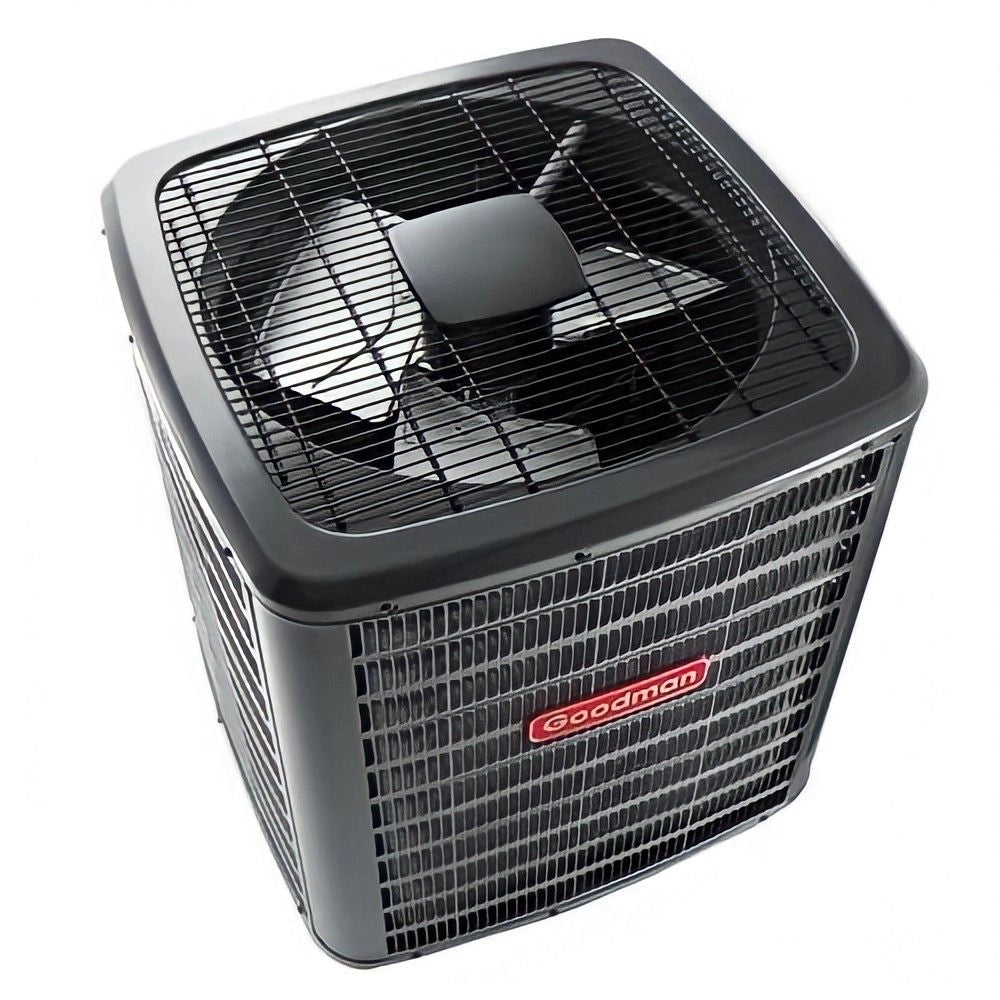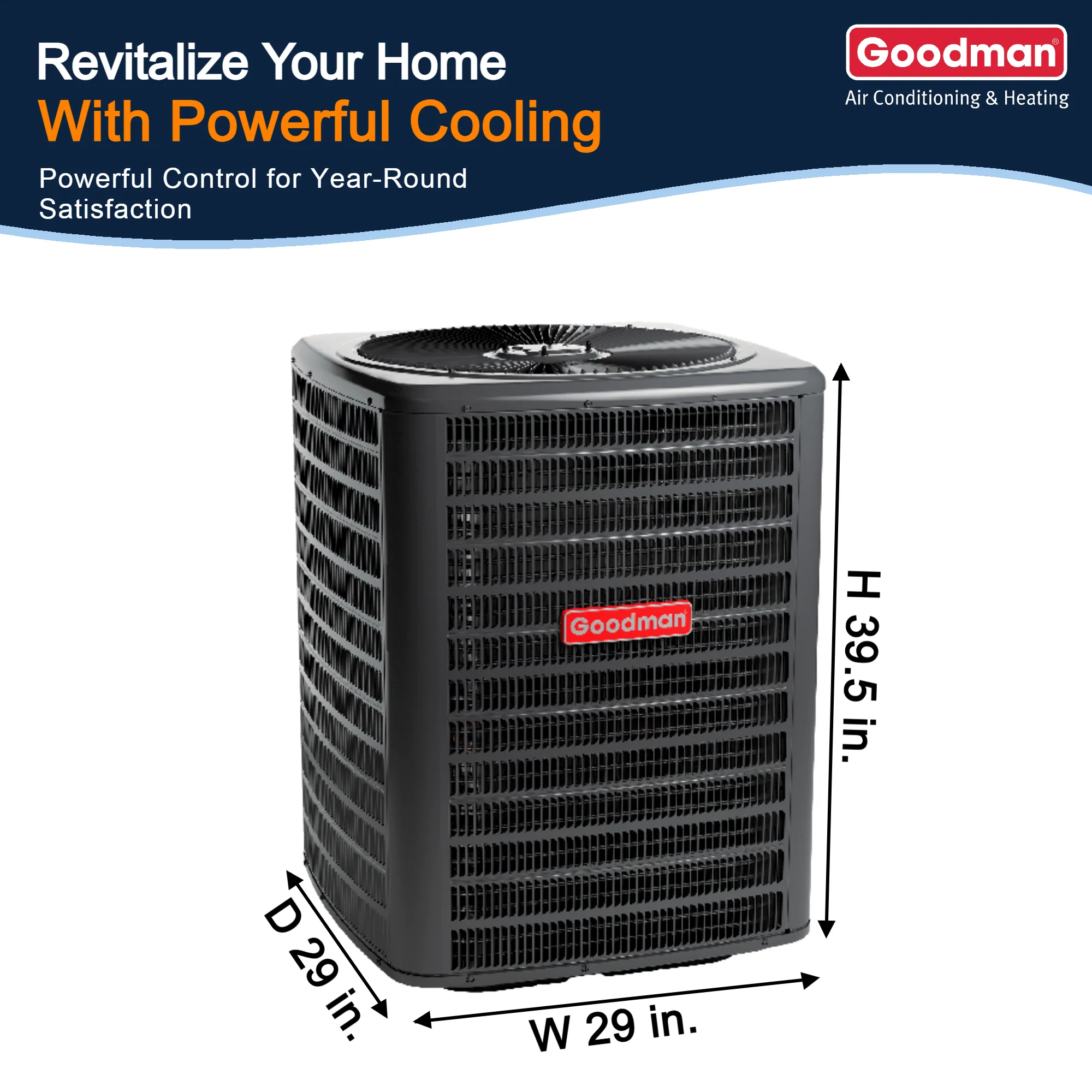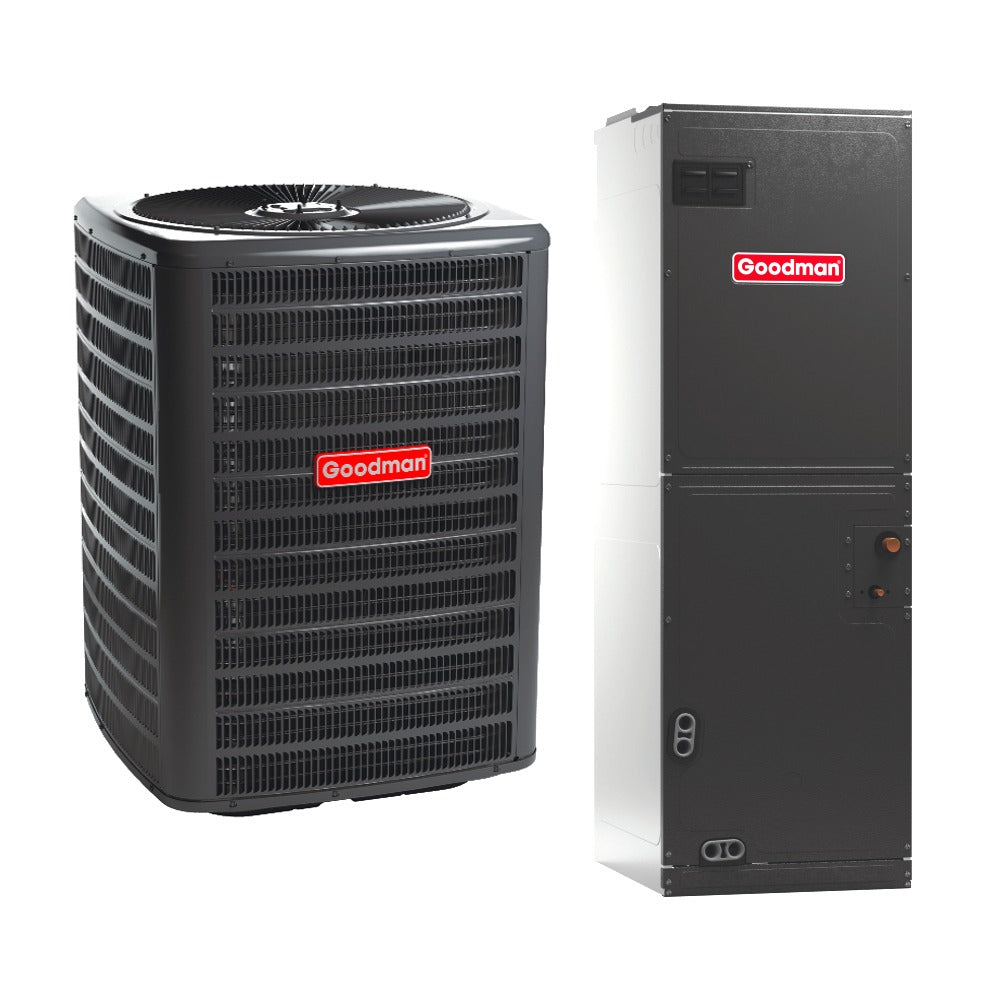

Hi loves — it’s Samantha Reyes here, ready to dive into one of my favorite home‑comfort conversations: energy efficiency. If you’ve ever typed “energy efficient air conditioner,” “high efficiency ac,” “most efficient air conditioning unit,” or “energy efficient central AC” into Google, you know how many options and confusing terms are out there. Today I want to help you cut through the noise. Using as a reference a central‑AC bundle like Goodman 3‑Ton 14.5 SEER2 R‑32, I’ll walk you through what “energy efficient” really means, how to spot a “best air conditioner” or “most efficient AC unit,” and what you should watch out for — so you make a choice that balances comfort, cost, and long‑term value.
Because here’s the truth: an air conditioner isn’t “energy efficient” just because of a label. It’s efficient when the whole system — unit, installation, home, usage habits — works together. So grab your iced tea, settle in, and let’s talk efficiency with heart (and smarts).
🔍 What Does “Energy Efficient AC” Even Mean? — The Basics of SEER, EER & Why It Matters
When you search for “energy efficient air conditioning,” you’ll inevitably run into technical terms like SEER, EER, and “high efficiency.” Here’s how I think about them — and why you should, too.
📈 SEER & EER: The Scorecards of AC Efficiency
-
SEER (Seasonal Energy Efficiency Ratio) measures how much cooling a unit provides over a typical cooling season compared with the electricity it uses. A higher SEER = better efficiency. (Area Wide Services Inc)
-
EER (Energy Efficiency Ratio) is more specific: it measures efficiency under a set outdoor temperature (usually high heat). It’s useful for window units or when the AC is working hard in peak heat. (Constellation)
Because of these metrics, a unit labeled as “high efficiency” means it converts your electricity into cooling in a more effective way — reducing waste, lowering monthly bills, and helping the environment. (The Department of Energy)
✅ What High Efficiency Looks Like Today
-
According to efficiency‑standards guidance, modern high‑efficiency central AC units tend to have SEER ratings in the 18–25+ range, depending on the model and features. (RC Air Conditioning Service)
-
For window or smaller room units, a good EER (and overall ENERGY STAR® certification) helps identify those that deliver efficient cooling without wasting energy.
-
The payoff: less electricity used, lower utility bills, and — if your electricity comes from clean or renewable sources — smaller environmental impact. (ENERGY STAR)
In short: when I say “energy efficient air conditioning system,” I’m talking about a system with modern efficiency ratings (SEER/EER), proper sizing, and good installation — not just a name on a box.
🧊 What a Central‑AC Bundle (Like Goodman’s 3‑Ton) Gets Right — And What You Need to Know
You’ve probably seen bundles like Goodman’s 3‑Ton 14.5 SEER2 R‑32 system pop up while shopping. And yes — they offer a lot of value, especially when matched properly to a home. But are they automatically “the most efficient”? Let’s break it down.
👍 The Strengths: Why a Matched Central AC Bundle Can Be a Solid Energy‑Efficient Choice
-
Matched system performance: When the condenser, air handler (or coil), and ductwork are specified to work together, efficiency tends to be better. A mis‑matched set (old coil + new condenser, for example) can erode efficiency — so bundles help avoid that.
-
Modern refrigerant & compliance: Newer bundles often use refrigerants compliant with updated environmental and efficiency standards, which helps with performance and regulatory compliance.
-
Usable SEER2 rating for baseline performance: A 14.5 SEER2 unit — while not “top‑of‑line premium” — will still outperform many older or inefficient AC units, especially if your previous system was decades old or poorly maintained.
-
Whole‑home cooling (when sized right): For mid‑size homes already equipped with ductwork, a central AC bundle can deliver consistent cooling across rooms with efficiency — as long as ducts are sealed and the load is properly calculated.
So — if your home is the right size, ducts are in decent shape, and installation is done right — a bundle like this can absolutely serve as a baseline “efficient enough” cooling solution.
⚠️ But There Are Tradeoffs — And Efficiency Isn’t Guaranteed Without Care
-
Efficiency rated but not “top-tier”: A 14.5 SEER2 is better than old systems, but by modern standards it’s on the lower end of “high‑efficiency.” The most efficient systems today often hit 18–25+ SEER.
-
Ductwork matters: Even a high‑efficiency central AC loses performance if ducts are leaky, poorly insulated, or not properly balanced. Most energy wasted in the home isn’t from the unit — it’s from poor distribution.
-
Installation & sizing critical: Oversized or undersized units, poor refrigerant charge, improper airflow — all can drastically reduce efficiency, even in an otherwise good unit. A proper “load calculation” (matching tonnage to home size, insulation, layout) is non‑negotiable.
-
Long-term costs vs short-term savings: High-efficiency units often have higher sticker prices upfront. The savings come over time in reduced energy bills — but the “payback” varies based on how much you run your AC, your local utility rates, and how efficient your home is overall.
In a nutshell: a good bundle can be a smart, energy‑efficient foundation — but it’s only as good as the house it's cooling, the ducts delivering air, and the people using it.
🧭 What Makes an AC Unit “Most Efficient” — My Realistic Checklist (As Samantha Reyes)
If I were you, cozy on the couch with my coffee, deciding whether to invest in a truly efficient AC system — here’s the checklist I’d run through before signing on the dotted line.
✅ Proper SEER/EER (And Preferably ENERGY STAR®)
– Look for SEER in the 18–25+ range for central systems if you want long‑term efficiency.
– For window or room units, ensure EER and efficiency ratings are robust, especially if used in hot climates — efficiency matters more when demand is high.
– Look for an ENERGY STAR® label — it means the unit meets or exceeds current efficiency standards and may qualify for rebates or incentives.
🏠 Correct Size & Matching to Your Home’s Cooling Load
– Use a professional load calculation (not just square footage) — consider insulation quality, number of windows, ceiling height, climate, and occupancy. Oversizing wastes efficiency; undersizing reduces comfort.
– Confirm ductwork condition: ducts should be sealed, insulated (if in unconditioned spaces), appropriately sized, and designed for balanced airflow.
🔧 Quality Installation & Proper Maintenance
– Ensure proper refrigerant charge, correct airflow, balanced ducts, and good sealing. A unit’s potential is only as good as its install.
– Schedule regular maintenance — clean coils, change filters, check refrigerant levels. Even efficient units lose performance if neglected.
🌿 Long-Term View: Usage Patterns, Climate & Cost of Electricity
– If you cool/heat a lot (long summers, humid summers, frequent usage), high-efficiency pays off faster.
– In mild climates or smaller homes with limited usage — savings will be more modest; balance efficiency with cost.
– Consider environmental impact: efficient AC + clean electricity = lower carbon footprint. Many top‑rated systems also use modern refrigerants.
🧰 Flexibility & Overall System Efficiency — Not Just the AC Unit
– Evaluate insulation, windows, doors, duct layout — a good AC on a leaky home still wastes energy.
– Think about humidity control, airflow, and filtration — efficient cooling is also about comfort, not just temperature.
If you check all these boxes — good SEER/EER, correct sizing, solid ducts, proper install and maintenance — then you’re not just buying an air conditioner. You’re investing in a home system that works efficiently for you, your budget, and the planet.
🌟 When I’d Recommend Investing in a High‑Efficiency System (Even Over a Basic Bundle)
If I were advising a friend (or making choices for myself), here are the situations where I’d push hard for a high-efficiency or “most efficient” AC — even if it costs more up front.
-
You live in a hot, humid region with long cooling seasons (or frequent extreme heat). The energy savings stack up fast.
-
Your home is medium to large size, or you run the AC heavily — bigger footprint or heavy usage makes efficiency more valuable.
-
You plan to stay in the home long-term — since efficiency pays off more over time, long-term ownership helps amortize the higher upfront costs.
-
You care about energy bills, environmental footprint, or comfort quality (consistent temperature, humidity control, quieter operation).
-
You have (or plan to get) good insulation and passive energy-saving measures: insulation, efficient windows, shading, etc. These amplify the benefit of an efficient AC.
In those cases — instead of seeing a high-efficiency unit as a luxury — I see it as a smart, forward-thinking investment.
🔄 When a Basic Central‑AC Bundle (Like the Goodman 3‑Ton) Might Be “Good Enough” — And When It’s Not
That said — not every home needs ultra‑premium, high‑SEER AC. There are times when a more modest bundle makes sense:
-
Small to mid-size home, moderate climate, moderate usage — If you don’t run AC constantly, savings from a top‑tier system may be minimal.
-
Tight budget or poor payback horizon — The upfront premium for ultra‑efficient models may not pay off quickly if usage is low or electricity rates are low.
-
You don’t have time or resources for duct/insulation upgrades — If ducts are leaky or insulation is poor, better investing in sealing and insulation first may deliver more savings than an efficient AC.
-
Temporary residence or short‑term stay — If you’re not planning to be in the home long-term, “good enough” may be more cost‑effective than “best possible.”
In those scenarios — a well‑installed, properly sized central bundle like Goodman’s can be a perfectly reasonable, balanced choice: better than old, inefficient AC, without over-investing.
🎯 My Final Thoughts — Choosing “Best Energy Efficient Air Conditioning” With Heart & Sense
If I were you, picking an AC system today — I’d treat “energy efficient” like a lifestyle decision. It’s not just about lower bills. It’s about long-term comfort, responsible consumption, and treating your home — and planet — with respect.
I’d:
-
Prioritize SEER/EER and proper sizing — but skip the oversizing hype
-
Tighten up ductwork, insulation, windows — treat efficiency as a system, not just a unit
-
Buy a unit I can afford now but that will serve well for years — balance efficiency, cost, and home‑compatibility
-
Consider long-term costs vs upfront price, not just the sticker tag
Because in the end — the “best air conditioners,” “highest efficiency,” or “most efficient AC system” for you aren’t the ones with the flashiest labels. They’re the ones that meet your home’s needs, your budget, and your lifestyle — quietly, efficiently, reliably.