
If you’ve been considering upgrading your home’s heating and cooling, you’ve probably explored HVAC quotes, whether for central air conditioning or a full HVAC replacement. But understanding what goes into these quotes — and how to evaluate them — can be overwhelming. This guide breaks it all down, helping homeowners navigate pricing, scope, and installation so you can confidently select the right system for your home.
We’ll also highlight how contractors calculate costs, what factors impact the final price, and practical tips for comparing multiple quotes for central air conditioning to ensure you get the best value. By the end, you’ll understand what makes a quote fair and how to avoid surprises during installation.
Why HVAC Quotes Differ So Much
At first glance, two HVAC quotes for the same-sized home can look wildly different. One may be $7,000, the other $10,000 — yet both claim to offer a “full system replacement.” Understanding the components of a quote helps explain the discrepancy.
Key Components of an HVAC Quote
A comprehensive HVAC quote usually includes:
-
Equipment Cost
This is the cost of the indoor air handler, outdoor condenser, furnace (if included), thermostat, and any additional accessories. Equipment choice heavily impacts the final price. Efficiency ratings like SEER2 for cooling or AFUE for heating are key determinants of cost and future energy savings. -
Labor Costs
Labor covers removal of old equipment, installation of new components, wiring, gas or electrical hookups, and final testing. Labor rates vary by region, contractor experience, and complexity of installation. -
Ductwork or Venting Adjustments
Even if your home already has ducts, contractors may need to seal, insulate, or resize them. Ductwork condition is a major factor in price variation. -
Permits and Inspections
Local building codes often require permits for HVAC installation, along with inspections after completion. These costs are frequently included in the quote. -
Optional Upgrades
Many quotes include optional add-ons such as advanced thermostats, improved filtration systems, condensate management, or extended warranties. These can increase initial cost but improve efficiency and comfort over time.
Because of these variables, two contractors quoting the same nominal system can arrive at drastically different prices.
Typical HVAC Replacement Cost Ranges
Understanding general pricing ranges can help you assess whether a quote is reasonable. Recent studies and market surveys show the following:
-
Full HVAC Replacement (furnace + AC): $5,000–$12,500
-
Central Air Replacement Only: $3,900–$7,900, assuming existing ductwork is in good condition
-
High-Efficiency or Multi-Zone Systems: $8,000–$15,000, depending on tonnage and SEER rating
Keep in mind that regional differences in labor, materials, and permits can swing the cost significantly. Off-season installation — for example, in spring or fall — can sometimes reduce quotes by a few hundred dollars. (Angi)
Understanding What Makes a Good HVAC Quote
When reviewing HVAC quotes, homeowners should look for clarity, completeness, and transparency. A strong quote should include:
-
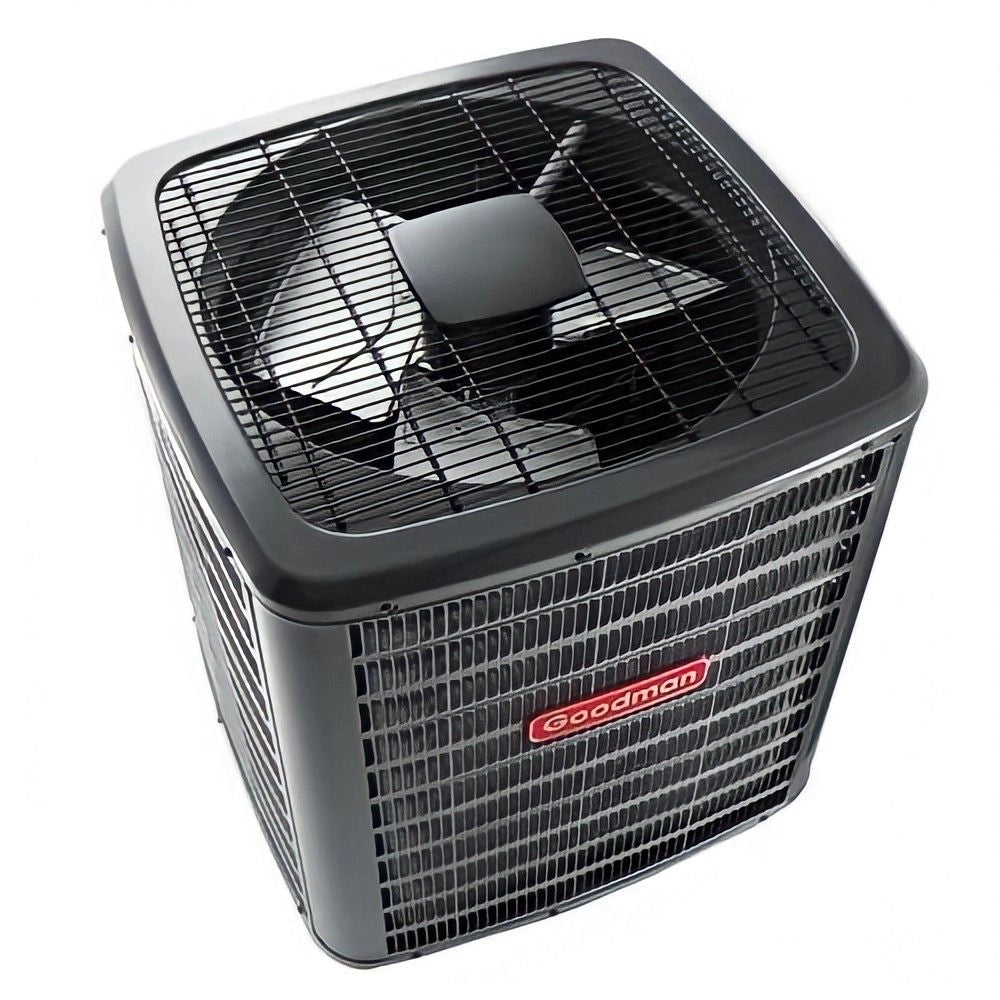
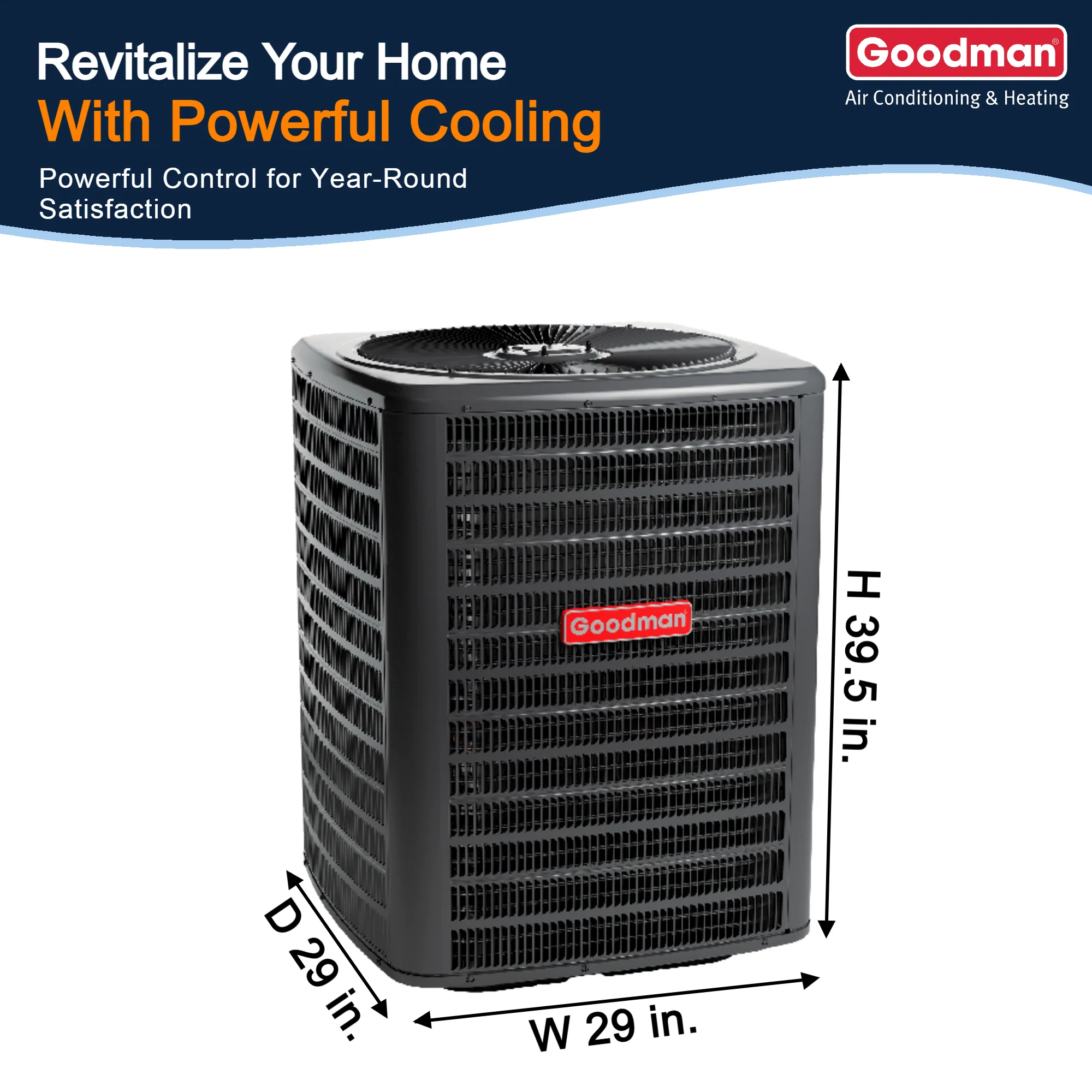
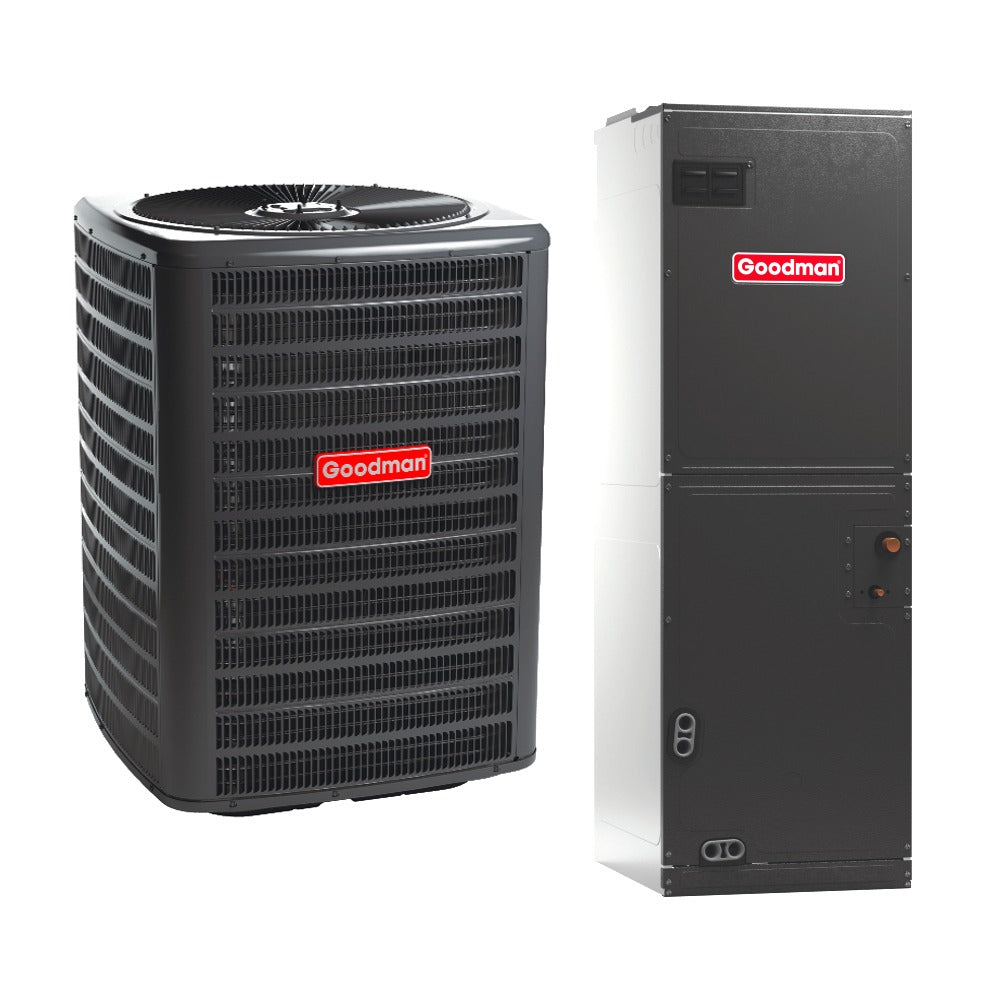
Specific Equipment: Exact brand and model numbers, not generic labels. For instance, referencing a Goodman 3 Ton 14.5 SEER2 R32 bundle ensures everyone is talking about the same system.
-
Efficiency Ratings: SEER/SEER2 for cooling, AFUE for heating, and other relevant ratings.
-
Line-Item Breakdown: Separate costs for equipment, labor, ductwork, permits, and any additional components.
-
Ductwork Details: Whether existing ducts are sealed, replaced, or modified.
-
Warranty Information: Manufacturer and labor warranty details.
-
Scope and Timeline: Clear description of work, expected start and completion dates, and procedures for unexpected issues. (HVAC.com)
Quotes lacking these details are harder to compare and may hide future costs.
How Many HVAC Quotes Should You Get?
Most experts recommend 3–5 quotes. This provides a reasonable range for comparison without overwhelming you. More quotes can be helpful if your home has unique challenges, like:
-
Non-standard ductwork
-
Multiple heating zones
-
Older electrical systems
By comparing multiple quotes, you can see which contractors are transparent, reasonable, and willing to explain their pricing.
Common Hidden Costs to Watch For
Even with detailed quotes, unexpected expenses can arise. Here are the most common:
-
Ductwork Repairs – Leaky or poorly insulated ducts reduce efficiency and may require repair or replacement.
-
Electrical Upgrades – Older homes may require new breakers, wiring, or circuit panels.
-
Refrigerant Line Adjustments – If the line set is too short, outdated, or damaged, replacement may be necessary.
-
Permits and Disposal Fees – Local regulations often require permits and proper disposal of old equipment.
-
Seasonal Surcharges – High demand in summer may increase labor costs. (North NJ HVAC)
Always clarify these items in writing and ask your contractor to provide a detailed estimate.
Deciding Between Repair and Replacement
If your current system is more than 12–15 years old, frequent repairs or high energy bills are red flags. Consider:
-
Frequent breakdowns – compressors, coils, or heat exchangers failing repeatedly.
-
Inefficient operation – older systems with low SEER or AFUE ratings waste energy.
-
Inconsistent comfort – rooms too hot or cold due to ductwork or undersized equipment.
Replacing your system may cost more upfront but can save money over time through energy efficiency, reliability, and reduced repair costs. (Energy Star)
Step-by-Step Process for Getting HVAC Replacement Quotes
-
Assess Your Home’s Needs
Conduct or request a load calculation (“Manual J”) to determine correct sizing. Correct sizing avoids wasted energy and ensures comfort. -
Select Equipment
Choose a system that matches your needs and budget. Using a reference system like the Goodman 3 Ton 14.5 SEER2 R32 bundle ensures consistency across quotes. -
Request Multiple Quotes
Get at least three quotes from licensed, reputable contractors. Ask for itemized breakdowns. -
Compare Quotes
Look at total cost, efficiency, warranties, and scope. Don’t automatically choose the lowest price — consider value and long-term performance. -
Ask Questions
Clarify ductwork, permits, labor scope, and optional upgrades. -
Check Licensing and Insurance
Verify contractors are licensed, insured, and have good reviews. -
Schedule Installation
Coordinate timing for removal of old equipment and installation of the new system.
Practical Tips to Make Quotes Work in Your Favor
-
Be Clear About Scope – Use a reference system so all contractors quote the same equipment.
-
Request Itemized Quotes – Helps spot overcharges or missing line items.
-
Consider Seasonal Timing – Off-peak installation may reduce costs.
-
Ask About Incentives – Rebates for high-efficiency systems can save hundreds.
-
Negotiate Where Appropriate – Contractors often adjust minor line items or offer discounts. (BPM HVAC)
Why Using a Matched Bundle Helps
Using a matched bundle like Goodman ensures:
-
Indoor and outdoor components are compatible
-
Efficiency ratings meet modern standards
-
Warranty and service support are straightforward
Contractors can provide more accurate quotes when the system is clearly specified, reducing surprises.
FAQs About HVAC Quotes
Q: How many quotes should I get?
A: At least three. More may be necessary for complex installations.
Q: Why do quotes vary so much?
A: Differences in labor, equipment brands, ductwork assumptions, permits, and add-ons account for the variation.
Q: Can I negotiate HVAC quotes?
A: Yes — clarify scope, ask about discounts, and request line-item adjustments.
Q: Should I always replace my system if it’s old?
A: Not always, but frequent repairs and high energy bills usually indicate replacement is more cost-effective.
Final Thoughts
Navigating HVAC quotes can feel overwhelming, but knowledge is power. By understanding what’s included, comparing multiple offers, and specifying equipment like the Goodman 3 Ton 14.5 SEER2 R32 bundle, homeowners can make informed choices. The right HVAC replacement improves comfort, efficiency, and long-term savings — and with careful planning, your next quote can lead to the best decision for your home.