
If your home relies on a forced air heating system, you might be wondering about adding AC to forced air. Integrating air conditioning with your existing system is an excellent way to improve comfort, maintain consistent temperatures, and increase the value of your home. In this guide, we’ll explore everything from the benefits and process of adding AC to forced air, to equipment selection, installation tips, cost considerations, and professional insights.
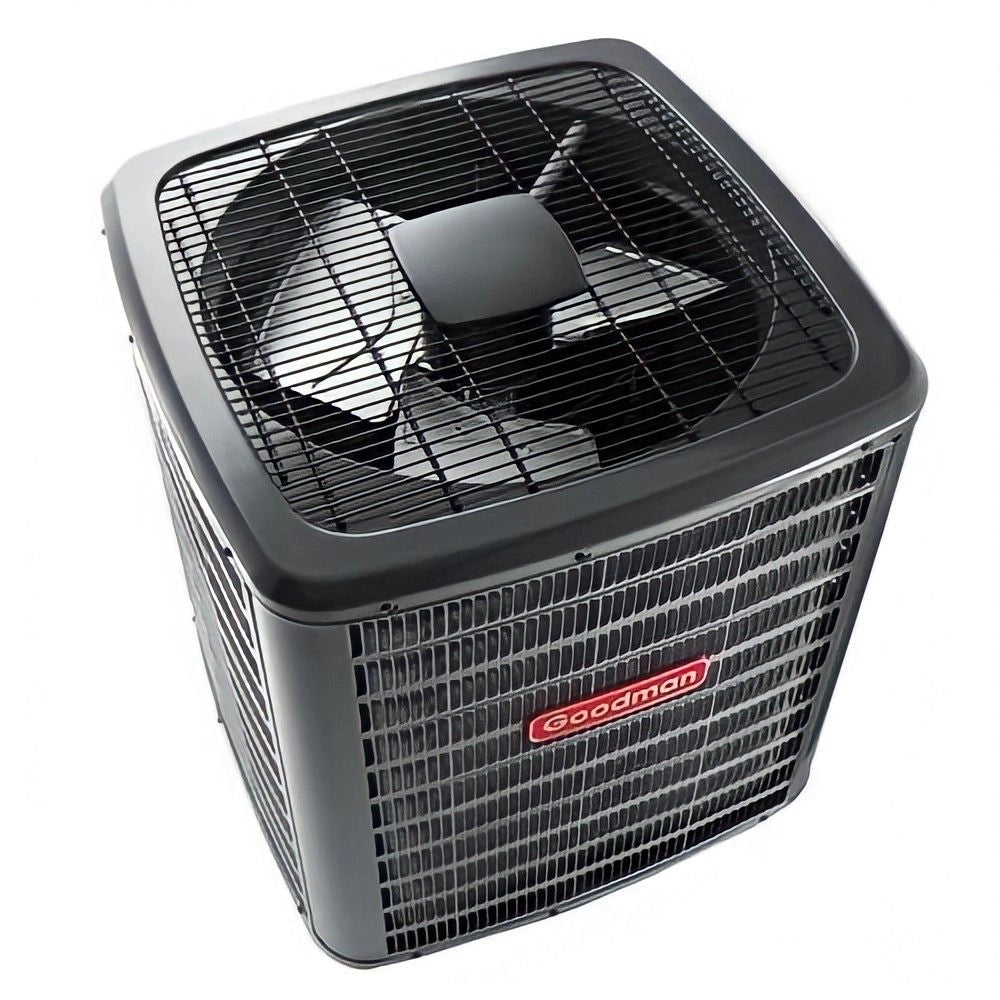
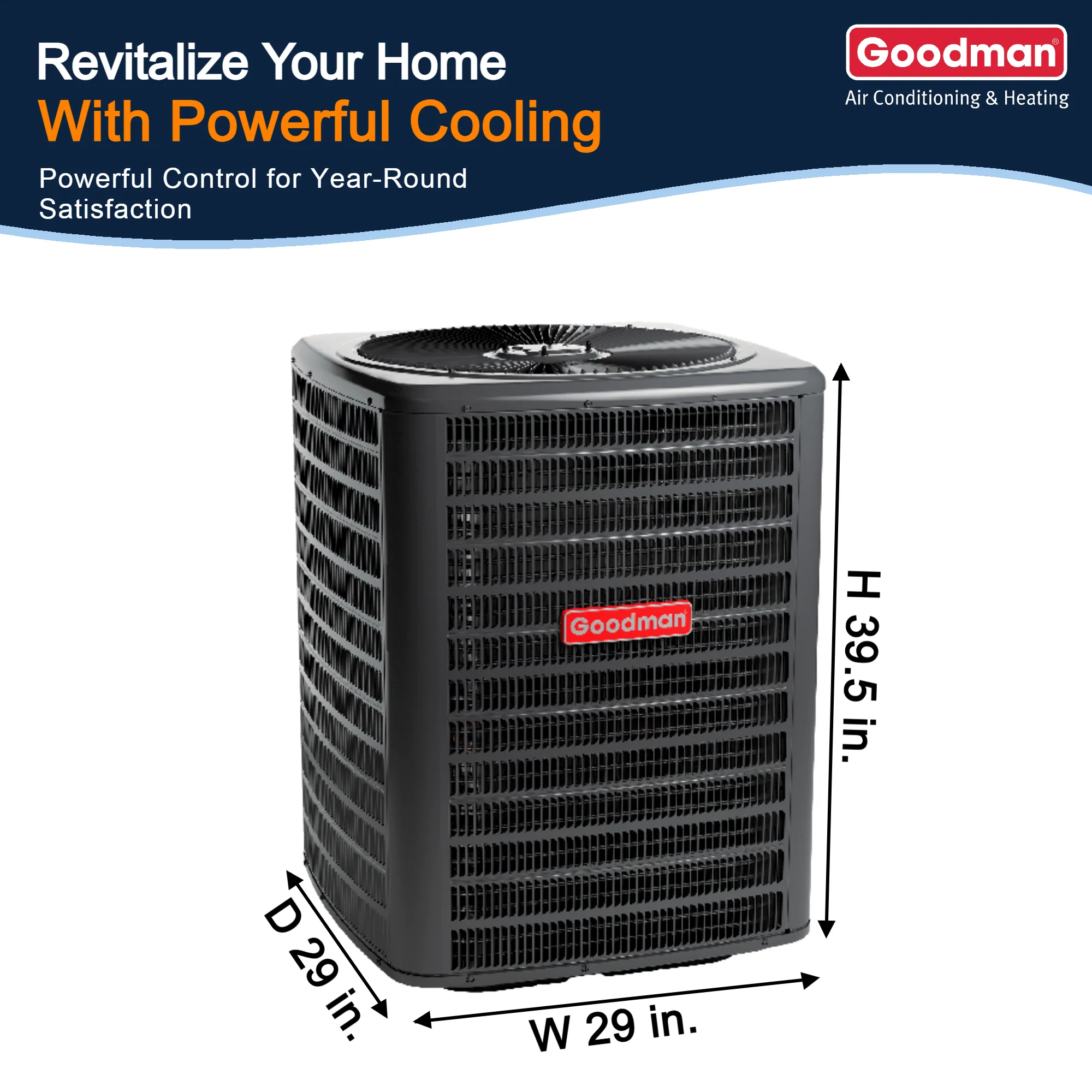
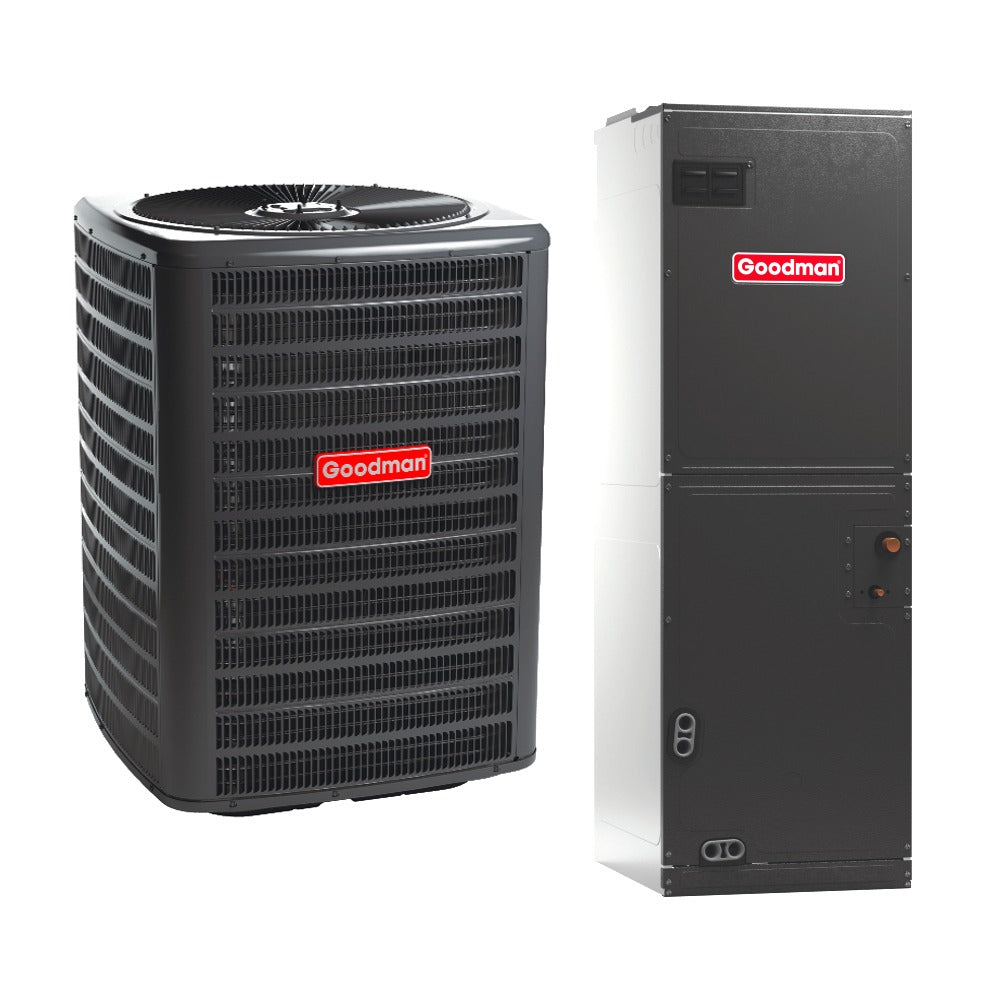
The Goodman 3 Ton 14.5 SEER2 R32 bundle is a high-efficiency air conditioning system that pairs perfectly with forced air heating, offering reliable cooling, energy savings, and durability. For product details and purchasing options, check the Goodman 3 Ton bundle here.
Why Consider Adding AC to a Forced Air System?
Homes with forced air furnaces already have ductwork in place, making them ideal candidates for central air conditioning. Adding AC to forced air provides several benefits:
-
Cost-Effective Upgrade: Using existing ducts reduces installation costs compared to a fully new system.
-
Whole-Home Comfort: Forced air distributes cooled air evenly throughout the house.
-
Energy Efficiency: Modern high-SEER systems like the Goodman 3 Ton bundle reduce energy use and utility bills.
-
Increased Home Value: Central air is a sought-after feature for buyers.
For a detailed overview of ducted air conditioning benefits, HVAC.com offers professional insights into pairing AC with forced air systems.
How Forced Air AC Systems Work
A forced air AC system integrates with your furnace using the same ductwork. Key components include:
-
Outdoor Condenser: Releases heat from your home to the outside.
-
Evaporator Coil: Installed inside or atop the furnace to cool air as it passes through.
-
Blower Fan: Circulates cooled air through the ducts.
-
Thermostat: Controls system operation for consistent temperatures.
When adding AC to forced air, the existing blower fan often handles both heating and cooling, making the upgrade straightforward.
For a professional technical breakdown of AC systems, see Energy.gov.
Planning Your Installation
Before adding AC to forced air, planning is critical:
-
Evaluate Your Ductwork: Ensure ducts are leak-free and properly sized for cooling.
-
Select an Appropriate AC Unit: The Goodman 3 Ton 14.5 SEER2 R32 is ideal for homes around 1,500–2,500 sq. ft.
-
Determine Electrical Requirements: Confirm your breaker panel can support the new system.
-
Decide on Professional vs. DIY: Refrigerant handling and system setup often require certified professionals.
Proper planning helps prevent unexpected costs and ensures the system operates efficiently.
Step-by-Step Process for Adding AC to Forced Air
Step 1: Inspect and Prepare Existing Furnace
-
Verify your furnace can accommodate an evaporator coil.
-
Ensure airflow capacity is sufficient to support cooling.
-
Repair or seal duct leaks to improve efficiency.
Step 2: Install the Evaporator Coil
-
Mount the coil atop or within the furnace plenum.
-
Connect refrigerant lines to the outdoor condenser.
-
Insulate the lines to prevent energy loss and condensation issues.
Step 3: Set Up the Outdoor Condenser
-
Place the condenser on a level, stable surface outside.
-
Ensure clearance for airflow and service access.
-
Connect refrigerant and electrical lines between the condenser and evaporator coil.
Step 4: Electrical Hookup
-
Install a disconnect switch near the condenser.
-
Wire the system to your breaker panel following manufacturer specifications.
-
Test all electrical connections before operation.
Step 5: System Charging and Testing
-
Evacuate refrigerant lines to remove air and moisture.
-
Charge the system with refrigerant according to specifications.
-
Test airflow, temperature differential, and thermostat functionality.
For detailed guidance on forced air AC installation, HomeAdvisor provides resources for hiring certified professionals.
Cost Considerations
The total cost for adding AC to forced air depends on several factors:
-
Unit Size and SEER Rating: High-efficiency systems like the Goodman 3 Ton 14.5 SEER2 R32 may cost more upfront but save energy long-term.
-
Ductwork Condition: Repairs or modifications increase costs.
-
Labor: Professional installation ranges based on complexity and local rates.
-
Permits: Some areas require permits for new AC installation.
Typical costs range from $3,500–$7,500 for complete forced air AC integration. For cost comparison and local estimates, see HVAC.com.
Maintenance Tips for Forced Air AC
-
Filter Replacement: Replace filters every 1–3 months for optimal airflow.
-
Coil Cleaning: Clean evaporator and condenser coils to maintain efficiency.
-
Duct Inspection: Seal leaks and remove obstructions.
-
Professional Checkups: Annual service ensures refrigerant levels and electrical connections are correct.
Consistent maintenance prolongs system life and reduces energy costs.
Common Questions About Adding AC to Forced Air
Q: Can I add AC to my existing furnace?
A: Yes, if the furnace is compatible with an evaporator coil and your ducts are properly sized.
Q: How long does installation take?
A: Most installations take 1–2 days depending on complexity and whether duct modifications are needed.
Q: Is it worth upgrading to a high-SEER system?
A: High-efficiency systems like the Goodman 3 Ton bundle reduce long-term energy costs and provide better cooling performance.
Q: Can I DIY this installation?
A: Only minor duct or thermostat upgrades may be DIY-friendly; refrigerant handling requires certified professionals.
For more insights on upgrading forced air systems, see Energy.gov.
Final Thoughts
Adding AC to forced air is one of the most effective ways to improve home comfort and energy efficiency. Using high-quality equipment like the Goodman 3 Ton 14.5 SEER2 R32 bundle ensures reliable, efficient cooling for years to come. Proper planning, professional installation, and regular maintenance maximize performance and longevity.
For product details, check the Goodman 3 Ton bundle here. For professional guidance, installation resources, and energy-saving tips, explore HVAC.com, HomeAdvisor, and Energy.gov.
Whether upgrading an existing forced air system or planning a full home cooling solution, understanding the process of adding AC to forced air ensures comfort, efficiency, and peace of mind.