
When it comes to keeping your home cool, nothing beats a properly installed air conditioning system. Whether you’re a homeowner attempting DIY home air conditioner installation or supervising a professional, understanding how to hook up an AC unit, how to install a C unit, fitting aircon, and all the steps involved in how to install home air conditioner is essential.
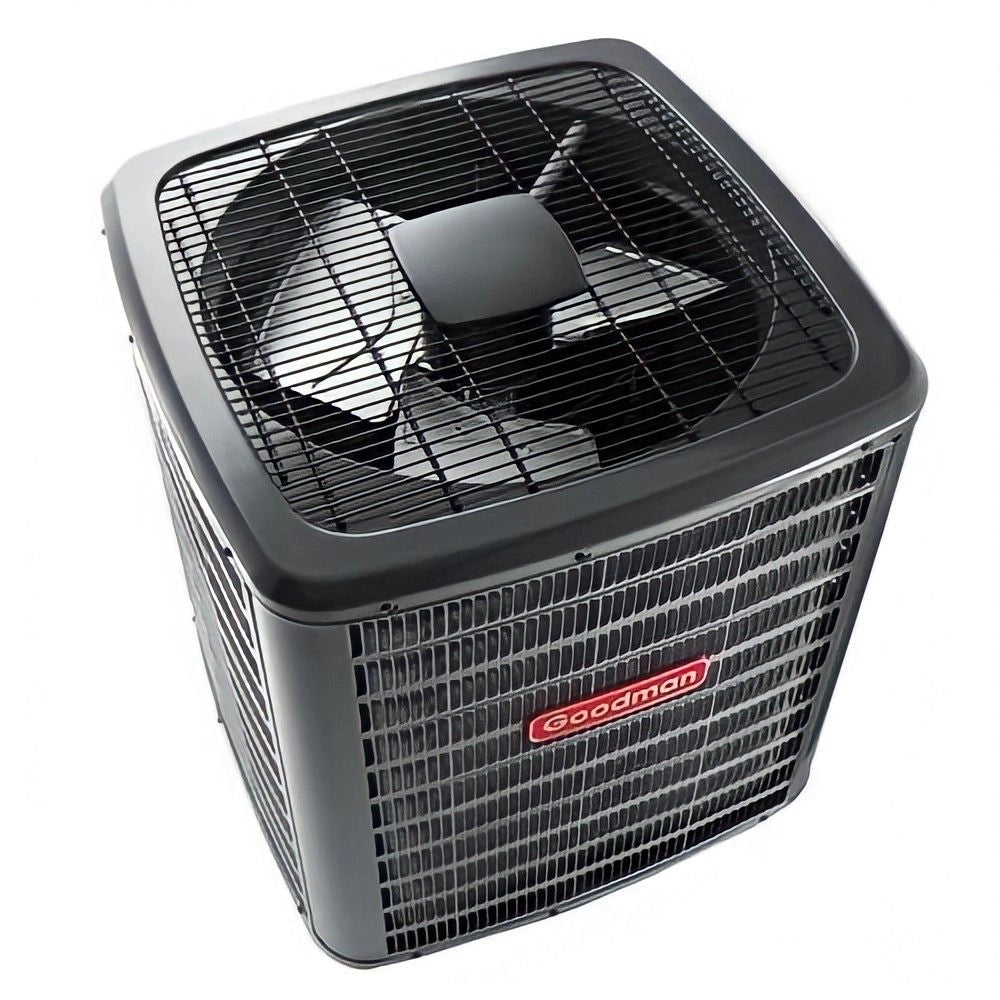
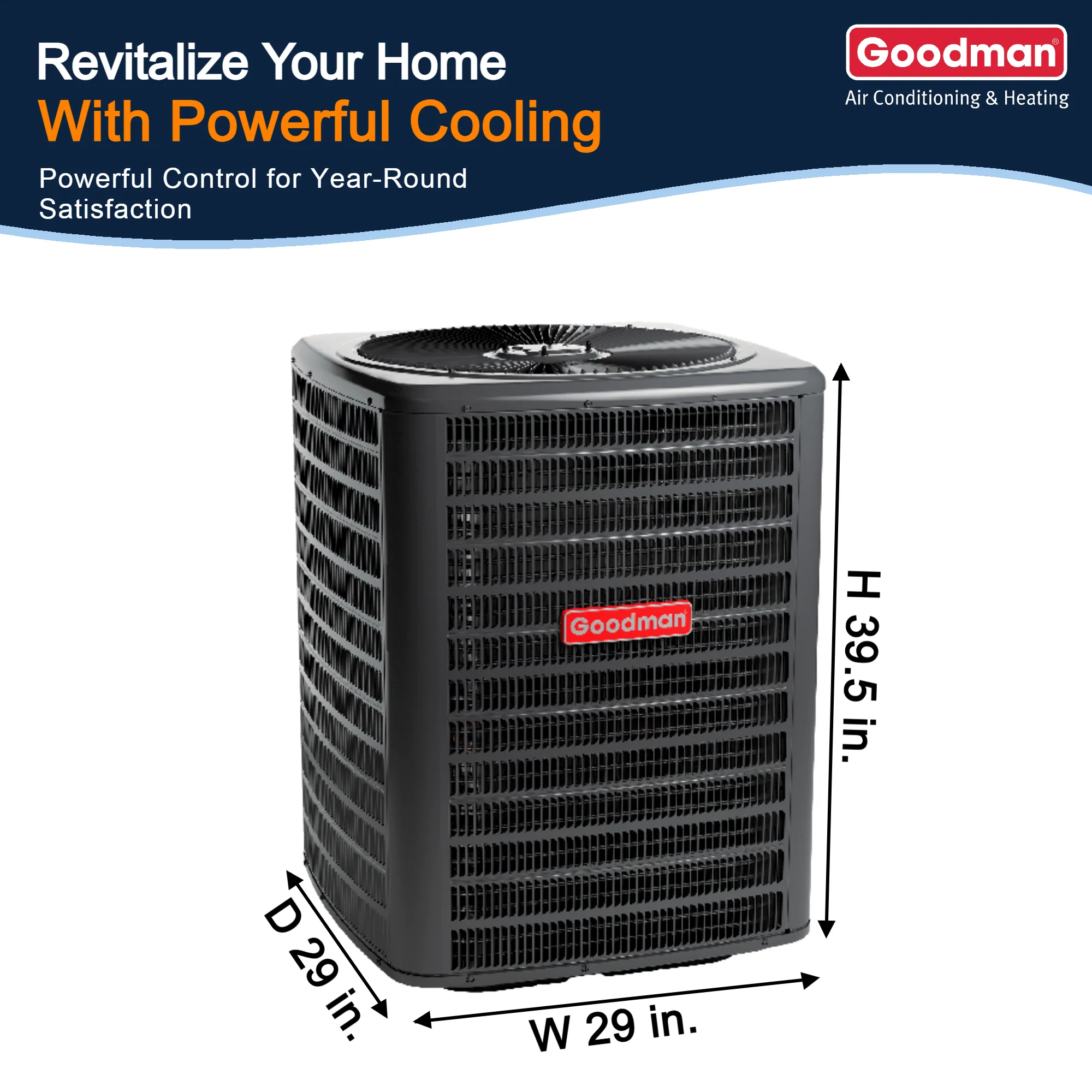
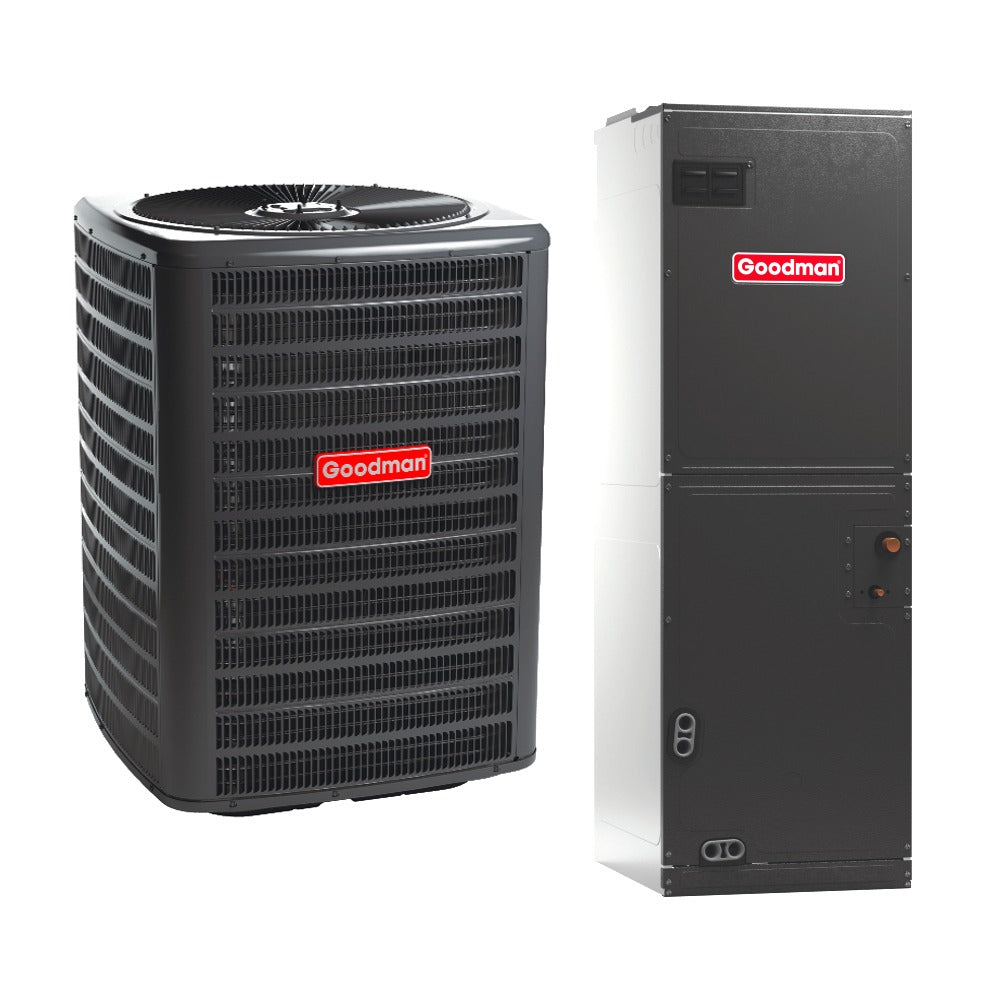
The Goodman 3 Ton 14.5 SEER2 R32 bundle offers high-performance cooling and energy efficiency, making it one of the best choices for modern homes. Even if you plan to hire a professional, knowing the installation process helps you understand what’s happening, how to save on energy, and how to avoid costly mistakes. For detailed product information, specifications, and purchase options, visit the Goodman 3 Ton bundle here.
Why Proper AC Installation Matters
Installing an air conditioner is more than just connecting wires and refrigerant lines. Proper installation ensures:
-
Safety: Prevents electrical hazards and refrigerant leaks.
-
Efficiency: Reduces energy usage and lowers utility bills.
-
Longevity: Extends the life of your AC unit by preventing stress on components.
-
Comfort: Guarantees even cooling throughout your home.
Understanding the process behind fitting aircon also allows homeowners to monitor installation quality, ensure warranty compliance, and maintain optimal indoor air quality. For professional guidance, HVAC.com provides detailed tutorials and resources.
Tools and Materials Needed
To properly tackle how to install home air conditioner, gather the following tools and materials:
-
Screwdrivers, wrenches, and a drill
-
Level and tape measure
-
Pipe wrenches and flare tools
-
Refrigerant line set and insulation
-
Electrical wiring and disconnects
-
Vacuum pump for evacuating lines
-
Mounting brackets and supports
Using the right tools not only makes the process easier but also reduces the risk of damaging the Goodman 3 Ton 14.5 SEER2 R32 bundle. For expert tips on tool selection and installation, visit HomeAdvisor.
Step-by-Step Guide to Installing a Central AC Unit
Installing a central air conditioner involves several critical steps. Here’s a comprehensive breakdown of how to hook up an AC unit:
Step 1: Site Preparation
-
Choose a level, stable surface for the outdoor condenser with sufficient clearance around it.
-
Inside, select an air handler location that aligns with existing ductwork and allows easy access to electrical connections.
-
Remove any obstructions and ensure safe working conditions.
Step 2: Mount the Indoor Unit
-
Secure the air handler or furnace in place.
-
Connect existing ducts, making sure airflow paths are clear and properly insulated.
-
Ensure condensate lines are sloped correctly to avoid water buildup or leaks.
Step 3: Install Refrigerant Lines
-
Measure and cut refrigerant lines to the required length between the indoor and outdoor units.
-
Flare connections carefully and insulate lines to prevent energy loss.
-
Evacuate air and moisture from the lines using a vacuum pump before charging refrigerant.
Step 4: Electrical Connections
-
Connect the system to the breaker panel and install a disconnect switch near the outdoor unit.
-
Run thermostat wiring to control unit operation.
-
Verify voltage and amperage requirements against the manufacturer’s specifications.
Step 5: Charging and Testing
-
Charge refrigerant according to the Goodman bundle’s instructions.
-
Test airflow, temperature differential, and system pressures.
-
Adjust thermostat and controls to ensure consistent and even cooling throughout the home.
For additional step-by-step guidance on HVAC installation, Energy.gov offers comprehensive tips for homeowners.
Avoiding Common Installation Mistakes
Many homeowners make mistakes during how to install a C unit or fitting aircon. Avoid these pitfalls:
-
Skipping the evacuation of refrigerant lines
-
Incorrect condensate line slope, causing leaks
-
Miswiring electrical connections
-
Improper duct alignment or sizing
-
Insufficient outdoor unit clearance
Preventing these mistakes ensures the system operates efficiently and extends the life of your Goodman AC bundle.
DIY vs. Professional Installation
While some enthusiasts attempt DIY, full-size central air installation is complex:
-
DIY: Feasible for mini-split or small systems, but requires knowledge of refrigerant handling and electrical safety.
-
Professional: Ensures proper charge, airflow, and code compliance while protecting warranties.
Learning how to install home air conditioner yourself is valuable for understanding maintenance, troubleshooting, and overseeing professional work. For installation services and certified contractors, the ACCA is a trusted resource.
Maintenance After Installation
Proper care after installation is critical for efficiency and longevity:
-
Replace air filters every 1–3 months
-
Clean condenser coils and fins regularly
-
Inspect ductwork for leaks or blockages
-
Schedule annual professional checkups
Following these maintenance tips keeps your AC running efficiently, lowers energy bills, and ensures consistent cooling performance.
Advanced Tips for Home AC Installation
-
Airflow Balance: Ensure supply and return ducts are properly balanced for even cooling.
-
Thermostat Placement: Avoid direct sunlight or drafts to maintain accurate temperature control.
-
Refrigerant Charge: Only a certified professional should adjust R32 refrigerant levels.
-
Outdoor Unit Location: Keep the condenser shaded but maintain airflow clearance for maximum efficiency.
For professional insights into optimizing system performance, HVAC.com offers guides and tutorials.
Benefits of Proper AC Installation
-
Consistent cooling in every room
-
Lower energy consumption and bills
-
Reduced risk of component failure
-
Extended lifespan of the system
-
Better indoor air quality
Investing in proper installation is as important as choosing a high-quality system like the Goodman 3 Ton 14.5 SEER2 R32 bundle.
Troubleshooting Common Issues
Even with correct installation, issues can arise:
-
Insufficient Cooling: Check ductwork, refrigerant charge, and thermostat settings.
-
Water Leaks: Inspect condensate lines and drainage slope.
-
Noisy Operation: Verify fan settings, mounting, and duct vibration.
-
High Energy Bills: Ensure proper insulation and avoid blocked airflow.
Understanding these common issues helps homeowners manage minor problems effectively.
Final Thoughts
Mastering how to hook up an AC unit, understanding how to install a C unit, and learning the nuances of fitting aircon equips homeowners with knowledge to manage installation and maintenance effectively. The Goodman 3 Ton 14.5 SEER2 R32 bundle is a reliable, energy-efficient choice that ensures your home stays cool and comfortable year-round.
By combining knowledge, proper tools, and professional resources, you can ensure your home air conditioner installation is efficient, safe, and long-lasting.