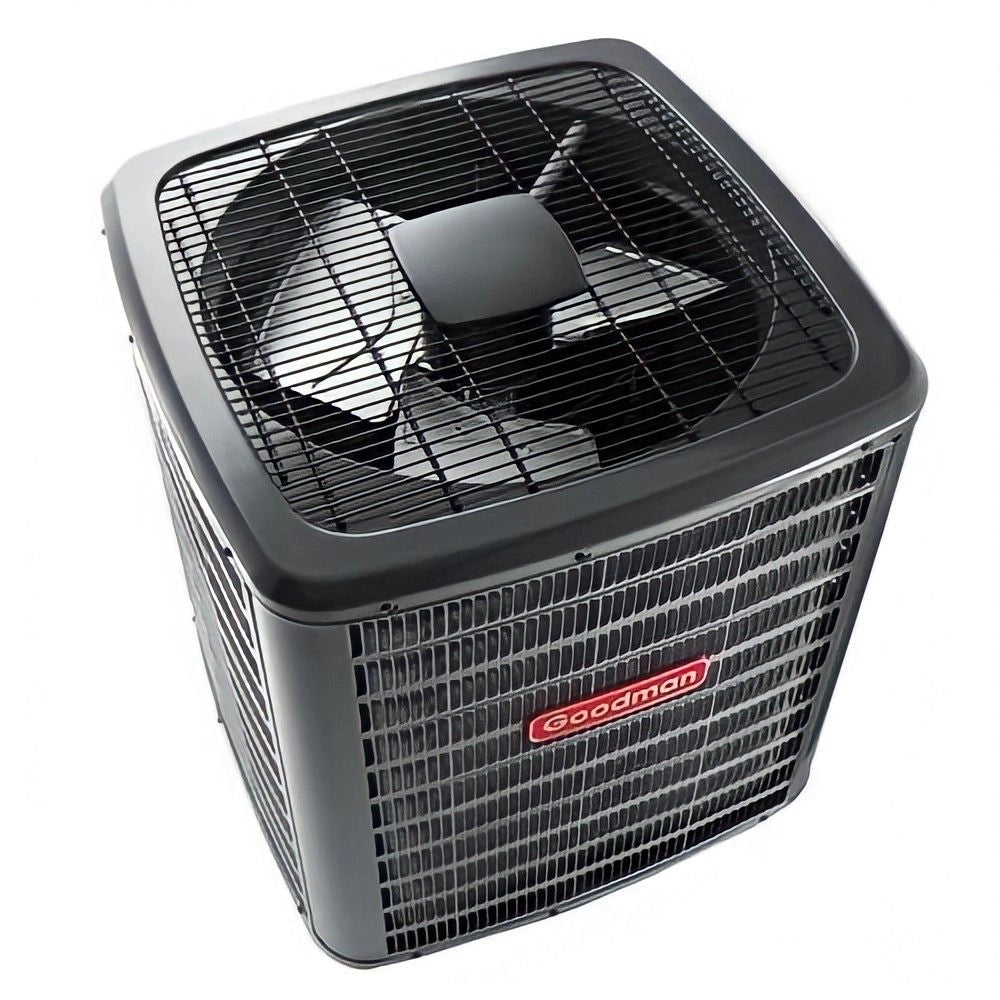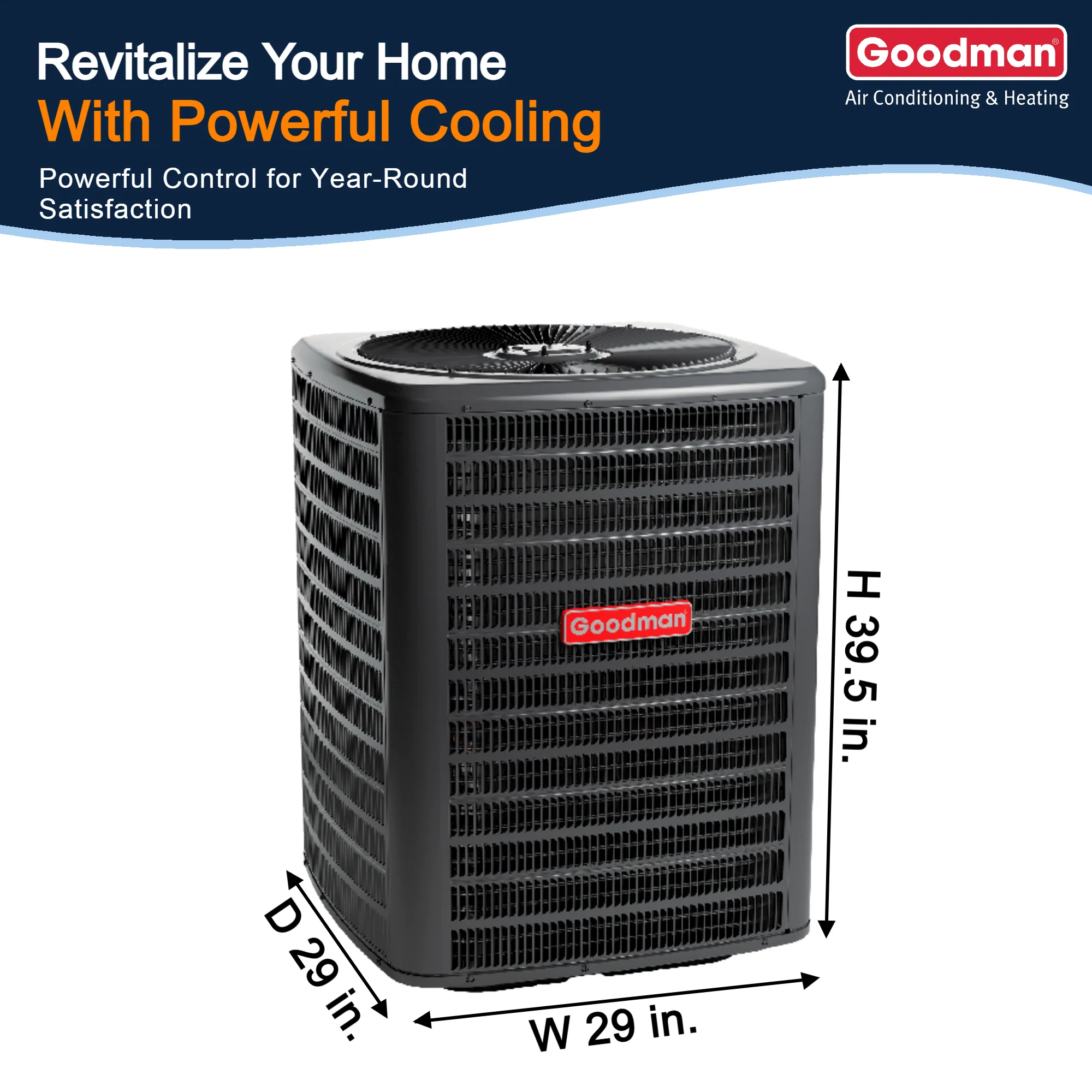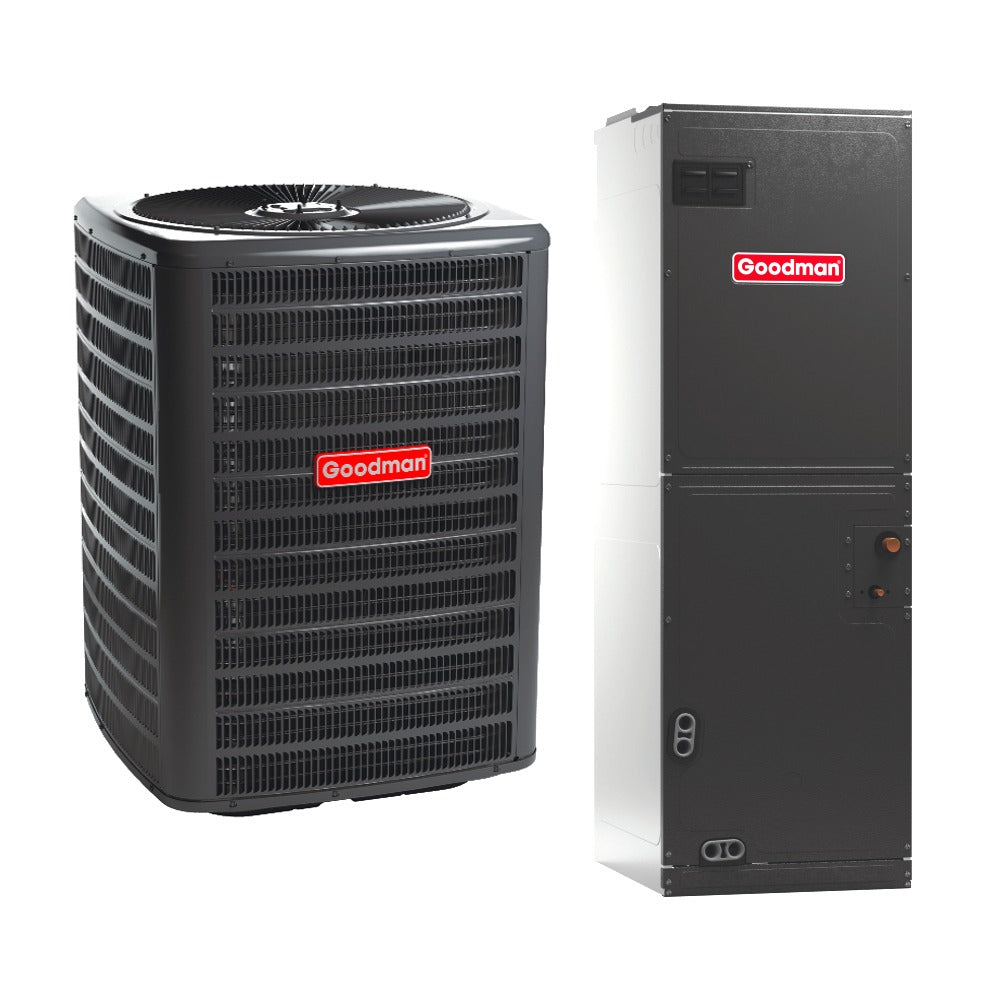

Upgrading your home’s HVAC system can feel like a daunting task, but choosing the right equipment and understanding the process makes all the difference. The Goodman 3 Ton 14.5 SEER2 R32 bundle is a versatile, energy-efficient solution designed for homeowners who want reliable performance, comfort, and long-term energy savings. Whether you’re planning hvac installation, central air installation, or a complete air conditioning unit installation, this guide covers everything you need to know, step by step.
In this blog, we’ll break down how to install a new HVAC system, walk through the nuances of installing central air conditioning, and share tips for a smooth, professional-grade setup. Plus, you’ll learn how to maintain your system for peak efficiency.
Why Goodman Is a Smart Choice for Your Home
When it comes to installing a central air conditioner, the quality of your unit is just as important as the installation process. Goodman has built a reputation for producing home air conditioning systems that are both reliable and efficient. Here’s why the 3 Ton 14.5 SEER2 R32 bundle is ideal:
-
High Efficiency: With a SEER2 rating of 14.5, this system reduces energy consumption while delivering powerful cooling and heating.
-
Durability: Goodman units are engineered to last, with corrosion-resistant coatings and robust compressors.
-
Environmentally Friendly Refrigerant: R32 is a low-GWP refrigerant, making it a greener choice compared to older systems.
-
Versatility: Perfect for medium to large homes, this bundle can handle a variety of layouts and square footages.
For full product specifications and details, you can explore the Goodman 3 Ton bundle here.
Whether you’re adding central air to a new home or upgrading an old system, this unit is designed to make the installation process straightforward while providing lasting comfort.
Preparing for Your HVAC Installation
Before you begin installing a new HVAC system, preparation is essential. A poorly planned installation can lead to inefficiency, higher energy bills, and even costly repairs. Here’s a detailed checklist to guide your central air setup:
1. Assess Your Home’s HVAC Needs
Every home is unique, and the size of your AC unit matters. A 3-ton unit is typically suitable for homes around 1,500–2,500 square feet, depending on insulation, window size, and climate. Conducting a load calculation helps ensure your system is correctly sized.
2. Examine Existing Ductwork
If you’re installing central air conditioning, your ducts must be in good condition. Leaky, poorly insulated ducts reduce efficiency and can lead to uneven cooling. Inspect for leaks, damage, or inadequate airflow. Upgrading your duct system before installing a central AC unit will improve performance significantly.
3. Plan Your Electrical Requirements
Modern HVAC systems often require dedicated circuits and updated wiring. Before installing a central air conditioner, confirm your electrical panel can handle the load. It’s also wise to consult a licensed electrician for complex setups.
4. Gather Tools and Materials
For air conditioning unit installation, you’ll need:
-
Refrigerant lines and connectors
-
Air handler or furnace components
-
Thermostat and control wiring
-
Electrical tools and safety equipment
-
Mounting pad or support for the outdoor condenser
Proper preparation ensures a smooth home air conditioning installation and reduces the risk of delays or mistakes.
For additional insights on how to install central heating and air conditioning, check out the guides at Energy.gov.
Step-by-Step Guide to Installing a New HVAC System
Now let’s dive into the process of installing a new HVAC system or installing a central air conditioner. While some homeowners attempt DIY installations, it’s often best to involve a professional. Still, understanding the steps ensures you can monitor progress and make informed decisions.
Step 1: Remove the Old System
Before installing a new air conditioner, safely remove any existing equipment. Turn off the power and disconnect refrigerant lines. A certified technician should handle refrigerant recovery, as improper handling can be dangerous and illegal.
Step 2: Position the Outdoor Condenser
Your central AC setup begins outside with the condenser. Place it on a flat, stable surface, ideally shaded from direct sunlight. Ensure adequate clearance around the unit to allow airflow.
Step 3: Install the Air Handler or Furnace
Inside your home, the air handler is the heart of your system. Connect it to your ductwork and ensure it aligns properly with your return air ducts. This step is critical for effective home air conditioning installation.
Step 4: Connect Refrigerant Lines
Attach the R32 refrigerant lines between the condenser and air handler. Apply a vacuum to remove air and moisture, ensuring optimal performance. Proper handling during installing HVAC system prevents refrigerant leaks and maintains efficiency.
Step 5: Electrical Hookup
Wire the system according to manufacturer instructions. This includes connecting the thermostat, circuit breaker, and any safety devices. Accurate electrical work is essential for both safety and central air conditioner setup.
Step 6: Test and Calibrate
After powering on the unit, check airflow, temperature differentials, and refrigerant pressures. Proper calibration guarantees your central AC setup operates efficiently and comfortably.
For more practical tips on air conditioning unit installation, HVAC.com provides excellent tutorials and resources.
DIY vs. Professional Installation
While some homeowners enjoy tackling installing central AC themselves, professional installation offers numerous advantages:
-
Proper Refrigerant Handling: Certified technicians safely manage R32 or other refrigerants.
-
Accurate Load Calculations: Professionals size your system correctly for optimal efficiency.
-
Code Compliance: Licensed installers ensure your system meets local regulations.
For more information on professional installation of air conditioning system, visit HomeAdvisor.
Tips for Maintaining Your New HVAC System
Once your new air conditioner installation is complete, maintenance is key for longevity and efficiency:
-
Replace Filters Regularly: Clean filters improve airflow and air quality.
-
Inspect Coils: Dirty coils reduce cooling efficiency; schedule cleaning as needed.
-
Check Ductwork: Ensure ducts remain sealed and free of obstructions.
-
Schedule Annual Professional Maintenance: Even a well-installed system benefits from yearly checkups.
Maintaining your system is crucial, especially for installing central air conditioning that will perform reliably year after year.
Upgrading Your Home Comfort
By installing a central air conditioner, you’re enhancing home comfort while improving energy efficiency. The Goodman 3 Ton 14.5 SEER2 R32 bundle is ideal for homeowners looking to modernize their HVAC system, whether it’s adding central air to house or performing a full hvac residential installation.
Understanding the steps for installing a central AC unit, choosing high-quality equipment, and maintaining your system ensures a comfortable, cost-effective home environment.
For homeowners looking to explore more about how to get central air installed, professional guides and local contractors can provide step-by-step support.
Common Questions About Central Air Installation
Q: Can I install a central air system myself?
A: While minor tasks like thermostat replacement are manageable, full installing central air conditioning requires technical knowledge, proper tools, and refrigerant handling certification.
Q: How long does HVAC installation take?
A: Typically, a professional central air installation can be completed in 1–3 days, depending on ductwork modifications and system complexity.
Q: How often should I maintain my HVAC system?
A: Routine maintenance, including filter changes and inspections, should occur at least annually for optimal performance.
Final Thoughts
Investing in a Goodman 3 Ton 14.5 SEER2 R32 bundle is a wise decision for any homeowner. It combines modern energy efficiency with durable design, ensuring your home air conditioning installation lasts for years. By understanding how to install a heating and air conditioning unit, preparing for installation, and maintaining your system properly, you can enjoy comfort and peace of mind.
Whether you’re upgrading an old system, planning a new air conditioner installation, or adding central air to house, following these detailed steps guarantees a smooth, efficient, and professional-level installation.
By following this guide, you’ll not only achieve a successful central air setup, but you’ll also enjoy a more comfortable, energy-efficient home for years to come.