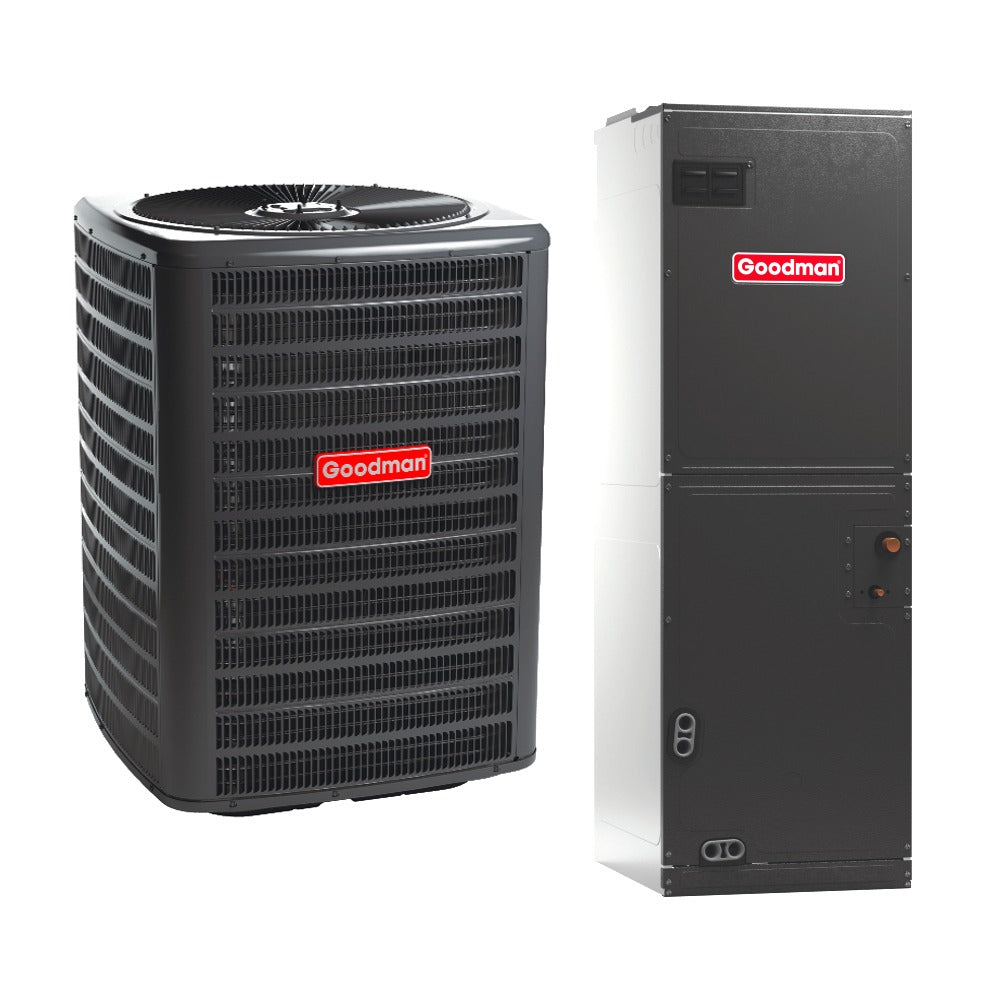

Heating technology doesn’t stand still. What worked well ten or twenty years ago often looks inefficient, outdated, or overly complex by today’s standards. As homes become more energy-conscious, more electrified, and more connected, heating systems have evolved to match those priorities. The Goodman MBVK electric furnace is a product of that evolution—built around modern electrical design, smarter airflow management, and a clear shift away from combustion-based heating.
In this article, I want to step back from basic specs and troubleshooting and focus on technology and trends—how electric furnaces like the MBVK fit into the bigger picture of residential HVAC, where the industry is heading, and why these changes matter to homeowners.
The Shift Toward Electrification in Home Heating
One of the most important HVAC trends today is electrification. Across North America, homes are steadily moving away from fossil-fuel-based systems and toward electric solutions. This shift is driven by several forces:
-
Expanding electrical grid capacity
-
Increased renewable energy generation
-
Improved electric heating efficiency
-
Simplified system design and safety
-
Long-term regulatory and energy policy trends
Electric furnaces, including the Goodman MBVK, are a direct response to this shift. They are designed to operate cleanly, predictably, and safely in an increasingly electric home environment.
National energy research organizations such as the U.S. Department of Energy have documented how residential electrification supports efficiency, grid stability, and long-term sustainability goals.
Electric Furnace Technology: How the MBVK Fits In
Electric furnaces are often misunderstood. Many people still associate them with older designs that lacked airflow control, comfort consistency, or efficiency. The MBVK represents a newer generation of electric furnace technology.
At its core, the MBVK uses electric resistance heating, converting electrical energy directly into heat. While the physics behind this hasn’t changed, the way that heat is controlled, distributed, and protected has advanced significantly.
Key technological improvements include:
-
Enhanced electrical safety controls
-
Improved cabinet insulation and airflow paths
-
Compatibility with variable-speed blower motors
-
Integration with modern thermostats and zoning systems
These advancements move electric furnaces out of the “basic backup heat” category and into the realm of primary, whole-home heating solutions.
Variable-Speed Blower Technology: A Major Comfort Trend
One of the most important HVAC trends over the last decade is the move toward variable-speed blower motors. The Goodman MBVK supports this trend by pairing electric heat with advanced airflow control.
Why Variable-Speed Matters
Traditional single-speed blowers operate in an on/off manner. Variable-speed motors, by contrast, adjust airflow gradually and continuously based on system demand.
Benefits include:
-
More consistent indoor temperatures
-
Reduced noise during operation
-
Improved humidity control
-
Better air filtration effectiveness
-
Lower electrical stress on components
From a technology standpoint, variable-speed blowers represent a major leap forward in how electric furnaces deliver comfort.
Industry education platforms like HVAC School frequently highlight how modern blower technology improves both system performance and homeowner experience.
Smart Thermostats and Digital Integration
Another major trend influencing electric furnace design is smart control integration. The MBVK is compatible with modern digital thermostats that go far beyond simple temperature settings.
Smart Control Capabilities
Today’s thermostats can:
-
Stage electric heat for smoother operation
-
Reduce unnecessary heat strip engagement
-
Optimize runtime based on usage patterns
-
Integrate with home automation systems
-
Provide diagnostic feedback
These controls allow electric furnaces to operate more intelligently, reducing wasted energy and improving comfort consistency.
The MBVK benefits directly from this trend because electric heat responds instantly to control signals—making it an ideal match for smart staging logic.
Electrical Load Management and Modern Safety Design
As homes become more electrically complex—with EV chargers, induction cooking, and smart appliances—load management has become a critical design consideration.
Built-In Electrical Protection
The MBVK incorporates modern electrical safety strategies such as:
-
Internal limit switches
-
Overcurrent protection coordination
-
Sequenced heat strip activation
-
Thermal shutdown safeguards
These features are part of a broader industry trend toward predictive safety, where systems are designed to shut down gracefully before damage or hazards occur.
Organizations like the National Fire Protection Association emphasize the importance of updated electrical safety standards as residential power demand increases.
Modular Design and Installation Flexibility
Another trend shaping modern HVAC equipment is modularity. Home layouts vary widely, and systems must adapt to basements, closets, attics, and utility rooms.
The Goodman MBVK reflects this trend through:
-
Multiple airflow configurations (upflow, downflow, horizontal)
-
Flexible heat strip sizing options
-
Compact cabinet dimensions
-
Simplified service access
This flexibility reduces installation constraints and allows electric furnaces to be used in both new construction and retrofit applications.
Energy Efficiency Trends and Electric Heating
While electric resistance heat is often labeled as “less efficient” than other technologies, this perception ignores how energy systems are evolving.
Point-of-Use Efficiency
Electric furnaces convert nearly 100 percent of input electricity into usable heat at the point of use. There are no combustion losses, flue losses, or standby losses associated with exhaust systems.
As grid electricity increasingly incorporates renewable sources, electric heating becomes progressively cleaner without requiring changes to the equipment itself.
Energy policy discussions referenced by Energy Star emphasize that appliance efficiency must be evaluated in the context of broader energy generation trends.
Electric Furnaces and Heat Pump Pairing Trends
Another important trend is hybrid system design. Many homes now use electric furnaces as air handlers or backup heat sources in heat pump systems.
The MBVK is well-suited for this role because:
-
Electric heat integrates seamlessly with heat pump controls
-
No combustion components interfere with airflow
-
Backup heat response is immediate during cold snaps
As heat pumps become more common, electric furnaces like the MBVK are increasingly positioned as complementary rather than competing technologies.
Noise Reduction and Comfort Engineering
Modern HVAC design places a strong emphasis on acoustic comfort. Homeowners expect heating systems to be effective without being disruptive.
The MBVK supports this trend through:
-
Insulated cabinet construction
-
Smooth airflow transitions
-
Variable-speed blower compatibility
-
Reduced mechanical vibration
Quiet operation is no longer a luxury—it’s a baseline expectation in modern home comfort systems.
Reliability Through Simplification
One of the most understated trends in HVAC technology is intentional simplification.
Electric furnaces eliminate:
-
Burners
-
Ignition systems
-
Gas valves
-
Flue piping
-
Combustion air requirements
By reducing mechanical complexity, systems like the MBVK improve reliability and reduce maintenance needs. Fewer moving parts mean fewer failure points over time.
This design philosophy aligns with long-term reliability trends across the HVAC industry.
Indoor Air Quality and Health-Focused Design
Indoor air quality has become a major driver of HVAC innovation. Electric furnaces contribute positively to this trend because they do not introduce combustion byproducts into the air stream.
The MBVK supports IAQ improvements through:
-
Consistent airflow for filtration
-
Compatibility with advanced air filters
-
Reduced particulate disturbance
-
No fuel-related emissions
Health-focused HVAC design is no longer niche—it’s a mainstream expectation.
Trends in Maintenance and Diagnostics
Modern furnaces are designed to be easier to service and diagnose.
The MBVK reflects this trend with:
-
Accessible electrical compartments
-
Clearly labeled components
-
Simplified wiring layouts
-
Predictable failure modes
This improves safety, reduces service time, and lowers long-term ownership costs.
Regulatory and Code Trends Favoring Electric Systems
Building codes and energy regulations increasingly favor electric heating solutions, particularly in new construction.
Trends include:
-
Reduced reliance on gas infrastructure
-
Emphasis on electrical safety compliance
-
Incentives for electric heating upgrades
-
Integration with renewable energy systems
Electric furnaces like the MBVK are well-positioned within this regulatory environment.
Future-Proofing Your Heating System
Technology trends aren’t just about what’s available today—they’re about what will remain viable tomorrow.
The MBVK’s electric design makes it adaptable to:
-
Grid modernization
-
Renewable energy integration
-
Smart home ecosystems
-
Evolving efficiency standards
This future-proofing is a major value proposition for homeowners planning long-term.
Comparing the MBVK to Legacy Furnace Technology
Compared to older electric or combustion furnaces, the MBVK reflects several generational upgrades:
-
Improved airflow control
-
Enhanced electrical safety
-
Better comfort consistency
-
Simplified maintenance
-
Cleaner indoor operation
These changes reflect broader HVAC technology trends rather than isolated design choices.
Technology Meets Practical Home Comfort
At the end of the day, technology only matters if it improves daily living.
The Goodman MBVK electric furnace delivers:
-
Reliable heat delivery
-
Predictable performance
-
Quiet operation
-
Safe, combustion-free heating
-
Compatibility with modern controls
These benefits are the real-world results of industry-wide technological progress.
Final Thoughts on Technology and Trends
The Goodman MBVK electric furnace is not just a heating appliance—it’s a reflection of where residential HVAC is headed. Electrification, smarter controls, safer operation, and simplified design are no longer future concepts; they are present-day realities.
As technology and energy trends continue to evolve, systems like the MBVK provide homeowners with a stable, adaptable foundation for long-term comfort. Whether paired with a heat pump, integrated into a smart home, or used as a standalone heating solution, the MBVK aligns with the direction the industry is clearly moving.
In a market driven by efficiency, safety, and adaptability, electric furnaces aren’t lagging behind—they’re stepping forward.