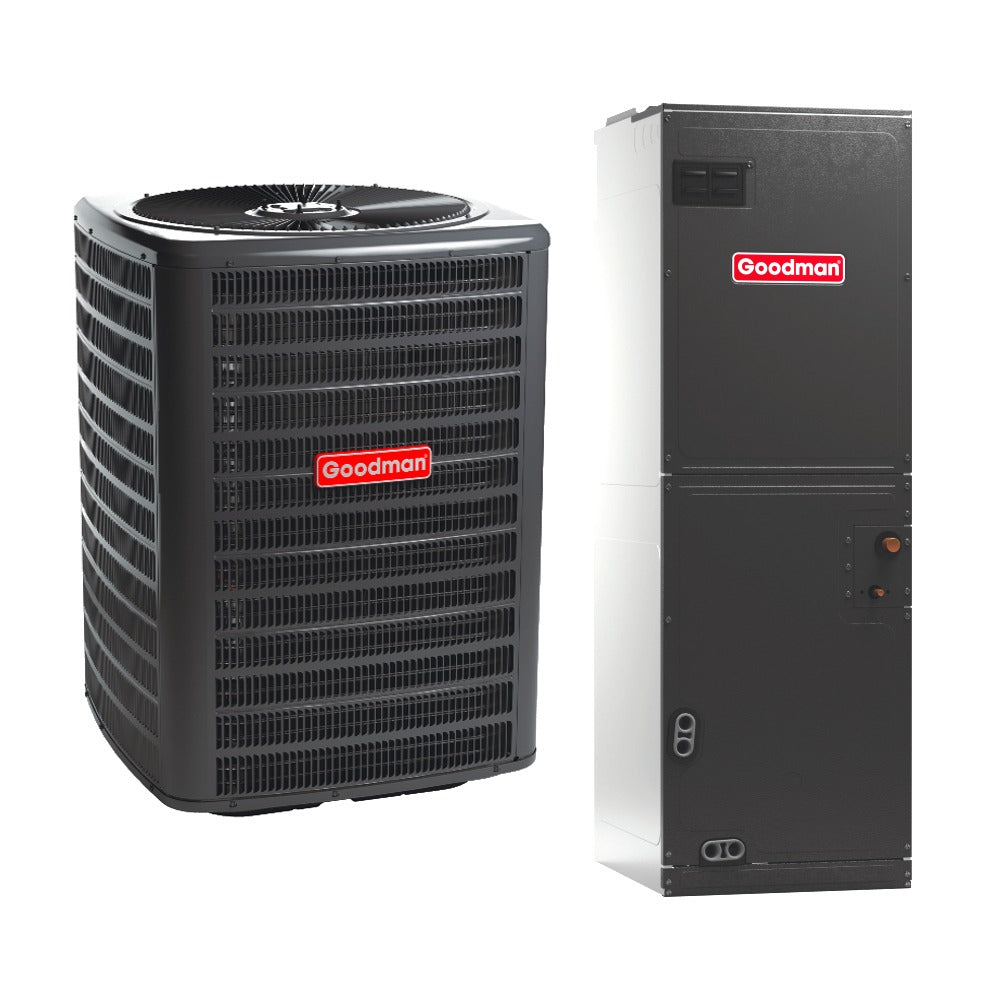
When homeowners think about heating systems, the conversation usually starts with comfort and cost. Safety, unfortunately, often comes later—sometimes only after a problem occurs. As someone who has spent years working around residential HVAC systems, I can tell you this without hesitation: safety should always come first.
The Goodman MBVK electric furnace stands out in today’s market largely because of its inherently safer design compared to fuel-burning systems. That doesn’t mean it’s “set it and forget it.” Like any major electrical appliance, it must be properly installed, correctly sized, and responsibly maintained to operate safely over the long term.
In this guide, I’m going to walk you through what safety really means when it comes to the Goodman MBVK electric furnace—from electrical protection and airflow management to fire prevention, indoor air quality, and homeowner best practices.
Why Furnace Safety Matters More Than Ever
Modern homes are built tighter than ever. Improved insulation and air sealing reduce energy loss, but they also mean less margin for error when a heating system malfunctions.
Safety risks associated with furnaces generally fall into five categories:
-
Electrical hazards
-
Fire risks
-
Overheating and component failure
-
Indoor air quality concerns
-
Improper installation or modification
Electric furnaces eliminate some risks entirely, but they introduce others that must be managed correctly.
The Goodman MBVK addresses these challenges with built-in safety controls, robust cabinet construction, and compliance with nationally recognized safety standards.
Electric Furnace Safety vs. Combustion Furnace Safety
One of the biggest advantages of the MBVK electric furnace is what it doesn’t have:
-
No burners
-
No gas valves
-
No fuel lines
-
No exhaust flue
-
No open flame
That alone eliminates several of the most dangerous failure scenarios found in gas or oil furnaces.
Fuel-burning systems carry the inherent risk of combustion byproducts, including carbon monoxide. According to guidance from the Centers for Disease Control and Prevention, carbon monoxide exposure is a leading cause of accidental poisoning in homes. Electric furnaces like the MBVK do not produce carbon monoxide because there is no combustion process involved.
This single factor dramatically improves baseline household safety.
Electrical Safety: The Core of the MBVK Design
Because the Goodman MBVK is an electric furnace, electrical safety is its foundation. Every safety feature in the system ultimately exists to manage electrical load, heat generation, and airflow.
Proper Circuit Protection
Electric furnaces draw substantial amperage, especially during peak heating cycles. The MBVK relies on:
-
Correctly sized circuit breakers
-
Manufacturer-specified wire gauges
-
Proper grounding
Undersized breakers or improper wiring are not just code violations—they are fire hazards. Breakers exist to protect the wiring and the furnace itself from overheating under fault conditions.
The importance of proper electrical protection is outlined clearly by the National Fire Protection Association, which establishes standards designed to reduce residential electrical fire risks.
Built-In Limit Switches
The MBVK includes internal limit switches that monitor temperature inside the furnace cabinet. If airflow is restricted or a component overheats, the system shuts down automatically.
This is not a nuisance feature—it is a critical safety mechanism designed to prevent:
-
Melted wiring insulation
-
Cabinet overheating
-
Damage to heat strips
-
Potential ignition of surrounding materials
When a limit switch trips repeatedly, it is a warning sign, not an inconvenience.
Fire Safety and Heat Management
Any device designed to generate heat must manage that heat carefully. While electric furnaces do not use flames, the heating elements inside the MBVK can reach very high temperatures.
Cabinet and Material Safety
The MBVK furnace cabinet is designed to:
-
Contain heat within designated areas
-
Prevent radiant heat transfer to surrounding structures
-
Maintain clearance requirements
This is why installation clearances are not suggestions. Installing an electric furnace too close to combustible materials defeats its safety design.
Airflow Is a Safety System
Homeowners often think of airflow only in terms of comfort. In reality, airflow is a primary safety system in electric furnaces.
Restricted airflow can cause:
-
Heat strip overheating
-
Repeated limit switch trips
-
Premature component failure
-
Increased fire risk
Dirty filters, blocked return vents, collapsed ductwork, or undersized ducts all compromise safety.
Industry best practices from the Air Conditioning Contractors of America emphasize that proper airflow is as important for safety as it is for efficiency.
Overcurrent and Short-Circuit Protection
The MBVK is designed with internal fusing and breaker coordination to protect against:
-
Short circuits
-
Component overload
-
Electrical surges
These protective measures prevent localized failures from escalating into system-wide hazards.
However, these protections assume the system has been installed according to manufacturer specifications. Modifications, shortcuts, or DIY wiring changes undermine these safeguards.
Indoor Air Quality and Safety
One overlooked safety advantage of electric furnaces is their neutral impact on indoor air quality.
No Combustion Byproducts
Since the MBVK does not burn fuel, it produces:
-
No carbon monoxide
-
No nitrogen dioxide
-
No soot
-
No combustion moisture
This reduces risks associated with headaches, respiratory irritation, and long-term exposure concerns.
Guidance from the U.S. Department of Energy highlights electric heating systems as an effective way to improve indoor air quality when paired with proper ventilation and filtration.
Filtration as a Safety Layer
The MBVK relies on return-air filtration to protect internal components and maintain clean airflow.
Clogged filters can cause:
-
Reduced airflow
-
Overheating
-
Blower strain
-
Increased particulate circulation
Changing filters on schedule is one of the simplest yet most effective safety actions a homeowner can take.
Installation Safety: Where Most Risks Begin
In my experience, most furnace safety issues originate during installation—not operation.
Correct Sizing Prevents Safety Problems
An oversized furnace cycles excessively, while an undersized furnace runs continuously. Both conditions increase electrical stress and component wear.
Proper system sizing ensures:
-
Stable electrical demand
-
Controlled heat output
-
Balanced airflow
-
Reduced risk of overheating
This is why load calculations are non-negotiable.
Electrical Panel Compatibility
Before installing an MBVK furnace, the home’s electrical service must be evaluated.
Key considerations include:
-
Panel capacity
-
Available breaker slots
-
Service amperage
-
Grounding integrity
Failure to address these items can create safety risks that extend beyond the furnace itself.
Safety During Operation: What Homeowners Should Watch For
Even a properly installed system requires homeowner awareness.
Warning Signs That Should Never Be Ignored
-
Frequent breaker trips
-
Burning odors
-
Unusual noises
-
Furnace shutting off unexpectedly
-
Blower running without heat
These symptoms indicate underlying safety concerns that require professional evaluation.
Thermostat Safety and Controls
The MBVK is compatible with modern thermostats that include safety features such as:
-
Temperature limits
-
Staged heating control
-
System lockouts
Using an improperly configured thermostat can cause excessive cycling or heat strip engagement, increasing electrical load and stress.
Maintenance as a Safety Practice
Maintenance is not just about efficiency—it is about risk prevention.
Annual Professional Inspection
A qualified technician will:
-
Verify electrical connections
-
Test limit switches
-
Inspect heat strips
-
Measure airflow and temperature rise
-
Confirm safety control operation
Skipping maintenance increases the likelihood of undetected issues.
Homeowner Maintenance Responsibilities
Homeowners play a role in safety by:
-
Replacing filters regularly
-
Keeping supply and return vents clear
-
Monitoring breaker behavior
-
Avoiding storage near the furnace
These simple steps dramatically reduce risk.
Safety in Extreme Conditions
Electric furnaces must operate safely during peak demand periods.
Cold Weather Load Management
During extreme cold, electric furnaces draw higher current for longer periods. The MBVK is designed to handle this load, but only if:
-
Electrical service is adequate
-
Ductwork supports airflow
-
Filters are clean
Overloaded systems increase the risk of nuisance trips and overheating.
Safety Compared to Alternative Heating Options
When evaluating safety, the MBVK compares favorably to many alternatives:
-
Gas Furnaces: Eliminate combustion and gas leak risks
-
Oil Furnaces: Remove fuel storage and ignition hazards
-
Portable Heaters: Central electric furnaces are significantly safer
Centralized, code-compliant electric heating is among the safest residential heating options available.
Long-Term Safety and System Longevity
Safety and longevity go hand in hand.
A system that operates within design limits experiences:
-
Less electrical stress
-
Fewer component failures
-
Lower fire risk
-
Predictable performance
The MBVK’s design philosophy prioritizes controlled heat delivery and protective shutdowns over brute force output.
Final Thoughts on Goodman MBVK Electric Furnace Safety
The Goodman MBVK electric furnace delivers a strong safety profile when installed and maintained correctly. Its lack of combustion, robust electrical protections, and integrated safety controls make it a solid choice for homeowners prioritizing peace of mind.
That said, no furnace is inherently safe if it is improperly installed, poorly maintained, or ignored when warning signs appear.
Safety is a system—one that includes equipment design, professional installation, routine maintenance, and informed homeowner involvement. When all four work together, the Goodman MBVK electric furnace provides reliable, efficient, and safe home heating for years to come.
If comfort and cost bring you to the conversation, safety is what should ultimately seal the decision.