Dirty coils don’t just make your system work harder—they quietly drain efficiency, shorten component life, and cause performance problems that look a lot bigger than they really are. I’ve seen perfectly good PTACs struggle simply because the coils were coated in dust, grease, or pollen.
If you want colder cooling, steadier heating, lower energy bills, and fewer breakdowns, coil cleaning has to be part of your maintenance routine. The good news? Done right, it’s straightforward and safe.
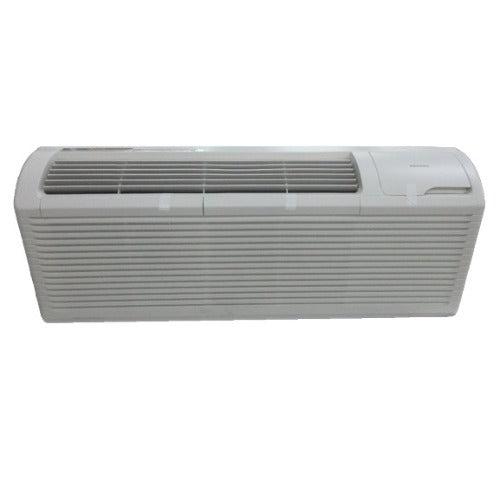
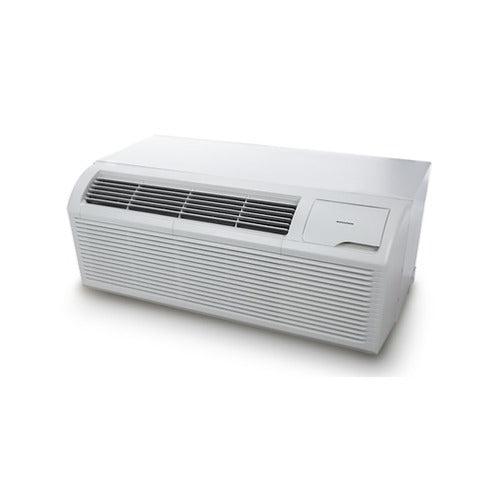
Amana J-Series PTAC Model 15,000 BTU PTAC Unit with 3.5 kW Electric Heat
This guide shows you how to clean evaporator and condenser coils the right way, what tools to use, what to avoid, and when it’s time to call a pro.
🔍 Why Coil Cleaning Matters (More Than Filters Alone)
Air filters catch debris—but coils still get dirty over time. When they do:
-
Heat transfer drops
-
Run times increase
-
Electrical load goes up
-
Moisture control suffers
-
Compressor and fan wear accelerates
The U.S. Department of Energy confirms that clean coils are critical for HVAC efficiency and longevity.
https://www.energy.gov/energysaver/air-conditioner-maintenance
Bottom line: filters protect coils, but they don’t replace coil cleaning.
❄️ Evaporator vs 🌬️ Condenser Coils: Know the Difference
Before cleaning anything, know what you’re touching.
❄️ Evaporator Coil (Indoor Side)
-
Absorbs heat from indoor air
-
Gets cold during cooling
-
Prone to dust, pet hair, and biological growth
-
Dirt here reduces cooling fast
🌬️ Condenser Coil (Outdoor Side)
-
Releases heat outside
-
Faces weather, pollen, and debris
-
Dirt here increases pressure and energy use
PTAC units house both coils in one chassis—but they still perform separate jobs and need separate attention.
🛠️ Tools & Supplies You’ll Need
You don’t need fancy equipment. Keep it simple.
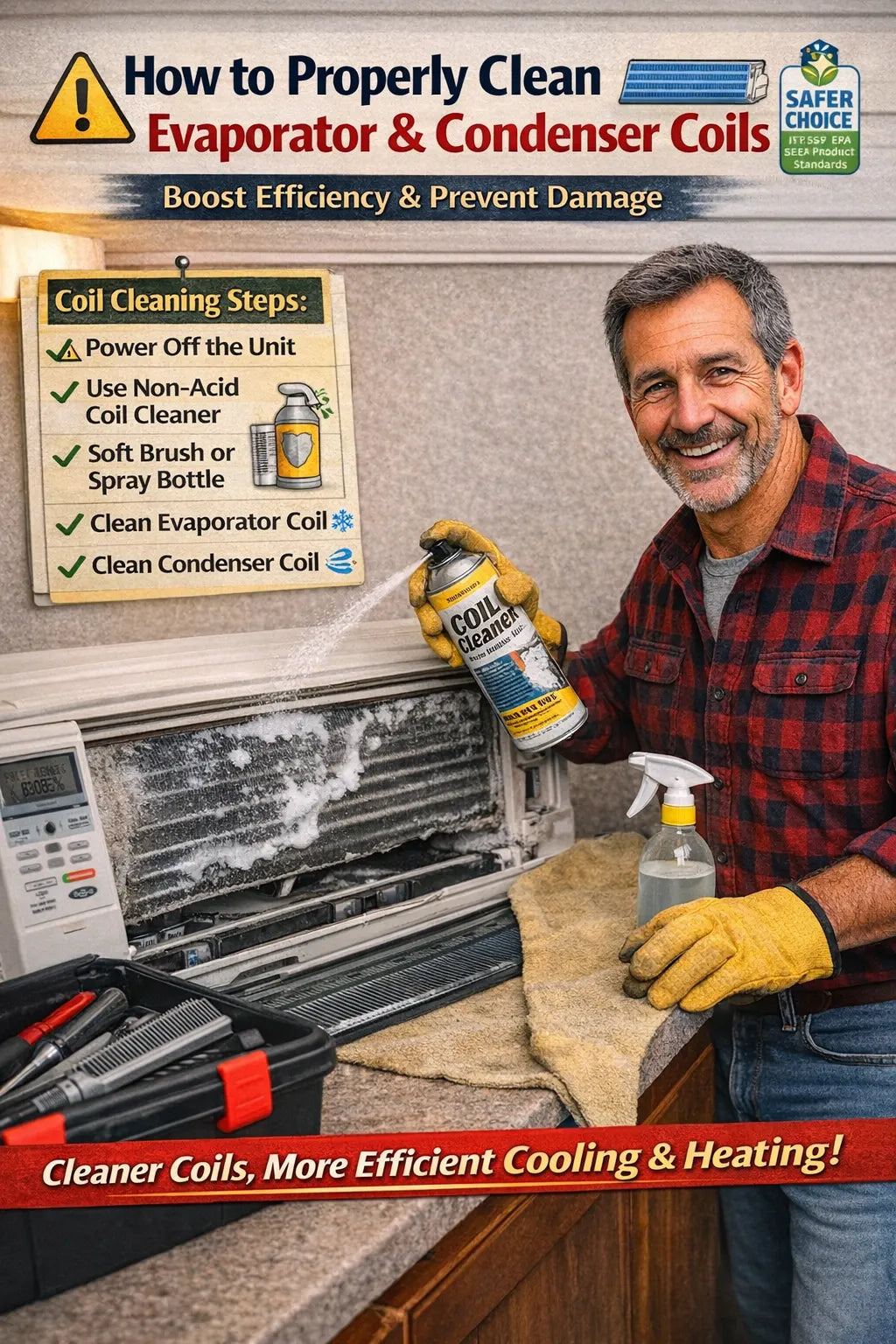
✔ Recommended
-
Soft-bristle brush
-
Coil-safe cleaner (non-acidic)
-
Spray bottle with water
-
Vacuum with brush attachment
-
Fin comb (optional)
-
Towels or drop cloth
❌ Avoid
-
Pressure washers
-
Acidic cleaners
-
Bleach or degreasers
-
Hard wire brushes
The EPA advises using HVAC-approved cleaning products to avoid damaging components or indoor air quality.
https://www.epa.gov/saferchoice
🔌 Step 1: Power Down Safely (Always First)
Before touching coils:
-
Turn the unit OFF at the control panel
-
Unplug or shut off the breaker
-
Wait a few minutes for components to settle
Never clean coils with power applied. That’s not a shortcut—it’s a hazard.
🧱 Step 2: Access the Coil Area
For PTAC units:
-
Remove the front grille
-
Take out the air filter
-
Identify the evaporator coil (behind the filter)
-
Locate the condenser coil (toward the exterior side)
If panels don’t come off easily, don’t force them. That’s a sign to stop.
❄️ Step 3: Clean the Evaporator Coil (Indoor Coil)
What You’re Looking For
-
Dust buildup
-
Matted pet hair
-
Sticky residue
-
Mold or mildew spotting
How to Clean It
-
Use a soft brush or vacuum to remove loose debris
-
Apply coil-safe cleaner (follow label directions)
-
Let it sit for the recommended time
-
Lightly rinse using a spray bottle (don’t soak electronics)
-
Allow to air dry fully
Never scrub hard—evaporator fins bend easily and restrict airflow if damaged.
🌬️ Step 4: Clean the Condenser Coil (Outdoor Coil)
What You’re Looking For
-
Pollen buildup
-
Dust and lint
-
Leaves or debris
-
Bent fins
How to Clean It
-
Vacuum or brush off loose debris
-
Apply coil cleaner evenly
-
Rinse gently from inside out (where possible)
-
Straighten bent fins carefully with a fin comb
Good airflow through the condenser coil keeps pressures stable and energy use down.
💧 Step 5: Check Drainage While You’re There
Dirty coils often go hand-in-hand with drainage problems.
-
Inspect the condensate pan
-
Clear algae or slime
-
Flush the drain path with warm water
Moisture issues lead to odors and mold if ignored. The EPA stresses moisture control as a key indoor air quality factor.
https://www.epa.gov/indoor-air-quality-iaq
⚠️ Common Coil Cleaning Mistakes (That Cause Damage)
I see these all the time:
❌ Using high pressure water
❌ Bending fins during scrubbing
❌ Using household cleaners
❌ Ignoring electrical components
❌ Cleaning coils without replacing the filter
If you damage fins or leave residue, you can make performance worse—not better.
🧪 How Often Should You Clean Coils?
General guidance:
-
Once per year → Light residential use
-
Twice per year → Pets, dust, or rentals
-
Quarterly inspection → Hotels or high-use spaces
Amana and other manufacturers recommend regular inspection as part of preventive maintenance.
https://www.amana-hac.com/resources/hvac-learning-center
🧰 DIY vs Professional Coil Cleaning
Safe DIY Cleaning
✔ Light dust buildup
✔ Accessible coils
✔ Routine maintenance
Call a Pro If You See
⚠ Heavy grease or smoke residue
⚠ Mold growth
⚠ Bent or crushed fins
⚠ Refrigerant odor
⚠ Poor performance after cleaning
Professional techs have fin-straightening tools, coil treatments, and access you shouldn’t attempt at home.
📈 What Clean Coils Get You (Real Results)
When coils are clean, you’ll notice:
-
Faster cooling and heating
-
Quieter operation
-
Shorter run cycles
-
Lower energy bills
-
Fewer service calls
According to ENERGY STAR, proper HVAC maintenance—including coil cleaning—can significantly improve system efficiency.
https://www.energystar.gov/newhomes/features-benefits/heating-cooling
🧠 Final Advice from Mike
If filters are the first line of defense, coils are the engine room. Ignore them long enough and even the best PTAC will struggle.
Clean coils don’t just help today—they protect tomorrow’s performance.
Buy this on Amazon at: https://amzn.to/47cH9ut
In the next topic we will know more about: Best Practices for Maintaining PTAC Heating Elements