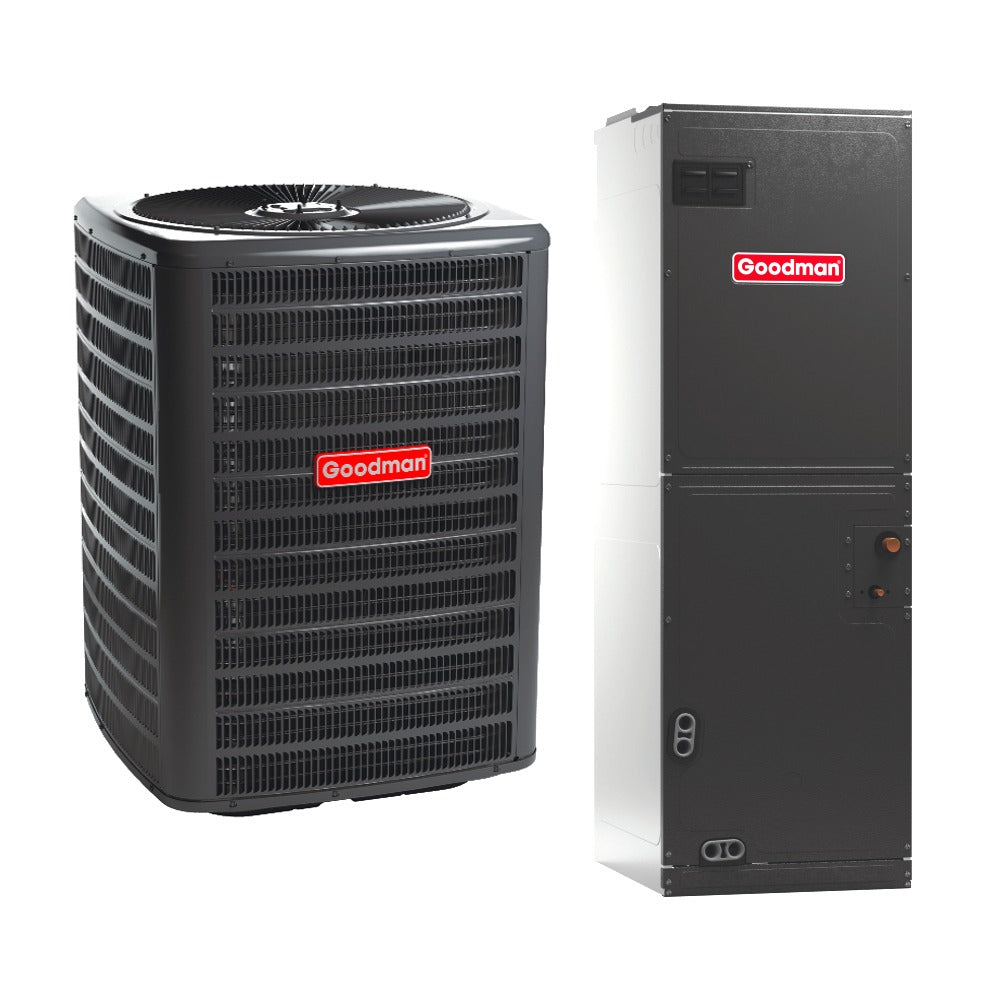

It’s a cold morning, and you reach for your portable heater—or maybe you’re relying on your Goodman MBVK electric furnace—only to realize it’s not producing heat. Perhaps the portable heater is not blowing hot air, or your electric fan heater seems to run but only pushes cold air. These are surprisingly common issues, and homeowners often panic, unsure if the problem is something simple or a sign of a more serious failure.
In this article, I’ll walk you through why electric fan heaters may not blow hot air, how to diagnose common problems safely, and why modern electric furnaces like the Goodman MBVK handle these issues more reliably. I’ll also explain how to fix a fan heater blowing cold air, whether it’s a portable unit or a full-sized residential system.
Understanding How Electric Heaters Produce Heat
Before troubleshooting, it’s important to understand how electric heaters work. Both portable fan heaters and the Goodman MBVK electric furnace rely on the same basic principle: electric resistance heating.
-
Heating Elements: Thin coils of resistance wire generate heat when electricity passes through.
-
Blower or Fan: A motor pushes air across the heating elements and into the room.
-
Safety Controls: High-limit switches or thermal cutoffs prevent overheating.
If either the heating element fails or the fan operates incorrectly, the heater may run without producing warm air. This explains the common scenario: the electric fan heater is not blowing hot air, but the motor still runs.
For a technical overview of electric heating systems, the U.S. Department of Energy provides an excellent reference (DOE Electric Resistance Heating).
Common Reasons Portable Heaters Don’t Blow Hot Air
If your portable heater is not blowing hot air, there are a few typical culprits:
-
Tripped High-Limit Switch: Most fan heaters have a safety switch that shuts off the heating element if it gets too hot.
-
Burned-Out Heating Element: Coils wear out over time, and a broken element will prevent heat generation.
-
Loose Wiring or Connections: Vibrations or mishandling can disconnect elements from the power supply.
-
Blower Issues: If the fan isn’t working properly, the air may feel lukewarm or stagnant.
-
Thermostat or Control Failure: Faulty controls may prevent the heating element from receiving power.
Many of these issues are easier to troubleshoot with a wiring diagram, especially in more complex electric furnaces like the Goodman MBVK (Goodman MBVK Wiring Resources).
How to Fix a Fan Heater Blowing Cold Air
When you encounter a fan heater blowing cold air, follow these steps carefully:
-
Unplug and Inspect: Always disconnect the heater from power before inspecting.
-
Check the Heating Element: Look for visible breaks or discoloration.
-
Test the Thermostat: Ensure it’s set above room temperature and functioning correctly.
-
Verify Safety Switches: Many heaters require a reset of the high-limit switch; consult the manual.
-
Clean the Fan and Interior: Dust buildup can restrict airflow and reduce heating efficiency.
If your fan heater still blows cold air after these steps, the problem may be internal circuitry, and professional repair or replacement may be necessary.
Why the Goodman MBVK Electric Furnace Handles Heat Differently
Unlike portable fan heaters, the Goodman MBVK electric furnace is designed for continuous home heating. Here’s why it rarely suffers from the “fan running but no heat” problem:
-
Staged Electric Heating Elements: The MBVK uses sequenced heating to ensure smooth temperature rise without overloading circuits.
-
Integrated Blower Delay: Prevents blowing cold air before the elements reach full temperature.
-
High-Limit Safety Controls: Automatically disengage elements if overheating occurs but reset automatically once safe.
-
Professional-Grade Wiring and Controls: Reduces risk of loose connections or component failure.
The result is reliable, consistent heat that doesn’t require the frequent troubleshooting common with portable fan heaters (Goodman MBVK Product Guide).
Step-by-Step Troubleshooting for the MBVK
Even high-quality electric furnaces can encounter issues. If your MBVK is running but not producing heat, follow these steps:
-
Check Thermostat Signals: Ensure the thermostat is calling for heat.
-
Inspect Circuit Breakers: A tripped breaker can cause the blower to operate without heat.
-
Check High-Limit Switches: Confirm they haven’t tripped and reset if necessary.
-
Examine Heating Elements: Electrical resistance elements can fail, but staged operation limits damage.
-
Review Control Board Diagnostics: Modern MBVK models provide diagnostic codes to help identify faults.
For additional technical resources on diagnosing electric furnace issues, the Air Conditioning Contractors of America offers guidance (ACCA Residential Electric Systems).
Safety Considerations
Working with electric heaters involves high voltage. Always follow these precautions:
-
Disconnect power before opening panels or handling components.
-
Avoid bypassing safety devices like high-limit switches.
-
Do not attempt repairs on complex circuit boards unless qualified.
-
Keep heaters and furnaces free of dust and debris to avoid overheating.
The Consumer Product Safety Commission offers safety standards and tips for electric heating devices (CPSC Heating Safety).
Maintenance Tips to Prevent Cold Air Issues
Preventing electric fan heaters from blowing cold air is easier than fixing them. Simple maintenance for both portable heaters and MBVK furnaces includes:
-
Regular Dusting: Keep vents and blower wheels free of debris.
-
Periodic Inspection of Elements: Look for wear or damage in exposed elements.
-
Check Thermostat Batteries and Wiring: Ensure accurate temperature control.
-
Professional Annual Service: For whole-home furnaces, schedule inspection and cleaning.
Regular maintenance reduces unexpected failures and extends system life, especially in electric furnaces with multiple heating stages.
Comparing Portable Fan Heaters and the MBVK Furnace
While portable fan heaters are convenient for supplemental heat, they have limitations:
-
Small elements may fail more frequently.
-
Safety cutoffs are sensitive and may trip unnecessarily.
-
Limited airflow can make cold air issues feel more pronounced.
The Goodman MBVK electric furnace avoids these problems with:
-
Staged elements for gradual heat
-
Built-in blower delay
-
Larger, more durable elements
-
Diagnostic feedback for fault identification
From my experience, families who upgrade from small fan heaters or older electric units to the MBVK see immediate improvements in comfort and reliability.
Conclusion: Stop Chasing Cold Air
If you’re frustrated by a portable heater not blowing hot air or an electric fan heater not blowing hot air, understanding the underlying causes is key. For small units, troubleshooting often involves inspecting elements, fan motors, and high-limit switches.
For whole-home systems like the Goodman MBVK electric furnace, many of these issues are prevented by design. Staged heating, integrated safety features, and robust wiring eliminate cold air problems before they start. By maintaining your MBVK and understanding how it operates, you can enjoy consistent, reliable heat without the guesswork that comes with smaller, portable units.
Upgrading to a high-quality electric furnace isn’t just about comfort—it’s about reliability, safety, and peace of mind.