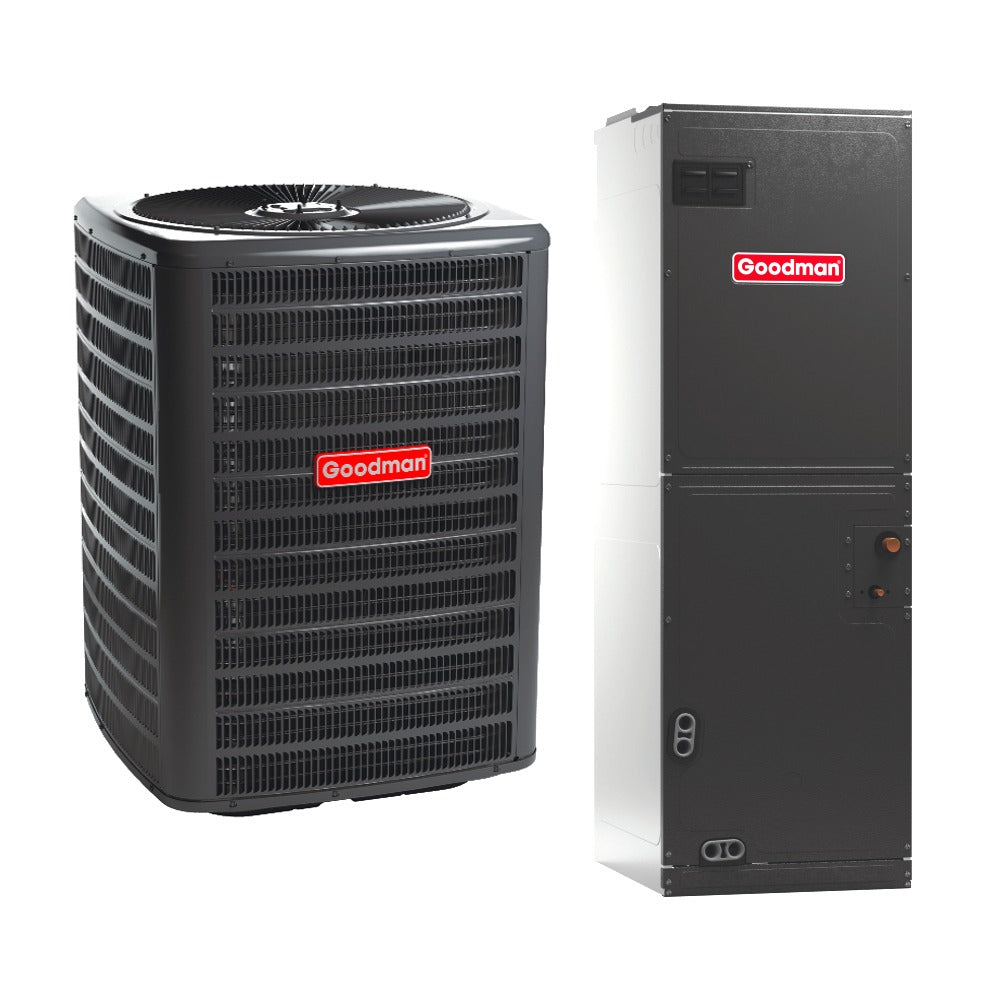

One of the most common questions homeowners ask when something goes wrong with their cooling system is deceptively simple: where is the condenser on an AC unit? Closely related is another question I hear all the time: where is the AC condenser, and what does it actually do?
These are important questions, not just from a curiosity standpoint, but from a practical one. The condenser plays a critical role in how your air conditioner removes heat from your home. Understanding where it’s located, why it’s placed there, and how it interacts with the rest of the system can help you spot problems earlier, maintain your equipment properly, and make smarter decisions when it’s time to repair or replace your AC.
In this article, I’ll explain exactly where the condenser is on an AC unit, how it works, why outdoor placement is essential, and how modern systems like the Goodman 3-Ton 14.5 SEER2 R-32 Bundle are engineered around condenser efficiency and reliability. This is the kind of foundational knowledge every homeowner should have before the heat of summer sets in.
What Is the Condenser and What Does It Do?
Before we pinpoint where the AC condenser is, we need to clarify what it actually does. Many homeowners confuse the condenser with the compressor, and while the two components work closely together, they serve different purposes.
The condenser is responsible for releasing heat that has been removed from your home. During normal operation:
-
Warm air from inside your home passes over the indoor evaporator coil.
-
Heat is absorbed by the refrigerant.
-
That refrigerant is pumped to the outdoor condenser.
-
The condenser releases the heat into the outdoor air.
Without a functioning condenser, heat has nowhere to go. The system may run, fans may spin, but your home will not cool effectively.
For homeowners who want a deeper technical explanation of how condensers function within the refrigeration cycle, HVAC.com offers a clear, homeowner-friendly breakdown of condenser operation and system heat transfer, which aligns well with what technicians see in the field.
Where Is the Condenser on an AC Unit?
Now let’s address the main question directly: where is the condenser on an AC unit?
The Simple Answer
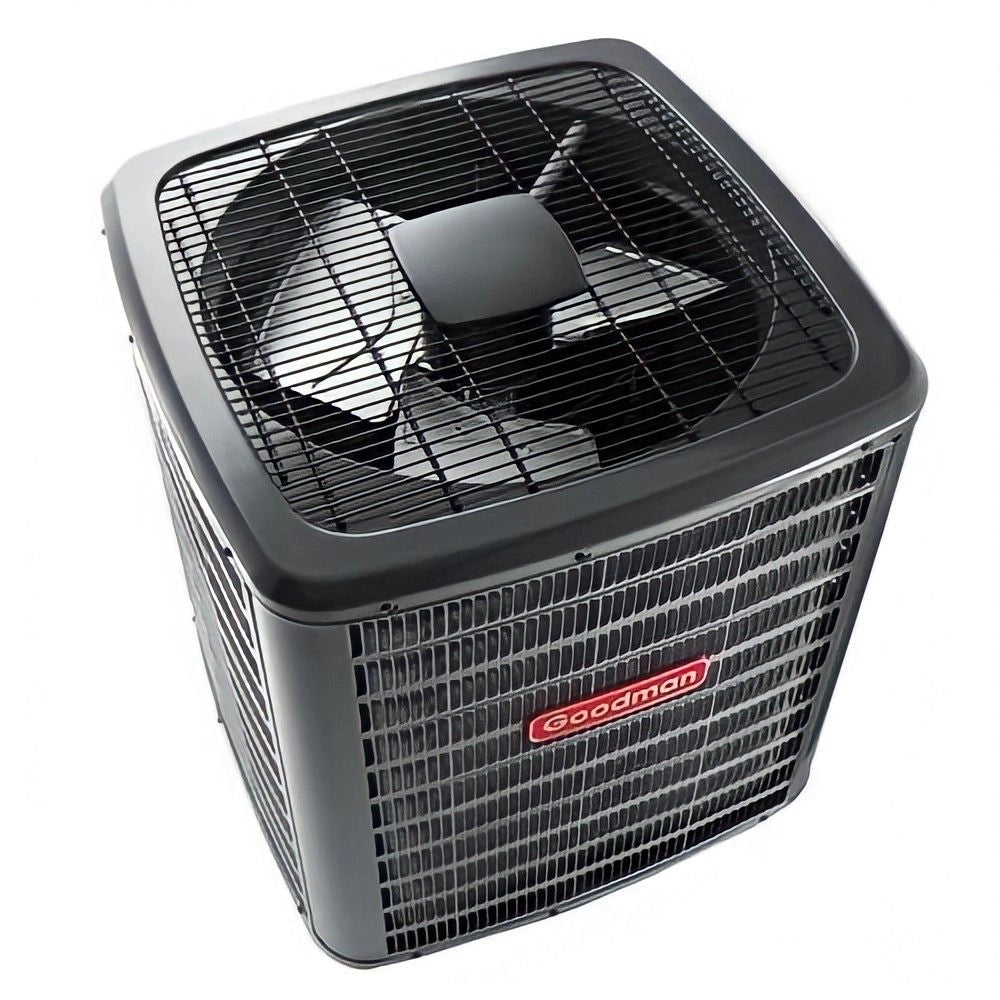
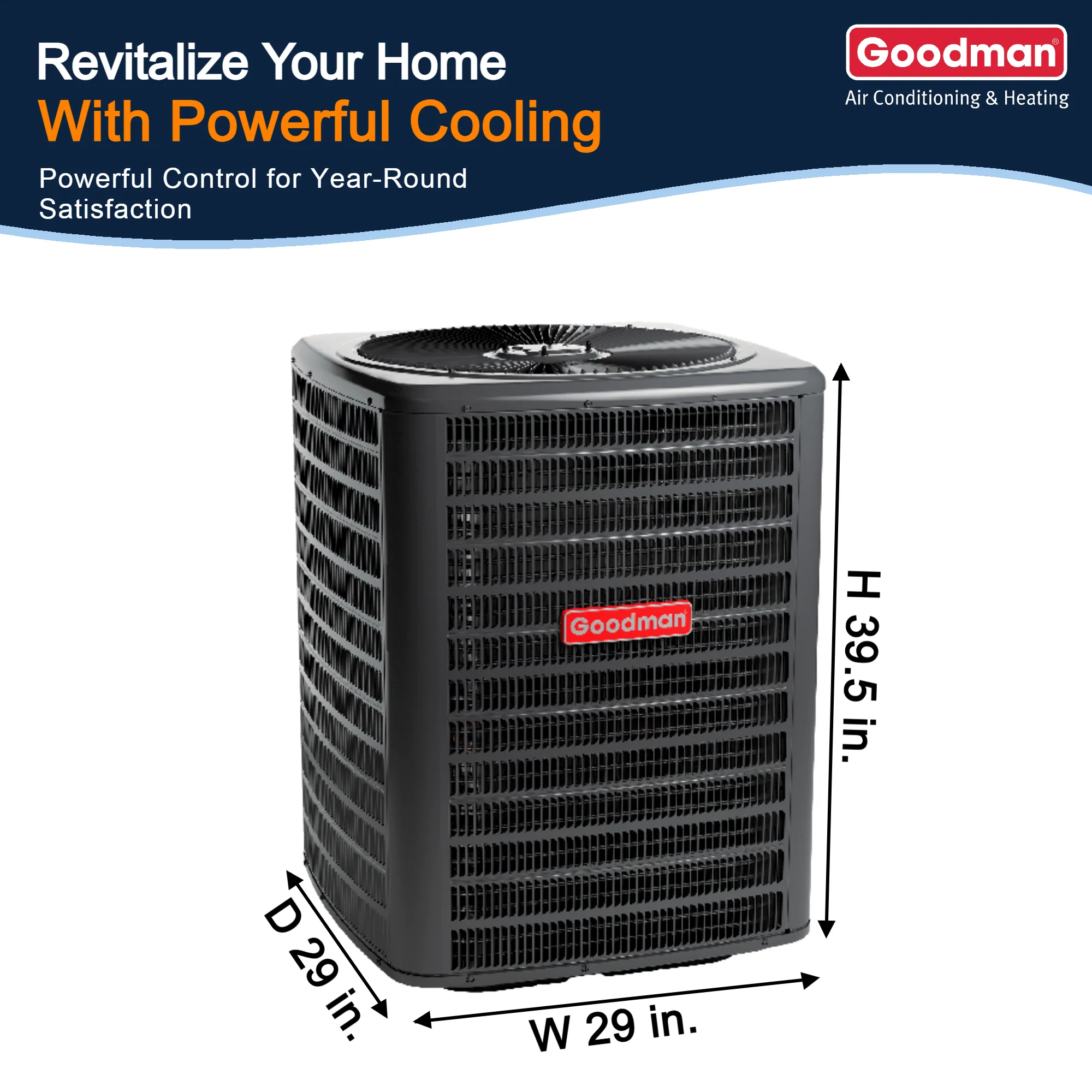
In a typical residential central air conditioning system, the condenser is located in the outdoor unit, often referred to as the condenser unit.
What That Outdoor Unit Includes
The outdoor unit usually contains:
-
The condenser coil
-
The condenser fan
-
The compressor
-
Electrical and control components
While homeowners often refer to the entire outdoor cabinet as “the condenser,” technically speaking, the condenser is the coil inside the outdoor unit that releases heat. However, in everyday HVAC language, both homeowners and professionals commonly use “condenser” to describe the entire outdoor assembly.
That’s why when someone asks where is the AC condenser, the correct practical answer is: outside, in the outdoor unit next to your home.
Why the Condenser Is Always Outside
A logical follow-up question is why the condenser must be outdoors. The answer comes down to heat management, efficiency, and safety.
Heat Rejection
The condenser’s job is to get rid of heat. Placing it outdoors allows that heat to dissipate directly into the surrounding air rather than being dumped into your living space.
Airflow Requirements
Condensers require large volumes of air moving across the coil to operate efficiently. Outdoor placement allows unrestricted airflow that simply isn’t possible indoors.
Noise Considerations
Condenser fans and compressors generate noticeable sound. Keeping these components outside minimizes noise inside the home.
According to the U.S. Department of Energy’s residential cooling system guidance, proper outdoor placement of the condenser is one of the key factors affecting system efficiency and performance.
Identifying the Condenser in Your Own Home
If you’re standing in your yard wondering where is the condenser on my AC unit, here’s how to identify it quickly.
Visual Characteristics
The condenser unit typically:
-
Is a large metal cabinet
-
Sits on a concrete or composite pad
-
Has visible fan blades on the top or side
-
Is connected to refrigerant lines entering the home
Inside that cabinet, the condenser coil wraps around the interior walls, allowing air pulled in by the fan to carry heat away.
What Homeowners Can Safely Do
You can safely:
-
Visually inspect the unit
-
Clear debris from around it
-
Listen for unusual noises
You should not:
-
Open sealed panels
-
Touch refrigerant lines
-
Attempt internal repairs
Handling refrigerant components requires certification, as emphasized in EPA refrigerant handling regulations, which exist to protect both homeowners and the environment.
Where Is the AC Condenser in Different System Types?
While most homes use traditional split systems, condenser location can vary slightly depending on system design.
Split Systems (Most Common)
-
Condenser location: Outdoor unit
-
Indoor components: Furnace or air handler with evaporator coil
This is the configuration used by systems like the Goodman 3-Ton 14.5 SEER2 R-32 Bundle, where the outdoor condenser is paired with a matched indoor coil for optimal efficiency.
Packaged Units
-
Condenser location: Inside a single outdoor cabinet
-
Common uses: Commercial buildings, manufactured homes
All components are housed in one outdoor unit, often on the ground or rooftop.
Ductless Mini-Split Systems
-
Condenser location: Outdoor unit
-
Indoor components: Wall-mounted air handlers
Even in ductless designs, the condenser remains outdoors for the same heat-rejection reasons.
Why Condenser Location Impacts System Performance
Understanding where the condenser is on an AC unit helps explain why placement and surroundings matter so much.
Clearance and Airflow
Condensers require space to “breathe.” Most manufacturers recommend:
-
At least 12–24 inches of clearance on all sides
-
No obstructions above the unit
-
Open airflow pathways
Restricted airflow traps heat, forcing the system to work harder and reducing efficiency.
Environmental Exposure
Because the condenser lives outdoors, it is exposed to:
-
Dirt and dust
-
Grass clippings
-
Leaves and debris
-
Rain, snow, and ice
Regular maintenance helps mitigate these effects and extend equipment life.
Noise and Vibration
Improper placement or unstable mounting surfaces can increase vibration and noise. A level pad and adequate spacing reduce stress on the condenser and compressor.
How the Goodman 3-Ton 14.5 SEER2 R-32 Bundle Optimizes Condenser Performance
Modern systems are designed around the condenser, and the Goodman 3-Ton 14.5 SEER2 R-32 Bundle is a strong example of that engineering approach.
This system pairs a high-efficiency outdoor condenser with a properly matched indoor coil, ensuring:
-
Balanced refrigerant flow
-
Proper pressure management
-
Efficient heat rejection
The condenser in this bundle is designed to work with R-32 refrigerant, which offers improved heat transfer characteristics compared to older refrigerants. That means the condenser can release heat more efficiently, reducing strain on the system.
Industry research summarized by Energy Star’s guidance on efficient air conditioner design supports the idea that matched components and modern refrigerants significantly improve condenser performance and longevity.
Common Problems Linked to Condenser Location
Because the condenser is outdoors, many common AC issues start there.
Dirty Condenser Coils
Dirt buildup acts like insulation, preventing heat from escaping. This forces the system to run longer and consume more energy.
Blocked Airflow
Shrubs, fencing, or stored items too close to the unit restrict airflow and raise operating temperatures.
Physical Damage
Outdoor units are vulnerable to accidental damage from lawn equipment, storms, or falling debris.
Electrical Exposure
Weather exposure can accelerate wear on electrical connections if not properly sealed and maintained.
Knowing where the AC condenser is allows homeowners to monitor these risk factors more effectively.
How Condenser Issues Affect Cooling Inside the Home
When the condenser struggles, the entire system suffers.
Reduced Cooling Capacity
If heat cannot be released outdoors, less heat can be removed indoors.
Higher Energy Bills
The system runs longer to reach the thermostat setting, driving up energy costs.
Increased Wear on Other Components
Strain on the condenser often translates to additional stress on the compressor and fan motors.
Over time, this chain reaction can lead to costly repairs or premature system failure.
Condenser Replacement vs. Full System Replacement
When condenser issues become severe, homeowners often face a decision: replace just the condenser or upgrade the entire system.
When Condenser Replacement Might Work
-
The indoor coil is relatively new
-
Refrigerant compatibility is confirmed
-
The system is otherwise in good condition
When a Full System Upgrade Makes More Sense
-
The system is over 10–12 years old
-
Refrigerant types don’t match
-
Efficiency is far below modern standards
In these cases, a matched system like the Goodman 3-Ton 14.5 SEER2 R-32 Bundle often provides better long-term value, improved efficiency, and warranty protection.
Maintenance Tips for Your Outdoor Condenser
Because the condenser on an AC unit is located outdoors, routine care is essential.
Homeowner Maintenance
-
Keep vegetation trimmed back at least two feet
-
Rinse the exterior gently with a garden hose (power off)
-
Check for visible debris after storms
Professional Maintenance
-
Annual coil cleaning
-
Electrical inspection
-
Refrigerant pressure checks
-
Airflow verification
Regular maintenance can add years to condenser life and improve seasonal performance.
Final Thoughts: Location Knowledge Leads to Better Decisions
So, where is the condenser on an AC unit? In nearly every residential system, it’s outside—working continuously to release heat and keep your home comfortable.
Understanding where the AC condenser is, why it’s placed there, and how it affects performance empowers homeowners to:
-
Spot problems early
-
Maintain proper airflow and clearance
-
Communicate effectively with HVAC professionals
-
Make informed repair or replacement decisions
Modern systems like the Goodman 3-Ton 14.5 SEER2 R-32 Bundle are engineered with condenser efficiency at the forefront, delivering reliable cooling while minimizing stress on critical components.
When you understand the role and location of your condenser, you’re not just reacting to problems—you’re proactively protecting your home comfort investment.