
If you’ve ever paused mid-winter and asked yourself, “what does a furnace actually do?” you’re not alone. Furnaces are one of those essential household systems that quietly work in the background—until they don’t. When that happens, homeowners suddenly want to understand not just how a furnace works, but the deeper question of furnace purpose and why it matters so much to comfort, safety, and efficiency.
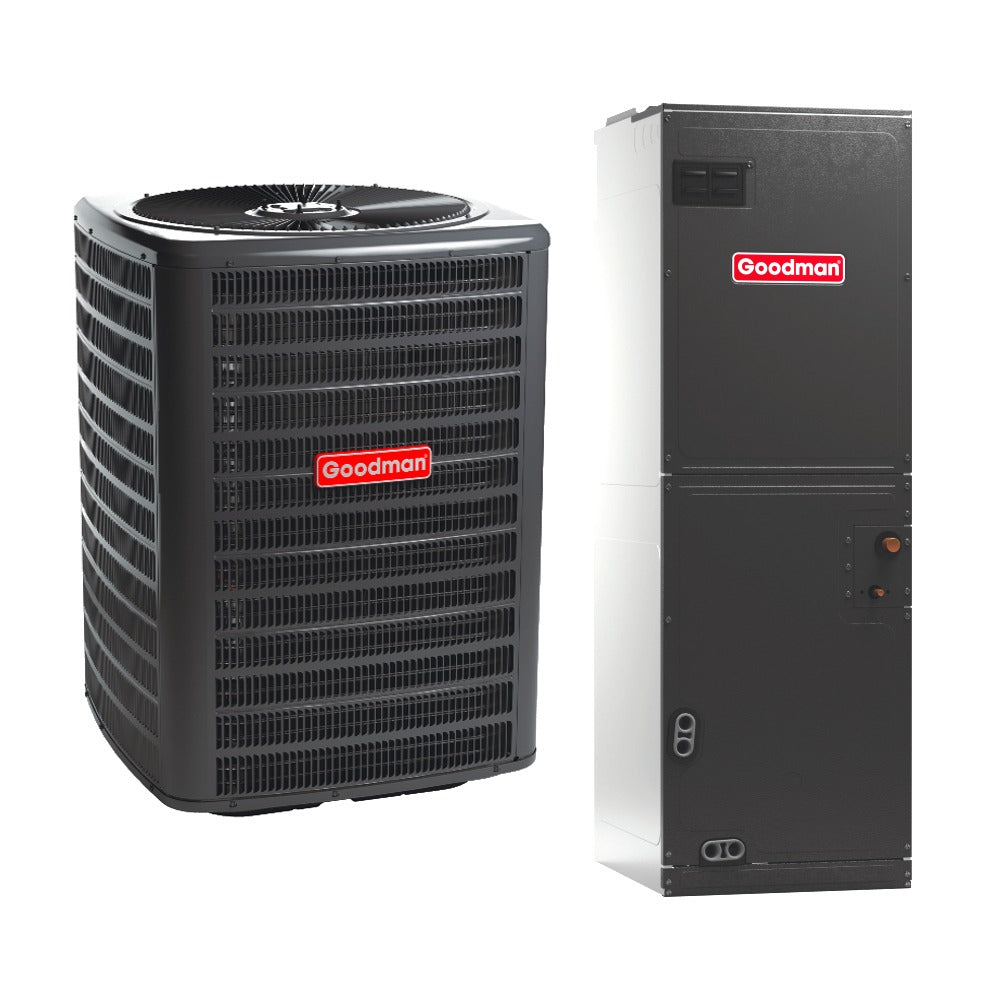
I’m Savvy Mavi, and in this guide we’re going to step back from technical panic and break things down clearly. We’ll explore what a furnace does, why it exists, how electric furnaces differ from gas or oil systems, and how the Goodman MBVK electric furnace fits into the modern understanding of home heating.
This isn’t just a definition. It’s a practical explanation designed to help homeowners make sense of their heating system—and make better decisions about maintenance, upgrades, and expectations.
What Does a Furnace Do, Really?
At its most basic level, the answer to what does a furnace do is simple:
A furnace produces heat and distributes that heat throughout your home.
But that short answer hides a lot of important detail.
A furnace is not just a heater. It is a controlled heating system designed to:
-
Generate heat safely
-
Move air through ductwork
-
Maintain a consistent indoor temperature
-
Protect itself and the home through safety controls
The furnace does not work alone. It operates as part of a broader HVAC system that includes ductwork, a thermostat, and often an air conditioner or heat pump.
Understanding furnace purpose means understanding how all of these pieces work together.
The Core Furnace Purpose: More Than Just Warm Air
When homeowners ask about furnace purpose, they’re usually thinking about comfort. But a furnace serves several overlapping purposes:
-
Thermal Comfort
The primary job is to raise indoor air temperature to a comfortable level during cold weather. -
Air Circulation
Furnaces move air throughout the home, preventing temperature stratification and cold spots. -
System Integration
In most homes, the furnace shares ductwork with air conditioning, making it a year-round air handler. -
Humidity and Air Quality Support
While not a humidifier or air purifier by default, the furnace enables these accessories to function. -
Safety and Control
Modern furnaces are engineered to prevent overheating, electrical faults, and unsafe operation.
The Goodman MBVK electric furnace is a strong example of how modern design prioritizes all five of these purposes.
How a Furnace Produces Heat
To understand furnace purpose fully, you need to understand how heat is produced.
There are three common furnace types:
-
Gas furnaces
-
Oil furnaces
-
Electric furnaces
The Goodman MBVK falls into the third category.
Electric Furnace Heat Production
An electric furnace produces heat using electric resistance heating elements. When electricity flows through these elements, they heat up—similar in principle to a toaster or electric oven, but engineered for airflow and safety.
Here’s the basic sequence:
-
Thermostat calls for heat
-
Control board verifies safe conditions
-
Heating elements energize
-
Blower motor moves air across the elements
-
Warm air enters ductwork
-
Heat is distributed throughout the home
There is no combustion, no fuel delivery, and no exhaust process.
This distinction matters when evaluating furnace purpose from a safety and maintenance perspective.
Why Furnaces Exist at All
A common question behind what does a furnace is actually this: Why do we need one in the first place?
The answer lies in building design and human comfort.
Homes are designed to retain heat, but they are not sealed systems. Heat naturally escapes through walls, windows, roofs, and doors. Without a furnace:
-
Indoor temperatures would match outdoor conditions
-
Plumbing would freeze
-
Building materials would degrade
-
Indoor air quality would suffer
The furnace exists to counteract heat loss and maintain a stable environment suitable for daily living.
According to residential building science principles outlined by organizations such as the U.S. Department of Energy, maintaining indoor temperature stability is critical not only for comfort but also for energy efficiency and structural integrity—concepts discussed in homeowner-focused heating guides published by Energy.gov.
The Goodman MBVK Electric Furnace: Purpose in Practice
The Goodman MBVK electric furnace is designed to fulfill furnace purpose in a modern, streamlined way.
Key characteristics include:
-
Electric resistance heating (no fuel combustion)
-
Integrated blower system
-
Compatibility with standard ductwork
-
Safety controls built into the control board
-
Flexible installation options
Because it is electric, the MBVK is often chosen for homes where:
-
Natural gas is unavailable
-
Oil heating is undesirable
-
Safety and simplicity are priorities
-
Lower upfront installation complexity is preferred
Its furnace purpose is not different from other furnaces—but how it achieves that purpose is.
Furnace Purpose vs. Space Heaters
Some homeowners ask: Why not just use space heaters?
This question highlights an important distinction.
Space Heaters:
-
Heat localized areas
-
Often inefficient for whole-home use
-
Can pose safety risks if misused
-
Do not integrate with ductwork
Furnaces:
-
Heat the entire home evenly
-
Operate under strict safety standards
-
Distribute air through controlled pathways
-
Are designed for continuous, seasonal use
The furnace purpose is whole-home comfort—not spot heating.
The Goodman MBVK is engineered to heat an entire living space consistently, something portable heaters cannot reliably or safely do.
How the Furnace Interacts With the Thermostat
Another key part of understanding what does a furnace do is understanding control.
The furnace does not decide when to run—the thermostat does.
The thermostat:
-
Measures indoor temperature
-
Compares it to the setpoint
-
Sends a signal to the furnace
-
Ends the call for heat when satisfied
The furnace’s purpose is to respond accurately and safely to that signal.
Modern thermostats may include staging, scheduling, and smart controls. The MBVK supports these features through compatible control boards, allowing precise heat delivery rather than simple on-off cycling.
Airflow: A Critical Part of Furnace Purpose
A furnace that produces heat but cannot move air fails its purpose.
Airflow allows heat to be:
-
Absorbed from heating elements
-
Distributed evenly
-
Prevented from overheating internal components
In the Goodman MBVK, the blower motor plays a critical role. Even if heating elements are functional, poor airflow can cause:
-
High-limit safety trips
-
Uneven heating
-
Short cycling
-
Reduced efficiency
This is why filter maintenance and duct integrity are essential to furnace purpose.
Industry organizations such as ACCA emphasize airflow design as a foundational element of heating performance, a principle detailed in HVAC system design standards referenced throughout professional resources like those summarized on ACCA.org.
Furnace Purpose and Safety
Modern furnaces are designed with safety as a non-negotiable priority.
In electric furnaces like the MBVK, safety features include:
-
High-limit switches
-
Door interlock switches
-
Electrical fault monitoring
-
Controlled sequencing of heating elements
These systems ensure that if something goes wrong, heat production stops while airflow may continue.
This explains common homeowner observations like “the fan runs but no heat”—a scenario where the furnace is prioritizing safety over comfort.
From a furnace purpose perspective, this is not a failure. It is the system doing exactly what it is designed to do.
Furnace Purpose Across Seasons
While furnaces are associated with winter, their role extends beyond heating season.
In many homes, the furnace:
-
Acts as the air handler for central air conditioning
-
Circulates air during fan-only operation
-
Supports air filtration year-round
The Goodman MBVK often shares ductwork with cooling systems, making it part of a comprehensive indoor comfort solution.
This year-round functionality reinforces that furnace purpose is not seasonal—it’s systemic.
Electric Furnace vs. Gas Furnace Purpose
Some homeowners assume electric furnaces are less “real” than gas furnaces. This is a misunderstanding.
The purpose is identical:
-
Heat the home
-
Maintain comfort
-
Operate safely
The difference lies in method, not mission.
Gas Furnace:
-
Burns fuel
-
Requires venting
-
Produces combustion byproducts
Electric Furnace:
-
Uses resistance heating
-
No combustion
-
No exhaust gases
For homeowners prioritizing simplicity and safety, electric furnaces like the MBVK align well with modern housing needs—especially in regions with stable electricity infrastructure.
Consumer HVAC education platforms such as HVAC.com often outline these differences to help homeowners choose systems based on lifestyle and infrastructure rather than misconceptions.
Maintenance and Furnace Purpose
A furnace cannot fulfill its purpose without maintenance.
Basic homeowner responsibilities include:
-
Changing air filters
-
Keeping vents unobstructed
-
Monitoring thermostat behavior
-
Scheduling professional inspections
For the Goodman MBVK, maintenance focuses heavily on airflow and electrical integrity rather than combustion components.
Well-maintained furnaces:
-
Heat more efficiently
-
Last longer
-
Operate more safely
-
Deliver more consistent comfort
Neglected furnaces still attempt to perform their purpose—but often fail prematurely.
When Furnace Purpose Is Compromised
Recognizing when a furnace is not fulfilling its purpose is essential.
Warning signs include:
-
Uneven temperatures
-
Frequent cycling
-
Rising energy bills
-
Weak airflow
-
Cold air during heat calls
These symptoms indicate that the furnace is struggling to meet its design objective.
Addressing issues early prevents system stress and preserves long-term performance.
Why Understanding Furnace Purpose Matters
Homeowners who understand furnace purpose:
-
Communicate better with technicians
-
Make informed upgrade decisions
-
Avoid unnecessary repairs
-
Recognize safety issues early
You don’t need to be an HVAC expert—but you should understand what your furnace is trying to accomplish.
The Goodman MBVK electric furnace is designed to do one thing exceptionally well: provide safe, consistent, whole-home heat when you need it.
Final Thoughts from Savvy Mavi
So, what does a furnace do?
It creates comfort, protects your home, supports air quality, and maintains livability during cold weather.
And furnace purpose?
It’s not just about warmth. It’s about stability, safety, and reliability.
The Goodman MBVK electric furnace embodies this purpose through straightforward design, strong safety controls, and dependable electric heating. When you understand how and why it works, you’re better equipped to care for it—and to trust it.
A furnace isn’t just a machine in a closet. It’s the backbone of your home’s comfort system.
And now, you understand why.