INTRODUCTION — WHY REPLACING YOUR FURNACE AND AIR CONDITIONER TOGETHER MAKES SENSE
If your HVAC system is pushing 15 years or more, or you’ve noticed rising energy bills, inconsistent comfort, or frequent breakdowns, then now might be the right time for a furnace and air conditioning replacement. Doing both at once — furnace + air conditioner — can yield major benefits: smooth integration, matched performance, better efficiency, and often lower overall cost compared to replacing one and waiting on the other.
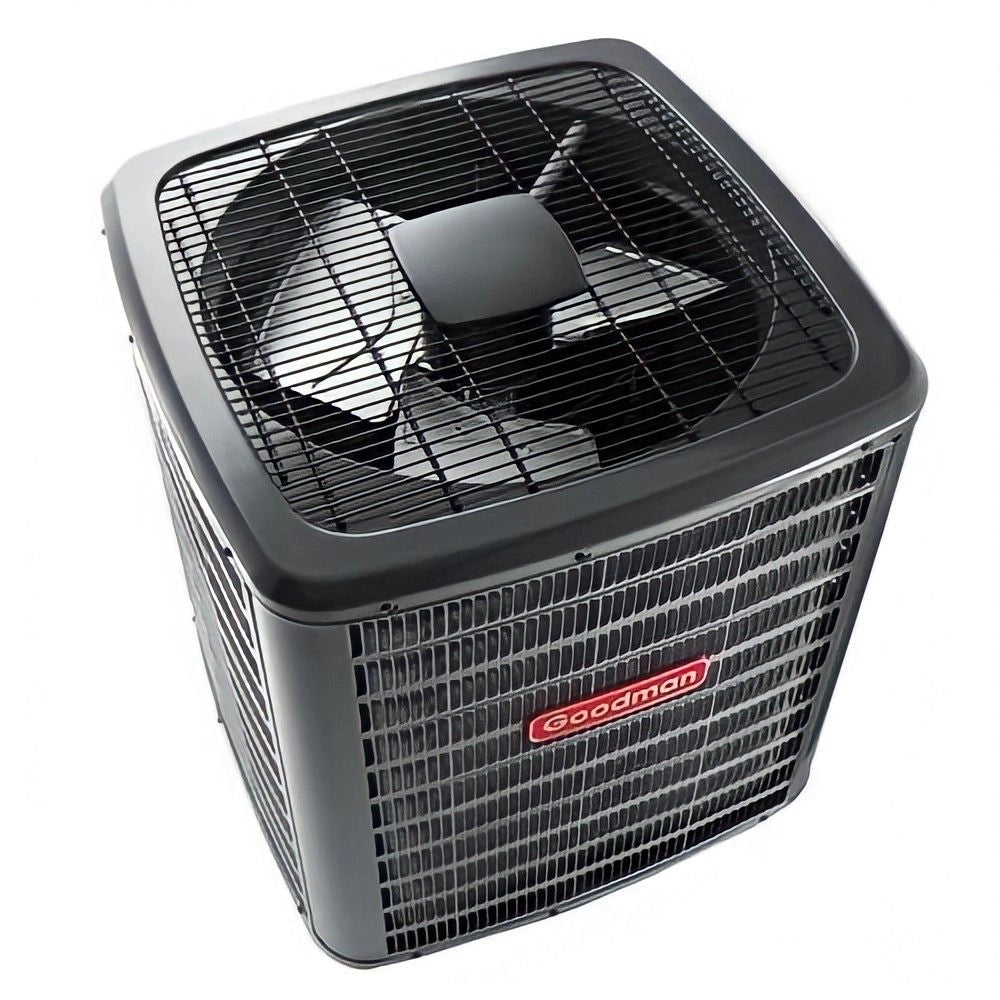
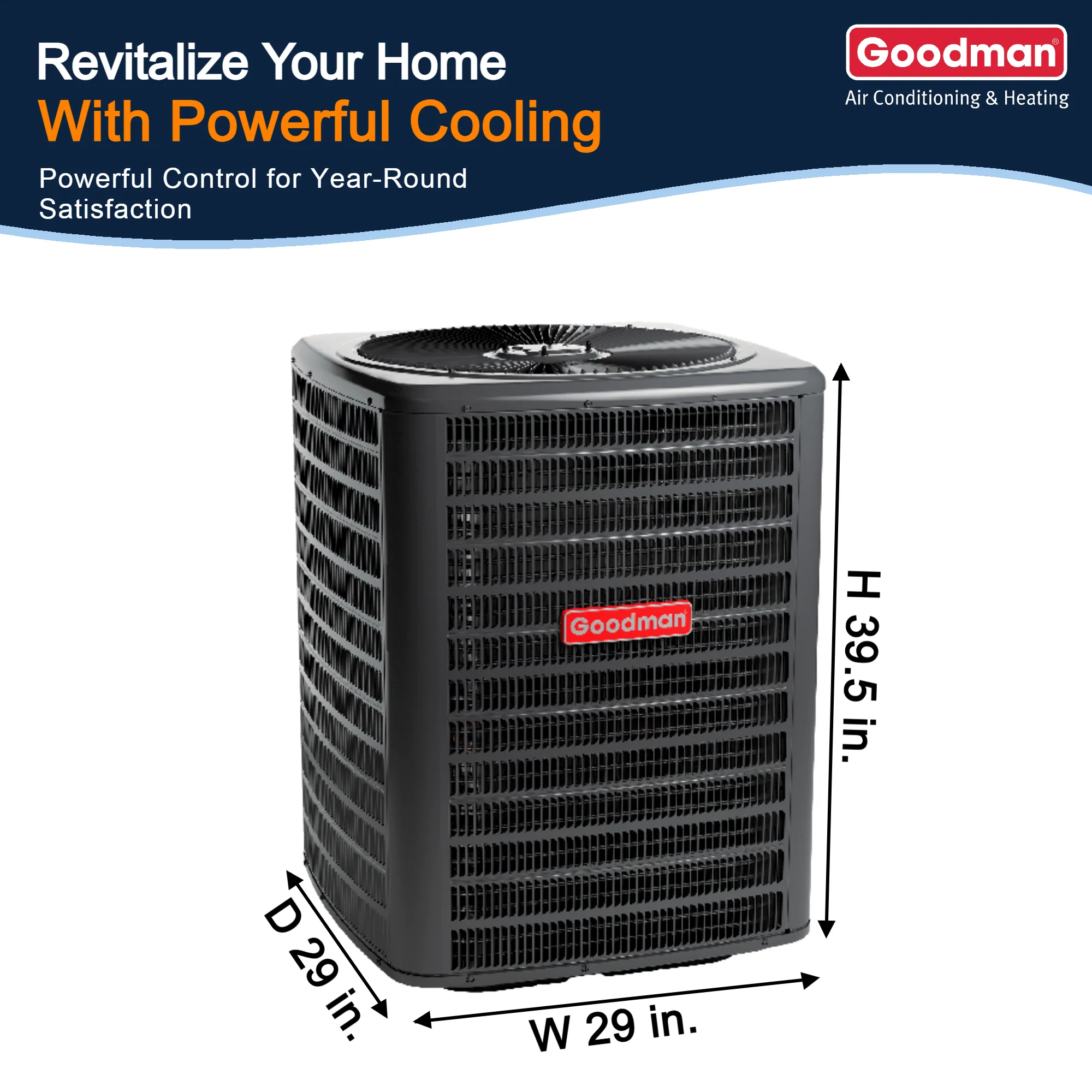
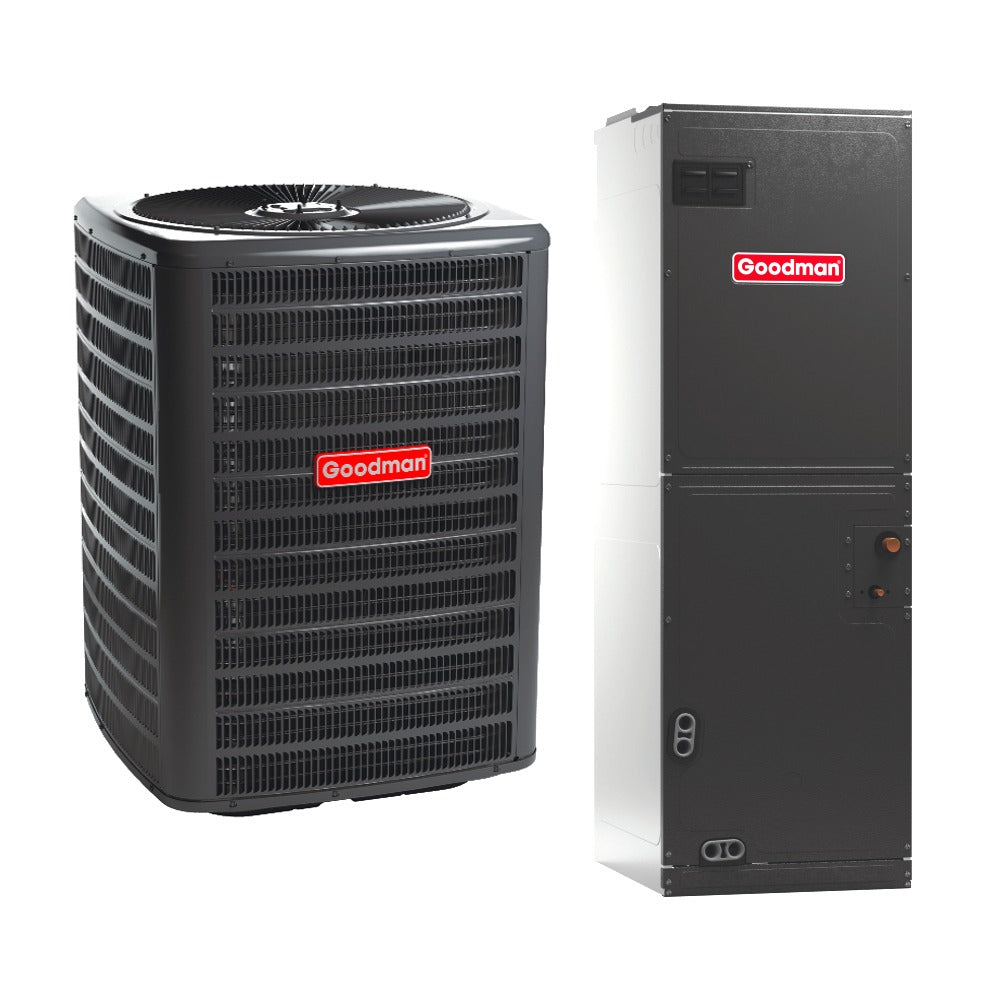
That’s where a balanced system like the Goodman 3 Ton 14.5 SEER2 R32 bundle comes into play. It provides a solid, middle‑of‑the‑road efficiency level that’s realistic for many homes, while avoiding the steep premiums of ultra‑high‑end HVAC packages.
In this post, I’ll walk you through what a full HVAC replacement (heating + cooling) really means in 2025, how much you can expect to pay, what key factors affect cost and value, and why the Goodman bundle is a strong contender if you want value, reliability, and long-term comfort.
CHAPTER 1 — WHAT “NEW HVAC” / “HEATING AND AC REPLACEMENT” REALLY MEANS
When you’re talking about a new HVAC or replacing HVAC system in full, you’re not just swapping old for new. You’re performing a coordinated upgrade of:
-
A heating system (furnace / air handler)
-
A cooling system (central air conditioner / condenser)
-
Matching indoor and outdoor components (coil, blower, condenser)
-
Ductwork inspection / potential repairs or sealing
-
Controls, thermostats, wiring, safety devices
-
Proper refrigerant and airflow calibration
A full replacement ensures the parts are matched and designed to work together — which leads to efficient, balanced operation, and typically longer life. That’s why many pros advise homeowners: when your system is old enough, consider replacing both furnace and AC together rather than doing half‑measures.
Doing so also lets you avoid repeated service calls, mismatched components, “band‑aid” fixes, and inefficiencies that add up over time.
CHAPTER 2 — WHAT DOES A COMPLETE FURNACE AND AC REPLACEMENT COST IN 2025
Let’s get down to numbers. What are you actually looking at when you budget for a “new furnace and air conditioner” or “furnace and AC replacement”? As of 2025, nationwide data suggests:
-
The average cost for a full HVAC replacement (both heating and cooling) tends to fall between $5,000 and $12,500 in many typical scenarios. (Angi)
-
For mid‑range setups (common among average U.S. homes), that often works out to roughly $7,500 on average if furnace and AC go in together.
-
A breakdown shows central AC replacement alone runs about $3,900–$7,900, depending on unit size, efficiency, and modifications needed. (Home Advisor)
-
Furnace replacement (gas, electric, etc.) tends to range widely depending on type and efficiency; combined with AC it forms the bulk of the final project cost. (Pick Comfort)
It’s also worth noting that if your home is in the 1,200–2,000 sq ft range (typical for many U.S. homes), a 3 ton system often balances well. According to the manufacturer’s documentation and widely accepted sizing rules, the Goodman 3 Ton bundle fits homes in that neighborhood reasonably well.
In short: for many homeowners, a full furnace & AC replacement realistically lands around $8,000–$13,000 installed, depending on duct condition, labor complexity, and local rates.
CHAPTER 3 — WHY THE GOODMAN 3 TON 14.5 SEER2 R32 BUNDLE IS A STRONG VALUE FOR HVAC REPLACEMENT
So why does the Goodman 3 Ton 14.5 SEER2 R32 bundle often pop up as a recommended choice when replacing both furnace and AC? Here are the compelling reasons:
-
The bundle offers matched indoor and outdoor components — which maximizes compatibility and avoids efficiency losses that “mix‑and‑match” setups sometimes suffer. (Trane)
-
The equipment‑only cost of Goodman’s bundle is relatively modest compared to high‑end premium systems.
-
For many 1,200–2,000 sq ft homes, the 3 Ton capacity balances comfort and efficiency — neither overpowered nor underwhelming.
-
Its SEER2 14.5 rating and use of R‑32 refrigerant mean you get reasonably modern efficiency without paying top-tier premiums — a practical “value vs performance” balance.
-
Because you're replacing both heat and A/C at the same time, you avoid inefficiencies that come from older heating paired with new cooling (or vice versa). A matched combo tends to operate more smoothly.
In my HVAC‑pro opinion — for many homeowners who want comfort, affordability, and peace of mind — Goodman hits the sweet spot.
CHAPTER 4 — WHAT A FULL REPLACEMENT PROJECT TYPICALLY INVOLVES
Replacing furnace and air conditioner together is a coordinated, multi‑step process. Here’s what goes into a full replacement job like this:
-
Initial Assessment – Evaluate existing ductwork, load calculation (house size, insulation, windows, layout), and confirm proper capacity (3 ton, 4 ton, etc.).
-
Removal of Old Equipment – Safely removing old furnace, coil, condenser, duct modifications or clean‑up.
-
Installation of Furnace / Air Handler – Installing the indoor component; ensuring proper fit, duct connections, airflow, drain pans and lines, thermostat wiring.
-
Installation of Condenser / AC Unit – Setting pad, leveling, clearance for airflow, weatherproofing, electrical disconnect, refrigerant lines.
-
Matching and Sealing Ductwork – Sealing joints, repair or upgrade as needed, ensuring balanced supply/return pathways.
-
Electrical, Controls, Safety Devices – New breaker or wiring as needed, thermostat or control upgrades, safety switches.
-
System Startup, Refrigerant Charge, Testing – Proper refrigerant charging, system vacuum, air‑flow testing, temperature differential checks.
-
Final Inspection & Cleanup – Ensure safety, compliance, and that the system meets performance expectations.
Once all that’s done, you’ve got a fully matched, efficient heating and cooling system that should keep your home comfortable for 15–20 years (or more, with proper maintenance).
CHAPTER 5 — COST FACTORS: WHAT PUSHES THE PRICE UP (And What Keeps It Reasonable)
Not all HVAC replacements cost the same. The final price depends heavily on these variables:
-
Size of home (sq ft) — larger homes often demand higher tonnage, bigger ductwork, more materials.
-
Condition of ductwork — if ducts are leaky, undersized, or need modifications, expect added costs.
-
Type and efficiency of furnace — high‑efficiency furnaces or variable‑speed blowers add to upfront cost.
-
Local labor and permit costs — urban vs. rural, regional licensing, local code compliance, labor demand.
-
Complexity of installation — cramped spaces, attic or crawl‑space installs, difficult condenser placement, or difficult duct runs can all increase labor hours.
-
Extras: thermostats, zoning, controls, add-ons — these can add hundreds or even thousands to the job.
On the flip side, having existing ductwork in good shape, average home layout, and using a balanced mid‑range bundle (like the Goodman 3 Ton) helps keep the project in a reasonable budget range.
CHAPTER 6 — WHAT YOU GET FOR YOUR MONEY IN 2025: VALUE VS PRICE
One of the biggest upgrades many homeowners realize when replacing an old HVAC system with a modern furnace + AC combo is energy efficiency and comfort.
Older systems (10–20+ years old) often run on outdated refrigerants, inefficient blowers, and poorly sealed ductwork — all of which cause uneven temperature, high energy bills, and poor humidity control.
By installing a new furnace and air conditioner together:
-
You ensure matched equipment (blower, coil, condenser) optimized for efficiency.
-
You restore proper airflow and duct pressure.
-
You likely improve air quality and humidity control.
-
You reduce risk of breakdowns — newer components, warranties, modern safety standards.
-
Over time, energy savings can help recoup a portion of the upfront cost (especially if rates rise or efficiency standards increase).
And with the Goodman bundle, you balance cost and value: modern refrigerant (R‑32), decent efficiency, good reliability — without the steep price tag of luxury HVAC systems.
CHAPTER 7 — WHEN FULL REPLACEMENT IS BETTER THAN HALF MEASURES
Many homeowners wait until something breaks — maybe just the AC goes out, or maybe the furnace starts acting up. It’s tempting to replace only the broken component, but there are pitfalls with that approach:
-
A new AC matched to an old furnace/air handler — or vice versa — may be mismatched, leading to inefficiency, short cycling, or poor humidity control.
-
You lose the savings that come from bundled labor. Doing two separate replacements often costs more cumulatively than one combined job.
-
Over time, older components may fail, meaning double disruption and cost.
-
Resale value: for home buyers, a matched HVAC system is more attractive than a piecemeal “fixed‑as‑needed” setup.
For that reason, many HVAC pros (myself included) recommend doing furnace and AC replacement together when either component nears end of life.
CHAPTER 8 — TYPICAL PRICING SCENARIOS WITH GOODMAN 3 TON BUNDLE
Let’s run through a couple of common real-world scenarios to illustrate what homeowners might pay to replace furnace and AC with the Goodman 3 Ton bundle:
Scenario A — Mid-size home, decent ductwork, moderate install complexity
-
Equipment (Goodman bundle): ~$3,500–$4,500
-
Labor, installation, refrigerant, basic hookups: ~$3,000–$4,000
-
Total: ~$7,000–$8,500
Scenario B — Home ~1,800–2,000 sq ft, older equipment, duct sealing needed
-
Equipment: same bundle cost
-
Duct sealing, thermostat upgrade, minor duct modifications: +$500–$2,000
-
Installation labor + disposal of old units: ~$4,000–$5,000
-
Total: ~$8,000–$11,000
Scenario C — Larger home, optional higher‑capacity system (or added ductwork), higher efficiency furnace + AC
-
Equipment (possibly larger capacity): more expensive
-
Modifications: ductwork, zoning controls, advanced thermostat or smart controls
-
Labor/complexity premium: higher
-
Total: $10,000–$13,000+
These ranges are consistent with national averages for full furnace and air conditioner replacement projects.
CHAPTER 9 — GETTING AN AIR CONDITIONER QUOTE OR FURNACE & AC UNIT REPLACEMENT QUOTE: WHAT TO WATCH FOR
When you call for an air conditioner quote, a furnace and AC combo cost, or a full furnace and central air combo quote — make sure to ask about:
-
Equipment make and model (matched vs mixed)
-
Efficiency ratings (SEER / SEER2 for AC; AFUE / efficiency for furnace)
-
Whether ductwork inspection, sealing or upgrades are included
-
Labor costs — including disposal of old equipment, permit fees, materials, refrigerant, cleanup
-
Warranty and post‑install service / maintenance requirements
-
Load calculation based on your home size, insulation, climate
An “affordable HVAC replacement” isn’t just about the cheapest price — it’s about best value for money. A rock‑bottom quote might skip important steps; a high quote might include unnecessary upsells. Your goal: fair price + transparent scope + matched equipment + professional installation.
CHAPTER 10 — WHY MANY HOMEOWNERS ARE CHOOSING TO REPLACE FURNACE AND AC RIGHT NOW (2025 CONTEXT)
Several factors make 2025 a smart time to consider replacing furnace and air conditioning:
-
Newer refrigerant standards, efficiency regulations, and upcoming code changes — older systems may soon become obsolete or costly to maintain.
-
Energy prices remain volatile; a modern, efficient HVAC can reduce utility bills significantly compared to aging systems.
-
Comfort expectations are higher — homeowners expect airflow balance, humidity control, quieter operation, and lower maintenance.
-
Environmental concerns / refrigerant regulations push toward newer equipment (like R-32) — so upgrading now avoids future forced replacements. The Goodman 3 Ton bundle already uses R-32.
-
Property value — a properly installed new HVAC system adds value to your home and appeals to buyers, especially if both heating and cooling are modern and efficient.
CHAPTER 11 — MAINTENANCE AFTER REPLACEMENT: KEEPING YOUR INVESTMENT SOUND
Installing new furnace and AC isn’t a one‑and‑done deal. To get the full value and lifespan, you’ll need regular maintenance:
-
Replace or clean air filters every 1–3 months depending on use and filter type
-
Annual (or semi‑annual) professional tune‑up — inspect coils, refrigerant levels, duct seals, blower motors, safety controls
-
Keep outdoor condenser clear of debris, vegetation, and obstructions
-
Monitor airflow and thermostat balance — make sure supply vs return airflow remains balanced
-
Maintain ductwork — if you seal or add insulation later, re‑inspect for leaks or blockages
Treat HVAC replacement as a long-term investment. A little maintenance now saves big costs down the line.
CHAPTER 12 — FINAL THOUGHTS: BALANCING PRICE, VALUE, AND LONG‑TERM COMFORT
If you’re shopping around for furnace and air conditioner replacement, new HVAC, or heating and AC installation, here’s the no‑nonsense advice from a guy who’s climbed into attics, wrestled with duct runs, and fielded more “why is my AC freezing up?” calls than I care to remember:
-
Replacing furnace and AC together is nearly always smarter than doing one now and the other later — you get matched performance, lower total cost, and fewer headaches.
-
The Goodman 3 Ton 14.5 SEER2 R32 bundle offers a balanced, value‑oriented option that hits sweet spots for many average U.S. homes.
-
Don’t just chase the lowest quote. Focus on scope of work, what’s included, efficiency ratings, and whether ductwork/controls are properly addressed.
-
Budget realistically: for many homes, expect $8,000–$13,000 installed for a full furnace + AC replacement — but the right factors (duct condition, size, install complexity) can move that number up or down.
-
Maintain your system. Even the best HVAC install becomes wasted money without proper upkeep.
If you care about comfort, energy efficiency, home value, and long-term reliability — a full furnace and AC replacement with a matched, modern system isn’t just “buying equipment.” It’s investing in your home’s future.