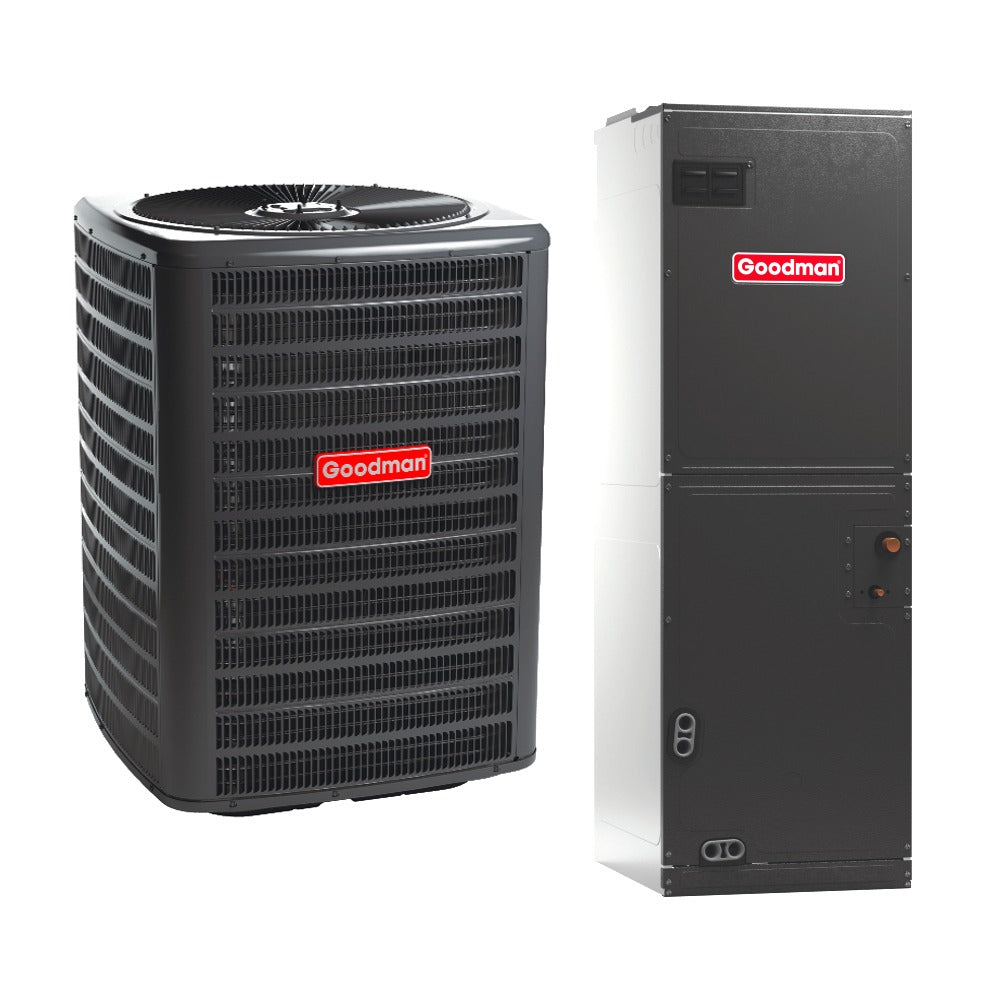

Few issues are more frustrating than turning on your furnace and hearing the blower hum—but feeling no warmth. Homeowners often report that their furnace fan runs but no heat, or the furnace blower is working but no heat is coming out. If your Goodman MBVK electric furnace exhibits these symptoms, you’re not alone, and understanding why this happens can save time, money, and unnecessary frustration.
In this guide, we’ll explore the most common causes, how to troubleshoot safely, and when it’s time to call a professional. We’ll also discuss how preventative maintenance can prevent the “furnace fan on but no heat” scenario from recurring.
Common Symptoms: Recognizing the Problem
When a furnace fan runs but produces no heat, the issue usually falls into one of these categories:
-
Furnace fan works but no heat – The blower motor is operational, but the heating elements aren’t producing warmth.
-
Furnace fan turns on but no heat – Similar to above; may indicate electrical or control issues.
-
Furnace blower working but no heat – Could be due to blown fuses, tripped circuit breakers, or failed sequencers.
Identifying these symptoms early helps narrow down potential causes and reduces unnecessary replacements.
For a technical overview of electric furnace operation, visit Energy.gov – Electric Heating Systems.
How the Goodman MBVK Electric Furnace Works
Understanding how your MBVK furnace functions is key to diagnosing why the furnace fan is on but no heat:
-
Thermostat Signal – When the thermostat calls for heat, it sends a signal to the control board.
-
Blower Motor Activation – The furnace fan begins circulating air across the heating elements.
-
Heating Elements Energize – Staged electric elements warm up in sequence, regulated by a sequencer.
-
Safety Devices Monitor Operation – High-limit switches and fuses prevent overheating or electrical faults.
If any component in this chain fails, the fan may run without heat, producing the classic “furnace fan runs but no heat” scenario.
For detailed component diagrams and troubleshooting, see HVAC School – Electric Furnace Troubleshooting.
Common Causes of a Furnace Fan Running Without Heat
1. Tripped Circuit Breaker or Blown Fuse
Electric furnaces rely on multiple high-voltage circuits. If one of these circuits trips:
-
Heating elements may be unpowered
-
Blower may continue running, producing airflow without warmth
-
Resetting the breaker or replacing fuses may restore function
Always verify that the furnace is powered off at the breaker before inspecting fuses.
2. Failed Heating Elements
The MBVK uses multiple staged heating elements. If one or more elements fail:
-
The furnace may circulate air without producing adequate heat
-
Elements can be tested for continuity using a multimeter
-
Replacement elements should match the furnace specifications
For guidance on safe testing and replacement, visit Goodman HVAC Resources.
3. Faulty Sequencer
The sequencer regulates the order and timing of element activation. A failed sequencer can result in:
-
Blower running with no heat
-
Intermittent heating or uneven temperature
-
Burnt or melted terminals indicating electrical failure
Sequencer issues often require a qualified technician to inspect and replace.
4. High-Limit Switch Activation
Safety devices like high-limit switches cut power to heating elements if the furnace overheats. Causes of a tripped high-limit switch include:
-
Restricted airflow due to dirty filters or blocked vents
-
Failed blower motor or fan relay
-
Dirty or malfunctioning limit switch
Inspect and replace components as needed to restore normal operation.
5. Thermostat or Control Board Issues
Sometimes the problem lies in the control system:
-
Faulty thermostat may signal the blower without activating elements
-
Damaged control board may fail to energize heating circuits
-
Loose or corroded wiring can interrupt signals
Check thermostat settings, ensure proper voltage, and inspect connections before replacing components.
Step-by-Step Troubleshooting Guide
If your furnace fan runs but no heat, follow this methodical approach:
-
Turn Off Power – Always ensure the furnace is disconnected from the electrical supply.
-
Inspect Air Filters and Vents – Clean or replace clogged filters; remove obstructions in ducts.
-
Check Circuit Breakers and Fuses – Reset or replace any tripped breakers or blown fuses.
-
Test Heating Elements – Use a multimeter to check for continuity; replace any defective elements.
-
Inspect Sequencer and Limit Switches – Look for visible damage, burned contacts, or tripped switches.
-
Verify Thermostat Operation – Ensure it calls for heat and sends the proper signal to the control board.
-
Restart Furnace – Restore power and monitor operation; if the fan still runs without heat, professional service is recommended.
For an in-depth troubleshooting checklist, see Energy.gov – Furnace Maintenance and Troubleshooting.
Preventative Maintenance Tips
Regular maintenance can prevent the frustrating scenario where the furnace fan works but no heat:
-
Monthly Filter Checks – Replace air filters every 1–3 months depending on usage.
-
Annual Professional Inspection – Technicians can test elements, sequencers, and limit switches.
-
Clean Blower and Motor Assembly – Dust and debris reduce efficiency and airflow.
-
Check Ductwork – Ensure vents and returns are unobstructed for proper airflow.
-
Inspect Electrical Connections – Tighten and clean connections to prevent shorts or component failure.
Routine maintenance keeps your MBVK furnace operating safely, efficiently, and reliably.
Safety Precautions
Working with electric furnaces involves high voltage. Always follow safety guidelines:
-
Disconnect power before performing inspections or maintenance
-
Use insulated tools and wear protective gear
-
Avoid touching heating elements while powered
-
Never bypass safety devices like limit switches or fuses
Proper safety measures prevent injury and protect the furnace from damage.
When to Call a Professional
If troubleshooting does not restore heat, it’s time to call a licensed HVAC technician. Signs that professional intervention is needed include:
-
Fan runs but no heat persists after basic troubleshooting
-
Furnace trips circuit breakers or fuses repeatedly
-
Blower motor or heating elements show signs of electrical damage
-
Thermostat or control board issues beyond user repair
Qualified technicians have the tools and expertise to safely diagnose and repair the MBVK.
For certified service providers, see HVAC.com – Find a Technician.
Conclusion
Experiencing a furnace fan running but no heat can be alarming, but with the right knowledge, most issues are diagnosable and fixable. The Goodman MBVK electric furnace relies on coordinated operation between the thermostat, blower, heating elements, sequencer, and safety devices. By understanding these systems, performing methodical troubleshooting, and maintaining your furnace regularly, you can restore warmth and comfort to your home safely and efficiently.
Key takeaways:
-
Verify power, airflow, and fuses first
-
Inspect heating elements and sequencers for damage
-
Regular maintenance prevents most fan-only operation issues
-
Call a licensed HVAC professional when troubleshooting steps do not resolve the problem
By following these guidelines, your MBVK furnace can provide reliable heat season after season.