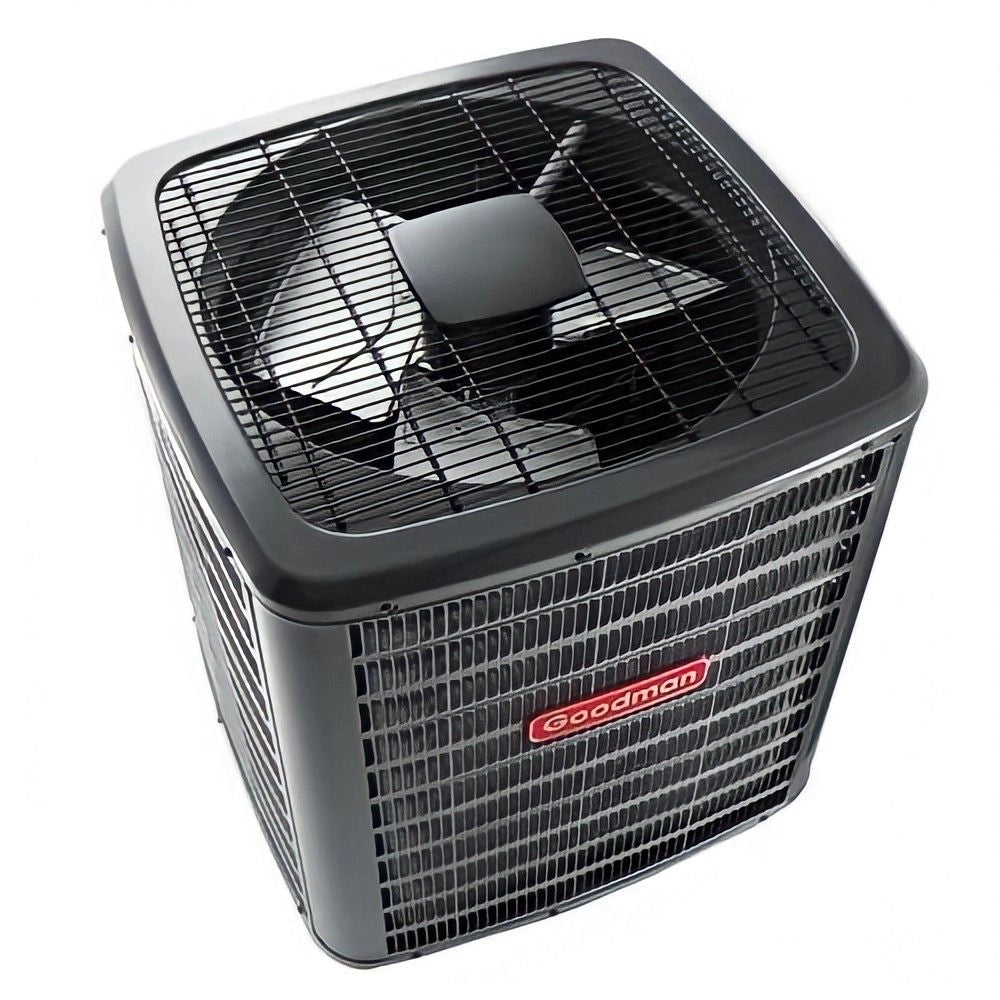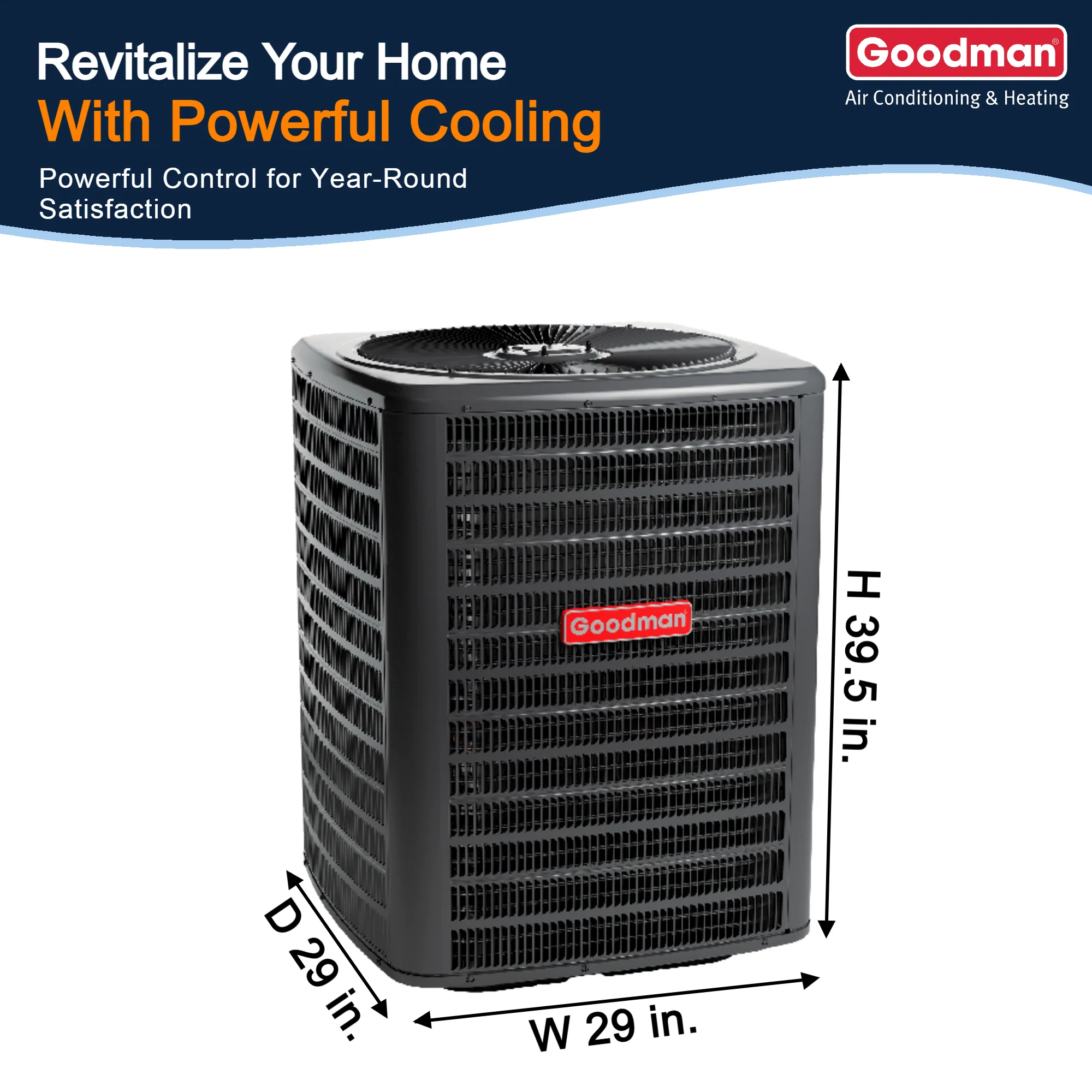

There’s nothing more frustrating than flipping on your thermostat and discovering that your electric central heat is not working. Perhaps your electric furnace is not blowing hot air, or your electric heater turns on but produces no heat. Whether you’ve just installed a Goodman MBVK electric furnace or it’s been running for years, understanding common problems and how to troubleshoot them can save time, money, and a lot of stress.
In this comprehensive guide, I’ll walk you through why your electric furnace might not be turning on, why your electric heater is not working in the house, and step-by-step strategies for troubleshooting electric furnace problems. By the end, you’ll know what issues you can resolve yourself and when it’s time to call a licensed professional.
Understanding the Goodman MBVK Electric Furnace
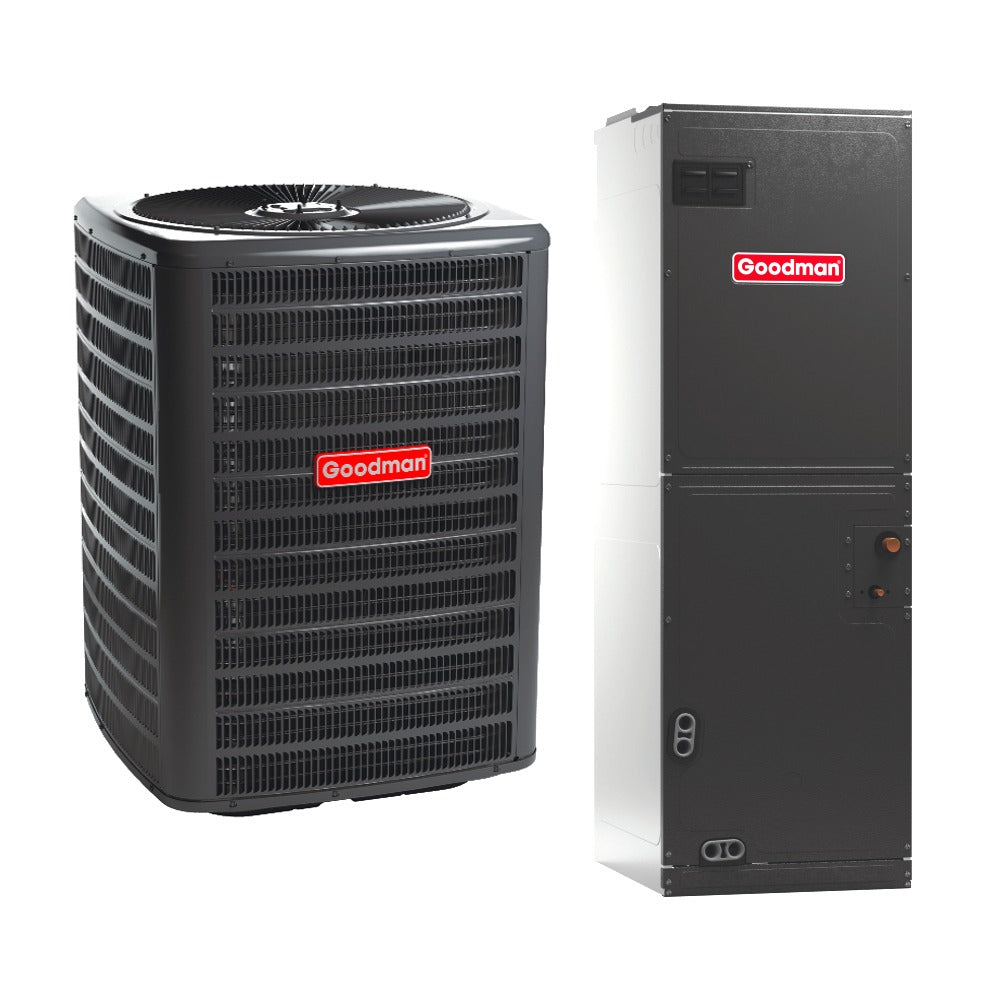
The Goodman MBVK electric furnace is a reliable, energy-efficient heating system designed for homes that use electric HVAC heat rather than gas. Unlike gas furnaces that use burners, the MBVK uses electric heating elements to warm air, which is then distributed through your home’s ductwork.
Here’s what happens during normal operation:
-
Thermostat Calls for Heat
When your thermostat signals for heat, it activates the furnace control board. -
Heating Elements Energize
The MBVK’s resistive heating elements convert electrical energy into heat. -
Blower Circulates Warm Air
The blower motor pushes air past the heating elements and into your duct system. -
Limit Switches Monitor Temperature
Safety mechanisms prevent overheating and protect the furnace from damage.
Problems arise when any of these components fail, causing symptoms like an electric furnace not blowing warm air or an electric heater not turning on.
Common Reasons Your Electric Furnace Is Not Heating
1. Thermostat Issues
Your thermostat is the brain of the system. If it malfunctions, your furnace may not start. Common problems include:
-
Dead batteries
-
Incorrect settings (heat vs. cool mode)
-
Loose wiring
-
Faulty internal sensors
Before assuming your furnace is broken, double-check that your thermostat is functioning properly. For guidance, the Department of Energy offers tips on thermostat troubleshooting and optimization.
2. Tripped or Blown Fuses
Electric furnaces rely on a steady supply of electricity. If a fuse blows or a breaker trips:
-
The electric furnace stops working entirely
-
Your electric heater will not turn on
Check your breaker panel for tripped circuits and reset them if necessary. Never attempt to bypass a breaker, as this is dangerous and can cause permanent damage to your furnace or home wiring.
3. Burned-Out Heating Elements
One of the most common causes of an electric furnace not blowing hot air is a burned-out heating element. Signs include:
-
Blower runs, but air is cold
-
Inconsistent heating throughout the home
-
Burning smell or visible discoloration in the furnace
In most cases, replacing the faulty element restores normal operation. Because electric heating elements carry high voltage, replacement should be performed by a licensed technician.
4. Faulty Blower Motor or Fan
If your electric heater is not blowing hot air in the house, the blower may be at fault. Problems include:
-
Blower motor failure
-
Blower capacitor issues
-
Debris or obstructions in the fan assembly
Without a functioning blower, warm air cannot circulate even if the heating elements are working correctly.
5. Tripped Limit Switches
The Goodman MBVK furnace includes high-limit switches that shut down the system if it overheats. Causes for frequent trips include:
-
Restricted airflow due to dirty filters or closed vents
-
Duct obstructions
-
Blocked return air pathways
Resetting the furnace without addressing airflow issues can result in repeated trips and potential damage.
6. Electrical or Control Board Malfunctions
The control board is the brain coordinating the heating elements, blower, and safety systems. Signs of a failing control board include:
-
Furnace not turning on
-
Heater turns on but no heat
-
Furnace stops mid-cycle
-
Intermittent operation
Diagnosing and replacing a control board requires professional expertise due to high-voltage exposure.
Step-By-Step Electric Furnace Troubleshooting
Here’s a structured approach for identifying the cause when your electric furnace stopped working or your electric heater is not heating:
-
Check Thermostat Settings
Ensure the thermostat is set to heat, with the temperature above the current room temperature. -
Inspect Breakers and Fuses
Reset any tripped breakers and replace blown fuses. -
Check Air Filters
Dirty filters restrict airflow, causing limit switches to trip and reducing heat output. -
Observe Furnace Operation
Listen for the blower starting. If the blower runs but the air is cold, the heating elements may need replacement. -
Inspect Heating Elements
Only a trained professional should inspect or replace high-voltage heating elements. -
Call a Licensed HVAC Technician
If all of the above are functioning and your electric furnace is not heating enough, a professional inspection is essential to avoid safety hazards.
Professional resources like Cote's Mechanical provide detailed guidance for troubleshooting electric furnaces safely.
Tips for Maintaining Your Electric Furnace
Proper maintenance helps prevent future electric heater problems:
-
Replace filters every 1–3 months to maintain airflow
-
Schedule annual inspections to check heating elements, limit switches, and blower motors
-
Clean ducts periodically to prevent airflow restrictions
-
Test thermostat operation annually to ensure accurate temperature readings
Following these steps reduces the risk of your electric furnace not blowing heat or failing mid-winter.
For more in-depth maintenance guidance, Angi provides tips on maintaining electric furnace efficiency and safety.
Signs Your Electric Furnace Needs Professional Service
Some situations require immediate attention from a licensed technician:
-
Electric furnace not turning on despite functioning breaker and thermostat
-
Blower runs but no heat
-
Electric heater turns on intermittently
-
Furnace stopped working mid-cycle
-
Electric HVAC heat not working even with clean filters and proper airflow
Attempting DIY repairs on high-voltage electric components can be dangerous. Professionals can safely replace elements, repair control boards, and ensure the system is operating within manufacturer specifications.
For detailed service recommendations, consult professional HVAC resources and manufacturer manuals.
Why Your Electric Heater May Not Be Heating Enough
Even if your electric heater turns on, you may notice insufficient heat. Causes include:
-
Partially burned-out heating elements
-
Improperly sized furnace for your home
-
Poor insulation or leaky ducts
-
Blocked vents or registers
Addressing these issues ensures the Goodman MBVK electric furnace delivers consistent comfort throughout your home.
Common Myths About Electric Furnace Problems
-
“If the blower runs, the furnace is fine.”
Not true. The heating elements may still fail, producing cold air. -
“Resetting the furnace fixes all problems.”
Frequent resets often indicate deeper issues such as burned-out elements or airflow restrictions. -
“Electric furnaces require frequent maintenance.”
While regular maintenance is important, electric systems generally require less frequent servicing than gas furnaces because they have fewer moving parts and no combustion system.
Understanding these distinctions can save homeowners time and prevent unnecessary service calls.
Conclusion: Keeping Your Home Warm
Experiencing an electric heater not working in the house can be stressful, especially in cold weather. By understanding how the Goodman MBVK electric furnace operates, recognizing symptoms like electric furnace not blowing heat or electric furnace stopped working, and following proper troubleshooting steps, homeowners can resolve many issues safely.
Regular maintenance, filter replacement, and professional inspections are key to preventing problems before they leave your home cold. When in doubt, always call a licensed technician for repairs, especially when dealing with high-voltage electric components.
By staying proactive and informed, your electric furnace can provide safe, efficient, and reliable heat for years to come.