
Hey, everyone — Tony Marino here. I want to talk today about something I don’t always hear people talking about when they’re shopping: where their AC lives, and why that matters. Specifically, I want to dive into why an outdoor air conditioner — a serious, exterior condenser — is often the backbone of your comfort, versus just dreaming about a “patio AC” or a “portable unit for outdoors.”
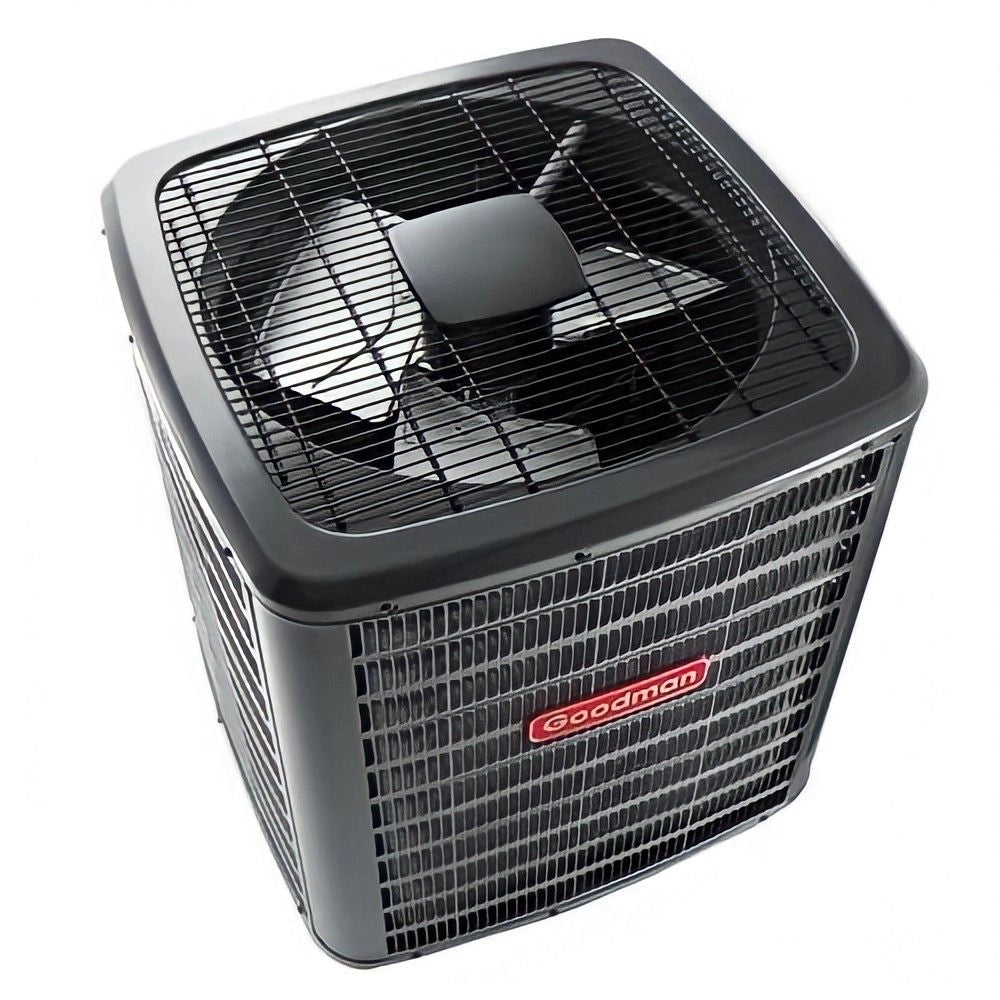
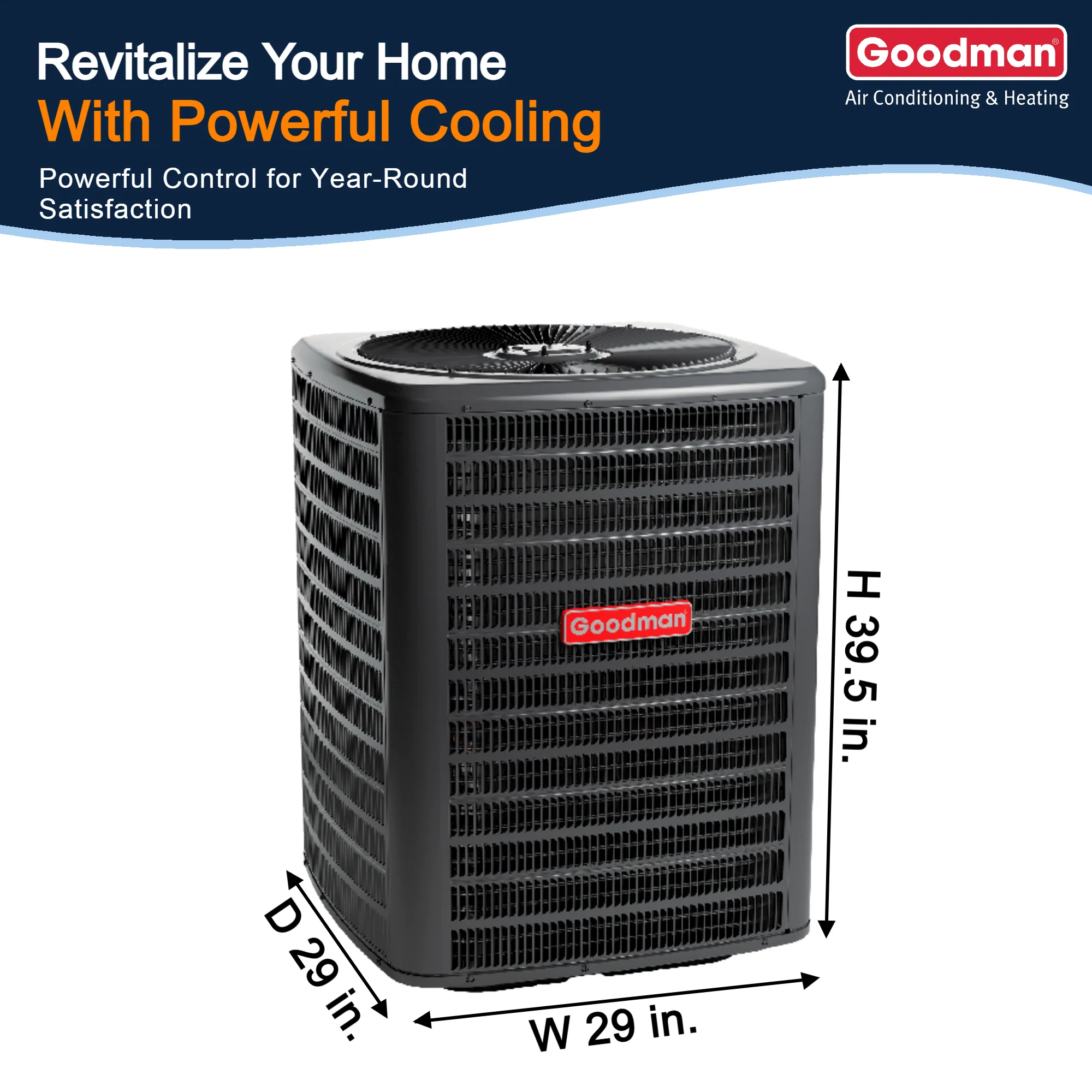
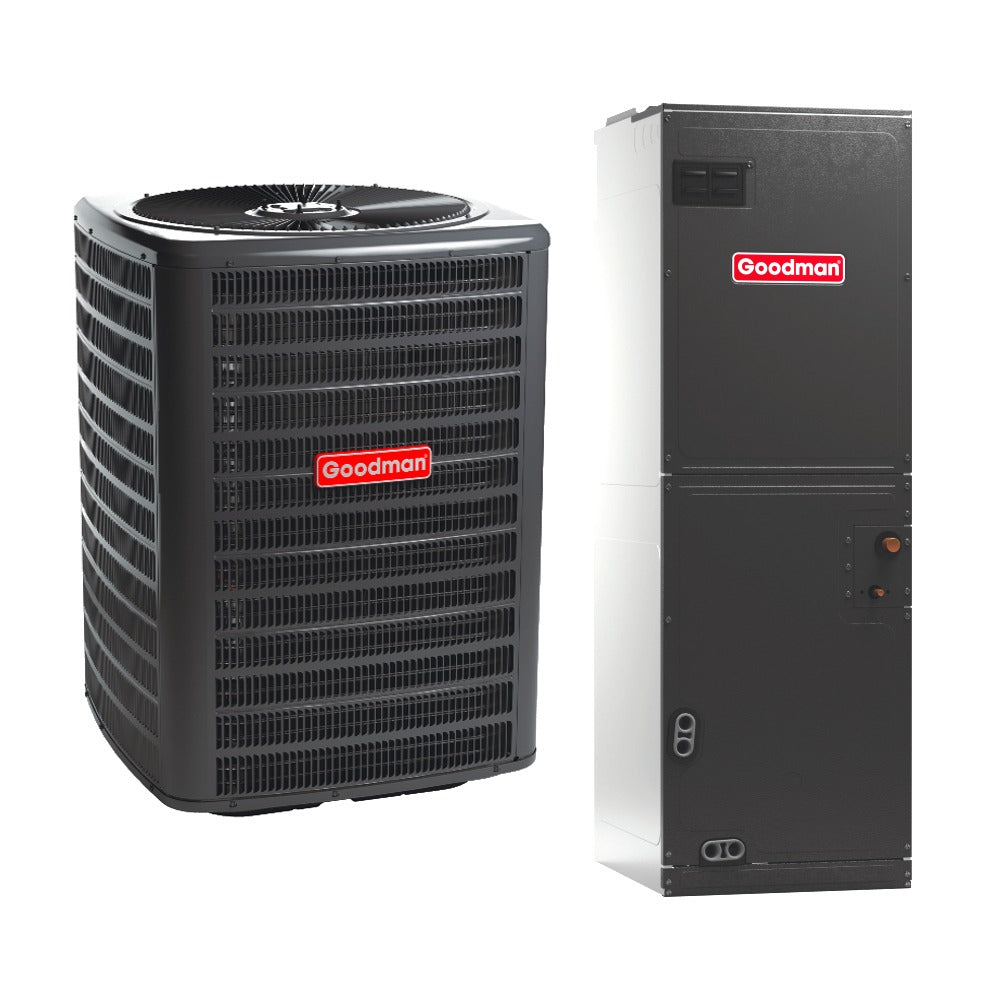
If you’ve been Googling terms like outdoor ac, ac outside unit, patio air conditioner, or “outdoor cooling unit,” this is for you. And at the center of this talk is a system I believe in: the Goodman 3‑Ton 14.5 SEER2 R‑32 Bundle. Let me walk you through why this isn’t just another “outdoor unit” — it’s a smart long-term investment, especially when compared to more ad-hoc cooling options.
What Do People Mean by “Outdoor Air Conditioner” or “Patio AC,” Anyway?
First up: let me clear up a few terms. When folks talk about outdoor air conditioner, ac outside unit, or exterior HVAC unit, they’re most often talking about the condensing unit — the metallic box sitting outside your home that handles the heat rejection, compressor work, and all that heavy HVAC lifting. This is not the same as a portable patio AC or “portable air conditioner outside,” which is usually a freestanding unit that you move around, hose out a window, and hope it cools your space.
Here’s a quick breakdown:
-
Outdoor AC / Condenser: The real deal — part of a split or central HVAC system. It sits outside, trades heat with the outdoors, and is matched with an indoor coil or air handler.
-
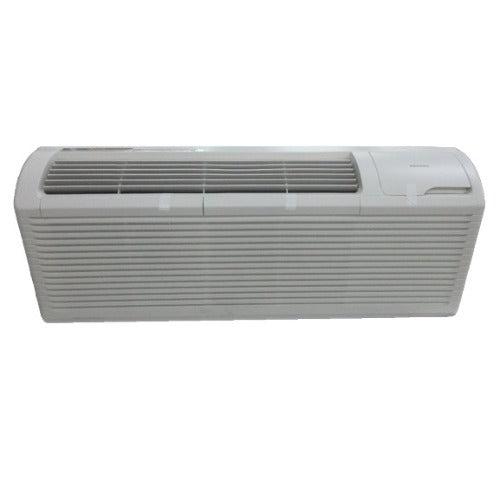
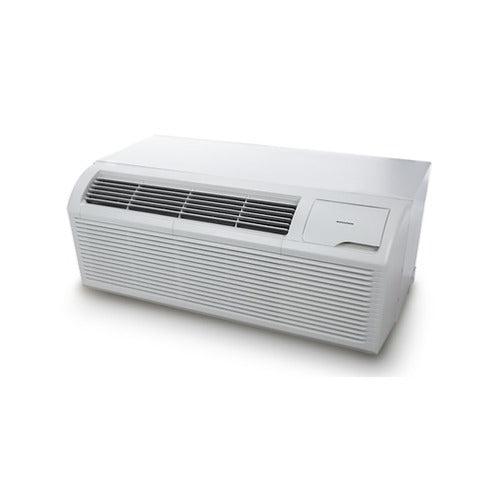
Patio AC / Portable AC for Outdoors: Portable units meant to live outside or near outdoor spaces (sometimes under roof eaves, on patios) — usually less powerful, less efficient, more limited in capacity.
-
Exterior Portable Air Conditioner / Portable Air Conditioner Outside: These are essentially portable units that someone hopes to place outside or partly outside; not what HVAC pros typically recommend for whole-house or serious cooling.
Why Having a Proper Outdoor Unit (Condenser) Is Critical — According to Tony
If you ask me, the heart of any serious AC setup is the outdoor compressor unit — that’s where the real cooling power comes from. Here’s why a quality outdoor condensing unit matters more than relying solely on portable or “patio AC” hacks:
-
Heat Rejection Efficiency
-
A big, well-designed condenser (outdoor unit) handles heat rejection far more efficiently than a portable unit dumping hot exhaust.
-
With a properly matched system, the compressor, coil, and refrigerant cycle are optimized for outdoor heat exchange — which means better performance and longer life.
-
-
Durability & Longevity
-
Outdoor units are built rugged. They are meant to be outside, to take weather, to last.
-
Portable ACs, even if placed outside, are not built for long-term outdoor exposure — plus, they’re more likely to be noisy, less efficient, and more fragile.
-
-
Capacity & Cooling Power
-
Outdoor condensers (part of a split system) can handle tons of cooling (literally), giving you whole‑home comfort.
-
Patio or portable units may be ok for a single deck or enclosed porch, but they’re often underpowered for major cooling loads.
-
-
Energy Efficiency
-
A modern outdoor AC condenser, when matched with the right indoor equipment, can deliver excellent efficiency.
-
The Goodman bundle we’re talking about uses R-32 refrigerant and is 14.5 SEER2, which balances performance and cost.
-
This kind of efficiency is tough to beat when compared to run‑all‑summer portable units that may not be very efficient.
-
-
Serviceability & Maintenance
-
Service techs are used to working on outdoor condenser units — parts, filters, diagnostics — all that is familiar territory.
-
With a portable “patio AC,” you may run into oddball problems, or you might just replace it entirely every few seasons.
-
Why the Goodman Outdoor Unit in That Bundle Is Especially Smart
Now, when we talk about the Goodman 3‑Ton 14.5 SEER2 R‑32 Bundle, we’re not just talking about a random outdoor unit — this is a matched system. That gives you real advantages:
-
The condenser is correctly matched to the indoor air handler, which means optimized refrigerant flow, better performance, and reduced risk of mismatch issues.
-
R-32 refrigerant: the bundle uses this newer, more environmentally friendly refrigerant with lower global warming potential than older types.
-
14.5 SEER2 rating: not overkill, but very solid for value and performance.
-
Good home size fit: According to The Furnace Outlet, this bundle makes a lot of sense for homes in a certain square-foot range, assuming good insulation and ductwork.
-
Installation synergy: Because it’s a bundle, you’re not mixing-and-matching outdoor and indoor parts. That means fewer installation headaches, better charge, and fewer callbacks.
The Trade-Offs: Why Some People Still Consider Patio or Outdoor Portable AC
Okay, full transparency here: there are definitely scenarios where people lean toward portable or “outdoor” portable AC solutions — maybe for a deck, a screened-in porch, or a bonus room that isn’t part of the main HVAC circuit. But, from my years in the field, every one of those setups comes with compromises. Here’s what I’ve seen:
-
Limited Cooling Capacity
-
Patio or portable units often don’t match the power of a central or split outdoor compressor.
-
They might handle a screened porch or small deck, but for a full room, they’ll struggle or run constantly.
-
-
Efficiency Loss
-
A portable AC sitting outside but dumping hot air — not great.
-
Some units have to pull in outside air or leak, and that reduces efficiency dramatically.
-
Users on forums often note that portable ACs are “way less efficient” than central systems. (Reddit)
-
-
Durability Concerns
-
Portable units are not built for rain, heavy sun, or freezing winters. If you leave them out, they can degrade faster.
-
Outdoor condensers, in contrast, are built for that kind of exposure.
-
-
Noise Levels
-
Many portable units are loud. Users report significant sound because all the components are in one box. (Reddit)
-
Outdoor compressors are also noisy, but they’re outside, and you can choose placement to minimize disruption.
-
-
Maintenance Hassles
-
You’ll likely need to drain water from many portable units. That’s a chore.
-
And if it’s outside, that drain might freeze or clog, depending on where you live.
-
Meanwhile, a central system’s condenser gets annual maintenance, coil cleaning, and is more servicable in standard ways.
-
-
Cost Efficiency Over Time
-
A small or portable “outdoor” AC may seem affordable at first, but if it’s not efficient and you’re using it all season, electricity costs add up.
-
Plus, replacing a portable unit every few years (if you’re serious about outdoor cooling) can add up.
-
Meanwhile, a solid outdoor condenser in a matched system can go 15–20 years if installed and maintained well.
-
Real-World Use Cases: When People Choose Outdoor Units vs Patio AC
Here’s what I’ve seen from real jobs, real homeowners, and real decisions:
Use Case 1: Whole-House Cooling with Central AC
-
Homeowners are replacing an old central AC — they want a reliable outdoor unit, not a stopgap.
-
They pick a matched bundle (like our Goodman 3‑Ton) to ensure efficiency, performance, and long-term value.
-
The condenser sits on a pad outside, out of the way, servicing their entire ducted system.
Tony’s Take: This is the scenario where the Goodman bundle shines. If you're in this situation, a portable patio unit is not a serious contender unless you're just doing a little DIY porch or sunroom.
Use Case 2: Adding Cooling to a Patio or Screened Porch
-
Someone builds a new screened-in patio and realizes they want AC.
-
They consider a “patio AC” or portable outdoor unit, but: capacity is limited, drainage is a pain, and efficiency is so-so.
-
They call in a tech, and the tech recommends adding a mini-split or extending the central system instead.
Tony’s Take: In these cases, a dedicated central system addition or a mini-split is often a better bet than a portable patio AC. Yes, cost is higher, but performance, durability, and long-term value usually make the difference.
Use Case 3: Temporary Outdoor Cooling for Events or Garages
-
Someone has a garage or outdoor workshop and wants temporary AC during hot months.
-
They think a “portable air conditioner outside” will do — but then face noise, venting, and maintenance issues.
-
They might buy a budget portable unit, but it only works when they babysit the hose, drain the water, and keep it shaded.
Tony’s Take: If that’s your use case, portable AC can work — for now. But if you want a consistent cooling solution, I lean heavily toward getting a real outdoor condenser (or a mini split) and doing things right.
How the Goodman Outdoor Unit Beats DIY or Portable Outdoor AC in the Long Run
Here’s a straight-up comparison — Tony’s checklist — on why the Goodman system (especially the outdoor condensing piece) typically outperforms patio or exterior portable units when you look at long-term reality:
| Factor | Goodman Outdoor Condenser (Bundle) | Patio / Exterior Portable AC |
|---|---|---|
| Capacity | High (designed for whole-home or large systems) | Limited — usually for single rooms or small spaces |
| Efficiency | 14.5 SEER2, matched system, optimized refrigerant | Less efficient; hose losses, mismatched components |
| Durability | Built to withstand weather, long life | Vulnerable; portable units not built for full-time outdoor exposure |
| Noise | Compressor noise outside — manageable with placement | Often loud, especially in confined outdoor areas |
| Maintenance | Annual checkups, coil cleanouts, reliable parts | Drain water, hose maintenance, possible freeze/clog risk |
| Longevity | 15–20+ years with proper care | Portable units may need replacement every few seasons |
| Serviceability | Standard HVAC techs know how to service | Irregular; not all techs work on outdoor portable units |
When the Goodman Outdoor Unit Might Not Be the Right Choice (And That’s OK)
Alright, I’m Tony — but I also want to be fair. There are situations where a full outdoor central condenser may not be the ideal solution. Here are a few:
-
You’re Not Cooling a Home, Just a Deck or Patio
If your only goal is to cool a small, covered patio or deck occasionally, dropping a real central condenser might be overkill. -
Temporary or Seasonal Use Only
If this is for a summer event, cabin, or weekend-only space, a portable unit might make more financial sense. -
Budget Constraints
Real outdoor condensers + installation are a bigger upfront investment. If your budget is tight and your use case is modest, a portable unit is tempting. -
Installation Limitations
Maybe your HOA or local regulations make installing a full condenser difficult. Or maybe your pad or site is not ideal. -
You Already Have a Mini-Split or Ductless Setup
If you already have a mini-split system, adding a separate condenser might not make sense; you might expand your existing system instead.
Even in these situations, however, I strongly encourage you to run the numbers: cost of portable + electricity + replacements versus centralized investment + efficiency gains + long-term comfort.
Installation & Placement: Outdoor Unit Best Practices (Tony’s Field Notes)
Because I’ve installed, repaired, and maintained a lot of outdoor condenser units, I want to drop some field wisdom for placement, maintenance, and installation of that Goodman outdoor component (or any serious outdoor AC unit).
-
Location matters: You want a spot that’s well-ventilated, not directly baking in afternoon sun, and with enough clearance on all sides so airflow isn’t choked off. (Homebuilding)
-
Pad/Foundation: The condenser needs to sit solid — on a concrete pad or a properly-rated base. If the pad settles or shifts, it can stress refrigerant lines and impact performance.
-
Vibration Isolation: Use anti-vibration mounts or pad isolators to minimize noise and vibration transmission into the home.
-
Line Set and Refrigerant Charge: Ensure your HVAC tech properly vacuums the line set, pulls the correct R‑32 charge, and tests for leaks. With this Goodman bundle, matched components matter for efficiency.
-
Drainage: Make sure condensate is properly managed — either the outdoor unit has a drain or gravity path, or your installer routes it safely.
-
Clearance for Service: Leave room for a tech to come in, open panels, change filters, and service the outdoor unit easily.
-
Annual Maintenance: Schedule season‑end or spring tune-ups. Clean the fins, check the coil, check the refrigerant, and clean around the base to prevent debris buildup.
Bottom Line — Tony Marino’s Verdict on Outdoor vs “Patio AC” Solutions
Here’s how I see it, after decades in the HVAC trenches:
-
If you're serious about real cooling — like cooling your house, a big room, or a frequently-used living space — you should absolutely be leaning toward a real outdoor condensing unit (part of a matched HVAC system).
-
The Goodman 3‑Ton 14.5 SEER2 R-32 bundle is one of the most compelling “outdoor + indoor” packages out there: it's efficient, modern, built for durability, and well-matched.
-
Using a “patio AC” or a portable unit outside isn’t always wrong — but it's often a compromise: lower capacity, lower efficiency, more maintenance, and potentially a shorter lifespan.
-
Before you pick portable or outdoor, run a proper load calculation, talk to an installer, check your space, and crunch the numbers — don’t just go for the cheapest hose-out-the-window solution.
-
If you decide to go for the Goodman outdoor condenser route, make sure installation is done right — location, pad, refrigerant charge, service access — that stuff matters more than most people think.