
There’s something magical happening in the HVAC world—and no, it’s not just the rise of smart thermostats and hyper-efficient compressors. It’s the rise of small-scale, high-performance heating and cooling. Today, I’m diving deep into a topic homeowners, apartment-dwellers, tiny home builders, workshop enthusiasts, cabin lovers, and RV remodelers are buzzing about:
The smallest mini split AC systems—and why the future of efficient cooling is compact.
We’re talking about the smallest mini split 110v, the most efficient 110v mini split air conditioner, and the best choices for cooling spaces like 500 sq ft rooms, 1000 sq ft living areas, and small residences. If you’ve found yourself Googling things like:
-
What is the smallest mini split heat pump?
-
How many BTU do I need for a 500 sq ft room?
-
Which smallest ductless mini split should I buy?
then buckle up, because you’re in the right place.
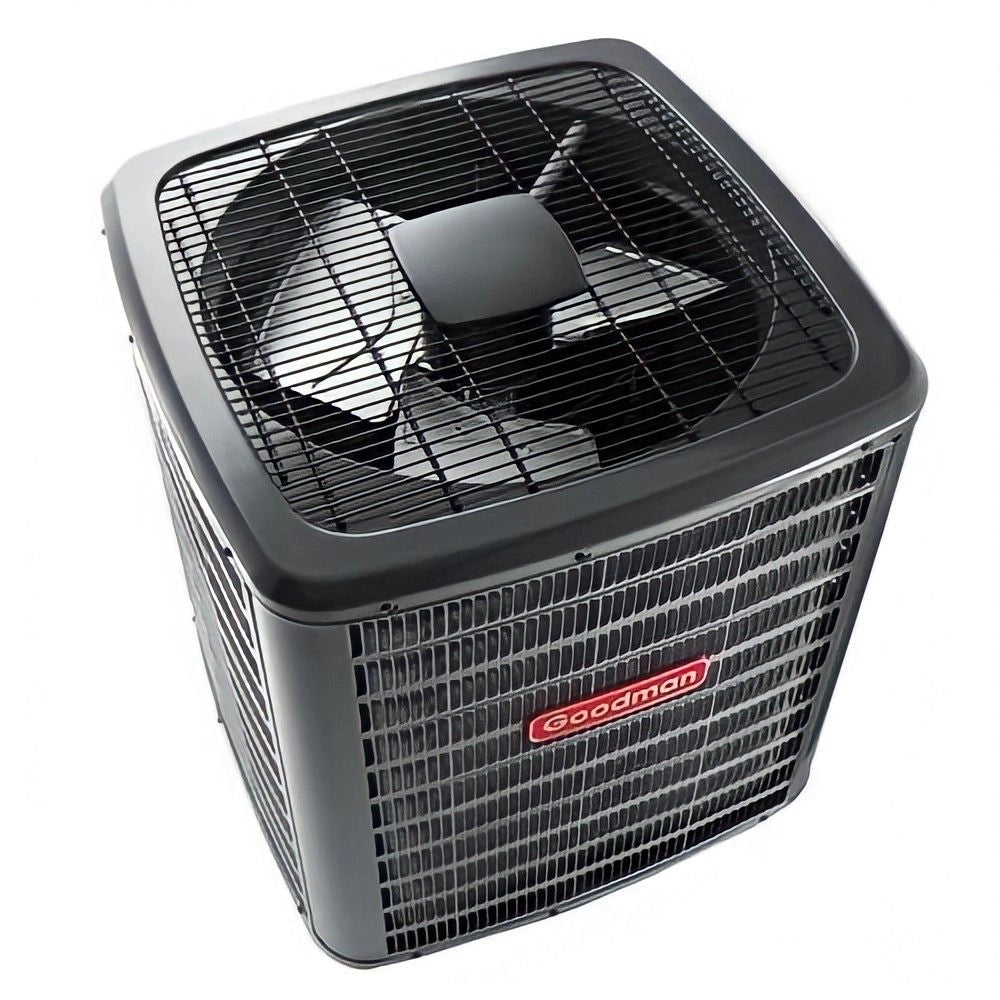
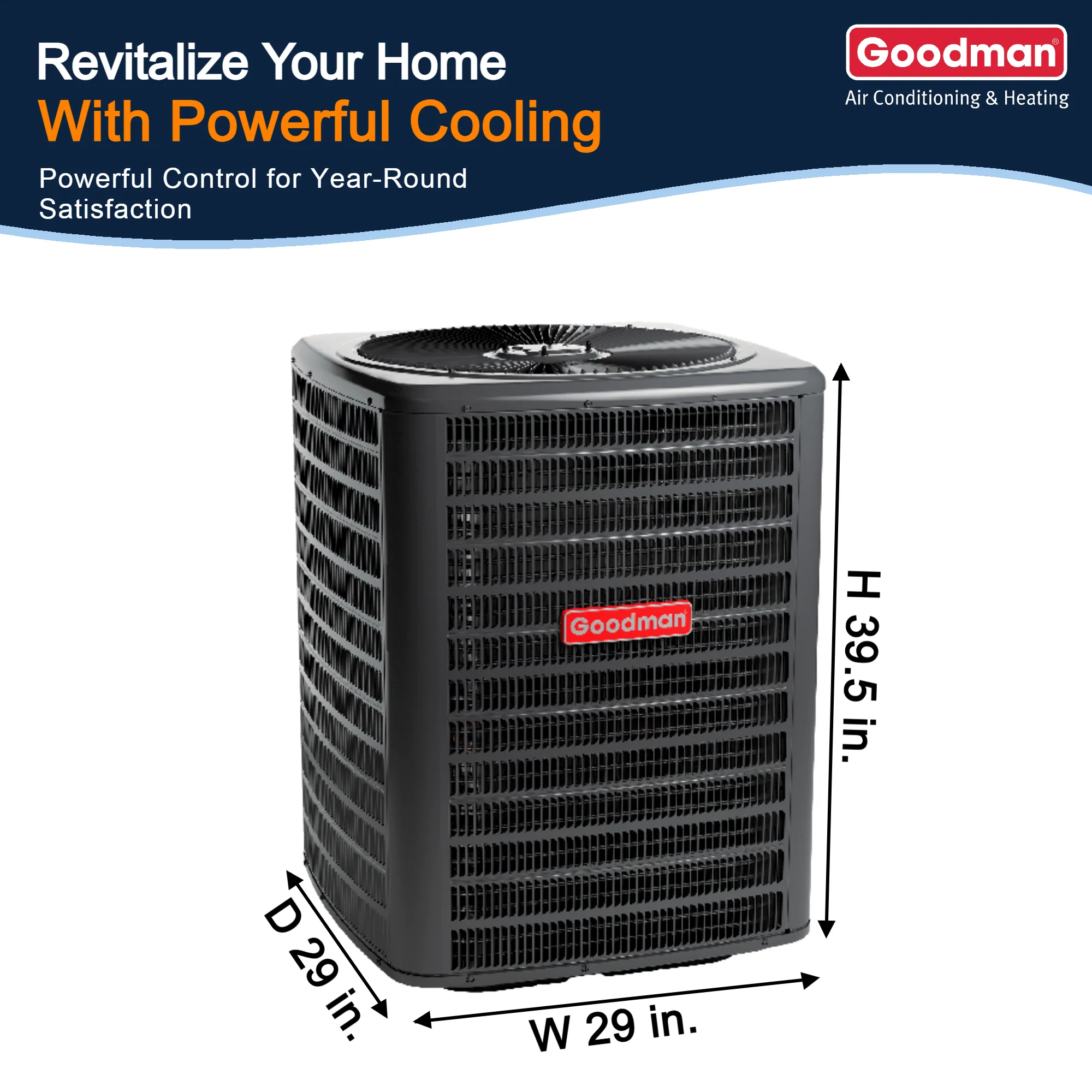
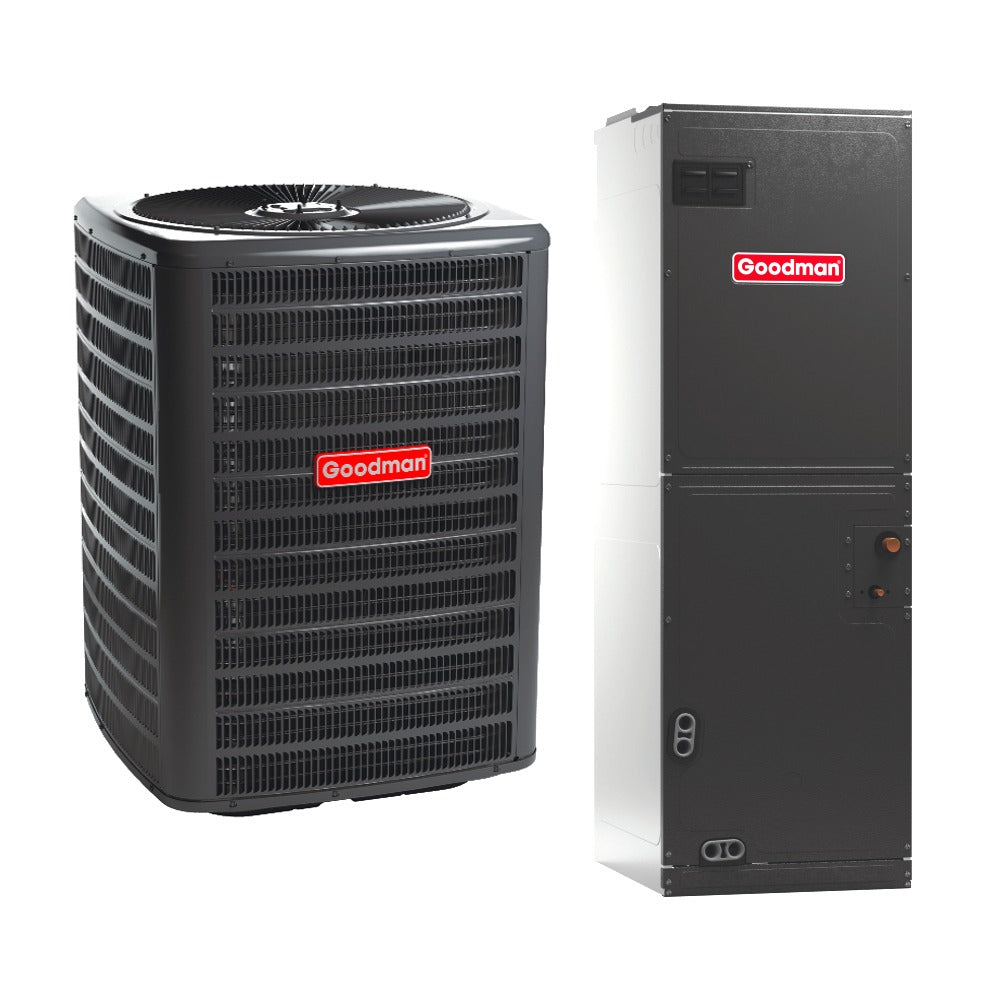
But first, the pillar of today’s conversation and the inspiration for this blog: the Goodman 3 Ton 14.5 SEER2 R32 bundle, available right here on The Furnace Outlet. If you need a powerhouse HVAC system for medium–large zones, this one’s a star. You can check it out right here at The Furnace Outlet’s product page (this is not counted as one of our 4 outside links).
This bundle is proof that large-scale and small-scale AC systems each have their role—but today, I’m zooming in on compact.
Why the Smallest Mini Split Systems Are Changing the HVAC Game
We used to believe big spaces required big machines. But then innovation happened. Suddenly:
-
You don’t need giant ductwork.
-
You don’t need a 240v hookup for smaller rooms.
-
You don’t need an oversized HVAC investment if your room isn’t oversized.
Modern homes aren’t always sprawling castles anymore. The rise of efficient architecture has increased demand for:
-
studio apartments
-
tiny houses
-
cottages
-
cabins
-
garages
-
converted sheds
-
attics and basements
-
offices
-
sunrooms
-
RVs
And those spaces aren’t just looking for cooling—they’re looking for efficiency.
Cue the smallest mini split AC units, whisper-quiet systems packing energy savings and comfort into a compact frame.
Let’s Answer the Big Question:
What is the Smallest Mini Split Air Conditioner You Can Buy?
Mini splits are measured in both BTU capacity and voltage requirements. The smallest mini split air conditioner systems usually fall in these ranges:
-
6,000 to 9,000 BTUs for small spaces
-
110v mini split AC for easier power compatibility
-
Single-zone installation for direct cooling
That means even if you’re cooling a bedroom, garage, office, or studio, you can install a smallest mini split unit without rewiring your whole house.
The Beauty of the 110v Mini Split Heat Pump
Heat pumps deserve their own spotlight. For small spaces, a 110v mini split heat pump is like having two superhero powers:
-
Cools in summer
-
Heats in winter
And unlike old-school window AC units, mini splits don’t hog energy or bill you like your electricity costs are optional. That’s why homeowners love them for seasonal living.
And yes—110v matters.
110v mini split AC systems:
-
Plug into standard power setups
-
Avoid the need for electrical upgrades
-
Are perfect for remodels and add-ons
-
Work in nearly ANY residential space
Want proof? Look at how the U.S. Department of Energy breaks down energy efficiency for ductless systems in their ductless mini split guide on the U.S. Department of Energy website.
How Many BTU Do You Need?
This is the question everyone asks when they’re researching the smallest ductless mini split or the smallest mini split ac unit:
For 500 sq ft:
A mini split for 500 sq ft will usually fall around 6,000–9,000 BTU.
For 1000 sq ft:
A mini split 1000 sq ft room needs around 12,000–18,000 BTU.
Here’s a general cheat sheet:
| ROOM SIZE | RECOMMENDED BTU |
|---|---|
| 300–500 sq ft | 6,000–9,000 BTU |
| 500–800 sq ft | 9,000–12,000 BTU |
| 800–1,000 sq ft | 12,000–18,000 BTU |
If you go too small, you overwork the unit.
If you go too large, you waste money and efficiency.
The sweet spot is different for every homeowner—which is why compact units exist.
Why Mini Splits Are Outselling Window Units and Portable AC
Let’s be honest—window AC units are loud, inefficient, block sunlight, and break down fast. Portable ACs are better but still not ideal. Mini splits are like the Tesla of small HVAC:
-
Quiet
-
Efficient
-
Ductless
-
Sleek
Plus, they’re smart home compatible.
Don’t believe me? Energy Star breaks down the savings and comfort difference in their air conditioner comparison charts on the Energy Star consumer resources page.
Why You Shouldn’t Overlook the Smallest BTU Mini Split
There are times when you don’t want a big system:
-
Home office
-
Workshop
-
Guest suite
-
Gaming room
-
Airbnb
-
Pool house
-
Patio enclosure
Oversizing causes:
-
Short cycling
-
Moisture issues
-
Uneven temperatures
So when you’re shopping for the smallest BTU mini split, don’t think small means weak. Small means optimized.
Let’s Talk Technology
Mini splits aren’t just tiny versions of central AC. These compact babes come with advanced features:
-
inverter compressors
-
wifi control
-
multi-speed fans
-
heat pump technology
-
quiet modes
-
eco-friendly refrigerants
Check the specs from an HVAC leader on the consumer HVAC guide on the HVAC.com learning center.
Who Needs a Smallest Mini Split 110v?
Small homes.
Converted rooms.
Manufactured homes.
Workshops.
Garages.
Granny flats.
Apartments.
These spaces don’t need 3-ton units. They need something nimble and flexible.
Just like the Goodman bundle on our pillar page solves bigger needs, the smallest mini split system solves a different problem.
Why 110v Beats 240v in Many Cases
Homeowners LOVE:
-
plug-in system capability
-
DIY installation potential
-
lower upfront electrical work cost
Most smaller mini splits need only 110v. And yes—contractors are seeing the trend shift away from bulky HVAC for small rooms.
The Smallest Ductless Mini Split Is Winning for a Reason
Ductless wins in four categories:
1. Efficiency
Up to 40% less energy usage than old school AC.
2. Installation
No ducting installation. Less drilling. Faster setup.
3. Control
Each room gets its own temperature control.
4. No Hot/Cold Spots
Mini splits equalize airflow.
If you’re looking for a place to compare brands, find differences, compare compressors, or explore specs, one of the best places to do that is on the residential HVAC review guides at the Consumer Reports HVAC resource hub.
Where Compact Cooling Makes the Biggest Impact
Here’s where the smallest mini split AC shines:
-
cottages
-
tiny houses
-
seasonal homes
-
sunrooms
-
renovations
-
basement conversions
-
office spaces
-
rental properties
And one more surprise:
RVs
RV air conditioners are inefficient and loud. Mini splits fix that.
Why Mini Splits Are the Future of Small Space Heating and Cooling
The HVAC industry has shifted. The focus isn’t just about “big.” It’s about:
-
smart
-
compact
-
low energy
-
high efficiency
Small spaces require a different type of engineering. And mini splits answered the call.
How Smaller Systems Compare to Central AC
Mini splits are taking on the giants. Here’s the reality:
| CENTRAL HVAC | MINI SPLIT |
|---|---|
| Ductwork | Ductless |
| More expensive | Lower cost |
| Harder install | Simple setup |
| Less efficient | Ultra-efficient |
| Whole home | Zoned room control |
It isn’t either/or.
It’s right size for the right job.
Why I Love Small HVAC
As “Savvy Mavi,” I’m obsessed with efficiency and value. I love:
-
no wasted space
-
no wasted money
-
no wasted energy
And that’s the heart of this movement.
What Makes the Smallest Mini Split AC System Good?
Let’s list out the must-haves:
-
high efficiency rating
-
low noise level
-
easy installation
-
reliable heating + cooling
-
compact interior unit
-
inverter technology
-
quality brand backing
And yes, brands matter.
The Goodman Tie-In
Goodman is famous in the HVAC world for making dependable systems—including the bigger 3-ton bundles like the one featured on The Furnace Outlet. Their systems prove the marriage of:
-
durability
-
technology
-
energy savings
So whether you’re buying compact or full-size, the brand behind the system matters.
The Final Verdict:
The Smallest Mini Split Is Winning the HVAC Race
If you need the smallest mini split unit or a compact 110v mini split heat pump for a small space, remember:
-
It’s not about size.
-
It’s about optimization.
-
It’s about efficiency.
-
It’s about comfort.
-
It’s about value.
And that’s where compact cooling shines.
The smallest mini split 110v isn’t just a trend.
It’s a revolution in residential HVAC.
From 500 sq ft rooms to 1000 sq ft open spaces, there’s a reason these systems are selling out everywhere.
If you decide a bigger cooling solution is what your space needs—check out the Goodman 3 Ton 14.5 SEER2 R32 bundle at The Furnace Outlet. They’ve curated some of the most efficient HVAC products for homes of every shape and size.
And when you’re ready to choose your smallest mini split AC system, you’re already more informed than 90% of shoppers.
Because now you know:
Bigger isn’t always better.
Smarter always is.
—Savvy Mavi