
In the modern home, air conditioning is no longer just about comfort — it’s about efficiency, cost-effectiveness, and environmental responsibility. Selecting an energy efficient air conditioner is critical for homeowners looking to reduce electricity bills, minimize environmental impact, and enjoy reliable cooling year-round.
Whether you are exploring energy efficient window air conditioners, high efficiency central AC units, or the most efficient air conditioning systems, understanding the technology, performance metrics, and installation considerations is essential. This guide covers everything you need to know to select the best energy efficient AC units for your home or office.
Why Energy Efficient Air Conditioning Matters
Air conditioning can account for up to 50% of household energy use during the summer in many regions of the United States. Choosing energy saving AC units not only reduces electricity consumption but also extends the life of your system and lowers your carbon footprint.
Key benefits include:
-
Reduced Energy Costs: Efficient systems convert electricity into cooling more effectively, minimizing waste.
-
Enhanced Comfort: High efficiency air conditioners maintain consistent temperatures with less fluctuation.
-
Environmental Impact: Lower electricity use reduces greenhouse gas emissions associated with power generation.
-
Compliance with Standards: Energy efficient systems meet or exceed modern energy codes and qualify for incentives or rebates.
For authoritative guidance on energy-efficient cooling, the U.S. Department of Energy offers comprehensive resources on air conditioning efficiency and best practices.
👉 (Source: DOE – Energy Efficient Cooling)
Understanding AC Efficiency Metrics
When evaluating the most efficient air conditioning units, several key metrics help quantify performance:
1. SEER (Seasonal Energy Efficiency Ratio)
SEER measures cooling efficiency over an entire season. The higher the SEER, the less energy is required to produce the same amount of cooling. For high efficiency AC units, a SEER of 16 or higher is recommended.
2. EER (Energy Efficiency Ratio)
EER measures efficiency under a specific set of conditions (typically 95°F outdoor temperature). It is particularly relevant for systems in consistently hot climates.
3. HSPF (Heating Seasonal Performance Factor)
For heat pump systems, HSPF indicates efficiency in heating mode. High HSPF values are desirable for dual-purpose systems that provide both heating and cooling.
4. ENERGY STAR Certification
Air conditioners with ENERGY STAR ratings are independently verified to meet strict energy efficiency criteria. This label is a reliable marker when seeking the best energy efficient air conditioner.
Types of Energy Efficient Air Conditioners
Energy efficiency is available across different AC system types. Understanding the options is essential for choosing the most energy efficient AC unit for your specific application.
1. Central Air Conditioning Units
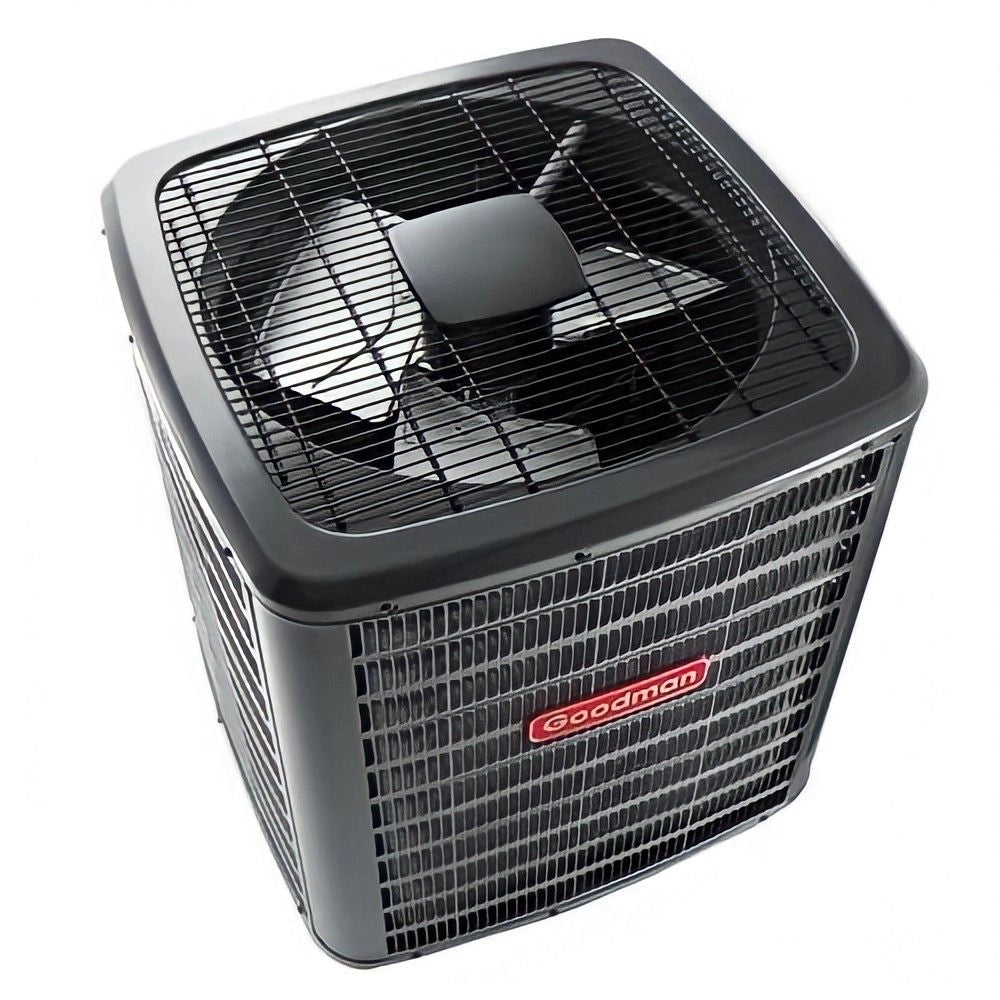
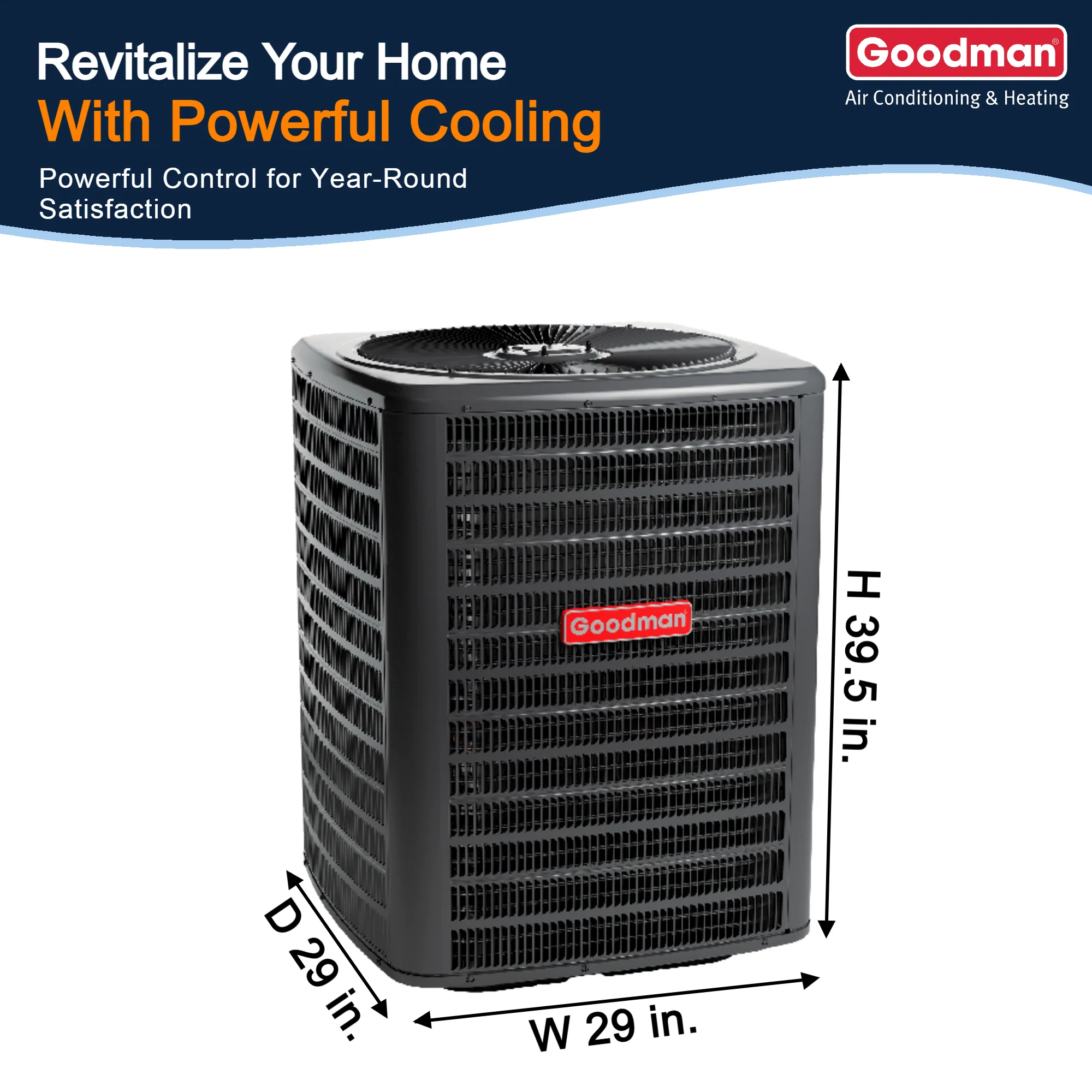
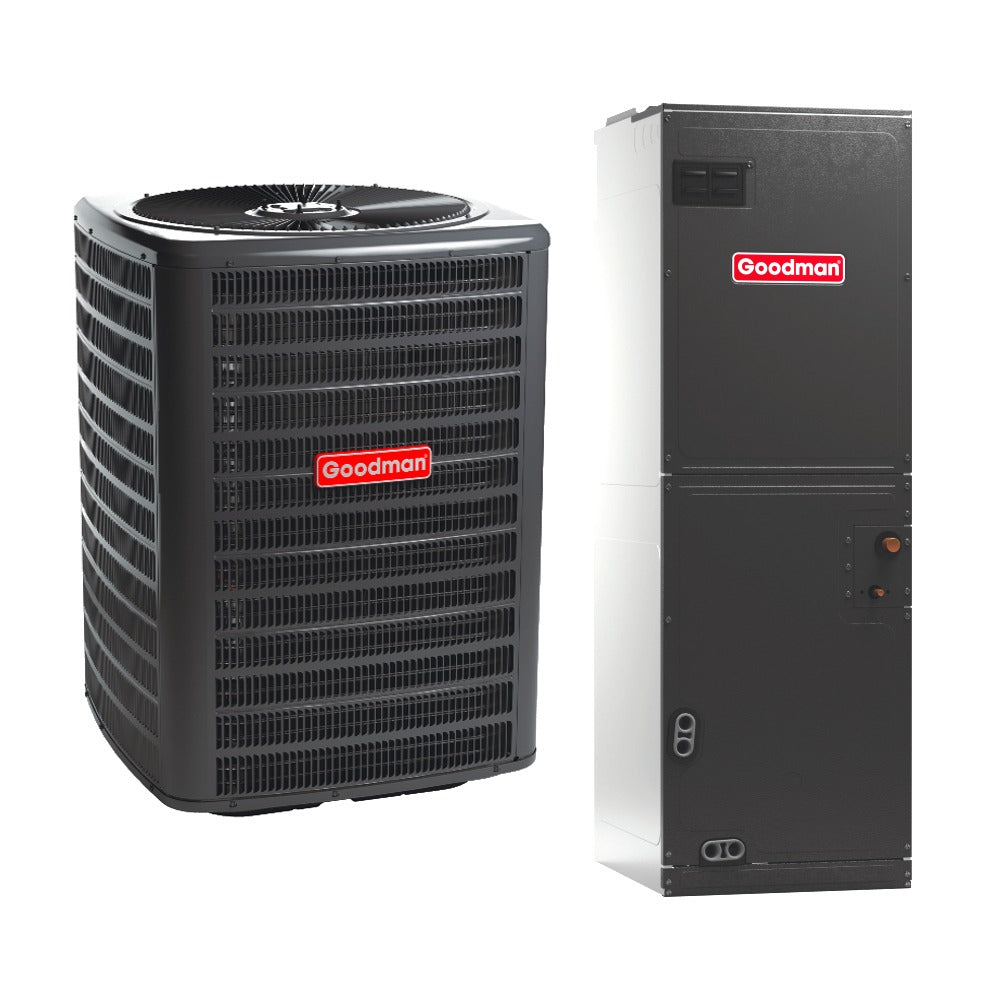
Energy efficient central AC units are ideal for whole-home cooling. Modern high-efficiency systems use variable-speed compressors and electronically commutated motors (ECM) for quiet operation and optimized energy use. Properly installed ductwork enhances performance and efficiency.
Key benefits of central AC include:
-
Consistent cooling across multiple rooms
-
Advanced thermostats with zoned control
-
Integration with existing heating systems, including heat pumps
The Air-Conditioning, Heating, and Refrigeration Institute (AHRI) provides standards and testing procedures to ensure accuracy in AC efficiency ratings.
👉 (Source: AHRI – Efficiency Standards)
2. Ductless Mini-Split Systems
Ductless systems provide cooling without extensive ductwork. Energy efficient AC units in this category often have inverter-driven compressors that modulate output based on demand, avoiding frequent on/off cycling that wastes energy.
Advantages:
-
Zone-specific cooling
-
High SEER ratings, often exceeding 20
-
Reduced duct losses and improved indoor air quality
Ductless systems are particularly effective for retrofits or homes without existing ducts.
3. Window Air Conditioners
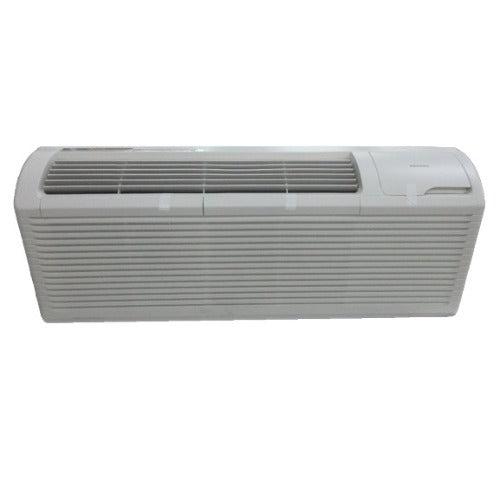
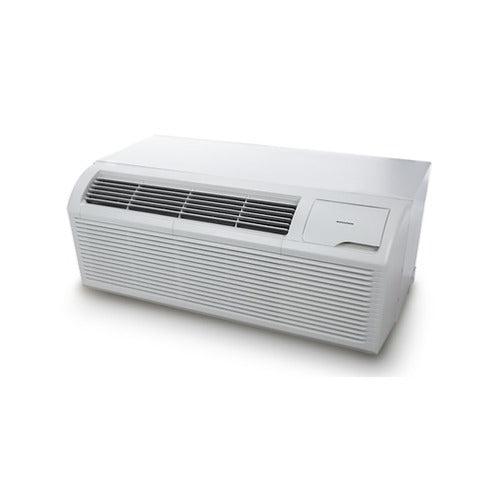
The latest energy efficient window air conditioners combine compact design with high-efficiency compressors and intelligent fan operation. Features that make high efficiency window AC units desirable include:
-
Energy-saving modes
-
Programmable timers
-
Enhanced insulation to prevent heat exchange
For small spaces or single-room applications, the most efficient window air conditioner provides a cost-effective solution without sacrificing performance.
4. Portable and Hybrid Systems
Though less common, portable AC units with inverter technology or hybrid configurations can achieve notable efficiency gains. When selecting energy efficient AC units, consider:
-
Noise levels
-
SEER or EER ratings
-
Proper sizing relative to room area
Determining the Most Efficient Air Conditioning System
Selecting the most efficient air conditioning system depends on several factors:
-
Climate: Hot, humid regions benefit most from high SEER central systems.
-
Home Size and Layout: Larger homes may require central AC, while smaller spaces can use energy efficient window air conditioners.
-
Ductwork: Leaky or poorly designed ducts reduce efficiency, even with high-efficiency units.
-
Thermostat Technology: Smart thermostats optimize cooling cycles and reduce unnecessary operation.
-
Compressor Type: Multi-stage or variable-speed compressors improve AC efficiency and reduce wear.
Energy-Saving Tips for Homeowners
Beyond system selection, energy efficient air conditioning depends on proper operation and maintenance:
-
Set a Reasonable Temperature: 78°F in summer for cooling and 68°F in winter for heating minimizes energy use.
-
Regular Filter Replacement: Dirty filters reduce airflow and efficiency.
-
Seal Leaks: Windows, doors, and ducts should be properly sealed to prevent conditioned air loss.
-
Shade Your Home: Direct sunlight can increase AC load. Consider shading or reflective films.
-
Routine Maintenance: Annual inspection of coils, fans, and refrigerant levels maintains optimal air conditioning efficiency.
Energy Star provides detailed guidance for homeowners seeking to reduce energy consumption and improve system efficiency.
👉 (Source: Energy Star – Energy Efficient Cooling Practices)
The Role of High-Efficiency Components
Variable-Speed Compressors
Variable-speed compressors adjust cooling output to match real-time demand. This reduces energy use and ensures more consistent indoor temperatures, making them a hallmark of the most energy efficient AC units.
ECM Blower Motors
Electronically commutated motors optimize airflow while consuming less energy. For central AC units, this technology contributes significantly to quiet central AC units and improved efficiency.
Advanced Coil Design
High-efficiency condensers and evaporator coils maximize heat transfer, improving cooling capacity without increasing energy consumption.
Top Rated Energy Efficient Air Conditioners
When selecting the best energy efficient air conditioners, look for:
-
ENERGY STAR certification
-
High SEER and EER ratings
-
Variable-speed or multi-stage compressors
-
Proven reliability through independent testing
-
Positive consumer and contractor reviews
For official guidance on evaluating and comparing systems, consult resources provided by Energy Star.
👉 (Source: Energy Star – Air Conditioners)
Comparing Central AC vs Window AC Efficiency
| System Type | SEER Range | Best Use Case | Efficiency Advantage |
|---|---|---|---|
| Central AC | 16–22+ | Whole-home | Variable-speed compressors, zoned thermostats |
| Window AC | 12–16 | Single room | Compact, high-efficiency inverter models |
| Ductless Mini-Split | 18–24+ | Zone cooling | No duct loss, variable-speed efficiency |
By understanding your home’s cooling needs, you can choose the most energy efficient air conditioning unit that balances upfront cost with long-term savings.
Quiet Operation and Energy Efficiency
Modern energy efficient central AC units are designed not only for low energy use but also for minimal noise. Advanced compressor and fan technologies ensure quiet central AC units, providing a comfortable environment without intrusive operational noise.
Key benefits:
-
Lower noise levels improve quality of life
-
Smooth operation reduces energy spikes
-
Supports nighttime cooling without disturbance
Conclusion
Investing in high efficiency air conditioning delivers comfort, cost savings, and environmental benefits. From energy efficient window air conditioners to the most efficient central air conditioning systems, the right choice depends on home size, climate, ductwork, and desired features. To explore energy-efficient AC options, visit The Furnace Outlet.
By prioritizing AC efficiency, leveraging advanced compressor and fan technologies, and maintaining systems properly, homeowners can enjoy:
-
Reduced energy bills
-
Consistent indoor comfort
-
Quiet operation
-
Long-term system reliability
Whether upgrading a single room or installing a high efficiency central AC unit for a whole home, selecting the best energy efficient AC units ensures a balance of performance, cost-effectiveness, and sustainability for years to come.