
When you’re investing in a major home system like a central air conditioner, you want two things: performance you can count on and a clear understanding of what happens when parts wear out or fail. In this long‑form guide — written as only I, Mark Callahan, would deliver — I’m going to unpack the Goodman 3‑Ton 14.5 SEER2 R‑32 Bundle you see on The Furnace Outlet, and I’m going to go deep on the compressor: how you fix air conditioner compressor issues, what repair is really possible, and when you cross that line into full replacement or pro service territory.
This is not fluff. This is practical, grounded, technical guidance that homeowners can use to understand both the system you’re buying and what to do when compressor problems arise — framed in a way that explains repair options, limitations, safety considerations, and professional standards.
Why the Goodman 3‑Ton 14.5 SEER2 R‑32 Bundle Matters
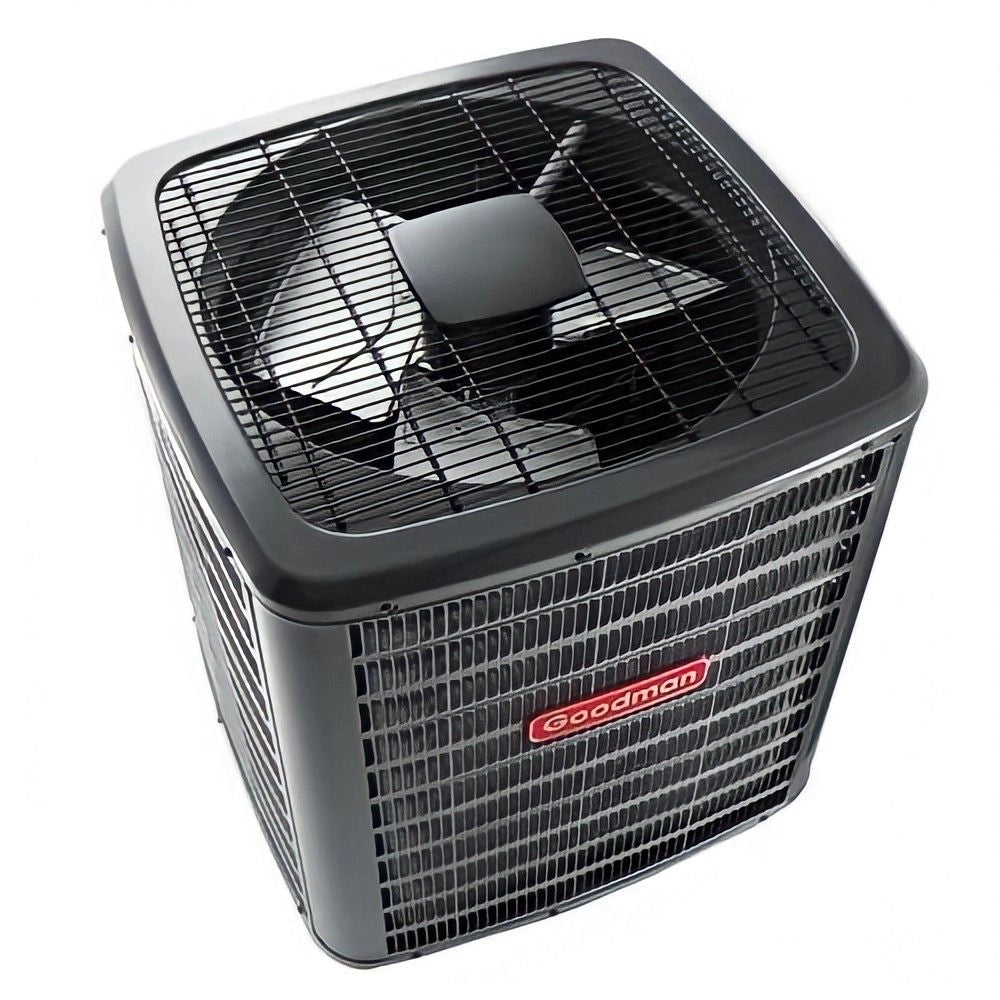
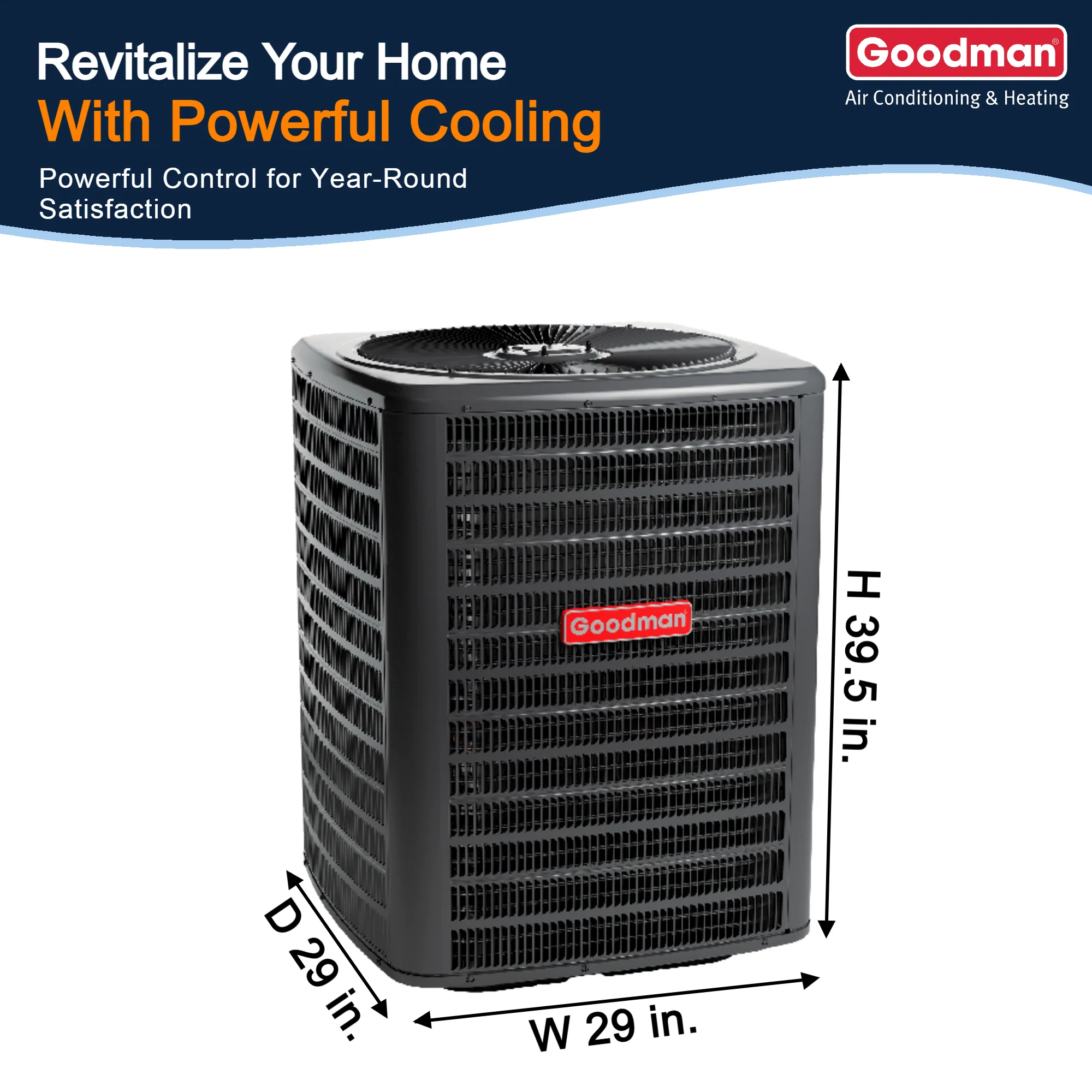
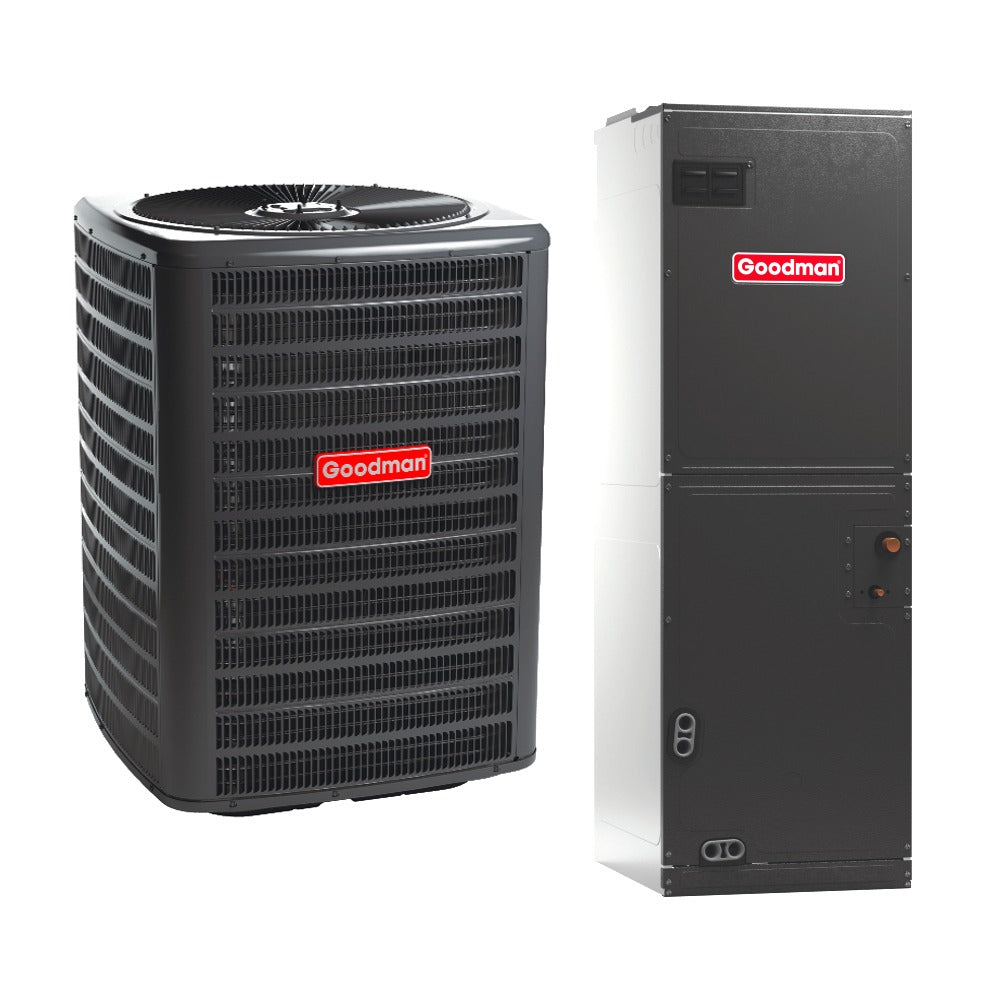
First things first: the bundle you see on The Furnace Outlet is not just a random collection of parts. It’s a factory‑matched central air conditioning system consisting of:
-
An outdoor condenser unit with a scroll‑type compressor built for resilience and straightforward serviceability, and
-
An indoor air handler/coil that’s matched at the factory so the refrigerant charge, airflow, and heat exchange balance is optimized.
When I look at systems in the field, the difference between matched assemblies and pieced‑together components is not subtle — it’s dramatic. Matched systems deliver predictable operation, better efficiency, fewer callbacks, and fewer premature failures. A mismatched system can mask inefficiencies, reduce compressor life, and create a cascade of problems that show up as central air compressor repair issues later.
The three‑ton capacity and 14.5 SEER2 rating strike a practical balance for many mid‑sized homes — neither overpaying for ultra‑high efficiency nor underinvesting in a unit that’ll struggle in hot weather. The R‑32 refrigerant improves ecological performance and is part of modern compliance standards being phased into new equipment.
But let’s talk about the component that most technicians see fail over time: the compressor.
The Compressor Is the Heart — and Its Failures Are Not All the Same
When homeowners ask, “how to repair air conditioner compressor?” or “how do I fix my AC compressor?” it’s usually because their system suddenly stopped cooling or is making strange noises. But fixing a compressor isn’t always what you think it is.
In technical terms, central AC compressors are sealed units — that means their internal moving parts are not serviceable in the field like a fan motor or fan blade. A compressor failure can manifest for many reasons, and sometimes the compressor itself is not the true source of the problem.
Let’s walk through the reality of what can be fixed on a compressor and what cannot — and that’s critical before you start throwing parts at the problem.
What Can Be Done to Fix an AC Compressor
When the symptom is a malfunctioning compressor, most of the central air compressor repair work falls into the following categories:
1. Replace Accessory Components — When the Compressor Isn’t Really Bad
A surprising number of “compressor failures” come from supporting components such as the start capacitor, contactor, or relay. These parts give the compressor the electrical boost it needs to start and run. When they fail, the compressor motor may hum but not turn, trip breakers, or refuse to engage — symptoms that mimic a bad compressor.
Replacing a bad start/run capacitor or contactor often fixes the symptom without touching the compressor itself, and this is one of the most common ways technicians perform central air compressor repair in the field. (Airflow Heating & Air)
2. Correct Refrigerant Issues
Low refrigerant (due to leaks) can stress a compressor and cause overheating, erratic operation, or failure to start. Locating and repairing refrigerant leaks, then recharging the correct refrigerant type and amount, often restores normal pressures and reduces compressor load — sometimes eliminating the “compressor problem” entirely. (Stanley HVAC)
3. Improve System Airflow and Clean the Outdoor Unit
Dirty coils, blocked airflow around the condenser, or restricted return airflow dramatically increase compressor workload. Simple cleaning of condenser fins or clearing debris from around the unit can improve heat rejection and reduce stress on the compressor.
These are the types of repairs that can ease compressor stress and are sometimes what homeowners have in mind when they ask “how to repair air conditioner compressor.”
It’s important to stress: even when you can fix these related issues, caution and correct procedure matter. Something as simple as incorrectly handling electrical parts or refrigerant can be dangerous or illegal without certification.
What Cannot Be Repaired Without Full Replacement
Once you dig into the sealed compressor assembly itself, repair options dwindle:
-
If internal motor windings are burned,
-
If scroll elements are damaged,
-
If internal valves have failed, or
-
If bearings or shafts have worn,
…then the compressor itself is not serviceable. In these cases, the only viable option is compressor replacement or full unit replacement because these are sealed refrigerant‑circuit components and cannot be taken apart on site without specialized facilities and EPA‑certified recovery.
That’s why even professional HVAC techs talk about repairing the compressor in terms of replacing it as a whole — not fixing the internal parts. The sealed nature of modern compressors demands replacement rather than repair.
Here’s where the economics come into play: replacing a compressor alone can often cost hundreds to over a thousand dollars; sometimes it makes more sense to replace the entire outdoor unit or the matched system, especially if the system is older or inefficient. (The Spruce)
Step‑by‑Step: What Happens When You Call for HVAC Compressor Repair
When a homeowner calls a reputable HVAC pro for compressor issues, the technician generally does the following:
-
System Diagnosis and Confirmation:
The first step is to confirm that the compressor is actually the problem and not a supporting component or airflow issue. Professionals use diagnostic tools to test voltage, amperage draw, refrigerant pressures, and control circuitry before condemning the compressor. An incorrect diagnosis can lead to an unnecessary compressor replacement. -
Electrical and Component Testing:
Technicians test capacitors, contactors, relays, fuses, wiring, and control boards. If these parts are faulty or marginal, replacing them often restores compressor function without opening the sealed refrigerant loop. -
Refrigerant Recovery (If Needed):
If work involves opening the refrigerant circuit or replacing a compressor, certified recovery of existing refrigerant using EPA‑approved equipment is mandatory before any repair or installation can proceed. -
Component Replacement:
Professional HVAC compressor repair may involve replacing the compressor itself, the run capacitor, the contactor, or wiring. Compressor replacements also require installing a new filter‑drier and often an expansion device to ensure clean operation. -
Leak Testing and Line Evacuation:
After replacement, technicians evacuate air and moisture with a vacuum pump and recharge with the correct refrigerant charge, following manufacturer specifications. -
System Testing:
Finally, the tech puts the system under load to confirm pressures, temperature differential, and current draw. This ensures that the repair actually fixed the issue and that the compressor is operating within specification.
Most homeowners are relieved to know that not every compressor issue is doom and gloom, but the vast majority of significant repairs on the compressor itself must be done by certified professionals — and for good reason.
When Should You Call a Professional vs. Trying Basic Fixes?
There’s no shame in knowing your limits. When homeowners ask “how to repair air conditioner compressor,” I break the field into two categories:
Homeowner‑Safe Tasks
These are preparatory actions that support compressor operation without entering the sealed system:
-
Turn off power and clean debris from the outdoor unit and condenser fins.
-
Check and reset tripped breakers.
-
Inspect visible wiring and tighten accessible connections (with power off).
-
Check for obvious refrigerant line oil stains that might indicate leaks (note leaks must be diagnosed and repaired by a technician).
These actions do not require sweeping into the sealed unit and can sometimes resolve issues that cause compressor strain.
Professional‑Only Tasks
Any work that involves:
-
Opening the sealed refrigerant circuit,
-
Handling or charging refrigerant,
-
Internal compressor diagnosis,
-
Replacement of sealed‑system components, or
-
Complex electrical work inside the condenser panel
…should be left to a licensed HVAC technician. This protects your safety, your system’s warranty, and compliance with regulations. (Trane)
How the Goodman 3‑Ton 14.5 SEER2 R‑32 Bundle Helps Reduce Compressor Issues
A matched system like the Goodman bundle you see on The Furnace Outlet is designed to minimize the very stressors that lead to compressor problems in the first place:
-
Proper matched refrigerant charge means the compressor doesn’t work harder than necessary.
-
Balanced airflow reduces overheating and short cycling.
-
R‑32 refrigerant improves thermodynamic efficiency and reduces compressor load relative to some legacy refrigerants.
The design focus underlying this bundle is serviceability and routine maintenance access, meaning that central air compressor repair work is easier and more dependable when required, versus older or mismatched systems with convoluted access points.
That doesn’t mean this system never needs service — no HVAC system does — but it does mean that good installation and seasonal maintenance are your best defenses against premature compressor failure.
When Replacement Beats Repair
Even after all the repair guidance above, there comes a point where it no longer makes economic sense to keep repairing an aging compressor. Many HVAC pros use a simple rule of thumb: if the age of the system, frequency of repairs, and projected repair cost exceed reasonable investment thresholds, replacing the entire condenser or the matched system can offer better long‑term value.
Systems near the end of their expected life — often around 12‑15 years — will have compressors that are harder to repair economically and offer diminishing returns when fixed. In those cases, investing in a modern matched system like the Goodman 3‑Ton 14.5 SEER2 R‑32 bundle often delivers better performance, lower energy costs, and improved comfort.
Wrapping It All Together: Real Talk on Compressor Repair and System Choice
Here’s the bottom line for homeowners who care about performance, reliability, and long‑term costs:
-
Fixing an AC compressor is often less about the compressor itself and more about diagnosing and correcting related causes like capacitors, contactors, refrigerant balance, and airflow restrictions.
-
True compressor repair in the sealed unit usually means compressor replacement — a job for a professional.
-
Matched systems like the Goodman 3‑Ton 14.5 SEER2 R‑32 bundle reduce stress on the compressor and make professional service more straightforward when it’s needed.
-
Routine maintenance matters — annual inspections can catch weak components before they become catastrophic failures.
Understanding these realities will help you make smarter decisions — whether you’re planning a new installation, troubleshooting a compressor issue, or comparing repair versus replacement economics.