
If you’ve ever searched for the Rheem furnace reset button location or wondered how to reset a Rheem furnace, chances are something went wrong at the worst possible time—usually when the house is cold and patience is thin. Reset buttons tend to get attention only when a heating system stops doing its job.
But here’s the Savvy Mavi truth: a reset button is not the problem. It’s a messenger.
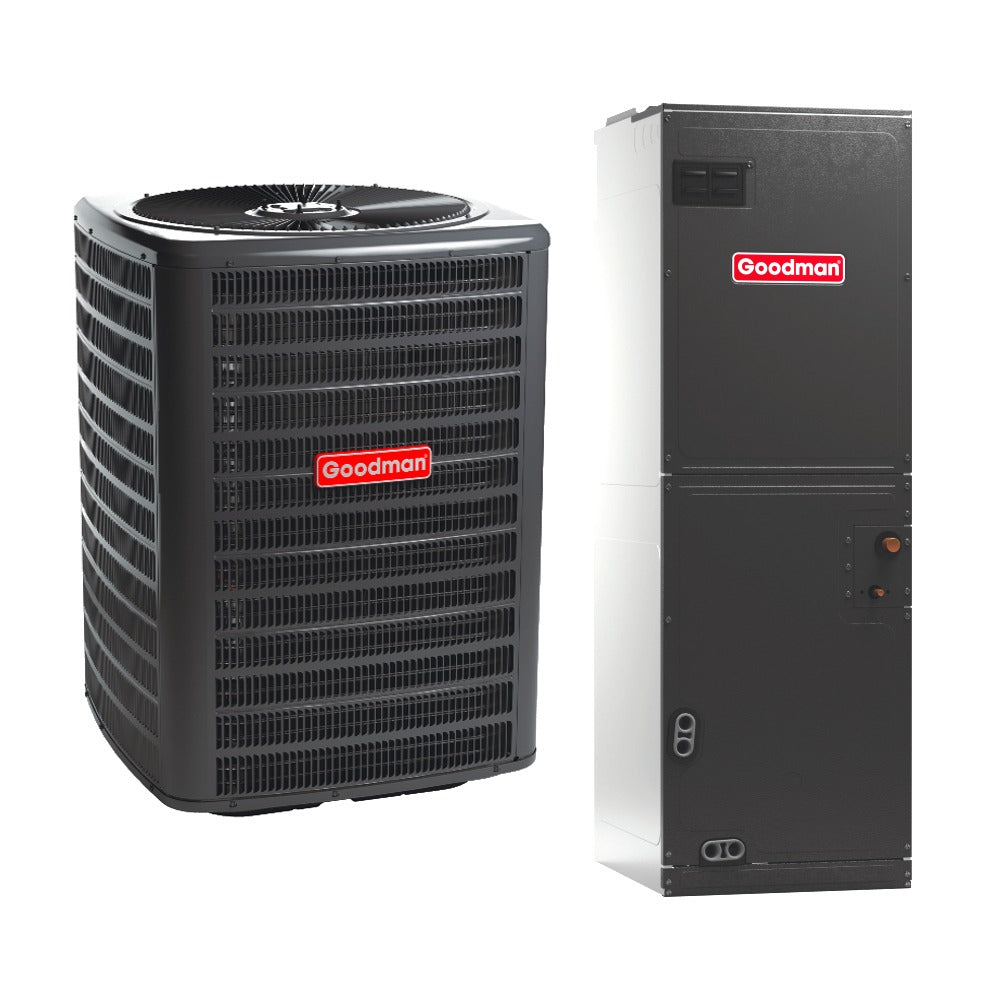
Understanding what that message means—and how modern electric furnaces like the Goodman MBVK electric furnace are designed to reduce reset-related headaches—can save you stress, money, and unnecessary service calls.
Let’s break this down clearly, safely, and without guesswork.
Why Furnace Reset Buttons Exist in the First Place
Before we zero in on the Rheem furnace reset button, it helps to understand what a reset button actually does.
A reset button is a manual safety override. When a furnace detects an unsafe condition—such as overheating, electrical overload, airflow restriction, or ignition failure—it shuts itself down to prevent damage or danger. The reset button allows the system to restart after the issue is resolved or temporarily clears.
This concept applies across brands, fuel types, and system designs.
Gas furnaces, oil furnaces, and electric furnaces all rely on safety circuits. The difference lies in what triggers those circuits and how often homeowners encounter them.
Rheem Furnace Reset Button: What Homeowners Commonly Experience
Rheem furnaces are widely installed and generally reliable, but homeowners frequently search for the Rheem furnace reset button location because their system has stopped heating and they want fast answers.
Where Is the Rheem Furnace Reset Button Located?
In most Rheem furnaces, the reset button is located:
-
Near the blower motor housing
-
On or near the limit switch
-
Inside the burner compartment (gas models)
-
On the control board or motor assembly
The button is typically red or yellow and may be recessed, requiring a firm press.
That said, the exact Rheem furnace reset button location varies by model, fuel type, and age of the system. Some newer models rely more heavily on automatic resets or diagnostic codes rather than a traditional push-button design.
This variability is one reason homeowners get frustrated—and why resets should never be treated as a routine fix.
How to Reset a Rheem Furnace (Safely)
If you’re dealing with a system shutdown, understanding how to reset a Rheem furnace properly matters.
The general process looks like this:
-
Turn the thermostat to OFF
-
Shut off power at the furnace or breaker
-
Wait several minutes to allow the system to cool
-
Locate the Rheem furnace reset button
-
Press the button firmly once (never repeatedly)
-
Restore power and return the thermostat to HEAT
If the furnace runs normally afterward, the reset cleared a temporary condition. If it trips again, the system is telling you something important—and continuing to reset it can cause damage.
Organizations such as the Consumer Product Safety Commission emphasize that repeated resets indicate unresolved safety issues and should not be ignored.
Why Reset Buttons Trip So Often on Fuel-Burning Furnaces
Here’s where Savvy Mavi pulls back the curtain.
Many reset-related problems stem from combustion-based heating. Gas and oil furnaces, including Rheem models, depend on:
-
Burners
-
Flame sensors
-
Heat exchangers
-
Exhaust venting
-
Combustion air
Each of these components introduces potential failure points. When airflow drops, burners overheat, or ignition falters, safety limits trip—and the reset button becomes the star of the show.
This is exactly where electric furnaces tell a different story.
Enter the Goodman MBVK Electric Furnace
The Goodman MBVK electric furnace is designed around a fundamentally simpler heating principle: electric resistance heat.
No flame.
No fuel.
No combustion gases.
No ignition system.
That simplicity dramatically changes how safety systems behave—and how often homeowners ever think about reset buttons.
How the Goodman MBVK Reduces Reset-Related Problems
Electric furnaces still use safety controls, but the triggers are different—and far less volatile.
Fewer Heat Spikes
Electric heating elements warm gradually and evenly. There’s no flame flare-up or delayed ignition, which means fewer sudden temperature spikes that could trip a limit switch.
No Combustion Air Issues
A Rheem gas furnace reset button often trips due to restricted combustion airflow. The MBVK eliminates that entire category of problems.
Cleaner Electrical Load Management
The MBVK uses staged electric heat kits designed to match the home’s heating demand. When installed correctly, electrical overloads are far less common.
According to technical guidance published by ASHRAE, electric resistance heating systems tend to experience fewer safety interruptions related to airflow and combustion irregularities.
Reset Buttons Still Exist in Electric Furnaces—But They Behave Differently
Let’s be clear: the Goodman MBVK electric furnace still has safety limits and protective devices. Electric furnaces are not immune to problems.
However, when an MBVK shuts down, it’s usually due to:
-
Severe airflow restriction
-
Electrical supply issues
-
Blower motor malfunction
-
Control board faults
These conditions are less frequent and often easier to diagnose than combustion-related faults.
Unlike homeowners constantly searching for how to reset a Rheem furnace, MBVK owners typically encounter fewer emergency shutdowns.
Airflow: The Common Thread Between Rheem and Goodman Systems
Whether you’re dealing with a Rheem gas furnace reset button or an MBVK electric furnace, airflow remains critical.
Blocked filters, collapsed ductwork, or closed vents can cause overheating in any forced-air system.
The difference is how fast things escalate.
In gas systems, restricted airflow can cause rapid heat buildup near the burners. In electric systems, temperature rises more slowly, giving safety controls more time to respond without abrupt shutdowns.
The U.S. Department of Energy consistently highlights proper airflow and filter maintenance as one of the most important factors in furnace reliability—regardless of fuel type.
Why Repeated Resets Are a Warning Sign, Not a Fix
One of the most dangerous habits homeowners develop is treating reset buttons like a normal control.
If you’re pressing the Rheem furnace reset button more than once in a season, something is wrong.
Common underlying causes include:
-
Failing blower motors
-
Dirty heat exchangers
-
Electrical shorts
-
Oversized or undersized systems
-
Improper installation
The same philosophy applies to electric furnaces, even though they reset less often. A reset should restore operation—not become part of your routine.
Comparing Long-Term Reliability: Rheem Gas vs. Goodman MBVK Electric
Both brands build solid equipment, but system design matters.
Gas Furnace Reality
Gas furnaces offer strong heat output but require:
-
Annual combustion inspections
-
Sensor cleaning
-
Venting checks
-
Ignition maintenance
Each service point introduces potential reset scenarios.
Electric Furnace Advantage
The Goodman MBVK eliminates entire categories of failure:
-
No flame sensors
-
No igniters
-
No exhaust systems
-
No carbon monoxide risk
This translates to fewer shutdowns, fewer reset events, and more predictable operation over time.
ENERGY STAR program data supports the idea that simpler system designs often result in lower long-term maintenance complexity.
When Homeowners Move from Rheem to Electric Furnaces
Many homeowners who upgrade to an electric furnace do so after years of reset frustration.
Common motivations include:
-
Frequent winter shutdowns
-
Safety concerns
-
Rising maintenance costs
-
Desire for cleaner indoor air
-
Pairing with a heat pump
The Goodman MBVK is especially attractive in these transitions because it integrates seamlessly into modern HVAC configurations without forcing major duct changes.
Reset Buttons in the Age of Smart Diagnostics
Modern furnaces—both gas and electric—are evolving toward diagnostic codes and smart controls.
Instead of guessing why a system shut down, homeowners and technicians can now read fault codes that explain the issue directly.
The MBVK’s compatibility with advanced air handlers and controls positions it well for this future, reducing reliance on manual resets altogether.
This is an important shift away from the anxiety-driven searches for Rheem furnace reset button location that dominate cold-weather internet traffic every winter.
Savvy Mavi’s Takeaway: Reset Less, Understand More
Reset buttons are not enemies—but they shouldn’t be your comfort plan.
If you find yourself regularly searching for how to reset a Rheem furnace, that’s your cue to step back and evaluate the system as a whole.
Electric furnaces like the Goodman MBVK don’t just heat differently—they behave differently. They simplify safety, reduce shutdown frequency, and align better with modern expectations of reliability and ease of ownership.
Understanding that difference empowers better decisions.
And better decisions lead to warmer homes, fewer interruptions, and a lot less crawling around the furnace room in the middle of winter.
That’s the Savvy Mavi way.