
When you’re standing in front of your outdoor air conditioning unit on a 90‑degree afternoon, watching fans spin but feeling warm air blow into your home, the feeling is unmistakable: something’s wrong. And more often than not, the heart of the problem — and the heart of the air conditioning system — is the compressor.
Homeowners rarely think about compressors until they fail. Yet understanding how to repair an AC compressor, when it’s a good idea to repair it, and when it’s not — can make a huge difference in cooling comfort, long‑term energy costs, and overall system reliability.
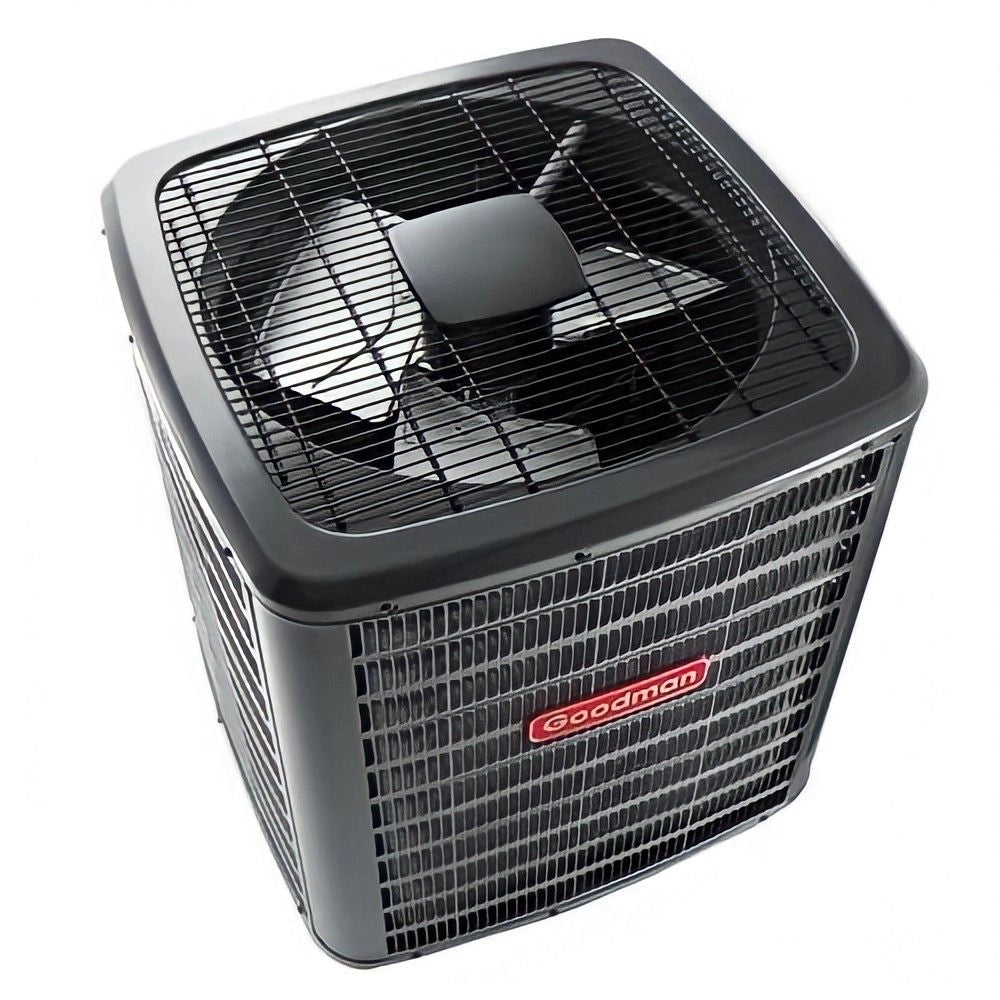
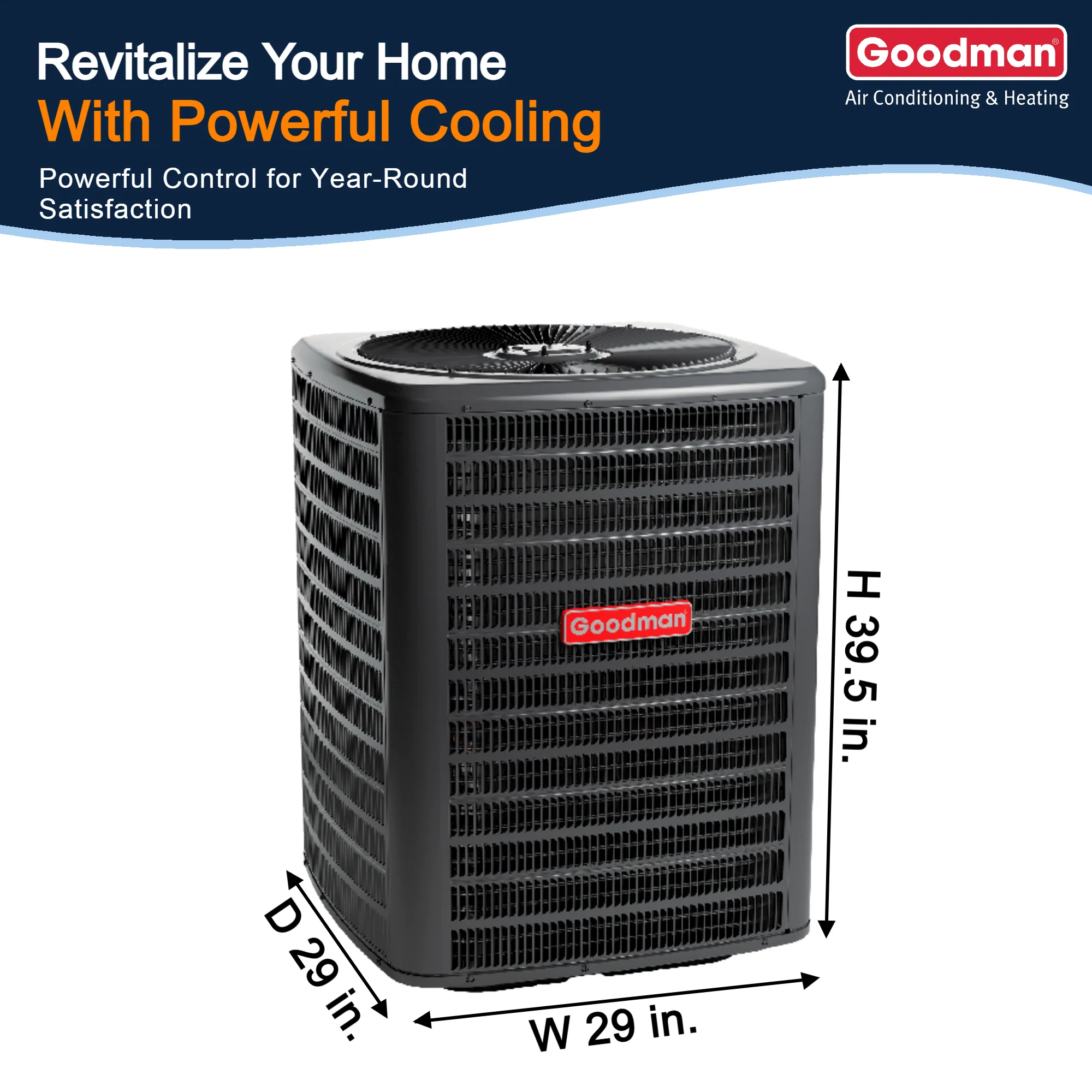
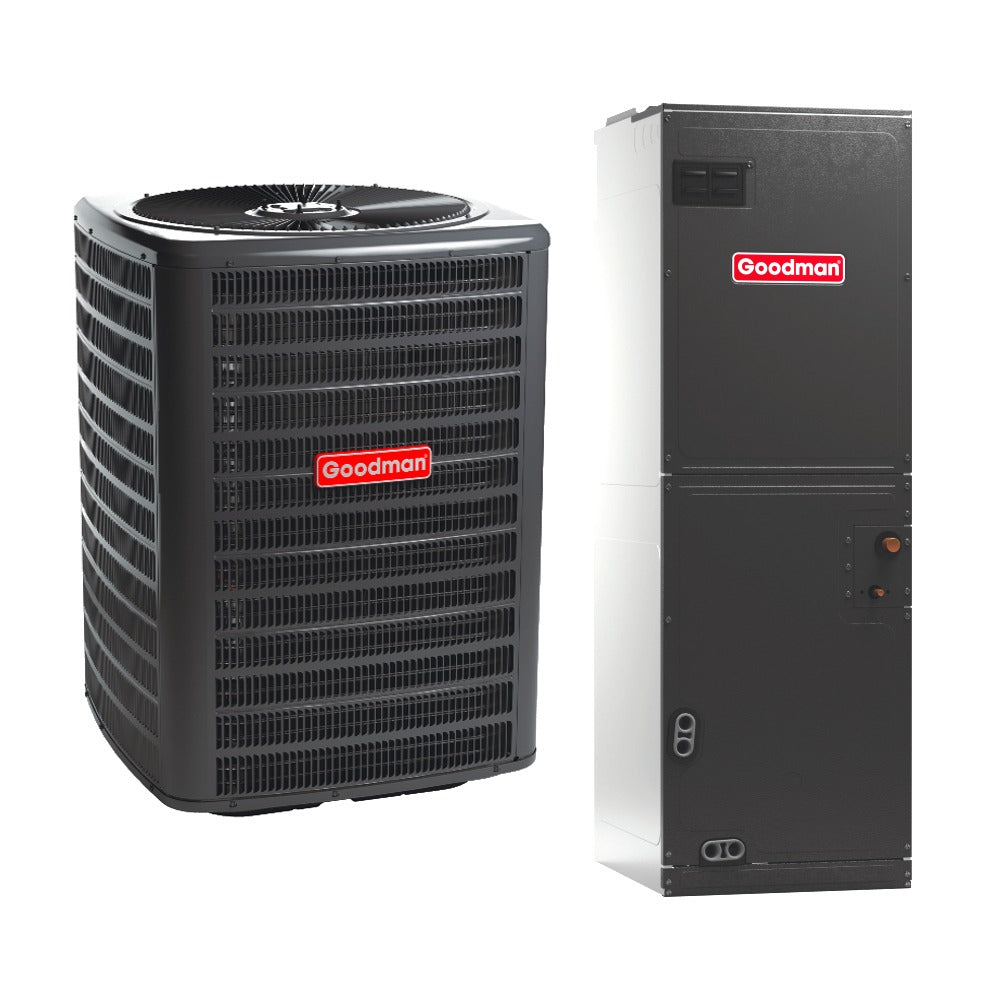
In this guide, we’ll examine common compressor issues and symptoms, outline real‑world repair strategies like fix air conditioner compressor and central air compressor repair, and help you weigh the difference between repair and replacement. Along the way we’ll look at a modern system benchmark — the Goodman 3‑Ton 14.5 SEER2 R‑32 bundle — a system that balances performance, value, and long‑life operation.
If you want a clear starting point for understanding the equipment we’re talking about, review the manufacturer’s configuration and specs at the official product page here: https://thefurnaceoutlet.com/products/goodman-3-ton-14-5-seer2-r32-bundle.
Why the Compressor Is the Most Crucial Component in Your AC System
The compressor is the mechanical pump that drives refrigerant through your system’s coils and ducts. Without it, cool air is only a dream — even if your fans blow at full speed.
Because it works under high pressure, handles electrical loads, and coordinates with other components, compressors are often the first point of failure when something goes wrong with your cooling. That’s why terms like repair air conditioning compressor, repair AC compressor, and HVAC compressor repair are so common among serious homeowners.
Unlike frequent filter changes or thermostat adjustments, compressor issues often require professional diagnosis. The training and certifications required to handle refrigerants (per EPA Section 608) are not just bureaucratic red tape — they reflect the safety and environmental sensitivity of refrigerant handling. HVAC technicians must be certified to avoid unsafe release of refrigerants and to protect both technicians and occupants from toxic exposure. (Wikipedia)
Early Warning Signs of Compressor Trouble
The first step in any effective compressor fix is identifying that something is wrong. Recognizing the early signs can make the difference between a simple, cost‑effective repair and a catastrophic failure that demands full system replacement.
Across the HVAC industry and technician forums, the most common symptoms of compressor failure include:
Unusual Noises from the Outdoor Unit
Rattling, grinding, buzzing, or loud humming coming from the outdoor condenser is one of the most frequently reported signs that a compressor may be struggling. These sounds can indicate mechanical wear, failing motor bearings, or electrical problems. (ACS HVAC)
Warm Air Instead of Cool
When the compressor can’t circulate refrigerant properly, cool air stops flowing. If your thermostat is set correctly but you only feel warm air, that’s a red flag that the compressor isn’t pushing refrigerant through the system.
Circuit Breaker Trips Constantly
Compressors draw high current. If a failed or failing compressor is repeatedly tripping your breaker, the electrical load is likely exceeding safe parameters, often due to internal mechanical issues or electrical faults. (Pick Comfort)
System Short‑Cycling
Short cycling — when the AC turns on and off rapidly — stresses the compressor and usually signals inefficiency or electrical trouble.
Poor Cooling Performance and High Energy Bills
As compressors degrade, they become less efficient. They run longer with less cooling output, which can quietly drive up energy costs while delivering poor cooling comfort.
Frozen Coils or Ice Formation
Paradoxically, a stressed compressor can cause erratic refrigerant pressures that lead to frost or ice buildup on coils. This is a sign the unit is struggling to maintain proper thermodynamic cycles. (galmicheandsons.com)
These symptoms are useful cues, but they are not definitive proof of compressor failure. Diagnosis should be confirmed by a trained HVAC technician using gauges, amperage testing, and pressure analysis.
Why Diagnosing Compressor Problems Is Complex — And Why Professionals Are Essential
Before you even consider attempting a compressor repair, a thorough evaluation is required. HVAC systems are complex, and misdiagnosis is common — sometimes upwards of 30% of compressors labeled as “failed” are actually healthy but affected by related issues like refrigerant imbalance or electrical faults.
Compressors operate under electrical loads of hundreds of volts and interact with pressurized refrigerant systems. Refrigerants can be dangerous if released into the atmosphere or handled improperly, and improper handling can expose technicians to legal penalties under federal regulation.
Therefore, the safest and most effective way to determine whether a compressor truly needs to be repaired or replaced is to have a licensed HVAC technician perform a complete diagnostic — including:
-
Electrical continuity and amperage measurement
-
Refrigerant pressure checks
-
Visual inspection of wiring, contacts, and physical compressor condition
-
Testing of related components like capacitors and contactors
These methods avoid unnecessary parts replacement and ensure the underlying problem is accurately identified.
How to Repair an AC Compressor: What’s Possible and What’s Not
When homeowners think about fix AC compressor or repair air conditioner compressor, they often imagine a DIY job. The reality is that true compressor repair is limited and almost always performed by experienced HVAC professionals.
Here’s what’s generally feasible:
1. Replace Electrical Components
Sometimes a compressor appears to fail when the real fault is a bad start capacitor, contactor, or relay switch. These components can often be replaced quickly and inexpensively, restoring normal compressor function. (hjac.com)
2. Fix Refrigerant Leaks and Recharge
Low refrigerant levels can stress a compressor. Finding and repairing leaks before recharging the system can restore proper pressures and relieve compressor strain.
3. Clean and Maintain System Components
Restricted airflow, dirty coils, or clogged filters make the compressor work harder than necessary. Routine system maintenance like coil cleaning can reduce workload on a struggling compressor.
4. Compressor Replacement
If internal mechanical systems — such as valves or motor windings — are damaged, the compressor itself must be replaced. Compressors are sealed units with internal components that are not serviceable in the field.
What You Should Not Attempt Yourself
-
Opening refrigerant lines
-
Handling refrigerant without certification
-
Attempting to rebuild a sealed compressor
-
Altering wiring without understanding electrical loads
-
“Tweaking” the compressor motor
These activities pose serious safety hazards and can void warranties or violate regulations.
Compressor Repair Cost Considerations
One of the key decisions every homeowner faces is whether to repair AC compressor or replace the entire system. Cost plays a central role, and industry averages provide useful context.
According to recent industry sources:
-
Minor electrical repairs (capacitor, contactor): often $100–$500
-
Refrigerant leak repair and recharge: roughly $200–$1,000
-
Full compressor replacement (parts & labor): typically $1,200–$3,500 depending on size and complexity of the system
-
If system age and efficiency are low, total system replacement may be more cost‑effective
These figures help frame expectations when planning major repairs. It’s worth noting that older systems (10+ years), especially those running legacy refrigerants, tend to have rising maintenance costs and declining energy performance. (Quality Home Air Care)
Fix or Replace? How to Make the Right Decision
When facing compressor issues, here’s a practical way to think about your options:
Fix It If:
-
The system is relatively new (less than 10 years)
-
The problem is electrical or refrigerant related
-
A simple component swap can restore function
-
You want to avoid more cost upfront
Replace It If:
-
The compressor has suffered internal mechanical failure
-
The repair cost exceeds 50% of a new system’s price
-
The system is old, inefficient, or uses phased‑out refrigerants
-
You want better energy efficiency and long‑term reliability
Ultimately, it comes down to total lifecycle cost versus immediate repair cost. Many homeowners find that upgrading to a modern, efficient system at a reasonable price point delivers longer comfort and better ROI.
Why the Goodman 3‑Ton 14.5 SEER2 R‑32 Bundle Is Worth Considering
So where does a system like the Goodman 3‑Ton 14.5 SEER2 R‑32 bundle fit into this narrative of compressor repair and system longevity?
From an HVAC consultant’s perspective, a well‑matched air conditioner — including a properly sized compressor, condenser, and indoor coil — offers intrinsic advantages:
1. Matched System Efficiency
The bundle is engineered with components that work together, reducing undue stress on any single component, especially the compressor.
2. R‑32 Refrigerant Compatibility
Modern refrigerants like R‑32 used in this bundle improve thermodynamic performance and put less strain on the compressor than older refrigerants.
3. Balanced Cost and Performance
The 14.5 SEER2 rating delivers solid efficiency without premium upcharge, making ownership costs predictable — a contrast to older systems where frequent compressor repairs can become a recurring expense.
4. Value‑Focused Design
Unlike systems built for maximum SEER above all else, this bundle prioritizes dependable performance under typical residential conditions — which tends to make compressors last longer and operate more reliably.
In short, if your existing system has passed the point where HVAC compressor repair is a sensible choice, a modern, matched, and efficient bundle like this can offer a clear path to a cooling system that lasts longer and costs less to operate.
Preventing Compressor Problems Before They Happen
Whatever system you choose, proactive maintenance makes a big difference in compressor life. Top preventive practices include:
-
Annual professional tune‑ups before cooling season
-
Regular air filter replacements
-
Keeping outdoor unit free of debris and vegetation
-
Monitoring airflow and listening for new noises
-
Promptly addressing any performance issues
These simple practices don’t guarantee zero compressor failures, but they significantly reduce risk and help catch minor problems before they become expensive repairs.
Conclusion: From Repair Tactics to Smart Replacement Choices
Fixing an AC compressor is a central part of home comfort maintenance — but it’s not always the end of the story. With symptoms ranging from unusual noises to warm air and breaker trips, compressor issues require careful diagnosis and professional service.
Whether you’re considering minor electrical fixes, full compressor replacement, or upgrading to a modern system, the key is informed decision‑making. Resources like professional diagnostics and reputable benchmarks — such as the Goodman 3‑Ton 14.5 SEER2 R‑32 bundle — help homeowners weigh options with confidence.
If you’re facing compressor challenges right now, don’t delay: early intervention can protect comfort, reduce energy costs, and extend the life of your system.