
If you’re a homeowner — maybe in a townhouse or a compact single-family property — and you’re searching for effective, efficient air conditioning solutions, you already know one thing: not all cooling systems are created equal. Between limited space, shared walls, and varying usage patterns, outfitting a home (especially a townhouse) with an AC system demands careful planning and smart decision-making.
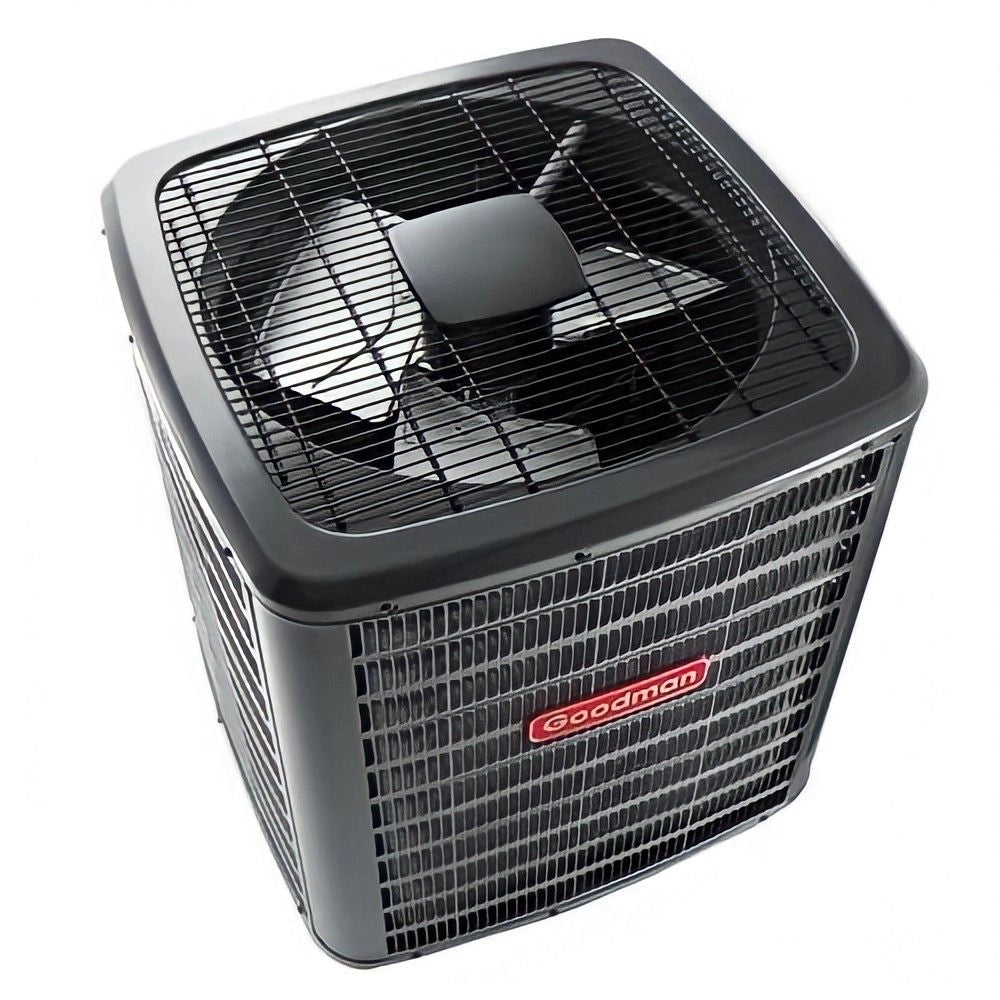
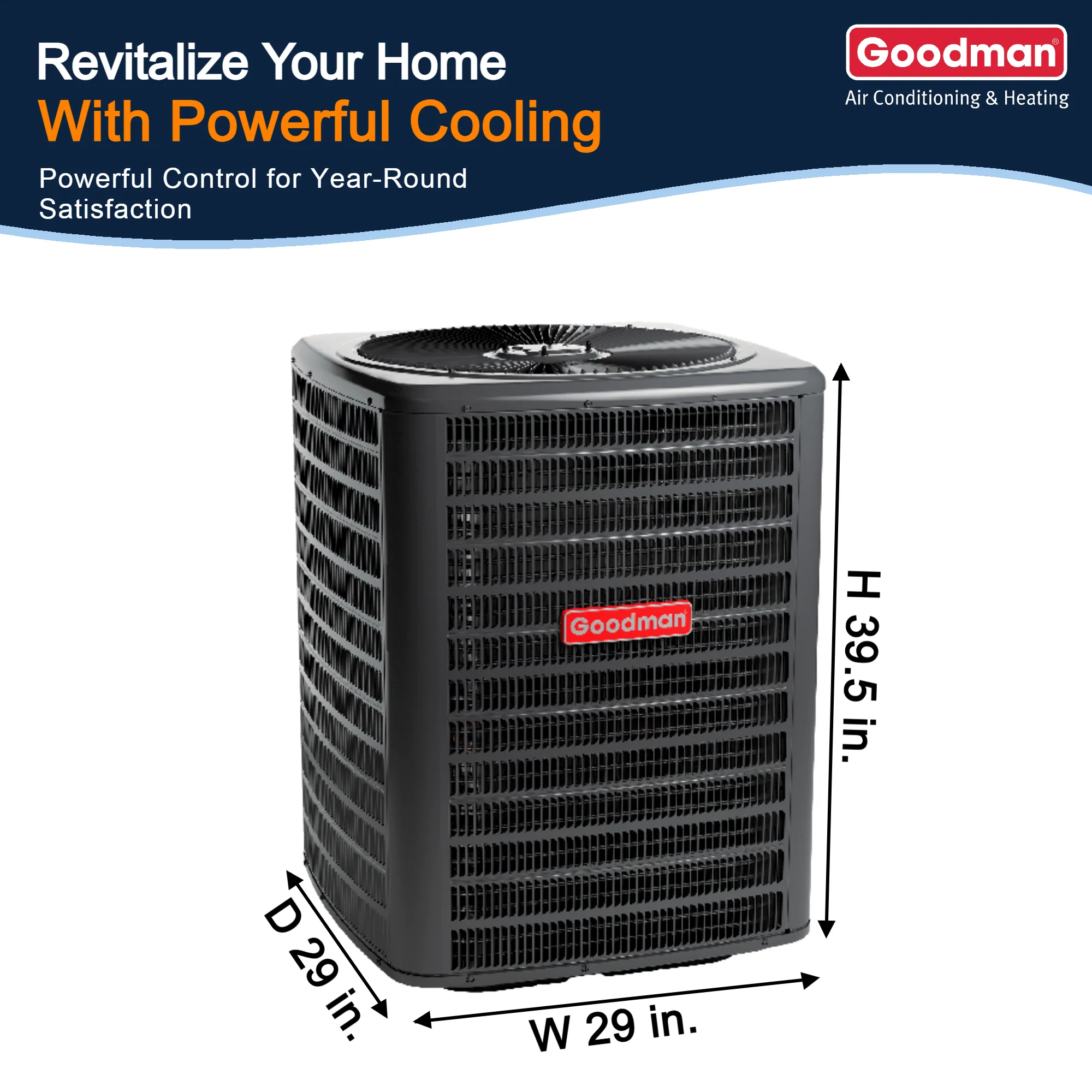
In this guide, I’ll walk you through the key considerations for air conditioning installation residential, compare different air conditioning solutions (from traditional central AC to modern ductless systems), highlight pros and cons, and help you evaluate whether a system like the Goodman 3 Ton 14.5 SEER2 R32 bundle might be the right match — or whether a smaller, more tailored solution (or hybrid) makes sense. By the end, you’ll be equipped to talk to contractors or plan a smart AC upgrade that fits your lifestyle, budget, and home structure.
Understanding the Needs: Why Townhouse and Small‑Home Installations Are Unique
A townhouse (or similarly sized home) often presents constraints that larger houses do not:
-
Limited outdoor space — smaller yards, shared walls, restricted outdoor condenser placement.
-
Compact internal layout — less attic/basement space for ductwork, tight mechanical closets, multi-floor vertical living.
-
Zoning & variable occupancy — not all rooms used at same time, upstairs rooms may be hotter, needs vary by time of day.
-
Efficiency and cost sensitivity — smaller space means smaller load, but also less room for inefficiencies; high bills hit harder.
Because of these realities, many homeowners seek air conditioning solutions that balance performance, cost, and flexibility rather than simply installing a full-blown central AC system designed for large homes.
Key Considerations Before Any Air Conditioning Installation (Residential)
Before you even request quotes or pick a system, take a moment to evaluate the fundamentals. Getting these right will save you time, money, and headaches.
1. Home Size, Layout & Load Requirements
Cooling needs depend on more than just square footage. You must consider: ceiling heights, insulation quality, window placement (sunload), number of rooms, and whether the home is multi‑story.
If you oversize an AC, it may cool quickly but not dehumidify properly — leaving the house cold but clammy. If undersized, it may run constantly and still fail to meet comfort needs. Good HVAC professionals start with a load calculation (also called Manual J) to guide proper sizing. (Airflow Heating & Air Conditioning)
2. Ductwork — Is It There? Is It Viable?
Traditional central AC requires ductwork — supply and return ducts — to distribute cooled air. If your home lacks ducts, or if ducts are old, leaky, or inefficient, then you face additional cost and complexity. That’s why for many smaller or older homes, alternatives like ductless mini‑splits become appealing. (Riley Heat & Air)
If ducts exist, have them inspected — leaks reduce cooling efficiency and waste energy (some duct losses can exceed 20–30%).
3. Energy Efficiency & Long-Term Operating Costs
Air conditioning installation residential isn’t just about upfront cost — energy bills over time matter. Look for systems with good efficiency ratings (SEER2 for cooling, proper airflow capacity). This ensures long-term savings as well as comfort. (Weather Masters)
Also consider zoning: cooling only rooms in use helps save energy, a benefit more pronounced in smaller homes. Ductless and mini-splits — or central systems with dampers/zones — often shine here. (HVAC Informed)
4. Space & Outdoor Unit Considerations
Particularly in townhouses: you must ensure there’s safe, permissible space for an outdoor condenser. HOA rules, neighbors, siding, shared walls, and minimal yard space can limit options.
You may need a pad in the side yard, small deck, concrete slab — plan early. Also, noise, maintenance access, and clearance for airflow must be considered.
5. Maintenance, Air Quality, and Indoor Air Flow
AC installation residential isn’t just about cooling — it’s about healthy, efficient air circulation. Central systems with ducted air allow for whole‑house filtration, humidity control, and even airflow balancing.
If you choose ductless/mini‑split solutions, regular maintenance of filters, condensate drains, and proper seal of refrigerant lines is essential. This affects indoor air quality and long-term durability. (Noonan Energy)
Air Conditioning Solutions for Townhouse or Smaller Homes
Given the constraints many townhouse or small‑home owners face, several AC solutions stand out depending on budget, ductwork presence, and comfort needs.
Option A: Full Central AC + Furnace Combo
This is the traditional route: install a forced‑air furnace (if needed), pair with an air handler and outdoor condenser, hook into existing or new ductwork, and achieve whole‑home cooling and heating.
When it works well:
-
Home already has ductwork in good condition — or ducts are feasible to install.
-
You want uniform, central temperature control throughout all rooms.
-
You plan to stay long-term and prioritize resale value.
Challenges:
-
Ductwork installation/modification can be disruptive and costly, especially in townhouses or older homes. (royalserviceut.com)
-
Upfront cost higher; ducts must be well‑sealed and maintained to avoid energy loss.
Best suited for: Larger townhouses with existing ducts, or owners willing to retrofit ducts, and those seeking whole‑home conditioning.
Option B: Ductless / Mini‑Split Systems (Single- or Multi-Zone)
Ductless mini-split systems are powerful alternatives, especially for homes that don’t have ducts or where adding ductwork is impractical.
Benefits:
-
Minimal installation disruption — only wall-penetrations for refrigerant lines and wiring.
-
Zoned cooling/heating: control exactly where you need comfort (e.g., bedrooms at night, living areas during day).
-
Avoid duct losses — improves energy efficiency and reduces utility costs.
-
Ideal for smaller homes, additions, finished basements, attics, or townhouse units where ductwork retrofit is expensive or undesirable.
Considerations:
-
Upfront cost per zone can be higher than a single central system (if you need multiple zones for whole-home coverage)
-
Aesthetic: indoor wall‑mounted units are more visible than hidden ducts/vents.
-
Maintenance: indoor units need periodic filter cleaning; outdoor units need clearance and upkeep.
Best suited for: Townhouses, older homes without ducts, individual rooms or zones, added rooms, or homeowners wanting flexible, zone-based comfort.
Option C: Hybrid Approach — Partial Ducted + Mini‑Split Zones
For many homeowners, the realistic sweet spot is a hybrid: use existing ductwork for main areas, and supplement with ductless or mini‑split units for problem areas (e.g. attic bedrooms, home offices, bonus rooms).
This approach offers:
-
Balanced comfort and efficiency
-
Zoned control where needed most
-
Lower renovation disruption than full duct retrofit
-
Flexibility to expand or adjust over time
It’s often the best compromise when home layout, HOA rules, or budget constraints make full ducted central AC impractical.
What a Thoughtful Residential Air Conditioning Installation Looks Like (Step by Step)
If you decide to proceed with air conditioning installation residential in your townhouse or home, here’s a general project roadmap — adapted especially for smaller homes or tight spaces:
-
Pre‑install assessment & load calculation — measure square footage, evaluate insulation, window exposure, airflow needs, and identify if ducts exist or what structural changes are required.
-
Decide on system type (central, ductless, hybrid) — weigh upfront vs long-term costs, convenience, comfort needs.
-
Inspect or plan ductwork (if using central AC) — test existing ducts for leaks, insulation efficiency, airflow capacity; fix or replace as needed.
-
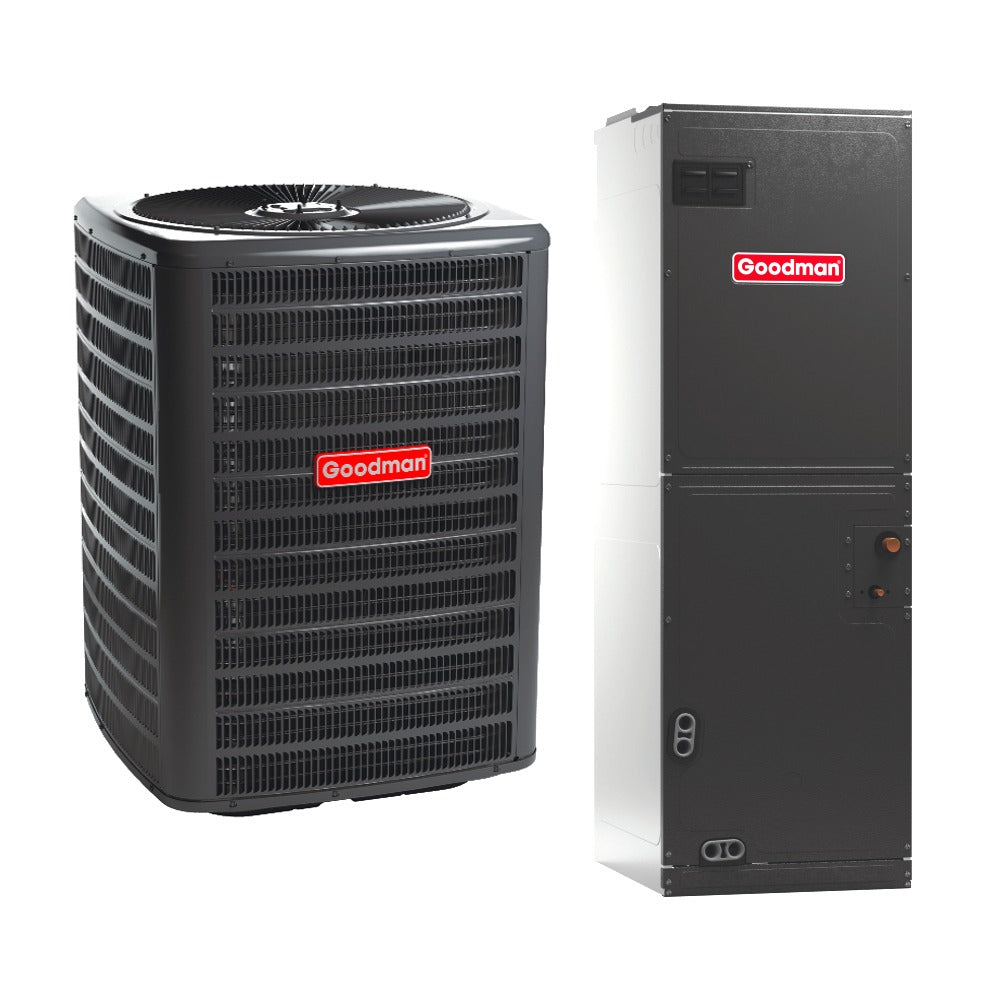
Select compatible equipment — if going central, choose a matched bundle to ensure compatibility, efficiency, and warranty integrity. As a reference, the Goodman 3 Ton 14.5 SEER2 R32 bundle is one example of a matched, efficient, residential‑grade system.
-
Plan outdoor condenser placement — ensure clearance, stable base, proper airflow, and HOA or local code compliance.
-
Install indoor units / air handlers / duct connections or mini‑split heads — follow code, ventilation standards, proper mounting for airflow and filtration.
-
Electrical and system setup — adequate circuit capacity, wiring, thermostats, control systems.
-
System startup, testing, airflow balancing, and final adjustments — check cooling performance, airflow distribution, filtration, and efficiency settings.
-
Maintenance plan — schedule filter changes, coil & condenser cleaning, duct inspection or mini‑split maintenance, especially before and after heavy usage seasons.
A well‑executed installation ensures comfort, efficiency, quiet operation, and long system life — all essential for residential homes.
What Townhouse Owners Should Be Especially Mindful Of
Because townhouses have unique structural and spatial constraints, homeowners should pay extra attention to:
-
Outdoor unit location & HOA or neighbor rules — some townhouse communities restrict placement on patios, decks, or side yards; always check regulations.
-
Shared walls / noise transmission — choose quieter units, ensure condenser placement doesn’t disturb neighbors, maintain condenser clearance for airflow and noise control.
-
Vertical airflow and duct layout if central AC — multi‑story townhouses often struggle with even cooling upstairs vs downstairs; balancing dampers or multi‑zone design may be needed.
-
Ventilation and air quality — sealed spaces, limited natural ventilation, and shared walls can trap pollutants; ensure AC system provides adequate filtration and air exchange.
-
Space for condensate drainage and outdoor condensers — ensure proper slope, drainage away from building foundations, and easy maintenance access.
I often advise townhouse owners: think long term — it's worth designing with maintenance, comfort, and neighbor‑friendliness in mind before installing.
Comparing Costs and Value: Central AC vs. Mini‑Split vs. Hybrid for Residential Use
Cost is always top of mind for homeowners. While exact pricing depends heavily on local labor and materials, here’s a rough comparison of what to expect, and how to assess value over time:
| System Type | Typical Upfront Cost* | Pros | Cons |
|---|---|---|---|
| Central AC (with existing ducts) | Moderate | Whole‑home cooling, filtration, resale value | Requires ducts, higher energy use if house >100% occupied |
| Central AC (with new ducts) | High | Uniform comfort, long‑term investment | Higher installation cost, structural disruption |
| Mini‑Split (single‑ or multi‑zone) | Low–Medium | Zoned cooling, efficient, minimal installation disruption | Visible indoor units, may need multiple units for whole house |
| Hybrid (central + zones) | Medium–Variable | Balanced cost & comfort, flexibility | Complexity, potential higher maintenance |
*Costs vary — always get multiple quotes to compare actual pricing and services.
From a value and flexibility standpoint, for many townhouse owners or smaller homes, mini‑split or hybrid solutions often deliver the best balance of comfort, efficiency, and cost — especially when long-term energy savings and room-by-room control matter.
Common Mistakes & Pitfalls — And How to Avoid Them
Installing residential AC is a big project. Homeowners often get tripped up by:
-
Ignoring ductwork condition → Old or leaky ducts undermine efficiency and comfort. Always inspect before deciding on central AC.
-
Oversized AC units → Too large leads to short cycling, poor humidity control, wasted energy; too small leads to constant operation and poor cooling. Always base on load calculation.
-
Poor condenser placement → Inadequate clearance or restricted airflow results in poor performance and shortened unit life.
-
Neglecting maintenance → Dirty filters, clogged condensate lines, unsealed ducts reduce longevity and increase energy costs.
-
Mis‐matched system components (e.g. mixing old furnace with new AC without compatibility) — may cause inefficiency or mechanical issues.
Avoiding these mistakes requires planning, diligence, and sometimes professional inspection or consultation — but it pays off in comfort, energy savings, and system longevity.
When a System Like the Goodman 3 Ton 14.5 SEER2 R32 Bundle Makes Sense — and When It Doesn’t
The Goodman 3 Ton 14.5 SEER2 R32 bundle represents a modern, efficient central HVAC system — appropriate for many residential installations. However, whether it’s right for your home depends on factors:
Ideal for:
-
Homes with existing, good ductwork
-
Houses sized around the equipment’s capacity (roughly mid-sized residences)
-
Owners seeking whole‑home climate control, resale value, and central air comfort
Less ideal when:
-
Ductwork is missing, damaged or inefficient
-
Outdoor space is limited or shared (townhouse side‑yard, small back patio, HOA restrictions)
-
The home layout is compartmentalized and you prefer zoned control (bedrooms separate from living spaces)
-
You only need to cool part of the home (e.g. a home office, basement, addition)
In those cases, a ductless or hybrid strategy may deliver better long-term satisfaction and efficiency, without the expense or disruption of duct installation.
How to Start — Your First Steps Toward a Smart AC Installation
If you’re ready to explore upgrading or installing AC, here’s a to‑do list I recommend:
-
Perform a basic home audit — note square footage, room count, existing ducts, insulation quality, attic/basement access.
-
Decide on your comfort goals — whole‑home comfort vs. room‑by‑room, full cooling vs. selective zones.
-
Request multiple installation quotes — include central AC (with duct work as needed) and ductless/mini‑split options.
-
Compare long-term costs — not only equipment cost, but energy consumption, maintenance, and flexibility.
-
Check local building codes and HOA regulations — especially for outdoor unit placement and noise restrictions.
-
Plan for maintenance — include filter schedules, duct or unit inspections, condensate drain maintenance, and coil cleaning.
-
If opting for a complex install (ductwork, multi‑story, shared walls) — consider a professional HVAC assessment or consultation before purchase.
Final Thoughts: Comfort, Value & Smart Cooling Solutions for Residential Homes
Air conditioning installation residential — especially in smaller homes or townhouses — doesn’t always mean simply replicating a large‑house system. The smartest solution balances home size, layout, budget, comfort needs, and long-term maintenance.
Whether you go with full central AC, a ductless mini-split, or a hybrid — the goal remains the same: creating a home that remains comfortable, efficient, and suited to your lifestyle.
If you decide to explore central air options, the Goodman 3 Ton 14.5 SEER2 R32 bundle is a strong reference point — efficient, well-built, and suited for many residential applications. But don’t feel limited: especially in townhouses, flexibility often wins.
Your home is unique, and the right air conditioning solution should fit it — not the other way around. As someone who’s guided many homeowners through this process, I promise: with careful planning, realistic expectations, and smart choices, your next cooling upgrade can bring comfort, value, and energy savings for years to come.
Here’s to a cooler, more comfortable home — no matter the size or layout.