
Why Air Conditioning Installation Matters — Not Just Today, But for the Long Term
Installing a cooling system isn’t simply putting in a machine that blows cold air. Today’s residential air conditioning installation must balance efficiency, comfort, space constraints, cost, and long‑term serviceability. Air conditioning solutions span central systems — ideal for whole‑home comfort — to ductless mini splits that solve specific needs in homes or townhouses with limited duct infrastructure.
Providing controlled temperatures throughout the home is essential not only for comfort but also for humidity control, indoor air quality, and overall energy use. An effective system creates a stable indoor environment, extends the life of furnishings by preventing humidity‑related damage, and — when designed correctly — keeps operating costs manageable.
Just as importantly, choosing the right system improves home value and resale appeal. Buyers today often expect efficient cooling, especially in markets with hot summers; how well your system performs and how efficiently it runs can be a deciding factor for prospective buyers.
How Residential Air Conditioning Installation Works — A Broad Overview
Whether you’re installing central air for the first time, replacing an aging system, or considering a townhouse air conditioner, the process involves several core elements:
1. Load Calculation and Proper Sizing
A professional HVAC installer begins with a load calculation (often called Manual J). This detailed analysis considers your home’s square footage, insulation, window orientation, ceiling height, and climate to determine the right capacity — measured in tons — for your cooling system. Too much capacity leads to frequent cycling and humidity problems; too little capacity means the system never keeps up.
2. Choosing the Right System — Central or Alternative
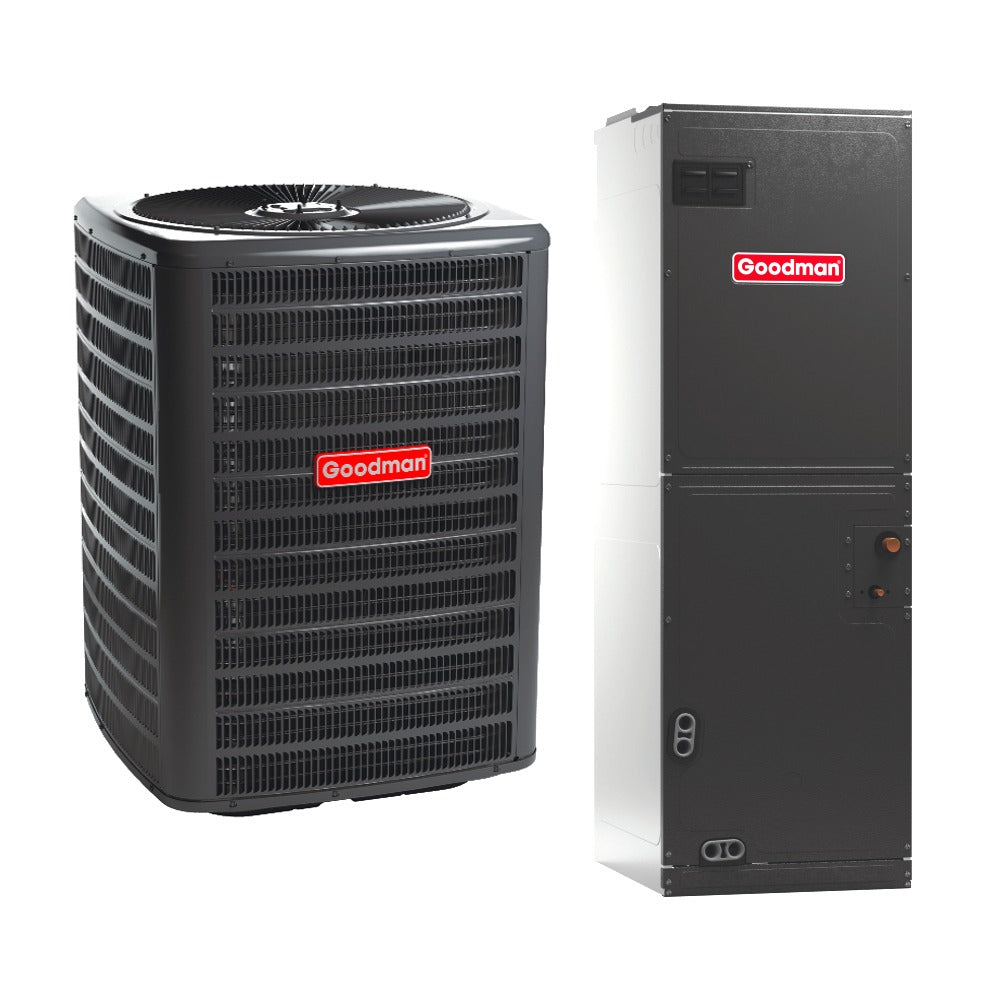
Traditional central air systems distribute cool air through a network of ducts and vents. A matched, ducted package — such as a modern central AC bundled with compatible components — often delivers consistent, whole‑home comfort. But alternatives like ductless mini split systems make sense in homes without ductwork or in places like multi‑level townhouses where zoned comfort is beneficial. (GARVEE)
3. Site Preparation and Equipment Placement
For a central system, this includes placing the outdoor condenser on a stable pad and confirming adequate clearance, and locating the indoor air handler in a utility space or attic. For a townhouse air conditioner or multi‑unit system, careful placement is essential to balance airflow, minimize noise, and comply with building codes.
4. Ductwork Assessment or Plan B
If your home already has ductwork, the installer evaluates its condition and leakage, sealing and repairing where needed. If ductwork is absent or impractical (as in many townhouses or older homes), ductless systems are often the best alternative.
5. Electrical and Control Systems
Modern air conditioning systems require dedicated circuits, proper breakers, and thermostat wiring. A professional installer ensures the electrical service supports the new system, which can prevent tripped circuits or unsafe wiring conditions.
6. Installation, Testing, and Commissioning
Once installed, the system undergoes testing for proper airflow, refrigerant pressures, thermostat function, drainage, and energy usage. This step ensures the system performs as designed rather than simply cooling air.
Central Air vs. Other Air Conditioning Solutions — Pros & Cons
Choosing the right air conditioning solutions depends on your home’s layout, existing infrastructure, budget, and comfort expectations. Below are the key comparisons every homeowner should understand.
Central Air Conditioning — Whole‑Home Comfort
Central air conditioning remains the most common solution for residential installation when ductwork exists. Installation costs vary by home size and complexity, but for many homes with existing ducts, the overall system and installation typically range in the few thousands to mid‑range five figures on larger homes. (Forbes)
Pros:
-
Consistent whole‑house cooling: Central air distributes cooled air evenly throughout all connected spaces.
-
Hidden components: With no indoor wall units, central air often looks cleaner and more integrated.
-
Ease of thermostatic control: One thermostat can manage the entire home’s comfort.
Cons:
-
Installation complexity: Adding or repairing ductwork increases cost and time if ducts are damaged or absent.
-
Energy loss: Duct leaks or poor duct insulation can waste up to 30% of cooling energy.
For typical homes or townhouses with existing ductwork, central air conditioning remains a durable and comfortable solution — one that pairs well with robust systems designed for whole‑house performance.
Ductless Mini Splits — Flexible and Efficient Alternatives
Another popular air conditioning solution is the ductless mini split system. These systems consist of one outdoor compressor and one or more indoor heads, each serving a room or zone. They’re especially effective when ductwork is absent or difficult to install, such as in many townhouses or remodel projects.
Pros:
-
Zoned cooling: You can control temperatures independently in different rooms, which saves energy when only part of the home needs cooling.
-
High efficiency: Many mini split systems have higher SEER ratings than conventional central units and avoid duct losses.
-
Lower structural impact: Installation is less invasive — no major ductwork — making mini splits a strong option for retrofit or historic homes.
Cons:
-
Visible indoor units: Some homeowners prefer the discreet vents of central air to the indoor heads typical of mini splits. (Total Comfort Heating & Cooling)
-
Multiple units add up: A multi‑zone mini split system with several indoor units can become expensive, and each unit’s indoor head requires maintenance and cleaning.
For many townhouse owners or homes without ductwork, mini splits offer a practical balance of comfort, efficiency, and cost, particularly where a central system would require significant structural changes.
Townhouse Air Conditioner Considerations — What’s Unique
Townhouses often present unique challenges for air conditioning installation residential projects. These homes may have compact layouts, shared walls with neighbors, limited outdoor equipment space, and sometimes restricted access to attic or basement spaces for ductwork. All of these factors influence the choice of system and installation approach.
Space Limitations and Unit Placement
One of the first questions for any townhouse installation is where to place the outdoor condenser unit. Unlike a standalone home with broad yard space, many townhouses have narrow side yards, shared patios, or HOA rules about exterior equipment. Careful planning ensures the condenser has adequate air circulation, meets setback requirements, and doesn’t become an eyesore or nuisance.
Duct Constraints
In many townhouses, ductwork either doesn’t exist or is difficult to retrofit without opening walls, running through tight interior spaces, or losing storage space. Installing a central air conditioner in these layouts can be complex and costly. In such cases, a mini split system — with fewer structural requirements — often becomes the more viable solution.
Zoning and Efficiency
Townhouses often benefit from zone‑based solutions because they may have different heating/cooling demands in various levels or rooms. A multi‑zone mini split system — where each indoor unit independently controls a space — can deliver exceptional comfort without overworking a single central unit.
Noise and Neighbors
Outdoor condensers can create noise, particularly in dense townhouse configurations. Choosing quieter models and locating them thoughtfully (away from bedroom windows or shared walls) improves comfort and reduces impact on neighbors.
Cost Expectations and What Drives Residential AC Installation Pricing
Budgeting for air conditioning installation residential requires understanding both equipment and labor costs. Multiple reputable sources indicate that installation costs vary widely based on system type, existing infrastructure, and home size. For a central system with existing ducts, total installed costs (unit plus labor) typically fall between $3,800 and $9,000 in many markets.
Important factors that push costs up include:
-
Ductwork installation or repair: Adding ducts can be a significant line item if they don’t already exist. (remodelingexpense.com)
-
Electrical upgrades: Older homes may need panel upgrades or dedicated circuits to support modern AC units.
-
Load calculations and custom solutions: Proper sizing and airflow design ensure performance and efficiency. (NerdWallet)
For townhouse air conditioner projects, a realistic installed cost range often lands in the mid‑range between single‑room mini splits and full central systems, depending on how many zones or indoor units you plan to install.
Making the Right Choice: Central Air, Mini Splits, or Hybrid Solutions
Choosing the right air conditioning solution depends on several interrelated factors:
Existing Ductwork
-
Central AC makes sense if ducts are already in place and in good condition.
-
Mini splits shine when ducts are absent or when you want to avoid the cost and disruption of installing new ductwork.
Home Layout and Use
-
Large open areas and uniform interiors often lend themselves well to central cooling.
-
Townhouses, multi‑level homes, condos, and spaces with distinct areas benefit from zoned mini split solutions.
Energy Efficiency Goals
-
Mini splits often deliver better energy performance due to less loss and zoned control.
-
Central air can achieve high efficiency too, especially with newer, high‑SEER models — but duct integrity matters.
Budget Constraints
-
Simple central installs can be cost‑efficient where ductwork exists.
-
Mini splits may offer lower total cost in homes without ducts but become pricey with many zones.
Aesthetics and Comfort Preferences
-
Central AC keeps vents hidden and provides uniform whole‑house comfort.
-
Mini splits deliver flexibility and less invasive installation, but indoor units are visible and require maintenance.
What Every Homeowner Should Ask Before Installation
Whether you’re evaluating air conditioning installation residential or comparing air conditioning solutions for a townhouse, here are some essential questions to guide your decisions:
-
Has a formal load calculation been performed?
Proper sizing avoids oversizing, short cycling, and humidity issues. -
Does existing ductwork need repair or replacement?
Unsealed or inefficient ducts undermine performance and comfort. -
What efficiency rating (SEER) is recommended for our climate?
Higher efficiency often lowers long‑term costs but increases upfront cost. -
Are there zoning options that make sense (multi‑zone mini splits)?
Zoned solutions can save energy and improve comfort in townhouse layouts. -
What’s included in the installation quote (labor, permits, electrical work)?
Clear line items prevent surprise costs later.
Final Thoughts on Residential AC Installation and Townhouse Solutions
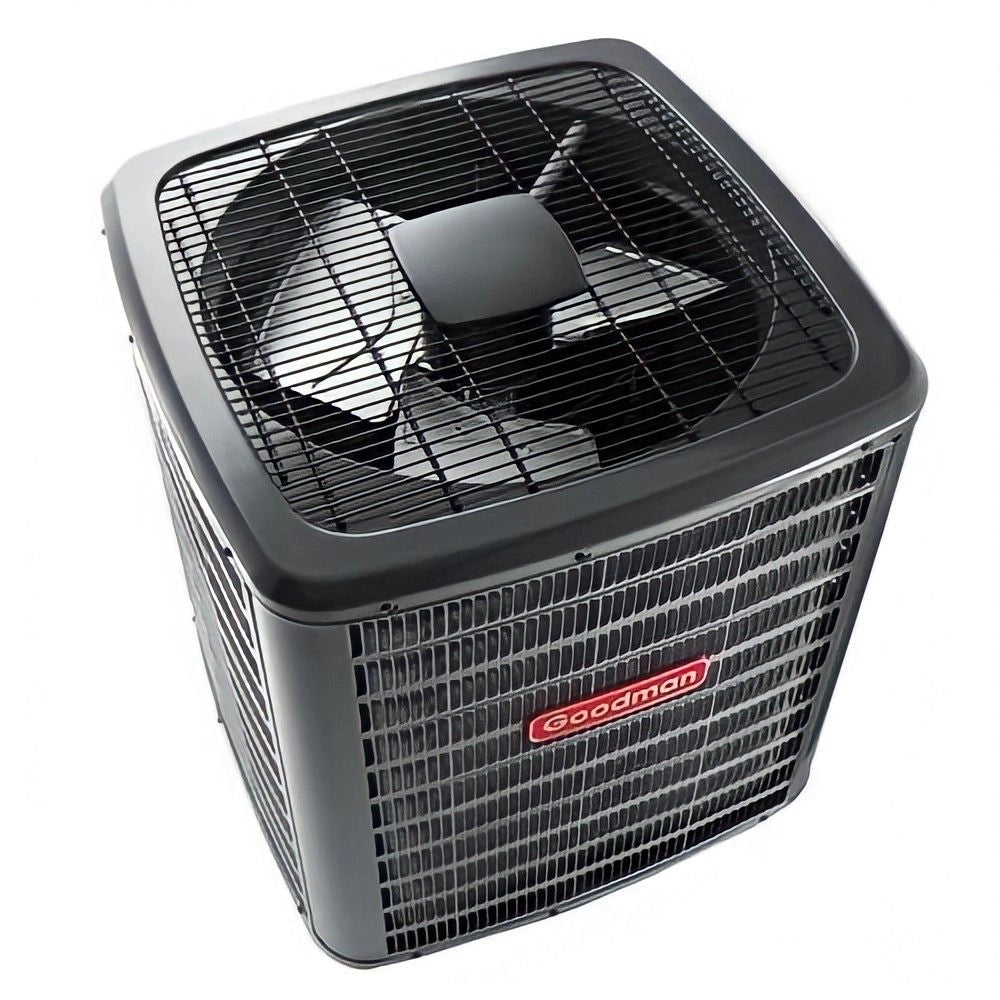
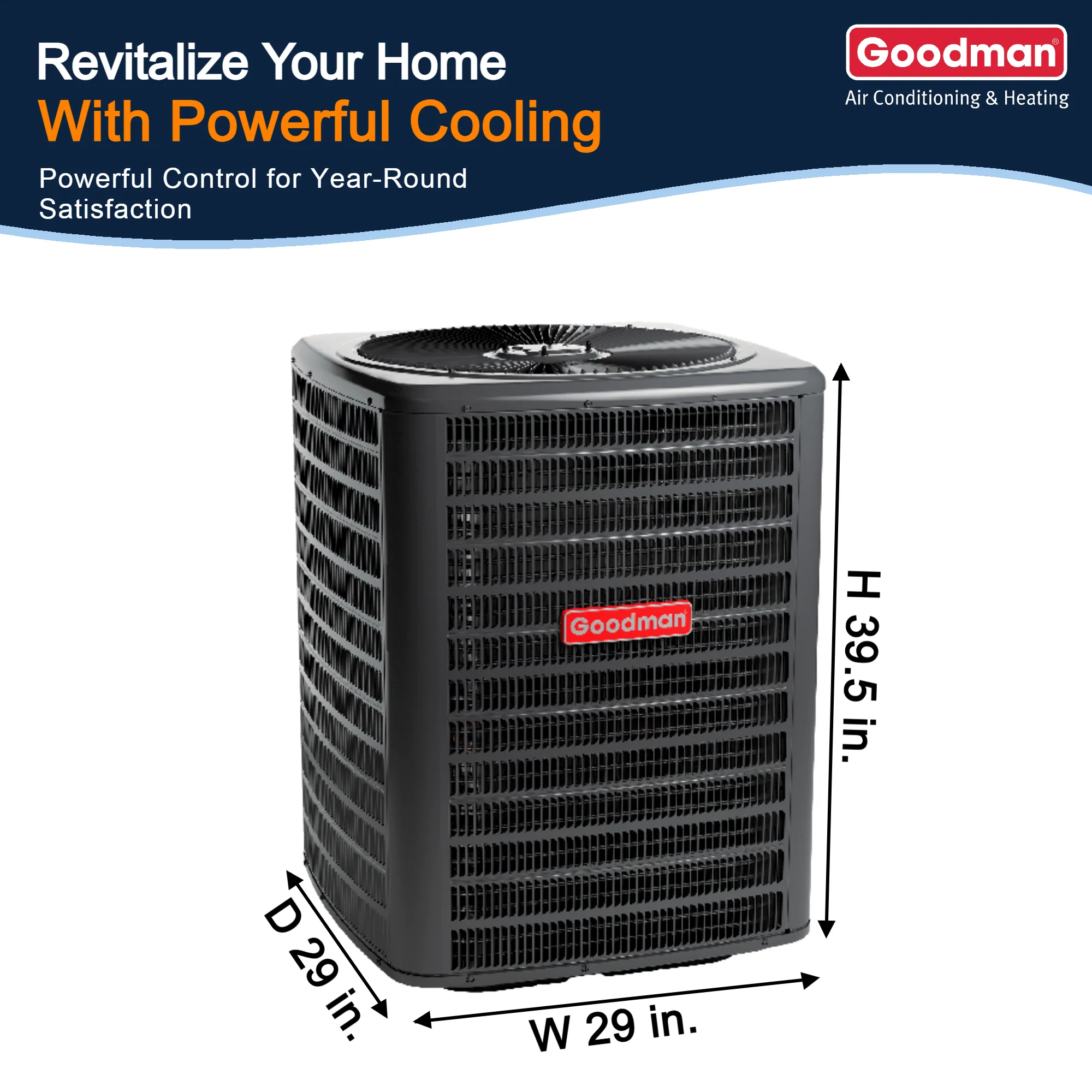
Investing in residential air conditioning installation is about more than staying cool. It’s about choosing the right solution for your home’s architecture, energy profile, and lifestyle while planning for comfort and cost‑efficiency over the long term. For many homes, especially those with existing ducts, traditional central air (like the Goodman 3 Ton 14.5 SEER2 R-32 Bundle) offers even, whole‑home comfort. For others — particularly townhouses, homes without ducts, or those that want zoned control — ductless mini split systems provide highly efficient, flexible solutions.
No matter which path you choose, invest time in planning, get multiple quotes, and work with reputable HVAC professionals. A properly sized, correctly installed system pays dividends in comfort, reliability, and energy savings for years to come.