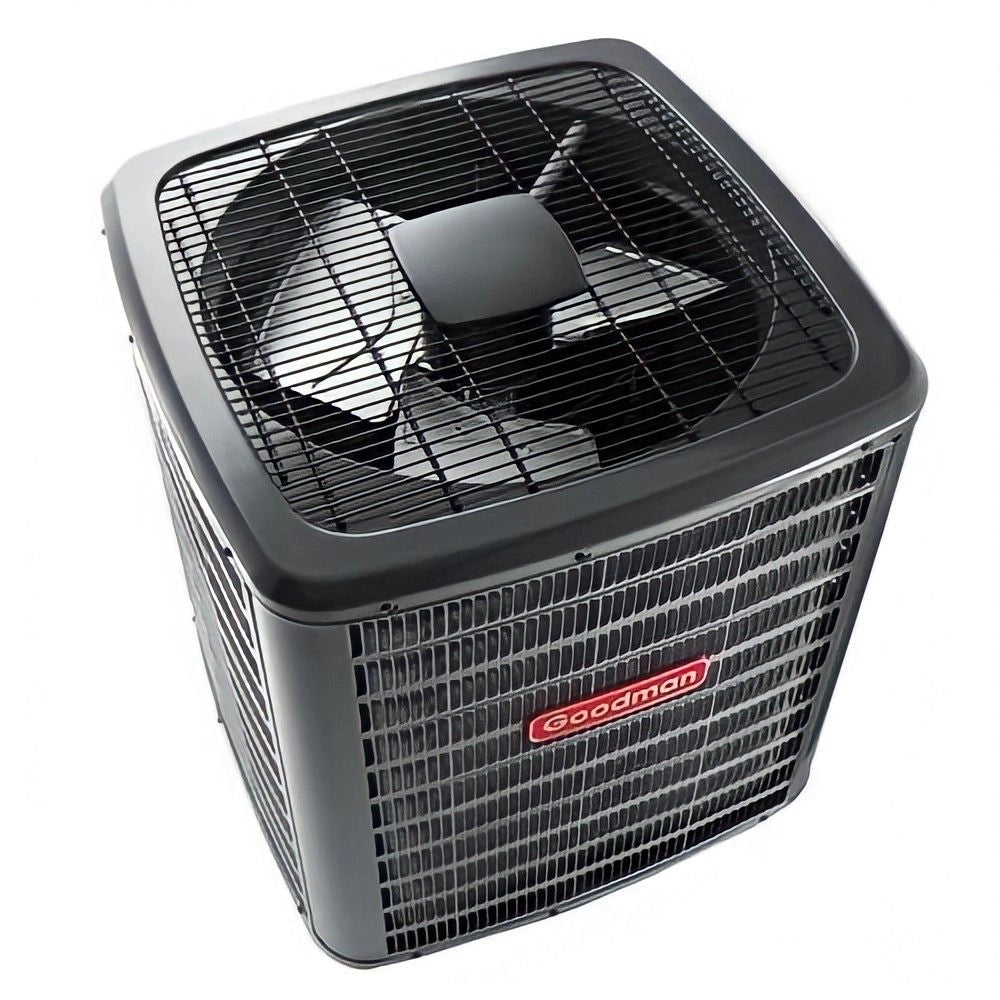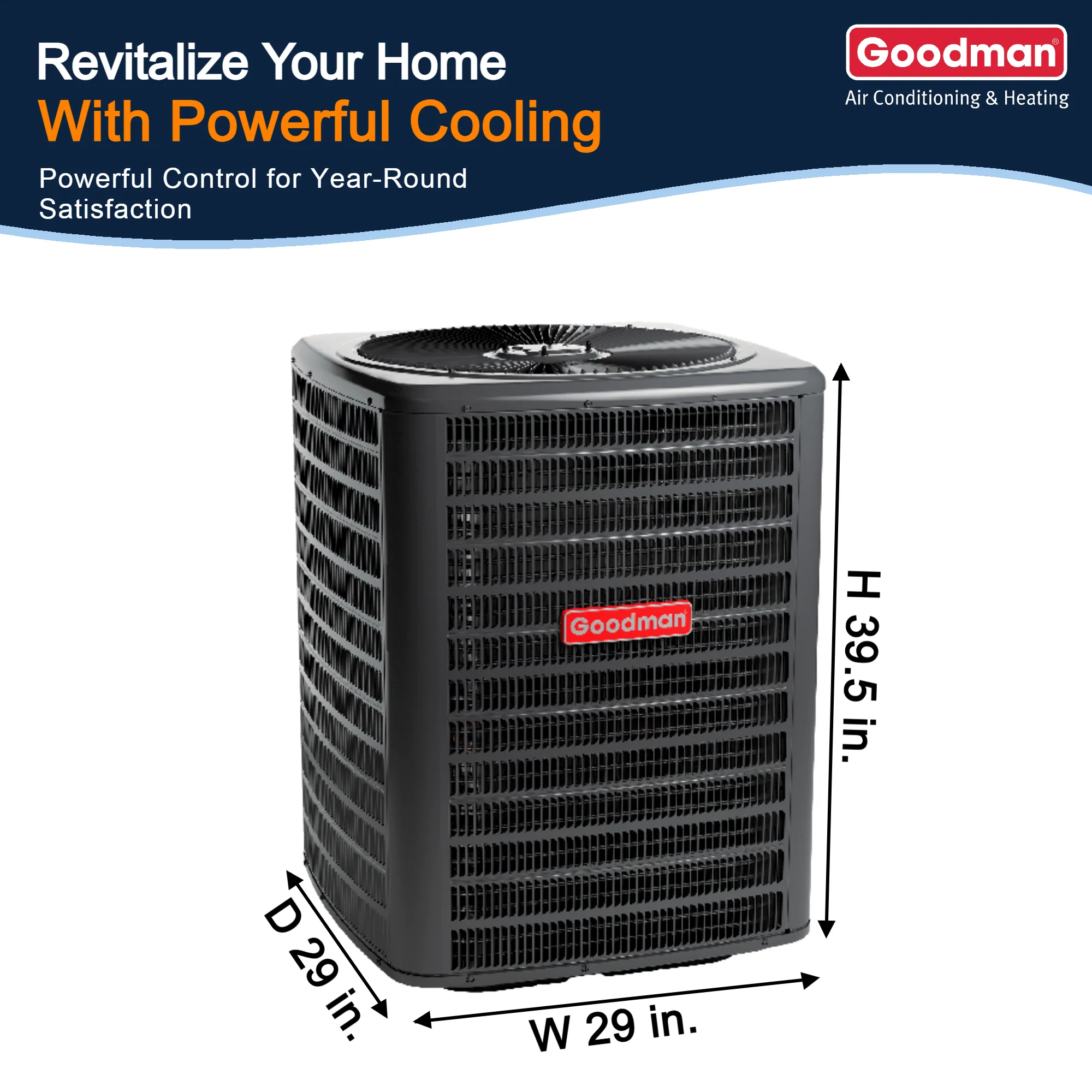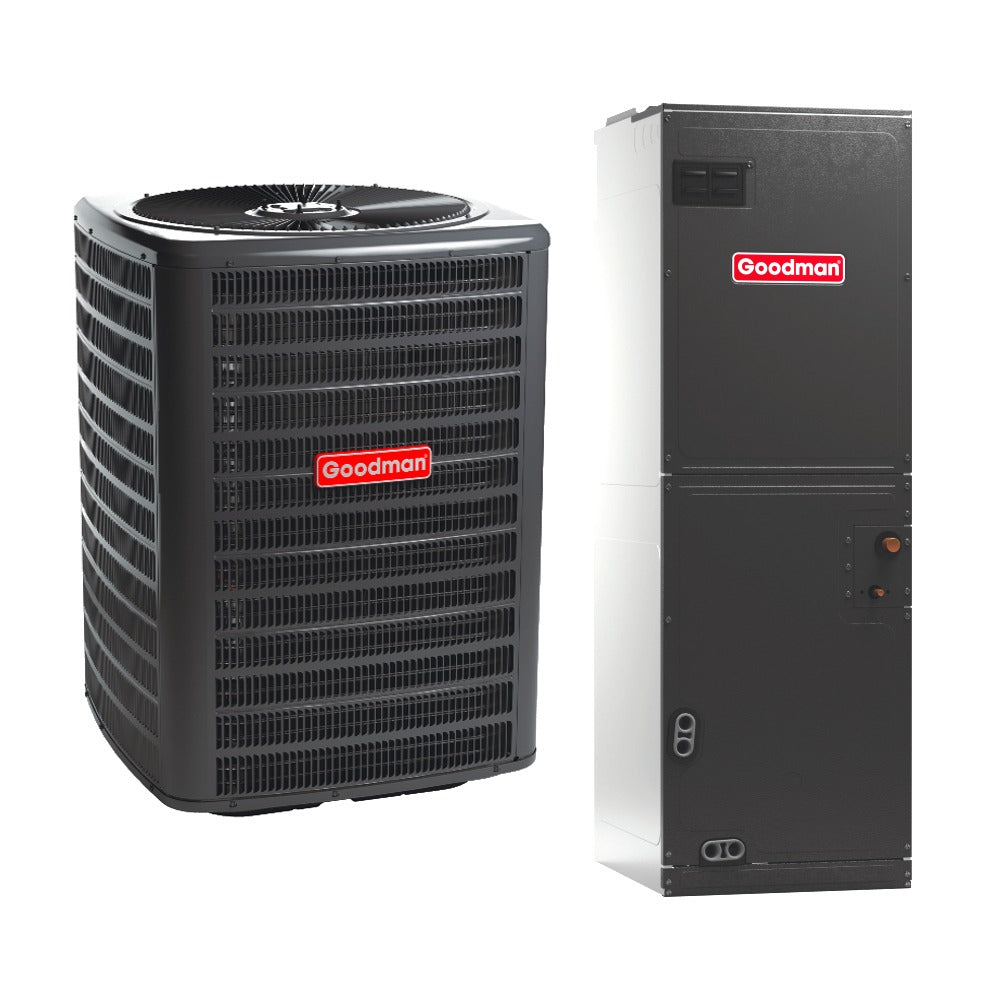

Few things are more frustrating than turning on a heater—portable or central—and feeling cold air instead of warmth. Searches like portable heater not blowing hot air, how to fix fan heater blowing cold air, and electric fan heater not blowing hot air are increasingly common, especially during sudden cold snaps. While many of these questions focus on small space heaters, the underlying principles apply directly to full-size electric furnaces like the Goodman MBVK.
In this article, I want to bridge that gap. We’ll look at why portable electric heaters blow cold air, how those same issues scale up to whole-home electric furnaces, and how the Goodman MBVK is engineered to prevent many of the problems homeowners encounter with smaller heaters. Understanding these similarities not only helps with troubleshooting—it helps you make smarter heating decisions overall.
Why Electric Heaters Blow Cold Air in the First Place
Whether you’re dealing with a countertop fan heater or a central electric furnace, the heating process follows the same basic logic:
-
Electrical power is supplied
-
Heating elements warm up
-
Air is moved across those elements
-
Warm air is distributed into the space
When any one of those steps fails, you get airflow without heat.
Common Reasons a Portable Heater Isn’t Blowing Hot Air
When homeowners search for portable heater not blowing hot air, the issue usually comes down to one of the following:
-
Heating element failure
-
Thermal cutoff or safety switch activation
-
Internal wiring or control malfunction
-
Fan operating before elements are fully energized
Portable heaters are designed with aggressive safety features. If airflow is restricted, the unit overheats, or voltage fluctuates, the heater disables its elements while allowing the fan to continue running. This is why so many people report cold air coming from a heater that appears to be “on.”
These same principles apply directly to electric furnaces—just on a much larger, more controlled scale.
Fan Heater Blowing Cold Air: Timing and Sequencing Matter
One of the most misunderstood complaints is how to fix fan heater blowing cold air. In many cases, nothing is actually broken.
The Warm-Up Delay
Electric heaters often run the fan briefly before the elements fully heat. This prevents overheating and protects internal components. During that delay, the air may feel cool or room temperature.
The Goodman MBVK electric furnace uses a similar but far more advanced process. Instead of crude on/off behavior, it relies on heat sequencers and control boards to stage heating elements gradually. This ensures:
-
Even heat delivery
-
Reduced electrical strain
-
Longer component life
What feels like a malfunction in a portable heater is often simply a lack of proper sequencing—something the MBVK handles very well.
Electric Fan Heater Not Blowing Hot Air vs. Electric Furnace Behavior
When someone complains that an electric fan heater is not blowing hot air, they’re often encountering limitations of compact heating devices:
-
Undersized heating elements
-
Inadequate airflow control
-
Minimal diagnostic capability
By contrast, the Goodman MBVK is built to heat an entire home efficiently and safely. Its design includes:
-
Multiple heating element stages
-
High-capacity blower motor
-
Redundant safety sensors
-
Advanced electrical control logic
These differences are not just about size—they’re about engineering.
For a foundational explanation of how electric resistance heating works at both small and large scales, the U.S. Department of Energy provides an excellent overview of electric heating systems and efficiency principles.
How Safety Features Create the “Cold Air” Effect
One of the biggest misconceptions about electric heat—portable or central—is that blowing cold air automatically means failure. In reality, cold air often means the system is doing exactly what it should to protect itself.
Safety Shutdowns Explained
Electric heaters include safeguards such as:
-
High-limit switches
-
Thermal cutoffs
-
Airflow sensors
If airflow is blocked or internal temperatures exceed safe thresholds, the heater disables the elements. The fan may continue running to cool the system, which feels like cold air being blown intentionally.
The Goodman MBVK uses these same protections, but with more precision. Instead of abruptly cutting off heat, it stages down output or pauses heating until safe conditions return. This reduces nuisance shutdowns while still protecting the system.
ASHRAE outlines these safety strategies in its residential electric heating standards, which guide how modern furnaces like the MBVK are designed.
Airflow: The Hidden Link Between Portable Heaters and Furnaces
Airflow problems are one of the most common reasons heaters blow cold air.
Portable Heater Airflow Problems
Small heaters are extremely sensitive to airflow issues:
-
Dust buildup on intake grills
-
Furniture blocking air movement
-
Placement too close to walls
Any of these can trigger safety shutdowns.
Electric Furnace Airflow Problems
The same issues scale up in a central system:
-
Dirty air filters
-
Blocked return vents
-
Undersized ductwork
-
Closed supply registers
When airflow drops, heating elements overheat quickly. The Goodman MBVK responds by disabling elements and running the blower, resulting in air movement without heat.
This is not a failure—it’s a warning.
Electrical Supply: Voltage Matters More Than You Think
Another reason people search for electric fan heater not blowing hot air is inadequate electrical supply.
Portable heaters often share circuits with other appliances. Voltage drops reduce heat output or prevent elements from energizing at all.
The Goodman MBVK requires dedicated circuits sized precisely for its heating elements. When installed correctly, it avoids the voltage instability that plagues portable heaters.
Energy Star emphasizes proper electrical sizing as a key factor in electric heating performance and safety, particularly for high-capacity systems like electric furnaces.
Why Portable Heater Problems Don’t Mean Electric Heat Is Bad
It’s easy to assume that repeated failures with portable heaters mean electric heat is unreliable. In reality, the opposite is true.
Portable heaters are:
-
Minimally engineered
-
Designed for temporary use
-
Limited in diagnostics and controls
The Goodman MBVK is:
-
Permanently installed
-
Professionally wired
-
Designed for continuous operation
-
Equipped with layered safety systems
When homeowners experience cold air from an electric furnace, it’s usually a sign of a manageable issue—airflow, controls, or maintenance—not a fundamental flaw in electric heating.
Diagnosing Cold Air in the Goodman MBVK
If your MBVK is blowing air but not heating, the diagnostic process mirrors what you’d do with a fan heater—but with better tools.
Step 1: Check Thermostat Operation
Ensure the thermostat is set to heat and calling correctly. A misconfigured thermostat can cause the blower to run independently of the heating elements.
Step 2: Inspect Air Filters
A clogged filter is the most common cause of heat shutdowns in electric furnaces.
Step 3: Allow Proper Warm-Up Time
Electric furnaces may take a few minutes to fully energize heating elements, especially in staged systems.
Step 4: Observe Cycling Behavior
If heat starts and stops repeatedly, a limit switch may be reacting to airflow or electrical issues.
The Consumer Product Safety Commission highlights proper heater maintenance as a key safety practice, whether for portable units or central systems.
Maintenance: The Difference Between Frustration and Comfort
Portable heaters are often disposable; furnaces are not. Routine maintenance is essential.
Key Maintenance Tasks for the MBVK
-
Replace filters regularly
-
Keep vents unobstructed
-
Schedule annual inspections
-
Monitor unusual cycling or airflow changes
These steps dramatically reduce the likelihood of cold-air complaints and extend system lifespan.
Energy Efficiency: Why the MBVK Outperforms Fan Heaters
Portable heaters are among the least efficient ways to heat space:
-
High wattage per square foot
-
No zoning control
-
Significant heat loss
The Goodman MBVK integrates with ductwork and thermostats to deliver even, controlled heat. When paired with proper insulation and airflow, it provides consistent comfort without the erratic behavior common in small fan heaters.
Final Thoughts from Samantha Reyes
When people search for portable heater not blowing hot air, how to fix fan heater blowing cold air, or electric fan heater not blowing hot air, they’re usually experiencing safety behavior—not outright failure. These same principles apply to electric furnaces, but systems like the Goodman MBVK handle them with far greater sophistication.
Cold air from an electric heater is often a signal, not a symptom. Understanding airflow, sequencing, and electrical supply helps homeowners recognize when a system is protecting itself—and when it truly needs service.
Electric heat, when properly designed and maintained, remains one of the safest, cleanest, and most reliable heating options available today.