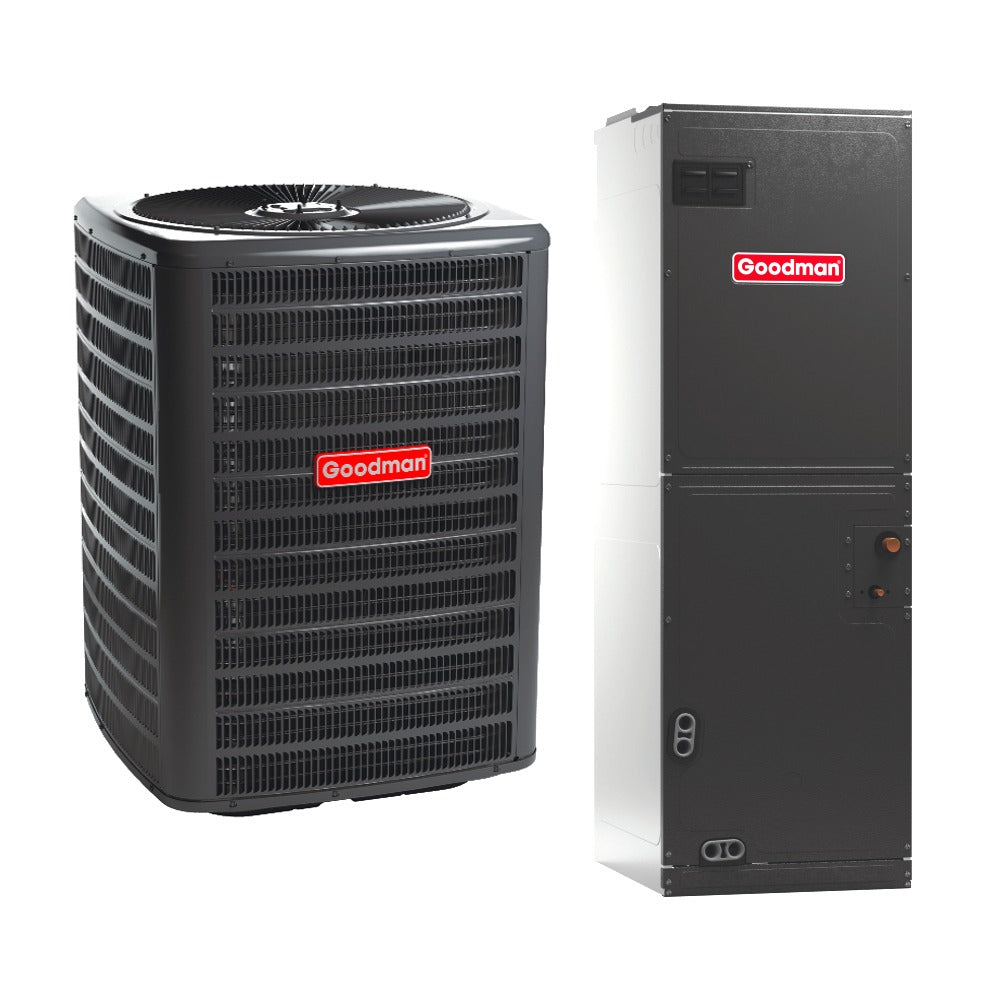

Homeowners of mobile homes and trailers often face unique heating challenges. Questions about a mobile home oil furnace or trailer oil furnace are common: Are they reliable? How efficient are they? Can they be replaced with modern alternatives? While oil furnaces have been a staple for decades, today’s electric furnaces, like the Goodman MBVK, offer compelling advantages in safety, efficiency, and maintenance.
In this comprehensive guide, I’ll explore the differences between traditional oil furnaces and modern electric systems, how each operates, common issues and maintenance considerations, and why many mobile home owners are choosing electric solutions like the Goodman MBVK. By the end, you’ll understand which system suits your home and lifestyle best.
Understanding Mobile Home Oil Furnaces
A mobile home oil furnace or trailer oil furnace is specifically designed for manufactured homes. These furnaces provide heating by burning fuel oil and distributing warm air through ductwork. While they have served homes reliably for decades, they come with particular characteristics and maintenance needs.
How Oil Furnaces Work in Mobile Homes
-
Fuel Combustion: Oil is atomized and ignited in the burner to produce heat.
-
Heat Transfer: A heat exchanger absorbs the combustion heat.
-
Air Distribution: A blower moves air across the heat exchanger and through ducts.
-
Safety Controls: High-limit switches and flame sensors prevent overheating or unsafe operation.
Mobile home oil furnaces are compact and designed to fit within the tight spaces of trailers and manufactured homes. However, they require careful maintenance and regular monitoring of fuel supply to ensure safe operation.
For general maintenance guidelines for oil heating systems, ACCA offers industry-standard tips for residential furnaces.
Advantages and Disadvantages of Mobile Home Oil Furnaces
Advantages:
-
Powerful heat output capable of warming small to medium homes quickly
-
Long lifespan when properly maintained
-
Can operate independently of electricity (in some older models)
Disadvantages:
-
Fuel oil can be expensive and volatile
-
Requires regular maintenance of the burner, nozzle, and flame sensors
-
Produces combustion byproducts, including carbon monoxide, requiring proper ventilation and safety monitoring
-
Typically less energy-efficient than modern electric systems
Homeowners often report concerns such as needing to frequently reset the furnace, monitor the oil level, and clean filters or burners. Understanding these limitations helps explain why electric alternatives have gained popularity.
Enter the Goodman MBVK Electric Furnace
The Goodman MBVK electric furnace is a modern, all-electric system designed for safe, efficient heating. Unlike a mobile home oil furnace, it does not burn fuel; it relies on electric resistance heating elements to produce warmth.
How the Goodman MBVK Works
-
Heating Elements Energize – Electricity passes through metal coils, producing heat.
-
Blower Motor Distributes Air – A variable-speed blower moves warmed air through ductwork.
-
Safety Controls Monitor Operation – Limit switches prevent overheating and protect components.
-
Thermostat Coordinates Heating – Ensures consistent indoor temperatures.
Electric furnaces like the Goodman MBVK are particularly well-suited for mobile homes because they:
-
Eliminate the need for fuel storage
-
Remove combustion-related safety risks
-
Reduce routine maintenance to filter changes and blower inspection
-
Offer consistent, reliable heat without complicated burner adjustments
For more on electric furnace efficiency and safety, Energy.gov provides guidance on residential electric heating systems.
Comparing Mobile Home Oil Furnaces and Electric Furnaces
When deciding between a trailer oil furnace and an electric system like the Goodman MBVK, homeowners should consider several factors:
| Feature | Mobile Home Oil Furnace | Goodman MBVK Electric Furnace |
|---|---|---|
| Fuel Source | Heating oil | Electricity |
| Efficiency | Moderate | High (nearly 100%) |
| Maintenance | Burner, nozzle, filter, flame sensor | Filter, blower inspection |
| Safety | Combustion byproducts, CO risk | No combustion, inherently safe |
| Installation | Requires venting and oil tank | Compact, simple duct connections |
| Cost | Fuel purchase and delivery | Electricity only, potentially lower long-term costs |
Common Problems in Mobile Home Oil Furnaces
Many homeowners face recurring issues with mobile home oil furnaces. Recognizing these problems early can prevent major breakdowns:
1. Furnace Keeps Shutting Off
Oil furnaces may repeatedly shut down due to air in the fuel line, clogged nozzles, or flame sensor problems. Frequent resets may be needed until the underlying issue is corrected.
2. Blower Runs but No Heat
This happens when the burner fails to ignite or the flame sensor prevents operation. The blower may continue circulating air without warming it.
3. Uneven Heating
Clogged ducts, restricted airflow, or burner problems can cause uneven warmth in different areas of a mobile home.
4. Oil Supply Issues
Running out of fuel or having air in the line can cause the furnace to fail or cycle improperly.
Understanding these issues highlights why many homeowners transition to electric systems that remove fuel dependency and combustion-related concerns. For a deep dive into furnace troubleshooting techniques, ASHRAE offers professional guidance on residential heating systems.
Benefits of Switching to an Electric Furnace in Mobile Homes
Electric furnaces like the Goodman MBVK address many of the challenges associated with oil furnaces:
-
Eliminates Fuel Storage – No need for oil tanks or delivery schedules
-
Safer Operation – No risk of combustion byproducts or CO leaks
-
Reduced Maintenance – No burners, no ignition systems to clean, fewer moving parts
-
Consistent Heating – Electric elements provide uniform warmth throughout the home
-
Environmentally Friendly – Especially when paired with renewable electricity
Homeowners considering replacement often find that the Goodman MBVK delivers similar heat output while reducing hassle and safety concerns.
For information on energy-efficient electric heating, Energy Star offers helpful ratings and system recommendations.
Installation Considerations for Mobile Homes
When installing a furnace in a trailer or manufactured home, size, duct layout, and power supply are key factors:
-
Proper Sizing
Electric furnaces must match the square footage of the home for optimal comfort and efficiency. -
Ductwork Compatibility
Ensuring proper duct layout prevents hot or cold spots and reduces blower stress. -
Electrical Requirements
Electric furnaces require adequate wiring and breaker capacity, which should be verified by a licensed electrician. -
Ventilation (Oil Furnaces Only)
If retaining an oil furnace, venting must meet safety codes to handle combustion exhaust safely.
Professional installation is crucial for both safety and efficiency, whether converting to electric or maintaining an oil system.
For installation best practices and safety standards, U.S. Department of Energy provides comprehensive guidance.
Maintenance Tips for Mobile Home Heating Systems
Oil Furnace Maintenance
-
Clean or replace the burner nozzle
-
Inspect the flame sensor and heat exchanger
-
Purge air from fuel lines
-
Schedule annual professional inspection
Electric Furnace Maintenance (Goodman MBVK)
-
Replace or clean air filters regularly
-
Inspect blower motor and belts
-
Check heating elements for wear
-
Ensure proper electrical connections
Routine maintenance reduces breakdowns, extends system life, and ensures safe operation.
Final Thoughts: Choosing Between Oil and Electric Furnaces
For mobile home oil furnace owners, traditional systems offer reliable heat but come with fuel costs, maintenance, and safety concerns. Modern electric furnaces like the Goodman MBVK provide a cleaner, safer, and often more cost-effective solution for trailer homes.
Key takeaways:
-
Oil furnaces require active maintenance and fuel management.
-
Electric furnaces eliminate combustion risks and simplify upkeep.
-
Safety, efficiency, and consistent comfort are primary benefits of electric systems.
-
Proper sizing, ductwork, and installation are critical for optimal performance.
Whether maintaining an existing trailer oil furnace or upgrading to an electric system, understanding your home’s heating needs ensures safe, efficient, and comfortable living year-round.