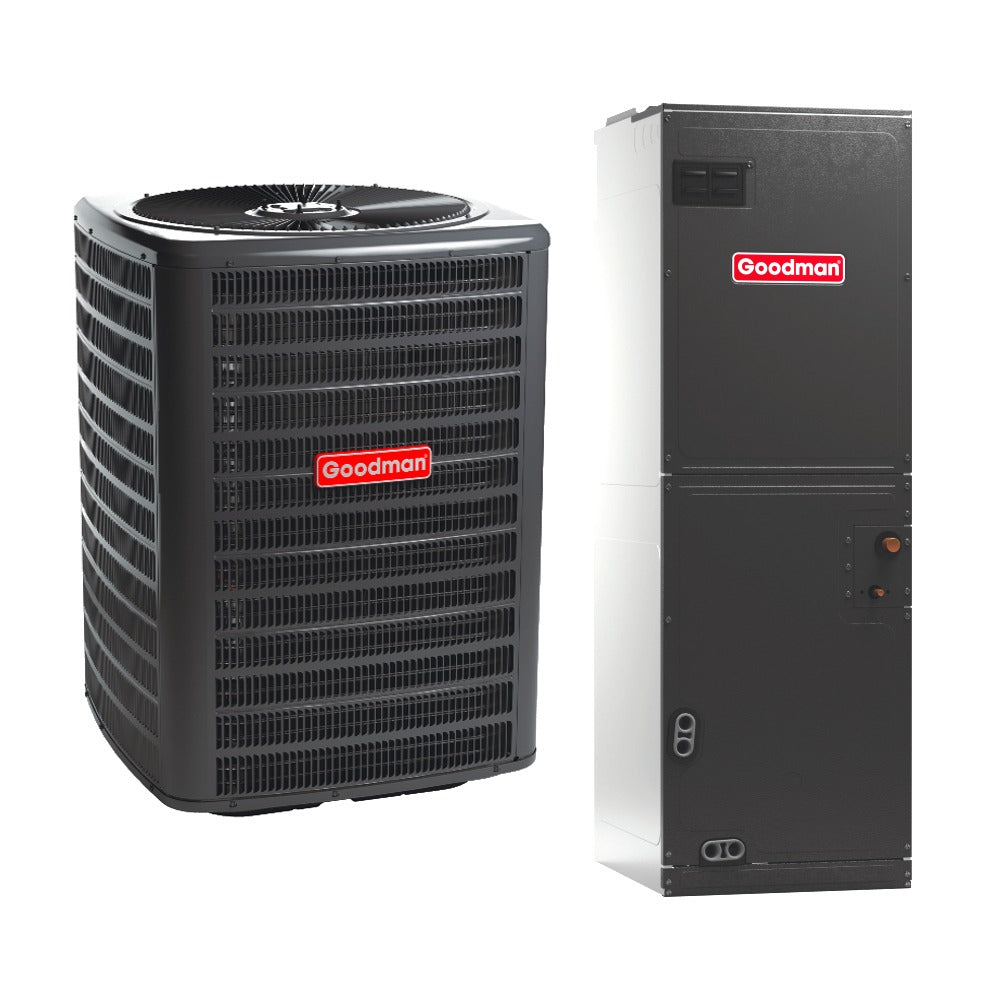

Hey folks — Mike Sanders here. Buckle up, because today we’re tackling a question I get more than you’d think: what about outdoor air conditioners? I mean, do “patio AC units,” “air conditioner outside,” or “exterior cooling units” even make sense? And how do they stack up against the kind of serious, whole‑home central system—like that Goodman 3‑Ton 14.5 SEER2 R‑32 Bundle from The Furnace Outlet—that I normally talk about?
We’re going deep on: what outdoor AC means, the real trade‑offs, practical units (yes, even “portable” ones for outside), and when you should just go with a central system instead. By the end, you’ll know whether you’re looking for a patio air conditioner, a portable AC for outdoors, or whether you should just stick with an exterior HVAC unit.
What Do We Mean by “Outdoor Air Conditioner”? (Yes, It’s Tricky)
First off — when people ask about an outdoor air conditioner or “aircon outdoor,” they might be using different terms to mean very different things. Here are some of the common categories and what they really mean (in Mike Sanders parlance):
-
Central / Split-System AC Outside Unit
-
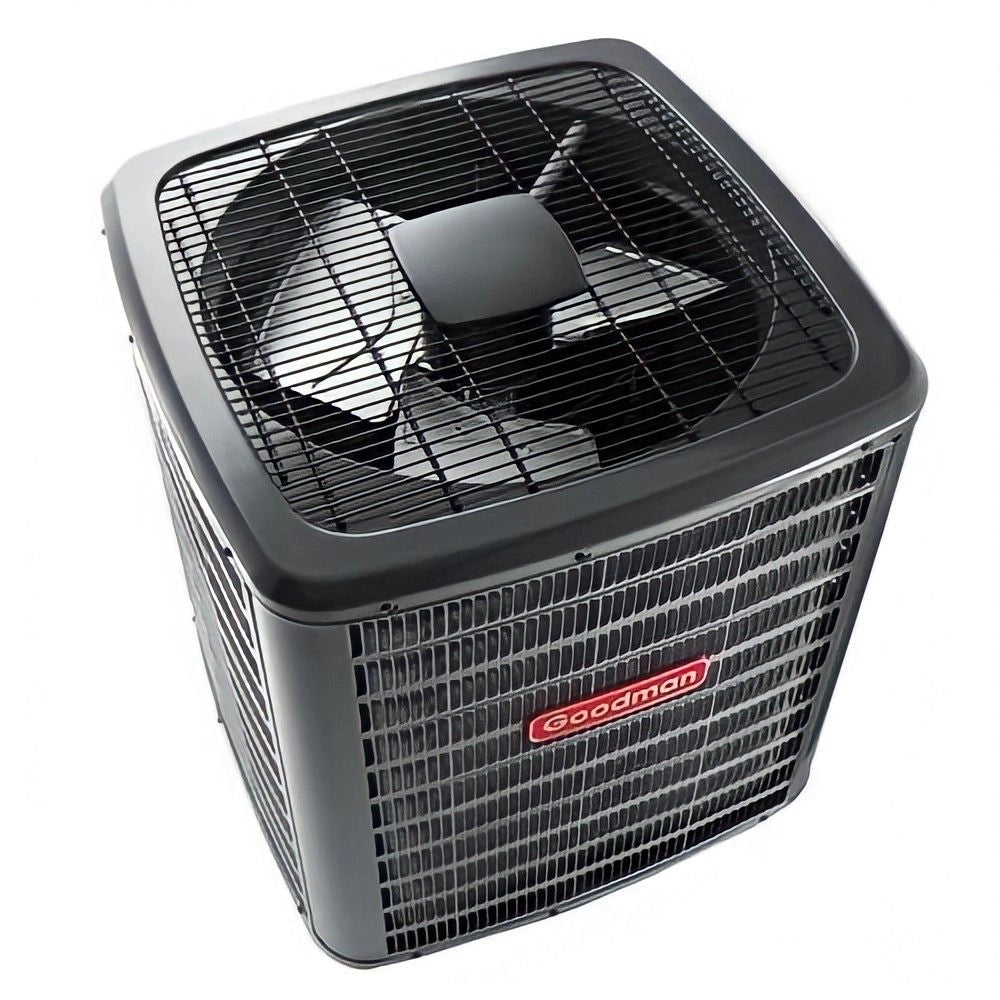
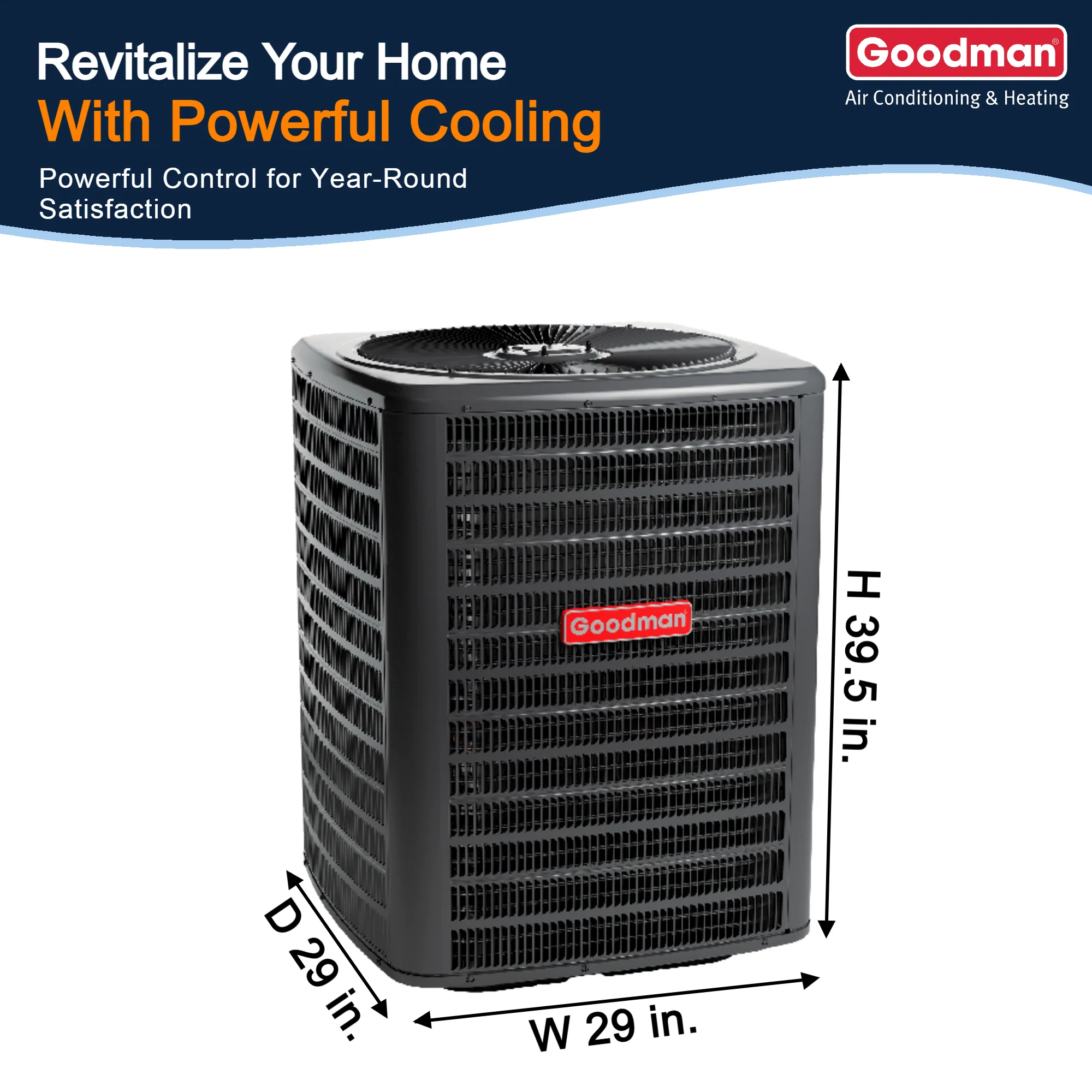
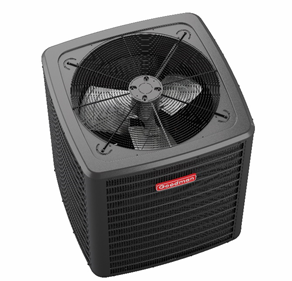
This is what most people picture when they talk about the “ac outside unit” or “outdoor compressor unit.” It’s the big box sitting outside your house — the condenser/compressor.
-
It’s paired with an indoor air handler or furnace, part of a matched system, and built for long-term, high-efficiency cooling of your entire home.
-
-
Patio Air Conditioner / Outdoor Portable AC
-
These are more niche — think of “portable AC for outdoors,” “patio AC unit,” or “exterior portable air conditioner.” These are not common in traditional HVAC, because most ACs need to vent to the outside. If they’re already outside, design gets complicated.
-
-
Spot Coolers / Portable Spot AC Units
-
These are industrial or semi-portable machines that can be wheeled and placed outside or semi-outside (e.g., on a driveway, in a workshop, or a covered porch) to cool a very specific area temporarily.
-
Why People Ask for Outdoor or Patio AC — The Use Cases
Let me break down some common scenarios where homeowners or business‐owners ask for air conditioning for outdoors, “AC for outside,” or outdoor patio AC units — and what I, as an HVAC guy, actually recommend:
-
Hot patios or porches. It's common: you want to relax outside in the evening, but it’s still roasting. People think, “Why not just put an air conditioner out here?”
-
Workshops / garages / sheds. These are semi-outdoor (or non-insulated) spaces, and some folks want to cool them without building full ductwork.
-
Events or seasonal spaces. For pop-up tents, event areas, or seasonal outdoor rooms, some think about mobile cooling.
-
Supplemental cooling. Even with a central system, you might get hot spots outside your home — maybe a second floor, or a sunroom — and want “portable outdoor cooling.”
The Big Reality: Outdoor AC Is Not Simple — And Often Not Ideal
Here’s where Mike Sanders gets real: most “outdoor AC” dreams fall short in practicality. Here’s why:
-
Efficiency Loss:
-
If you try to cool an outdoor space with a portable AC, you’re fighting physics. The more “open” the space, the harder it is to keep cool.
-
A traditional central “outdoor cooling unit” (the condenser) only works well when paired with indoor coils and an air handler. If you just point a small AC outside, it’s not going to do much unless that area is enclosed.
-
-
Venting Challenges:
-
Portable ACs still need to vent heat out somewhere. If the unit is already outside, where does that heat go? You’re likely going to run into problems or diminish the unit’s ability to cool.
-
Many portable units use exhaust hoses that are meant to go out windows. Using them in a way not intended can severely impair performance.
-
-
Noise & Durability:
-
Outdoor spot coolers or portable ACs placed outside need to be rugged. Not all consumer-grade units are built for that.
-
Also, you’re putting a compressor outside but not the full engineered split system — that can lead to stress on components.
-
-
Cost vs Benefit:
-
For a real “outdoor” air conditioning solution to be practical, you may spend nearly as much (or more) than just extending or improving your central system.
-
Maintenance, electricity, and potential repairs may outweigh what you save by not cooling the whole house.
-
When Outdoor Cooling Does Make Sense: Real-World Advice from Mike
Despite the limitations, there are some cases where outdoor cooling via portable / spot ACs or creative solutions can make sense. Here’s when I might actually recommend it — and how to do it smart:
-
Use a spot cooler or heavy-duty portable AC for a workshop, covered deck, or garage. It’s not full house-cooling — but temporary or supplemental cooling.
-
If you have a semi-enclosed patio or sunroom, consider extending your central system (if the design allows) rather than trying to stick a portable AC outside.
-
For pop-up events or temporary structures, use a generator-powered spot cooler or a properly vented portable unit — but understand limitations.
And if you're thinking, “Why not just replace or upgrade my exterior HVAC unit (i.e., my central AC)?” — that’s often the smartest long-term move.
Why the Goodman 3‑Ton 14.5 SEER2 R‑32 Bundle Is Probably the Better Call
Let’s bring in that Goodman 3‑Ton 14.5 SEER2 R‑32 Bundle from The Furnace Outlet — yes, I’m plugging it, because it’s a real, solid choice for whole-home cooling. Here’s why, in many cases, it’s smarter than splitting your money on patio or “outdoor AC” schemes.
-
Matched System = Efficiency
-
The bundle pairs an outdoor condenser with the right indoor air handler. That means the two components are built to work together, maximizing efficiency and performance.
-
-
R-32 Refrigerant Advantage
-
Using R‑32 (instead of older, more environmentally harmful refrigerants) helps with efficiency. Plus, it’s more “future ready.”
-
-
Capacity for Full House
-
A 3-ton unit (about 36,000 BTUs) is not small. It’s designed for serious, consistent cooling — not just a porch.
-
-
Durability and Longevity
-
Good brand, good components — likely to last years. And when the outside condenser is designed for it, it’s built to handle weather and UV exposure (unlike many consumer “portable outdoor AC” ideas).
-
-
Total Cost Savings
-
While the up-front cost is higher, long-term savings in electricity, maintenance, and reliability often make a matched central system a much better investment than trying to “patch” things with outdoor cooling hacks.
-
Outdoor / Patio Portable Air Conditioners: Real Examples to Know About
Alright — for those of you who still want portable cooling outdoors or semi-outdoors, here are some real, existing products (yes, Mike Sanders has recommendations):
Here are a few good “portable” ACs that might be used for patio, workshop, or semi-outdoor purposes (with caution). None are “perfect outdoor condenser units” in the traditional HVAC sense, but they can work if properly used:
-
VEVOR 4250 BTU Portable AC: Lightweight, made for camping / RV, but could cool a covered small patio or pop-up space.
-
EcoFlow WAVE 2 5,100 BTU Portable: Uses R290 (greener refrigerant), very compact, runs quiet — could work in a shaded outdoor spot with power.
-
Perfect Aire 5,300 BTU Spot Cooler: Built for “spot cooling” — great for a garage or outdoor workspace, rolls on wheels, has drainage.
-
Global Industrial Portable Spot Air Conditioner: Industrial-grade, powerful, made to be more rugged than your average floor AC, useful for tough outdoor or semi-outdoor jobs.
Key Considerations Before You Try to Cool the Outside
If you’re serious about “air conditioning for outdoors” (patio, deck, workshop), here’s a Mike Sanders checklist to go through before you spend a dime:
-
Measure the Space
-
Is the area truly outdoors (open on all sides), or is it semi-enclosed? That changes everything.
-
-
Evaluate Insulation / Enclosure
-
If it’s a covered patio with walls or screens, you have a shot. If it’s fully open, cooling will be an uphill battle.
-
-
Choose the Right Unit
-
Don’t just pick a cheap “portable AC” from a big-box store and stick it outside. Use an industrial or spot cooler if you must.
-
-
Power Source
-
Make sure you’ve got a reliable, safe power setup outside (outlets, GFCIs, etc.).
-
-
Ventilation Strategy
-
If you’re using a “portable AC,” you still need to vent the unit correctly. Otherwise, you’ll lose cooling efficiency.
-
-
Maintenance
-
Outdoor use means more exposure to dirt, debris, and weather. Clean filters, check for moisture, and inspect often.
-
When You Should Just Upgrade Your Central / Exterior HVAC Unit
In many cases — especially for someone who really wants to cool a patio or the full house — my advice as Mike Sanders leans toward upgrading the central system rather than cobbling together “portable outdoor AC.”
-
If you already have a central system but your exterior compressor (outdoor unit) is old or weak, consider replacing just that with a modern, efficient condenser.
-
If you don’t have central AC yet, installing a new matched system (like the Goodman 3-ton bundle) may actually be cheaper in the long run than trying to run portable cooling outside and inside.
-
For long-term comfort, reliability, and value — central is usually the way to go.
A Few Myths and Misconceptions (Straight Talk from Mike)
Let me clear up some common misunderstandings I hear:
Myth #1: “I can just buy a portable AC and aim it outside — problem solved.”
Reality: Not really. Portable ACs are built to cool inside air. Pointing one outside or trying to cool open air loses efficiency fast.
Myth #2: “Outdoor air conditioners are just like indoor ones, but outside.”
Reality: No. The “outdoor unit” in a split system (the condenser) needs an indoor coil and proper refrigerant lines. You can’t just put a consumer portable AC outside and call it a central system.
Myth #3: “Portable outdoor AC is cheap and effective.”
Reality: Depending on what you buy and how you use it, it can be expensive and ineffective for true outdoor cooling.
Final Thoughts — Mike Sanders’ Verdict
Here’s the bottom line, Mike-style: Unless you have a very specific, semi-enclosed outdoor space (like a screened porch or workshop), trying to use a “portable AC for outdoors” as a replacement for real HVAC is often a mistake. The physics, inefficiencies, and cost generally don’t pencil out.
If you want real, reliable outdoor cooling, your best bet is to lean into a properly designed central or split system — which likely involves an exterior HVAC unit (outdoor compressor) paired with indoor components. And that’s where the Goodman 3‑Ton 14.5 SEER2 R‑32 Bundle comes in: powerful, efficient, and built for the long haul.
If you do decide to try a portable spot cooler or mobile AC on your patio or in a workshop, make sure you pick a unit that’s rugged enough for semi-outdoor use, has proper power, and is vented correctly. And don’t expect it to cool an open-air deck as efficiently as a room.