
When it comes to keeping your home warm and comfortable, few investments are as critical as your furnace system. Whether you’re considering forced hot air furnaces, a furnace gas furnace, or even a propane hot air furnace, understanding how to match your needs with the right equipment is essential. This isn’t about spending the least money—it’s about getting the right heating solution for your home, your family, and your energy bills.
Over the years, homeowners, landlords, and apartment managers constantly ask me questions like:
-
“Where can I buy a furnace?”
-
“What’s the difference between a heating furnace and a gas heater furnace?”
-
“Should I look for residential gas furnace deals or focus on efficiency?”
-
“How do I choose a furnace for heating and cooling?”
These questions come from people across the spectrum—from first-time buyers trying to find a furnace unit for their home, to seasoned pros replacing an old apartment furnace. In this guide, we’ll break everything down so you can make a smart, informed decision.
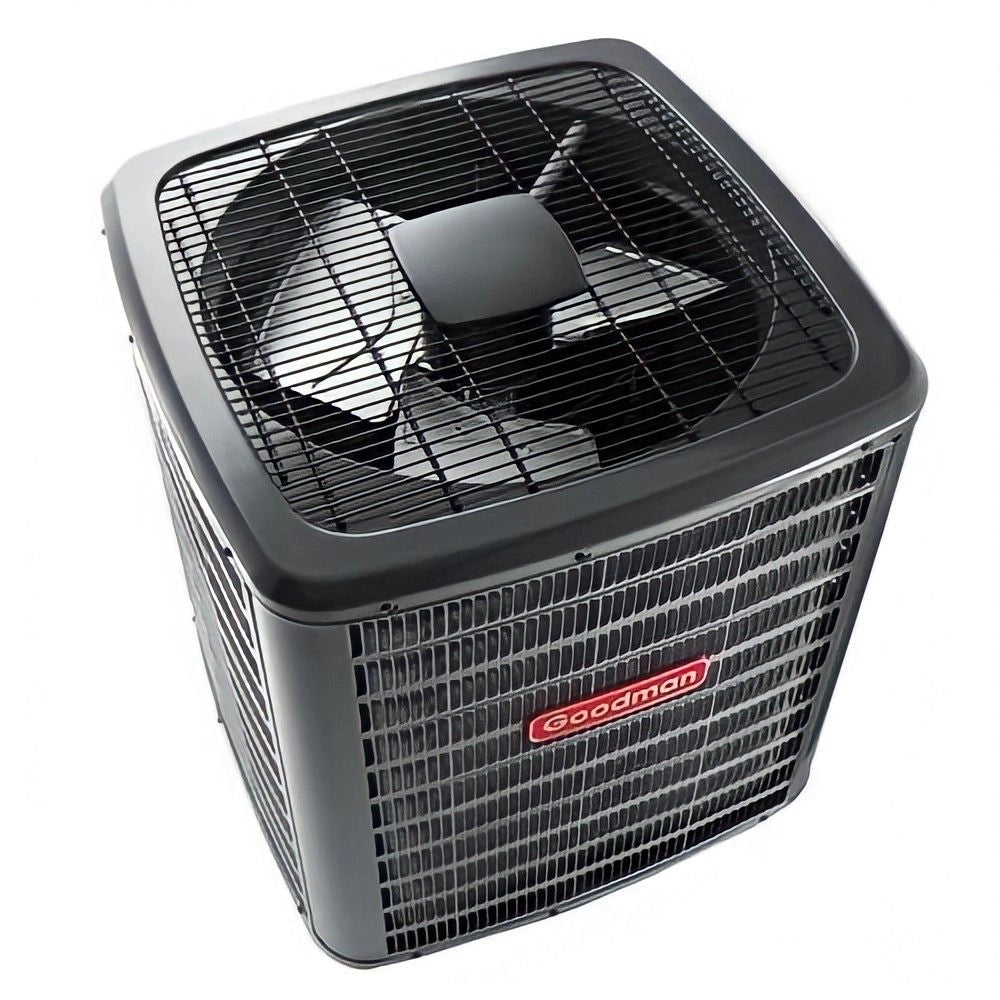
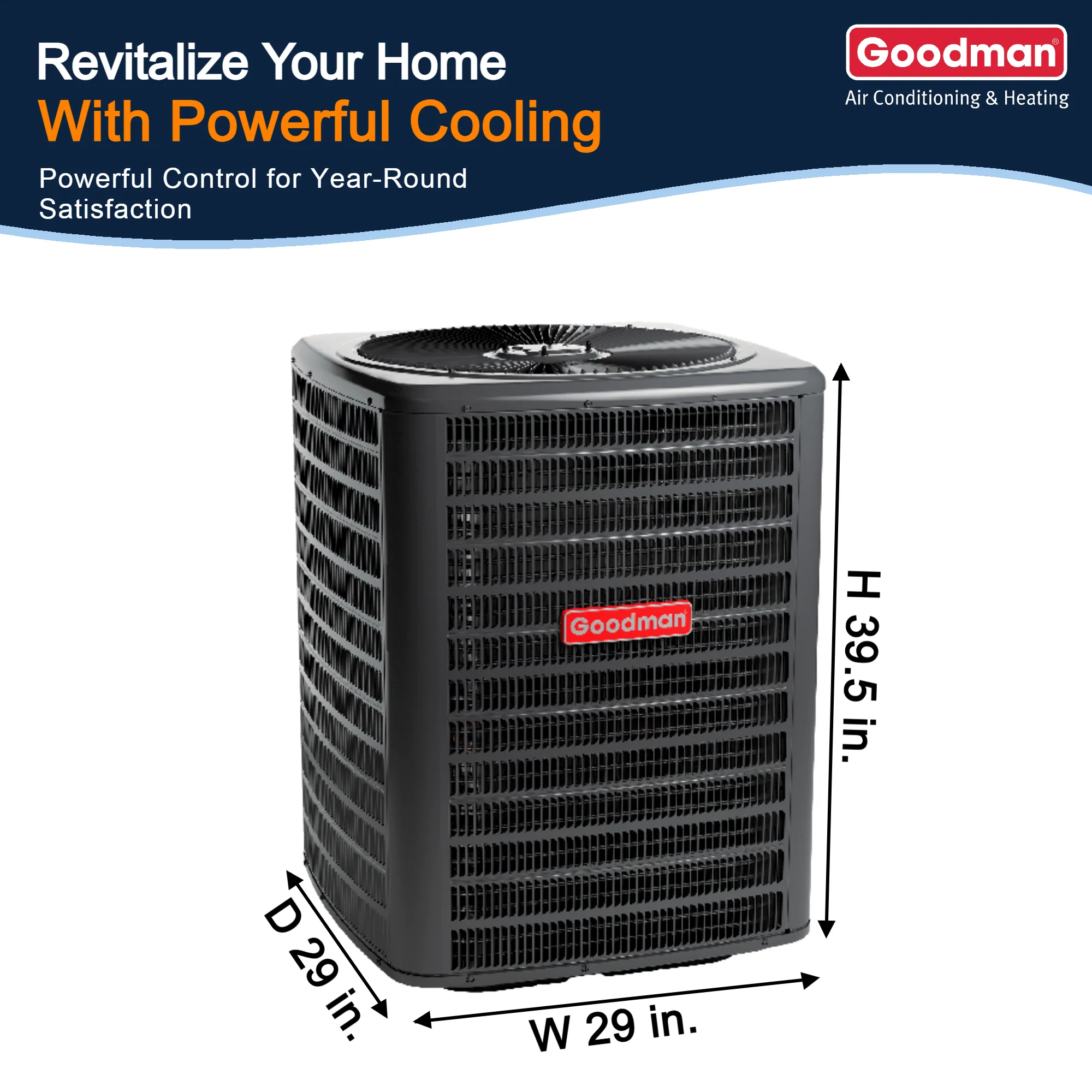
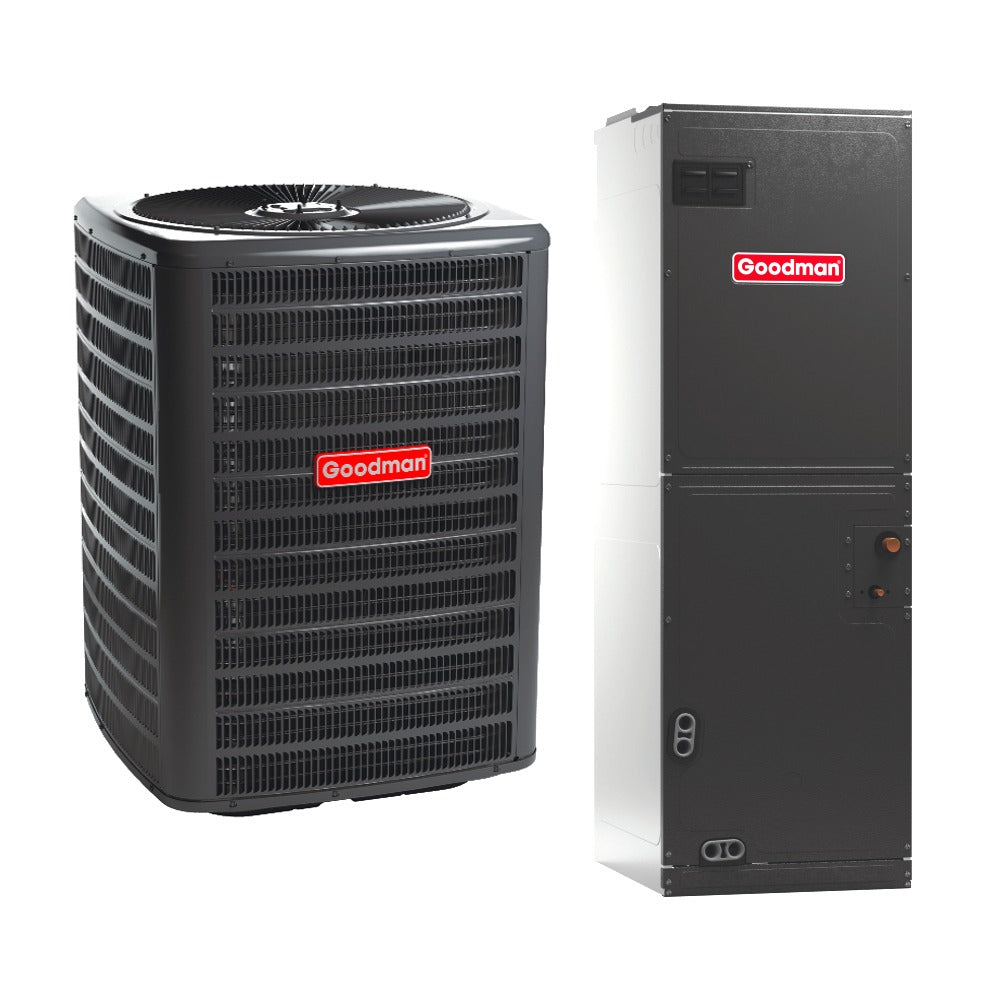
And because home comfort is about more than just heating, we’ll also touch on how a modern system like the Goodman 3-Ton 14.5 SEER2 R32 bundle pairs with heating and cooling needs for year-round comfort.
👉 Check out the Goodman 3-Ton 14.5 SEER2 R32 Bundle here
Why Forced Hot Air Furnaces Are Still Popular
For many American homes, the standard remains forced hot air furnaces. Why? Because they deliver heat quickly, circulate it evenly, and can integrate with central air systems for cooling.
Forced air gas heating uses ducts and vents to move heated air throughout your home. If you’ve ever wondered why your thermostat keeps your house evenly warm—or why certain rooms get hotter than others—this is why. The system depends on:
-
Ductwork condition
-
Furnace capacity
-
Airflow design
-
Proper thermostat placement
The efficiency of forced hot air furnaces makes them a popular choice over alternatives like baseboard electric heaters or radiant floor systems. For homeowners seeking to upgrade, look at modern residential gas furnaces that meet current energy standards for long-term savings.
Gas Furnaces vs. Propane Furnaces: Which Should You Choose?
A lot of people ask me about furnace gas furnace vs. propane furnace forced air. Here’s the breakdown:
Gas Furnace
-
Uses natural gas from a municipal supply
-
Generally cheaper to operate than propane
-
Works best in areas with reliable natural gas availability
-
Offers high-efficiency models (up to 98% AFUE)
Propane Hot Air Furnace
-
Uses propane stored on-site in a tank
-
Ideal for rural homes without natural gas
-
Slightly higher operating cost
-
Works just as efficiently if sized correctly
Both can integrate with central cooling systems for a full furnace for heating and cooling solution. If you’re considering an upgrade, evaluating your fuel source is crucial.
For more on high-efficiency furnace comparisons:
🔗 Energy.gov – Choosing a Furnace
Understanding Furnace Units and Systems
When people ask about a furnace unit, they’re often unclear on the difference between:
-
The furnace itself
-
The overall heating system
Your furnace unit is the appliance that burns fuel (gas, propane, or oil) to produce heat. The furnace system includes the furnace unit plus:
-
Ductwork
-
Air handlers or blower fans
-
Thermostat
-
Venting
-
Optional humidifiers or air filters
This distinction matters because installing a furnace isn’t just about dropping a new unit in the basement—it’s about optimizing airflow, duct efficiency, and even filtration for cleaner air.
Residential Gas Furnace Sizing
One of the biggest mistakes homeowners make is buying a furnace without considering house size or heat load. Too small, and your furnace at home struggles to keep up. Too large, and it cycles too often, wasting energy and wearing out components prematurely.
Rule of thumb for residential gas furnaces:
| Square Footage | Approx. Furnace Size (BTU) |
|---|---|
| 1,000–1,500 sq ft | 40,000–60,000 BTU |
| 1,500–2,500 sq ft | 60,000–80,000 BTU |
| 2,500–3,500 sq ft | 80,000–100,000 BTU |
| 3,500–5,000 sq ft | 100,000–120,000 BTU |
Of course, local climate, insulation, and home layout also play a huge role. For a precise calculation, the ACCA Manual J methodology is the industry standard.
🔗 ACCA Manual J Guide
Buying a Furnace: Where Can You Buy One?
When it comes to buy a furnace or asking “where can I buy a furnace?,” you have several options:
-
Local HVAC contractors
-
National home improvement chains
-
Online retailers specializing in heating and cooling
-
Certified installers who sell equipment directly
Pro tip: Don’t shop solely by price. A low-cost for sale gas furnace may save money upfront but could cost you in efficiency, repairs, and lifespan.
For more information about finding deals and reputable sellers:
🔗 Consumer Reports – Buying a Furnace
Furnace Sale Near Me: How to Spot Real Deals
People searching for new furnace deals near me or furnace sale near me often fall into traps:
-
Promotions that require expensive installation add-ons
-
Old inventory with limited warranty
-
“Closeout” units with minimal support
A smart buyer looks for:
-
Manufacturer-backed warranty
-
Local certified installation
-
Energy efficiency rating
-
Proper sizing for the home
Remember: a well-installed, properly sized heating furnace saves more money long-term than a cheap “deal” that’s undersized or inefficient.
Apartment Furnaces and Small Space Heating
For apartment furnace setups or smaller spaces, forced-air options are still viable, but considerations include:
-
Limited duct space
-
Venting restrictions
-
Noise concerns
-
Gas line availability
Sometimes a propane furnace forced air or high-efficiency gas heater furnace designed for apartments or condos is the best solution.
The Role of Modern Furnaces in Heating and Cooling
Today’s homeowners are increasingly interested in furnace for heating and cooling combos. With integrated systems, you can pair:
-
High-efficiency gas furnaces for winter
-
Central air systems or heat pumps for summer
The Goodman 3-Ton R32 bundle, for example, can integrate with a gas furnace to provide both heating and cooling in one streamlined system, improving comfort and energy efficiency across the year.
Propane Hot Air Furnace and Forced Air Gas Heating
Propane hot air furnace and forced air gas heating are ideal for homes without municipal gas lines. Benefits include:
-
Even heat distribution
-
Ability to pair with air conditioning
-
Modern high-efficiency models reaching up to 95–98% AFUE
Installation requires proper venting and fuel storage, but these units are reliable and long-lasting when installed by certified technicians.
Conclusion: Choosing the Right Furnace for Your Home
Whether you’re looking for:
-
Furnace gas furnace for your house
-
Apartment furnace or small-space solution
-
Propane furnace forced air for rural homes
-
Residential gas furnace for your family home
The key takeaways are:
-
Size your furnace properly.
-
Don’t shop by price alone—look at efficiency, warranty, and installer reputation.
-
Understand the difference between furnace unit and furnace system.
-
Consider future integration with cooling systems.
-
Buy from reputable dealers or contractors.
If your home is ready for a modern, efficient, and reliable system, consider pairing your furnace upgrade with a high-performance cooling bundle like the Goodman 3-Ton 14.5 SEER2 R32. It’s an investment in comfort that pays off year-round.