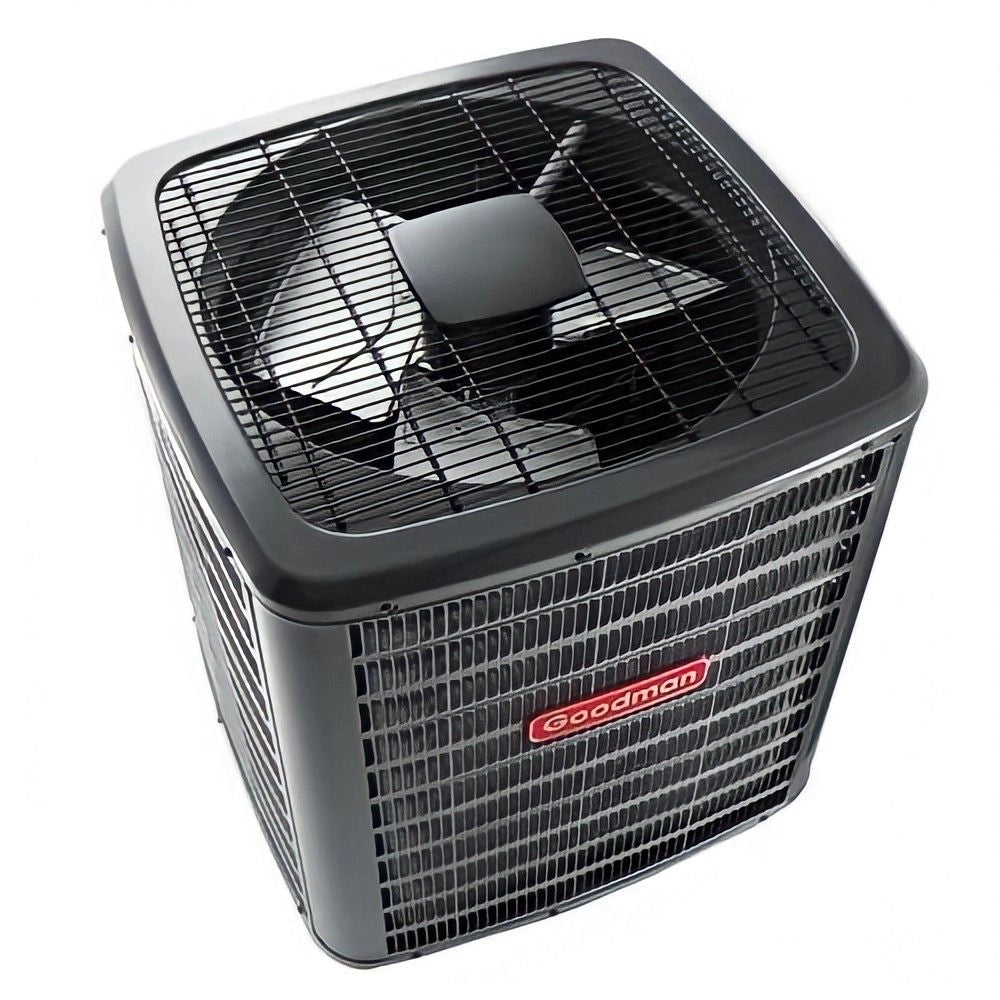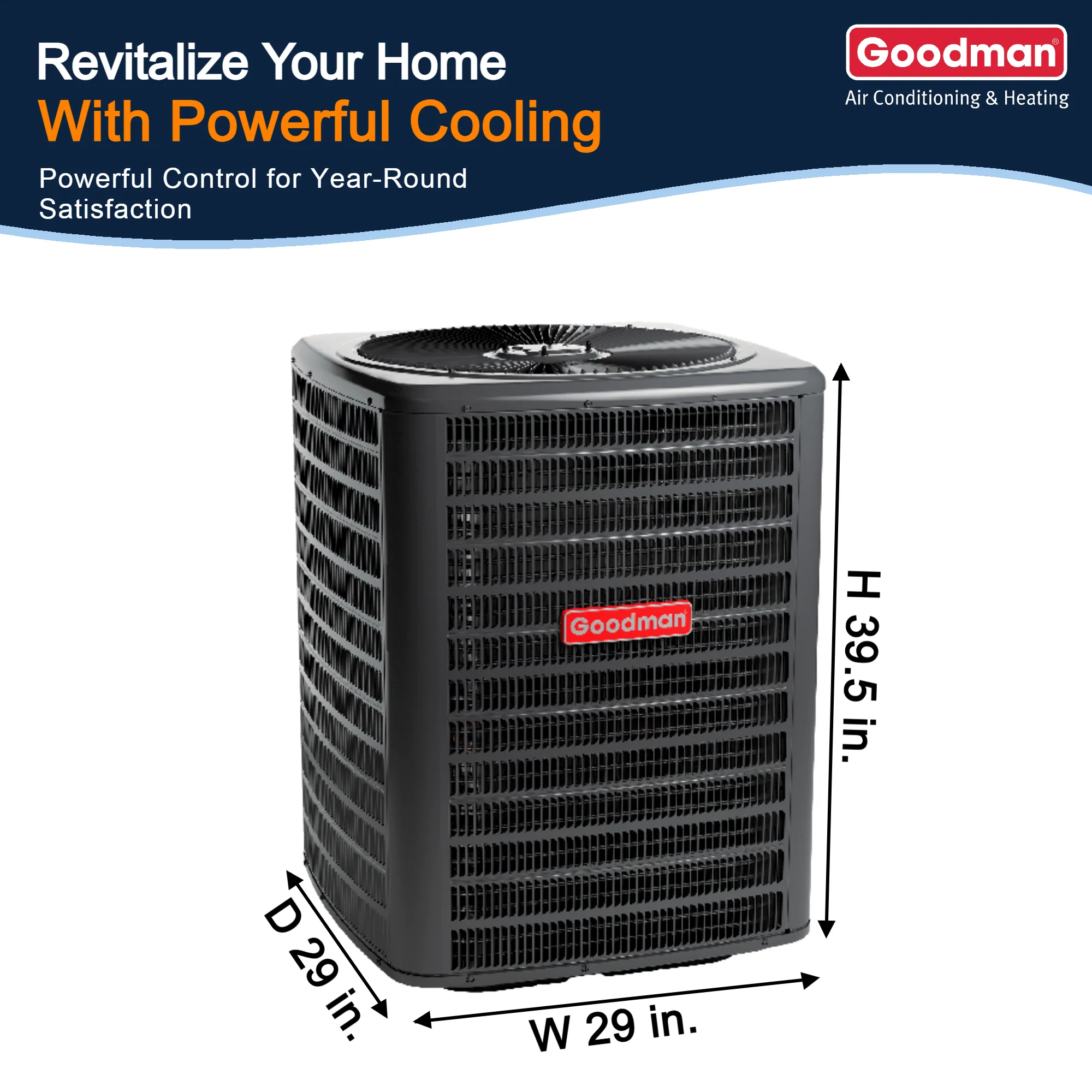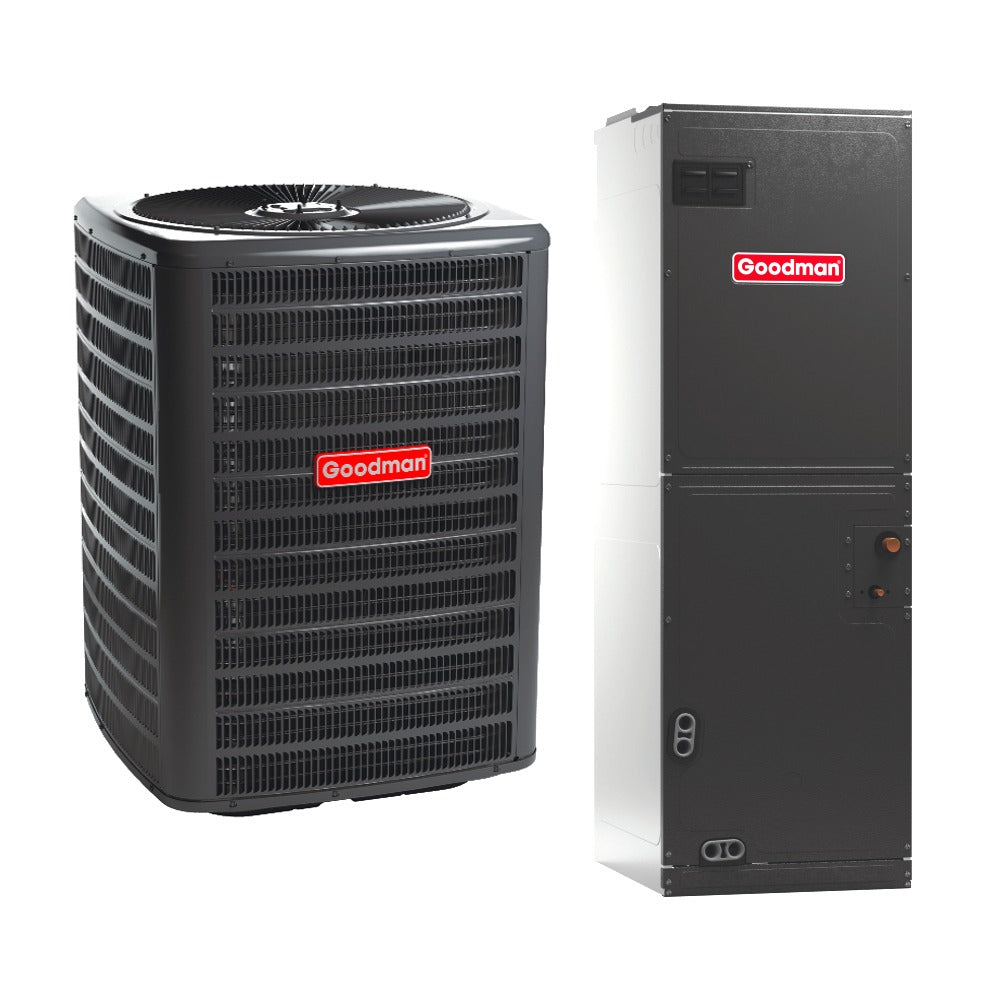

When you invest in a central air conditioning system like the Goodman 3‑Ton 14.5 SEER2 R‑32 bundle, you’re choosing reliable performance and matched component design for powerful, efficient cooling. This system combines a well‑engineered outdoor condenser and a properly matched air handler to deliver energy‑balanced performance for medium‑sized homes. You can explore the full specs and features of this system on the product page here: Goodman 3‑Ton 14.5 SEER2 R‑32 Bundle.
However, even the best HVAC systems require care and sometimes service — including central air compressor repair. Among the most critical components in your air conditioner is the compressor, and if it begins to falter or fails entirely, cooling performance disappears quickly. Homeowners often ask how to repair air conditioner compressor, fix air conditioner compressor, HVAC compressor repair, and air cond compressor repair — or wonder whether they should call a professional or attempt DIY. In this extensive guide, we’ll explore how to fix AC compressor issues, when and why compressor problems occur, what repairs are feasible, and what is best left to trained technicians.
In the context of your Goodman system — designed for performance and built to last — understanding repair AC compressor options is not just about fixing a problem; it’s about prolonging lifespan, reducing costs, and maintaining comfort.
1. Why Central Air Compressor Repair Matters — and What the Compressor Actually Does
At the heart of every central air conditioner — including the Goodman bundle — is its compressor. Think of it as the pump that keeps refrigerant flowing through your cooling system. It pressurizes refrigerant so heat absorbed inside your home can be released outdoors. Without a working compressor, the rest of the components — evaporator coil, condenser, refrigerant lines — can’t cool your home effectively.
Every time you call for cooling on your thermostat, the compressor responds by circulating refrigerant and building pressure. Over time, normal wear, electrical strain, or system imbalances can cause failure or severe inefficiency. When that happens, homeowners commonly search for solutions such as repair AC compressor, fix AC compressor, or even how to repair air conditioner compressor on their own.
In many cases, diagnosing compressor performance issues is not simple. Since the compressor works under high pressure and high electrical loads, the causes of malfunction can range from electrical faults to refrigerant problems, airflow issues, or mechanical wear. Recognizing the difference between a minor repair and a compressor that requires replacement is a key part of smart home maintenance. According to expert HVAC troubleshooting resources, comprehensive diagnostics often involve checking temperature differentials, pressure, electrical measurements, and more to determine what the core failure mechanism may be. (ACHR News)
2. Common Causes of AC Compressor Problems
Before you think about how to fix an AC compressor, it helps to understand what typically goes wrong. Identifying root causes ensures you tackle the right problem rather than replacing parts unnecessarily.
2.1 Electrical Problems and Component Failures
One of the most common culprits behind compressor issues is electrical faults. The compressor is controlled with high‑voltage electrical components — capacitors, relays, contactors, and control wiring — that can wear out over time. When these fail, the compressor may:
-
Fail to start
-
Struggle to run under load
-
Trip breakers repeatedly
-
Run intermittently
Failing start capacitors or relays are especially common, and replacing them can often fix air conditioner compressor issues that mimic larger failures. (horizonairsolutions.com)
2.2 Refrigerant Problems
The compressor’s workload depends heavily on refrigerant charge and flow. If refrigerant levels are too low due to leaks — or too high because of overcharging — the compressor must work outside its optimal range. Improper refrigerant levels can cause overheating, excessive cycling, or mechanical stress leading to failure. Identifying and repairing leaks before refrigerant recharge is a key component of effective air cond compressor repair. (conejoservices.com)
2.3 Airflow Restrictions
Restricted airflow forces the compressor to work harder to move heat, increasing internal temperatures and reducing efficiency. Causes include dirty filters, clogged coils, or blocked vents. Though not a direct compressor fault, airflow issues contribute to premature compressor wear and can lead to failures that seem like compressor problems.
2.4 Overheating and Mechanical Wear
Heat is a killer of compressors. If coils are dirty or airflow is restricted, the compressor runs hotter, which accelerates wear on internal components. Overheating can also be a result of lubricating oil problems within the compressor’s internal mechanism.
2.5 System Age and Operational Stress
Like any mechanical system, age and usage pattern influence wear. Older systems or those that operate continuously in very hot climates are under more stress, making compressor issues more likely.
3. What Is Feasible in AC Compressor Repair
When homeowners search for how to repair air conditioner compressor, they often imagine DIY. The reality is nuanced: some aspects of compressor diagnosis and repair are feasible, while others require specialized tools, certification, and professional handling.
3.1 Replace Electrical Components
A common fix in HVAC compressor repair is replacing worn or failed electrical parts — especially start capacitors and relays. These are often simpler and cost effective, and when they fail, the compressor may not start or may draw excessive current. A licensed HVAC technician can test these components with the correct instruments and identify whether they are the root cause.
3.2 Fix Refrigerant Leaks and Recharge Properly
Refrigerant issues should always be approached with caution. EPA regulations require technicians to use proper recovery equipment; releasing refrigerant into the atmosphere is illegal and harmful. A certified technician will locate and repair leaks, evacuate old refrigerant, and recharge to correct levels — thereby reducing strain on your compressor.
3.3 Airflow and Maintenance Corrections
Cleaning or replacing filters, clearing debris from condensers, and ensuring optimal airflow are among the simplest forms of air conditioner compressor repair that help alleviate compressor stress. Homeowners can handle filters and basic coil cleaning, but diagnostic airflow measurements are best evaluated by professionals. (nolandheatandair.com)
3.4 When Compressor Replacement Is the Only Option
If internal mechanical parts — such as valves, pistons, or windings — are compromised, true compressor repair becomes impractical. Most modern compressors are sealed units that are not serviceable internally; the only effective repair is replacement. This is especially common when compressors seize or suffer internal wear that cannot be corrected externally.
4. What You Should Not Attempt Yourself
While it’s good to be informed, many aspects of central air compressor repair can be dangerous or unlawful when attempted without proper training and equipment. These include:
-
Opening refrigerant lines or releasing refrigerant
-
Handling pressurized refrigerants without certification
-
Attempting to rebuild sealed compressor components
-
Altering wiring without proper electrical understanding
-
Working on high‑voltage systems without lock‑out/tag‑out
These are not just risky — they can violate environmental regulations and building codes.
5. Recognizing When It’s a Compressor Issue — Symptoms vs. Root Causes
Understanding repair AC compressor starts with recognizing symptoms that indicate compressor or system trouble. Many symptoms overlap with non‑compressor issues, so careful evaluation matters.
5.1 No Cooling or Minimal Cooling
If your Goodman system runs but doesn’t cool effectively, the compressor might not be circulating refrigerant under pressure. But this symptom can also be caused by low refrigerant or airflow obstruction, which is why accurate diagnosis is needed.
5.2 Frequent Breaker Trips
If your circuit breaker trips every time the AC runs, it may be because the compressor is drawing too much current due to electrical faults or internal mechanical resistance. Replacing a faulty capacitor or relay sometimes fixes this; other times, the compressor itself is failing.
5.3 Unusual Sounds
Buzzing, rattling, or humming noises from the outdoor unit often appear when a compressor is struggling to start or when internal components are wearing out.
5.4 High Operating Temperatures
Measuring discharge line and compressor temperatures can reveal overheating that stresses internal components. Professional tools are typically necessary to perform these measurements accurately.
5.5 Short Cycling
An AC system that turns on and off repeatedly often indicates pressure or electrical issues, which might stem from refrigerant imbalance or compressor stress.
6. Practical Steps in Central Air Compressor Repair
Whether you’re a hands‑on homeowner or planning to work with a technician, it helps to know the actual repair AC compressor process steps:
6.1 Initial Diagnostic Evaluation
A technician will typically:
-
Check electrical continuity and component function
-
Measure refrigerant pressures
-
Inspect for airflow restriction
-
Evaluate compressor response to load
This determines whether the compressor is the root cause or if supporting components are failing.
6.2 Component Replacement
If tests show failed capacitors or relays, these parts may be replaced to fix AC compressor issues without replacing the entire unit. Testing starts and run capacitors is a common and relatively low‑cost early step in many repairs.
6.3 Leak Repair and Recharge
Low refrigerant levels are corrected by locating and repairing leaks, then recharging to precise levels. This reduces stress on the compressor and improves efficiency.
6.4 Compressor Replacement
When internal damage is confirmed, the compressor must be removed and replaced. This involves:
-
Recovering refrigerant safely
-
Removing electrical connections
-
Disconnecting refrigerant lines
-
Installing a matched replacement compressor
-
Evacuating and charging the system to specification
Because the compressor is a sealed unit, internal mechanical repair is not feasible; replacement is the practical solution.
7. How Much Repair or Replacement Costs
Compressor repairs vary widely depending on the cause. Simple electrical component replacements are relatively affordable, while full compressor replacement — which includes parts and labor — is a larger investment. National estimates suggest that full replacement often ranges significantly, and because the compressor is such a critical part, many homeowners choose replacement over repeated repairs on an aging unit.
(For example, average compressor replacement costs can range broadly depending on size and system type, but often fall into the mid‑four‑figure range due to parts and labor complexity.) (The Spruce)
8. Preventing the Need for Major Repair
Proactive maintenance helps prevent major compressor issues and extends the longevity of your entire system — including your Goodman bundle:
-
Schedule annual professional inspections and tune‑ups
-
Change filters regularly to maintain airflow
-
Keep outdoor condenser area clean and clear
-
Address minor issues promptly before they escalate
-
Ensure proper refrigerant charge and airflow balance
These steps minimize strain on your compressor and reduce the likelihood of sudden failures.
9. Final Thoughts: Smart Decisions for Long‑Term Comfort
Knowing how to repair air conditioner compressor issues is more than a checklist — it’s about understanding your system’s operation and the realistic limits of repairs versus replacement.
The Goodman 3‑Ton 14.5 SEER2 R‑32 bundle is designed for balanced performance and efficiency, but even top‑tier systems are subject to mechanical wear, electrical stress, or refrigerant imbalance over time. Recognizing symptoms early, engaging in proper maintenance, and partnering with experienced HVAC professionals when problems arise will protect your investment and keep your home cool when it matters most.
Whether you’re troubleshooting a suspected compressor failure, planning preventative service, or budgeting for an eventual compressor replacement, this guide gives you the context and clarity to act with confidence.