
Hey there, Tony Marino here.
If there’s one question homeowners ask more than any other, it’s this:
“Tony, what’s this really going to cost me?”
And I get it. Whether you’re looking for HVAC replacement quotes, shopping around for quotes for central air conditioning, or just trying to compare hvac quotes from different contractors, the truth is that getting clarity on pricing isn’t easy. There’s a lot of confusion, misinformation, and, frankly, some shady practices out there.
This article is your full, no-fluff guide. I’m going to break down how HVAC quotes work, what goes into them, how to compare them properly, and how to get the best value without sacrificing quality. By the end, you’ll know exactly what questions to ask, what to expect, and how to read a quote like a pro.
Why HVAC Quotes Can Be Confusing
Let’s start with the basics: a lot of homeowners are surprised when they open a quote for central air replacement or a full HVAC system replacement. Why? Because most quotes are numbers on paper without proper context.
Here’s why:
-
Equipment alone isn’t the whole story
People assume the cost is just the unit — but labor, ductwork, permits, disposal, and system commissioning are often just as expensive. -
Efficiency ratings vary
Two 3-ton AC units may look similar, but one could be 14 SEER, another 16 SEER2. That affects energy savings and upfront cost. -
Contractors price differently
Labor rates, warranty offerings, and service inclusions vary wildly across companies and regions. -
Hidden extras
Some quotes don’t include permits, electrical work, or line set adjustments — the kind of “oh, by the way” charges that make homeowners groan.
Understanding these differences is the first step to interpreting HVAC replacement quotes correctly.
For detailed guidance on energy-efficient HVAC systems and their long-term savings, the U.S. Department of Energy is an excellent resource: Energy Saver – Heating & Cooling .
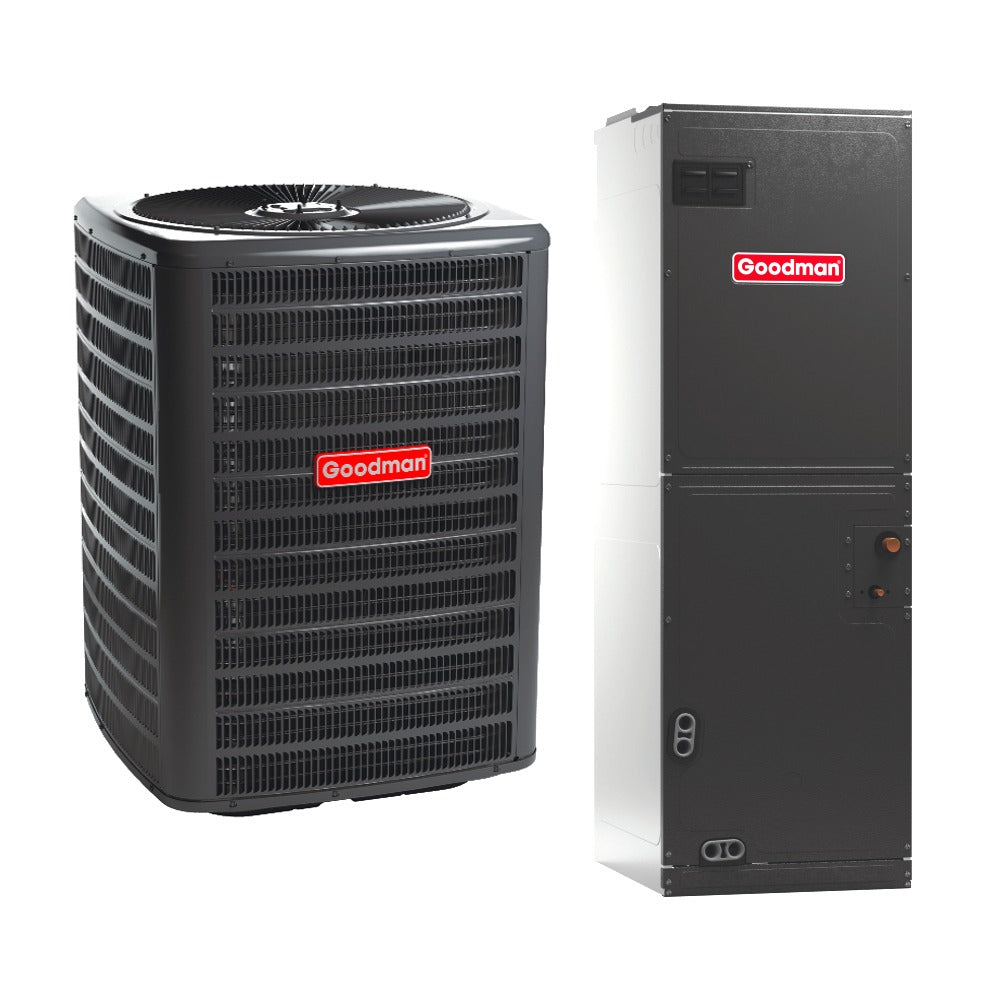
What Goes Into a Central Air Conditioning Quote
When you request quotes for central air conditioning, the contractor should break the quote into several clear categories:
1. Equipment Costs
-
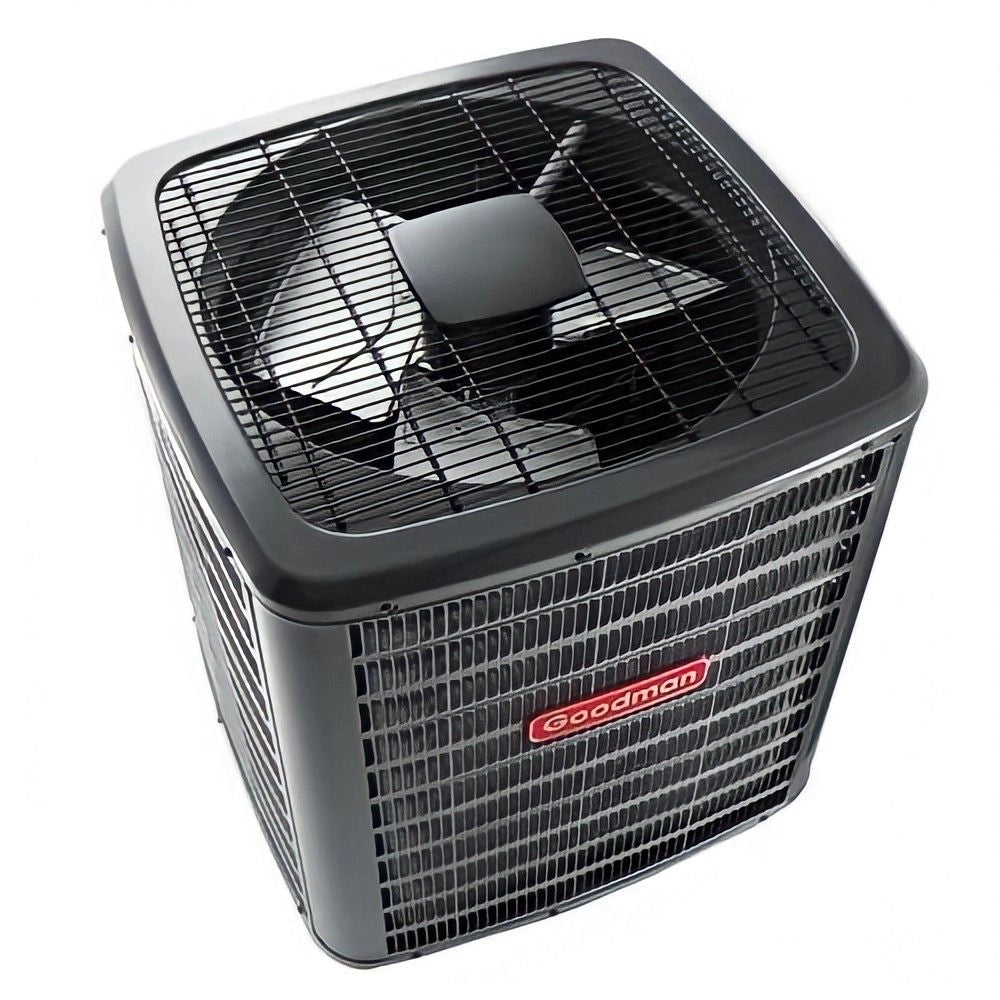
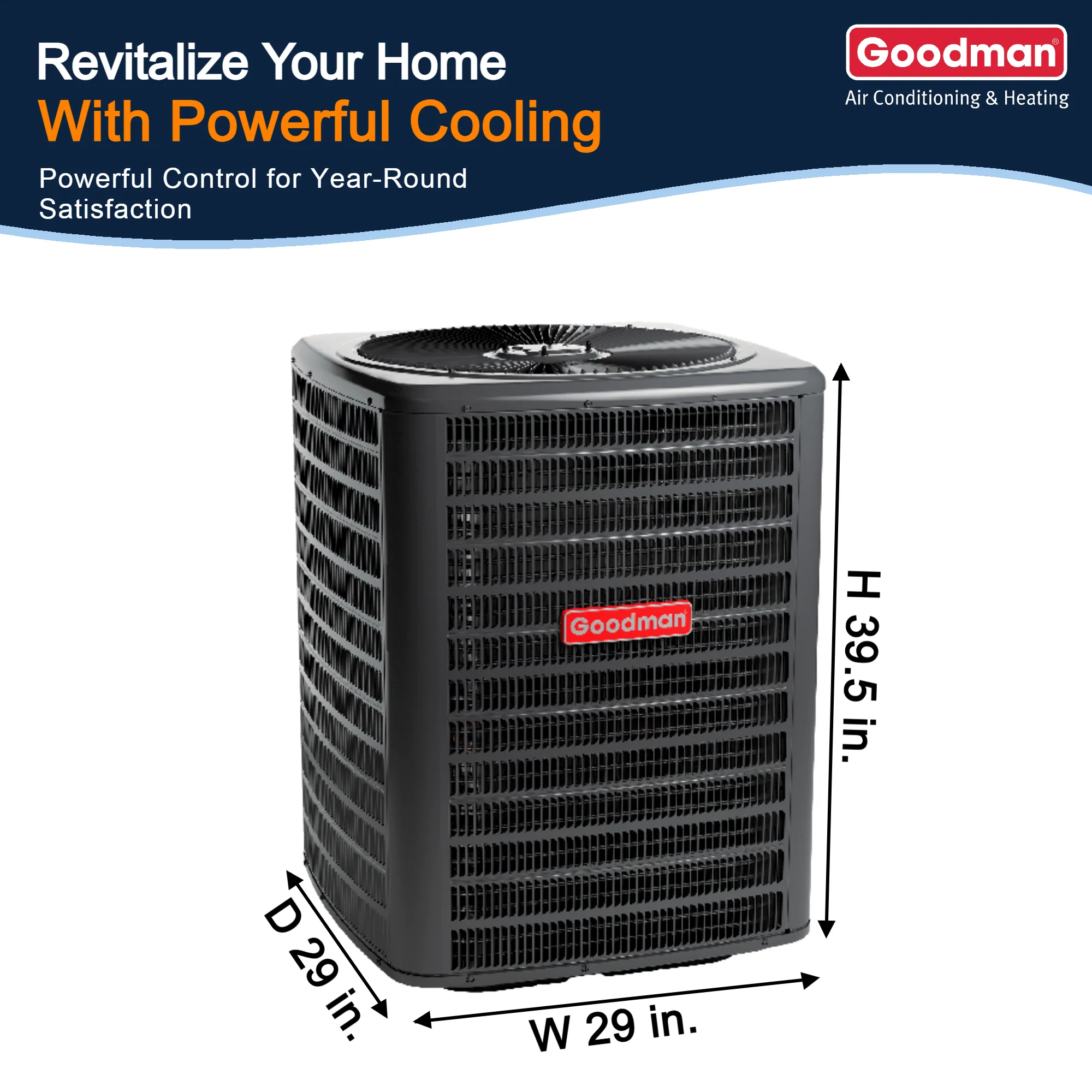
Outdoor condenser
-
Indoor coil or air handler
-
Furnace (if a combo replacement)
-
Thermostat or smart controls
-
Mounting hardware, pad, line sets
2. Labor Costs
-
Removal of old equipment
-
Installation of new components
-
Electrical and gas hookups
-
System startup and testing
3. Ductwork and Vent Adjustments
Even if your ducts are “in decent shape,” minor adjustments, sealing, or insulation are often required. According to the EPA, duct leaks can account for 20–30% of a system’s efficiency loss, which means this part of the quote isn’t optional for proper performance.
4. Permits and Inspections
Depending on your city or county, permits may be required — often included in the quote, sometimes not. This ensures your system meets local building codes.
5. System Commissioning
A fully installed system isn’t done until it’s tested for airflow, refrigerant charge, electrical safety, and thermostat calibration. Some contractors include this in the labor cost; some add it as an extra.
HVAC Replacement Quotes: Understanding the Numbers
When reviewing hvac replacement quotes, look at the following key factors:
System Size
Measured in tons (cooling capacity) for AC. A 3-ton system is common for a 1,500–2,000 sq. ft. home. Oversized or undersized systems waste energy and can fail prematurely.
Efficiency
-
SEER/SEER2 ratings for AC
-
AFUE rating for furnaces
Higher efficiency equals higher upfront cost but lower operating bills. Over the lifetime of the system, efficiency pays for itself.
Equipment Brand
Goodman, Carrier, Trane, Lennox, and others offer different warranties, performance, and reliability. A quote should clearly state the brand and model.
Labor Quality
-
Licensed and insured technicians
-
Proper start-up and commissioning
-
Proper handling of refrigerants
Inclusions and Exclusions
Anything not included should be clearly spelled out: line sets, refrigerant, electrical work, duct repairs, etc. Misreading this is a common reason quotes seem “cheap” but balloon later.
Tips for Getting Accurate HVAC Quotes
1. Always Compare Apples to Apples
You need quotes that specify:
-
Equipment size and brand
-
Efficiency rating
-
Warranty
-
Labor inclusion
-
Any extras
2. Request Multiple Quotes
Get at least three quotes. This ensures you’re not overpaying and gives a sense of fair market pricing. Use resources like HomeAdvisor to find reputable contractors in your area.
3. Ask About Financing Options
Many contractors offer financing. Some energy-efficient upgrades qualify for tax credits or rebates — ENERGY STAR maintains updated listings for incentives. Knowing this can dramatically reduce net cost.
4. Ask About Long-Term Costs
Don’t just look at the initial price. A lower-cost unit may have higher energy costs, shorter lifespan, or frequent repair needs. Lifetime cost matters.
5. Check Contractor Reputation
Read reviews, verify licenses, and ask about experience with your specific system type.
What to Avoid When Reviewing HVAC Quotes
Some contractors might try to confuse or upsell you. Watch for:
-
Vague descriptions: “High-efficiency AC unit” without SEER/SEER2 number
-
Missing labor details
-
Inflated ductwork or line set costs
-
Pressure to sign immediately
-
No permit or inspection reference
Remember: a reputable contractor will be transparent. You want a detailed, itemized quote that matches industry standards.
Average HVAC Replacement Costs
Let’s be realistic. Here’s what a homeowner might expect today in U.S. averages:
| System | Equipment + Labor | Notes |
|---|---|---|
| Basic 3-ton central AC | $5,500–$8,000 | Standard SEER, single-zone |
| High-efficiency 3-ton AC | $8,000–$11,000 | 16–18 SEER, variable speed |
| Furnace + AC combo | $9,000–$14,000 | Mid-efficiency furnace and AC |
| Full duct replacement + combo | $12,000–$18,000 | Older homes, large houses |
Location, home size, accessibility, and brand all affect the final price.
DIY or Contractor? When to Use Each
Some homeowners ask: “Can I get an HVAC replacement DIY?”
Short answer: for central air, generally no. Modern central AC units require:
-
Proper refrigerant charging
-
Electrical work
-
Gas connections (if furnace included)
-
System commissioning
Attempting this without expertise can void warranties, violate codes, and be unsafe.
DIY mini splits are a different story — pre-charged systems with simple connections can often be handled safely by a handy homeowner. But for full central air replacement, a licensed professional ensures long-term efficiency and safety.
How to Make Quotes Work for You
-
Document Everything: Keep copies of all quotes. Compare line items side by side.
-
Ask Clarifying Questions: Don’t hesitate to ask, “Is refrigerant included?” or “Are duct adjustments accounted for?”
-
Negotiate on Labor, Not Equipment: Most equipment pricing is fixed; labor and inclusions have room for negotiation.
-
Check Warranties: Equipment warranties often start at one year if installation is improper.
-
Verify Start-Up: A system that isn’t commissioned correctly can lose 10–20% efficiency immediately.
Conclusion — Getting HVAC Quotes Right Matters
Let’s sum this up in Tony Marino style:
-
Don’t just look at the bottom line. Examine every component: equipment, labor, ductwork, permits, and commissioning.
-
Get multiple quotes. Three is the magic number.
-
Understand efficiency. A slightly more expensive unit can save thousands in energy bills.
-
Work with licensed professionals unless you’re skilled and the system allows DIY installation.
-
Read reviews and ask questions. Reputation and transparency matter.
Getting quotes for central air conditioning or HVAC replacement quotes doesn’t have to be stressful. To explore AC options, visit The Furnace Outlet. With careful research, clear questions, and a focus on long-term value over sticker shock, you can confidently select the right system for your home — and enjoy the comfort, efficiency, and peace of mind that comes with it.